Florida Zone B Gun Season Closing Date
For many hunters, the final days of a season can feel like a mad dash, or worse, a missed opportunity if you don't keep track of the precise closing dates. In Florida's Zone B, understanding exactly when the general gun season wraps up is crucial for planning your last hunts, maximizing your success, and making sure you stay within the legal framework. This guide will walk you through the specifics of the Zone B gun season closing, what it means for your hunting strategy, and how to make the most of those precious final moments in the field.
Understanding Florida's Zone B Deer Hunting Calendar
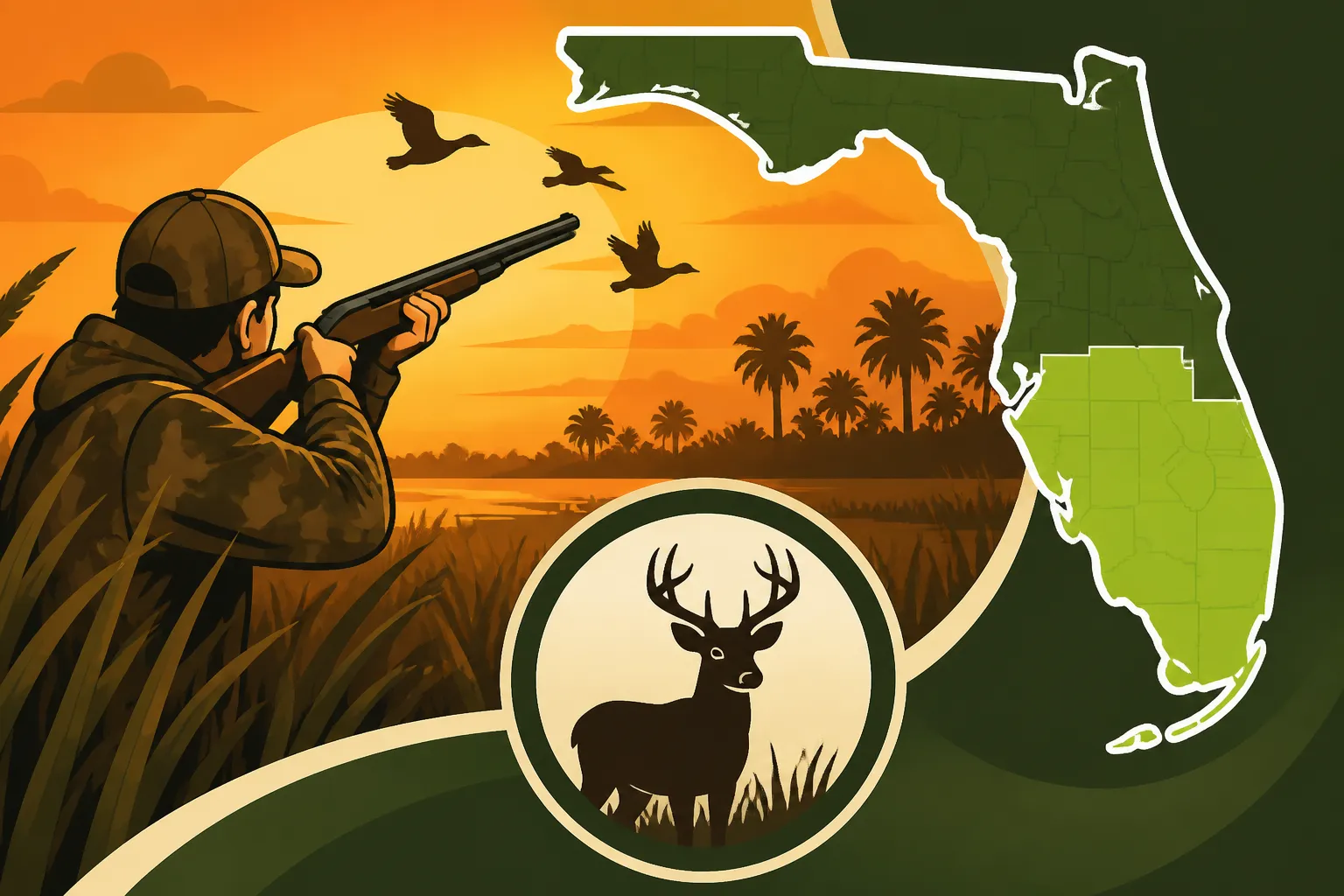
Florida’s diverse geography means we have different hunting zones, each with its own unique calendar. This can be a real head-scratcher, especially for folks who are used to more uniform statewide seasons. Zone B, covering a significant portion of the peninsula, has its own rhythm, and knowing the exact closing date for general gun season is foundational to any successful hunt there.
The Official Closing Date for General Gun Season
Let's cut right to the chase for the 2023-2024 season, which sets a clear pattern for future seasons. The general gun season in Florida's Zone B officially closed on January 21, 2024. This date typically falls on a Sunday, giving hunters a full final weekend to be out in the woods before the general gun period concludes. It's a key date that marks the end of rifle, shotgun, and pistol hunting for deer in this zone.
The Florida Fish and Wildlife Conservation Commission (FWC) sets these dates annually, considering factors like deer breeding cycles, population health, and hunter opportunity. While the exact numerical date might shift slightly year to year based on the calendar, you can generally expect Zone B's general gun season to close in the third or fourth week of January. Always, always double-check the current year's FWC regulations or visit the FWC website for the most up-to-date information before heading out. Over the years, I've seen too many well-intentioned hunters accidentally violate regulations simply because they were relying on last year's calendar. For a broader perspective on how these zones are structured, take a look at our guide on Florida's Four Deer Management Zones Explained.
Why the Closing Date Matters for Your Strategy
Knowing the closing date isn't just about avoiding a citation; it profoundly impacts how you approach your hunting. As the season winds down, deer behavior can shift dramatically. They've been pressured for months, they're wary, and their focus often turns intently to food sources to recover from the rut and prepare for the leaner months.
This late-season period, particularly the last couple of weeks before the general gun closes, can offer some incredible hunting opportunities. Often, the weather cools down, which can invigorate deer movement during daylight hours. But it also means deer are incredibly sensitive to pressure. If you've been chasing bucks since the Florida Zone B Season Dates opened, you know these animals are smart. They've learned to avoid obvious travel corridors and daytime activity in high-traffic areas. Your strategy needs to adapt to these conditions, focusing on overlooked pockets of cover, secluded food sources, and understanding that the clock is ticking. This sense of urgency can also make hunters more aggressive, sometimes to their detriment, so a calm, calculated approach is still paramount.
Navigating Late Season Hunting in Zone B
January in Florida can be a bit of a mixed bag weather-wise. You might have a crisp morning in the 30s or 40s, only for it to climb into the 70s by afternoon. This variability, combined with deer that have been educated by months of hunting pressure, means your late-season tactics need to be sharp.
Prime Hunting Opportunities in the Final Weeks
Despite the challenges, the final weeks of Zone B's general gun season can be incredibly rewarding. One of the biggest factors that can swing the odds in your favor is a cold front. When those occasional northern fronts push down into Florida, the dip in temperature often triggers increased deer movement as they seek out available forage to fuel their bodies. This is precisely when you want to be in your stand or blind. For more on this, check out our insights on Hunting Deer After a Cold Front.
- Targeting Food Sources: By January, many of the prime acorn crops have been depleted or are gone. Deer will shift their focus to alternative food sources. This could mean browsing on fresh green shoots after a prescribed burn, hitting planted food plots (if available on private land), or seeking out late-dropping hard mast like live oaks in hammocks. On public lands, finding these less-pressured food sources often means venturing deeper or using mapping apps to identify subtle changes in vegetation. Tools like GoHunt can be invaluable here, helping you overlay property boundaries with vegetation maps to pinpoint potential feeding areas that others might overlook.
- Exploiting Pressure Pockets: Most hunters tend to stick to easily accessible areas. This means deer in Zone B have learned to use thick palmetto heads, cypress swamps, and dense creek bottoms as sanctuaries. Your best bet in the final weeks is often to find these overlooked, thick cover areas adjacent to food. Deer will often bed in these dense spots during the day and only emerge at last light or after a cold front. Focusing your efforts on weekdays, when pressure on public land typically decreases, can also offer a significant advantage over the crowded final weekend.
- Consider the Rut: While the primary rut in Zone B typically peaks around November, there can often be a secondary rut or late-estrus does that draw out bucks in January. Keeping an eye on any scrapes or rubs, even if old, can tell you if bucks are still cruising. Our guide on Hunting Florida's Zone B Late Rut delves deeper into this phenomenon.
Essential Gear and Tactics for January Hunts
Being prepared for Florida's quirky winter weather and highly educated deer is paramount. Don't assume "Florida" means constant heat; January mornings can be quite chilly, especially in the northern parts of Zone B.
- Layering for Success: Lightweight, breathable layers that you can easily shed are critical. Start with a moisture-wicking base layer, add an insulating mid-layer, and finish with a quiet, wind-resistant outer shell. While you might be packing light for your walk in, having an extra jacket in your pack for those cool, still mornings can make a huge difference in comfort and staying power. And don't forget good quality insect repellent – even in January, mosquitoes and no-see-ums can be out in force if it warms up.
- Scent Control is Non-Negotiable: With deer being extra wary, any foreign scent can send them packing. Utilize scent-eliminating sprays, wash your hunting clothes in scent-free detergent, and store them in airtight containers. Play the wind religiously. In Florida's typically flat terrain, understanding Wind and Thermals in Flat Florida Terrain is critical, as subtle air movements can carry your scent surprisingly far.
- Stand Placement and Patience: Late-season deer often travel on very specific, subtle trails to and from bedding and feeding areas, especially through dense cover. Focus your stand or ground blind placement on pinch points, creek crossings, or funnels that connect these areas. Using a ground blind on Florida public land can be very effective as it provides concealment and a barrier against your scent, especially if you brush it in well. Patience is your greatest ally; expect longer waits and brief windows of opportunity. Don't be afraid to read Reading Aerial Photos for Florida Deer to identify these overlooked travel routes and cover.
- Final Days Tactics Table for Zone B General Gun Season
| Tactic Category | Key Considerations for Final Weeks in Zone B |
|---|---|
| Scouting & Locating | Focus on fresh sign near dense cover and less-pressured food sources. Check trails entering thickets. Use digital mapping tools like GoHunt to identify overlooked corners of public land or private access. Remember, deer patterns are often established by now; finding where they feel safe is key. |
| Stand & Blind Setup | Place stands in thick cover overlooking subtle funnels or secondary food sources. Consider brushed-in ground blinds near known bedding areas or transition lines. Position to maximize wind advantage, even if it means a longer walk. Prioritize stealth and minimal disturbance. |
| Calling & Decoys | Grunt calls or rattling can still work, especially if a secondary rut is occurring or you observe bucks chasing. Keep calls subtle. Avoid aggressive calling unless you know deer are in the immediate vicinity and receptive. Decoys can be risky with wary deer but might work in very specific open settings. |
| Shot Placement & Recovery | As urgency increases, maintain discipline with shot placement. In Florida's dense terrain, a well-placed shot is paramount for recovery. Even in cooler weather, consider Field Dressing a Deer in Hot Weather immediately and Tracking a Deer in Sandy Florida Soil diligently. |
Planning Beyond the Gun Season Close
While the general gun season in Zone B wraps up in January, the hunting opportunities in Florida don't always end there. Understanding the full calendar allows you to maximize your time in the field, whether that's with a different weapon or for a different species.
Other Opportunities After Gun Season
Even though the general gun season for deer concludes on January 21st in Zone B, Florida often provides extended seasons for certain weapon types. For the 2023-2024 season in Zone B, there was an extended archery and muzzleloader season from January 22nd to February 4th. This is an incredible opportunity for hunters who appreciate the challenge and intimacy of these primitive weapons. It allows you to continue pursuing deer well after the high-powered rifle hunters have packed up. It's truly a different experience, one that requires closer encounters and a deeper understanding of deer movement without the widespread pressure of general gun season. You can learn more about making the most of this period by reading our article on Hunting Into a Zone B February Close.
Beyond deer, Florida offers year-round opportunities for other species. Feral hogs, for instance, have no closed season or bag limit on private lands, and often have generous seasons on public Wildlife Management Areas (WMAs). This means you can keep your hunting skills sharp and put some delicious wild pork in the freezer even after deer season ends. After the deer pressure subsides, hog activity can sometimes increase as they move more freely. This post-deer season window is also a fantastic time for scouting. With leaves off many deciduous trees and less undergrowth in some areas, it’s easier to spot old rub lines, scrape areas, and identify bedding thickets. Getting out there, even without a weapon, to read the landscape and see where deer were moving can give you a significant advantage for next season. Consider taking a walk on public lands you hunt to get a jump start on Scouting Florida Public Land Before Season.
Checking Regulations and Licenses for Future Seasons
The closing date for the general gun season is a good reminder to always stay current with Florida’s hunting regulations. The FWC updates its harvest regulations annually, and changes, however small, can impact your hunt. Before each season, it’s your responsibility as a hunter to review the current FWC regulations booklet thoroughly. This includes checking specific dates, bag limits, and any WMA-specific rules if you plan on hunting public lands.
Managing your licenses and permits is also an ongoing task. Make sure your Florida Resident License Options are up-to-date and that you've purchased any necessary permits, such as the Florida WMA Management Area Permit if you hunt on public land. Many hunters also find it incredibly useful to utilize mapping applications that integrate FWC regulations, zone boundaries, and WMA rules. GoHunt, for example, often provides an excellent resource for visualizing these complex regulations directly on a map, which can save a lot of head-scratching. Finally, remember that all harvested deer in Florida, including those taken in Zone B, must be reported to the FWC within 24 hours of harvest. This helps the FWC manage deer populations effectively. You can learn more about this process in our article on Florida Deer Reporting Requirements. By staying informed and prepared, you ensure you can enjoy Florida's incredible hunting opportunities responsibly, year after year.
Disclaimer
Please note that hunting regulations, season dates, and license requirements are subject to change by the Florida Fish and Wildlife Conservation Commission (FWC). Always consult the most current official FWC hunting regulations guide before planning or engaging in any hunting activities. This content is for informational purposes only and should not be considered a substitute for official FWC documentation.