Florida Zone B Season Dates
Navigating Florida's deer hunting regulations can sometimes feel like trying to untangle a fishing line after a big blow – complicated and a bit frustrating. Especially when it comes to understanding the specific season dates for each zone, it's easy to get lost in the details. This comprehensive guide is here to demystify the Florida Zone B deer season, offering clear, detailed information so you can plan your hunts effectively and confidently.
Understanding Florida's Deer Management Zones
Florida isn't a one-size-fits-all state when it comes to deer hunting. The Florida Fish and Wildlife Conservation Commission (FWC) has divided the state into four distinct deer management zones – A, B, C, and D – each with its own unique characteristics and, crucially, its own set of season dates. This approach allows the FWC to manage deer populations more effectively, taking into account regional differences in habitat, climate, and deer biology, like the timing of the rut. It's a system designed to ensure healthy herds and sustainable hunting opportunities across our diverse landscapes.
Why Zones Exist
The primary reason for these zones is to align hunting seasons with the biological realities of Florida's deer herds. Unlike northern states where the rut is fairly synchronized, Florida's rut can vary wildly from year to year and region to region. In some parts of the state, deer are breeding in July, while in others, it might not kick off until February. By segmenting the state into zones, the FWC can set season dates that correspond with these varying biological cycles, allowing hunters to target deer during optimal times for both harvest and management. This helps ensure that hunters have a fair chance at harvesting a mature buck, and it also aids in herd health by regulating pressure. It truly makes a difference in the quality of hunting you'll experience. You can learn more about Florida's Four Deer Management Zones Explained to see how these distinctions play out across the state.
What Defines Zone B
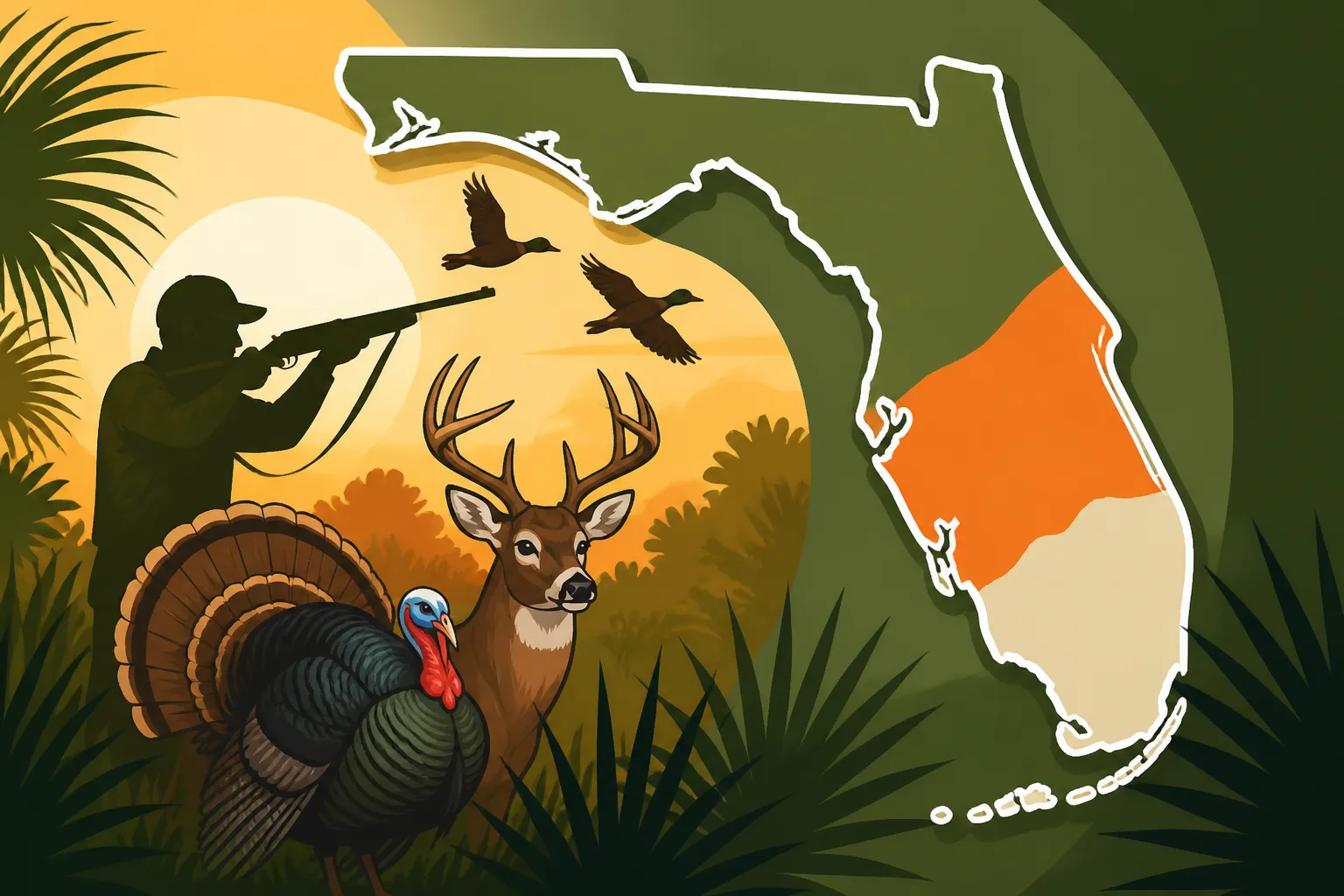
Zone B primarily encompasses a large swath of central Florida. It stretches from the Gulf Coast eastward, cutting through the heart of the state, and includes some of the more populated areas as well as vast tracts of wilderness. Think counties like Marion, Sumter, Citrus, Hernando, and Polk, among others. The terrain in Zone B is incredibly diverse, ranging from classic palmetto flatwoods and pine plantations to dense cypress swamps and hardwood hammocks. This variety of habitat supports a robust deer population, but it also presents unique challenges and opportunities for hunters. The timing of the rut in Zone B is generally later than in Zone A, often peaking in October and November, which directly influences when the archery, muzzleloader, and general gun seasons are set. Understanding Which Zone Covers Your Florida County is the first step in planning your hunt, as just being a few miles off can put you in a completely different set of regulations.
Archery Season in Florida's Zone B
Archery season is often the earliest opportunity for deer hunters in Florida, and Zone B is no exception. It kicks off when temperatures are still quite warm, presenting a unique set of challenges and rewards. Many dedicated bowhunters eagerly anticipate this period, viewing it as a pure test of their skills and patience.
Early Season Opportunities
The Zone B archery season typically begins in late September. This means you're often hunting in conditions where daytime temperatures can still climb into the 80s, and mosquitoes are definitely still a factor. Deer are primarily focused on food and water, often hitting agricultural fields, oak hammocks dropping acorns, or edges of cypress swamps. Early season bucks might still be in their summer patterns, moving predictably between bedding areas and food sources. This is when your scouting really pays off. Glassing fields from a distance during the late evenings before the season opens can reveal key travel corridors and preferred feeding spots. It's crucial to prioritize scent control, not just for the deer but also for keeping those pesky bugs at bay. You'll want to think about strategic entry and exit routes that minimize disturbance, especially in thick Florida scrub. For those willing to brave the heat and the bugs, these early weeks can offer some fantastic opportunities before the deer become pressured.
Weaponry and Regulations
During Florida's archery season, hunters are limited to traditional bows, compound bows, and recurves. There are specific draw weight requirements to ensure humane kills, generally a minimum of 35 pounds for compounds and recurves, and 40 pounds for longbows. Broadheads must have at least two sharpened edges with a minimum cutting diameter of 7/8 inch. Mechanical broadheads are perfectly legal, but ensure they deploy properly and offer sufficient cutting diameter. It's not just about the bow; it's about making sure your equipment is up to the task. Remember, during archery season, you're not allowed to use firearms or crossbows unless you have a specific crossbow permit for the archery season. Always double-check the current year's FWC regulations booklet, as details can sometimes change slightly. Many hunters find using resources like GoHunt incredibly helpful for quickly referencing these detailed weapon restrictions and ensuring they're always compliant. The more you know about Legal Weapons During Florida Archery Season, the safer and more successful your hunt will be.
Crossbow Season in Florida's Zone B
The inclusion of crossbows during what is largely considered the "archery" season has opened up deer hunting to a broader demographic in Florida, especially those who might find traditional archery equipment challenging due to physical limitations or those simply looking for a different experience.
Expanding Archery Access
Florida allows the use of crossbows during the archery season, essentially creating an "archery/crossbow" season. This is a huge benefit for hunters who may have shoulder issues, vision problems, or simply prefer the mechanical advantages of a crossbow. It means more people can participate in the early season, enjoying the cooler (relatively speaking!) mornings and the excitement of chasing deer when they're still in predictable patterns. For many, it's a great way to introduce new hunters to the sport, as crossbows often have a shorter learning curve than traditional bows. The principle of the hunt remains the same: close-range encounters, meticulous scouting, and precise shot placement. You're still relying on stealth and woodsmanship, but with a different tool in hand. For those looking to take advantage of this, understanding Crossbow Hunting During Florida's Archery Season is a must.
Specific Crossbow Rules
While crossbows are permitted during the archery season, there are a few important rules to keep in mind. The crossbow must have a minimum draw weight of 100 pounds and a working safety. Broadheads used with crossbows must meet the same standards as those used with traditional bows: at least two sharpened edges and a minimum cutting diameter of 7/8 inch. Unlike some other states, Florida does not typically require a special permit to use a crossbow during the archery season, making it quite accessible. However, it's always prudent to review the latest FWC regulations each year to confirm these details. Ensure your crossbow is sighted in accurately and practice shooting from various positions you might encounter in the field, like from a treestand or ground blind, to be fully prepared for that shot opportunity.
Muzzleloader Season in Florida's Zone B
Muzzleloader season in Zone B acts as a fantastic bridge between the quiet stealth of archery season and the more boisterous general gun season. It offers hunters another chance to be in the woods with a single-shot mentality, often during a period when the deer are starting to feel a bit more active as temperatures cool.
Bridging the Gap to Gun Season
Following the archery/crossbow season, Zone B transitions into a dedicated muzzleloader season, usually in late October. This timing often coincides with the pre-rut or the very beginning of the rut, depending on the specific region within Zone B and the individual year's conditions. Deer activity starts to pick up, and bucks may begin to establish rub lines and scrapes more consistently. This is a time when cooler temperatures make for more comfortable hunting and deer are often on the move during daylight hours. It's a prime opportunity to be in the woods, especially if you enjoy the challenge of a single-shot firearm. This period often sees less hunting pressure than the general gun season, offering a more serene experience for hunters. You'll find yourself relying on similar scouting techniques as archery season, but with the added reach and power of a muzzleloader. A good resource for this kind of hunting is Muzzleloader Deer Hunting in Florida.
Muzzleloader Equipment
For muzzleloader season in Florida, hunters are generally restricted to single-barrel muzzleloading guns, using black powder or a non-smokeless powder equivalent, and firing a single projectile. This means no sabots with modern pistol bullets or anything that would mimic a modern rifle cartridge. The minimum caliber for deer is typically .40 caliber for those firing a single projectile. It's essential to understand the specific legal definitions of what constitutes a "muzzleloading gun" in Florida to avoid any unintentional violations. Many hunters prefer percussion cap or 209 primer systems for reliability in Florida's often humid conditions. Practice with your chosen load and bullet combination to ensure accuracy. Cleanliness is paramount for muzzleloaders, especially in the field, so a proper cleaning kit is just as important as the gun itself.
General Gun Season in Florida's Zone B
This is where the majority of Florida deer hunters hit the woods. General gun season in Zone B is usually the longest deer season, offering ample opportunity and coinciding with peak deer activity.
Key Dates and Peak Rut
The general gun season in Florida's Zone B typically runs from late October through the end of January, often including a split. This lengthy season covers a significant portion of the breeding season or rut for deer in central Florida. Peak rut in Zone B often falls between late October and late November, meaning bucks are actively searching for does, making them more vulnerable and visible during daylight hours. This is the time when rattling and grunting can be particularly effective tactics, especially in hardwood hammocks or along the edges of palmetto heads where deer congregate. Hunters might encounter intense competition for prime spots on public lands, so early scouting is absolutely critical. Knowing the exact dates for Hunting Florida's Zone B Late Rut can give you an edge, especially during those crucial weeks when bucks are truly on the move.
Bag Limits and Reporting
During the general gun season in Zone B, hunters are generally allowed a daily bag limit of two deer. Of these two, only one can be antlered. The statewide antlered deer bag limit is two per season, with specific rules about antler points for youth hunters and those participating in special programs. All antlered deer harvested must have at least one antler of at least 5 inches in length. It's imperative to consult the FWC's current regulations for the specific year you are hunting, as these rules can occasionally be adjusted. Florida also requires hunters to report their deer harvests. This can usually be done quickly and easily through the FWC's Go Outdoors Florida app or their website. This data is vital for wildlife management, helping the FWC track population trends and make informed decisions for future seasons. Failing to report a harvest is a violation, so make sure you're always compliant with Florida Deer Reporting Requirements.
Youth Deer Hunting Opportunities in Zone B
Florida is committed to fostering the next generation of hunters, and youth hunting opportunities are a fantastic way to introduce kids to the outdoors in a safe, controlled environment.
Dedicated Youth Weekends
Before the regular gun season kicks off in Zone B, there's typically a dedicated youth deer hunting weekend, usually in mid-October. This special weekend is reserved exclusively for youth hunters aged 15 or younger, allowing them to hunt deer with adult supervision. It's a truly invaluable opportunity for young hunters to experience the thrill of the hunt without the added pressure of adult hunters in the woods. During this time, they can legally take antlered or antlerless deer, as long as they follow the general bag limits. This dedicated weekend helps create lasting memories and provides a less crowded environment for mentors to teach crucial hunting skills, ethics, and safety. It's an excellent way to get kids involved and instill a love for conservation. More details can be found under Florida Youth Deer Hunt Rules.
Mentored Hunting Rules
During these youth weekends, and indeed throughout other legal seasons, youth hunters must be accompanied by an adult 18 years or older. This adult must possess a valid hunting license and any required permits, though they are prohibited from harvesting deer themselves during the youth hunt. The focus is entirely on the youth hunter. This mentorship is critical, teaching everything from safe firearm handling and ethical shot placement to tracking and field dressing. Many mentors use this time to teach about wildlife identification, habitat, and the importance of conservation. It’s not just about the harvest; it’s about the entire experience of being in nature and learning responsible hunting practices. Remember, patience is key when mentoring, as is making the experience fun and educational for the young hunter.
Late Season and Post-Rut Hunting in Zone B
As the general gun season in Zone B progresses into late December and January, the dynamics of the hunt shift. The peak rut has often passed, and deer become more wary due to sustained hunting pressure.
Tactics for Wary Deer
By the late season, deer in Zone B have been pressured for months, making them significantly more cautious. Bucks, especially, have often gone nocturnal or are moving only in the densest cover. This is when patience, stealth, and adapting your tactics become paramount. Focus on thick bedding areas, overlooked pockets of cover, and remaining food sources. White oak acorns might be long gone, but persimmons, muscadine grapes, or evergreen browse like palmetto can still be crucial. If there are any standing agricultural fields or green food plots, deer will often hit these under the cover of darkness, making early morning or late evening sits along escape routes effective. Consider still-hunting through thick areas or setting up near dense thermal cover where deer seek refuge. Hunting after a cold front can sometimes spur deer movement, but generally, expect a tougher hunt requiring more woodsmanship. Utilizing mapping apps like those often integrated into platforms like GoHunt can help you identify these untouched pockets or remote food sources that other hunters might overlook.
Important Closing Dates
The Zone B general gun season typically wraps up at the end of January, marking the close of the regular deer hunting season. After this, only specific small game seasons or other special opportunities might remain. It's crucial to be aware of the exact closing date to ensure you're hunting legally. While deer activity might be slower in late January, lingering does and the occasional buck still looking for a late breeding opportunity can offer a surprise. Also, be mindful that as deer season closes, other seasons for species like hogs, coyotes, or small game may still be open, offering additional opportunities to be in the field. Always consult the FWC regulations to confirm all closing dates for Zone B and other species you might pursue. Understanding Hunting Into a Zone B February Close requires knowing these final dates and adapting your strategies accordingly for remaining opportunities.
Florida Zone B Deer Season Dates Overview
To help you keep track of the varying seasons in Florida's Zone B, here's a quick reference table. Please note that these are typical dates and can vary slightly year to year. Always consult the official FWC regulations for the most current information before planning your hunt.
| Season Type | Typical Start Date | Typical End Date | Legal Weapons | Notes |
|---|---|---|---|---|
| Archery/Crossbow | Late September | Late October | Traditional/Compound/Recurve Bows, Crossbows | Early season, often hot, focus on food/water |
| Muzzleloader | Late October | Early November | Single-barrel Muzzleloaders (.40 cal min) | Bridge season, often pre-rut, less pressure |
| Youth Deer | Mid-October (weekend) | Mid-October (weekend) | All legal deer weapons (with adult supervision) | Dedicated weekend for hunters 15 and under |
| General Gun | Late October | End of January | Rifles, Shotguns, Handguns, Muzzleloaders | Longest season, covers peak rut, typically has a split season |
Disclaimer
Please remember that hunting regulations, dates, and bag limits are subject to change annually by the Florida Fish and Wildlife Conservation Commission (FWC). Always consult the current year's official FWC Hunting Regulations Handbook or their website before planning and engaging in any hunting activities. This guide is for informational purposes only and should not be considered a substitute for the official regulations.