Florida Youth Deer Hunt Rules
For many families in Florida, the tradition of hunting is a cherished rite of passage, a way to connect with nature and pass on valuable skills. But when it comes to introducing our youth to deer hunting, the maze of regulations can feel pretty daunting. It’s easy to get bogged down in the specifics of seasons, licenses, and what's legal for a younger hunter. This comprehensive guide is designed to cut through that confusion, giving you a clear, detailed roadmap to understanding Florida's youth deer hunt rules and ensuring your child's first hunting experiences are both safe and unforgettable.
Understanding Youth Hunter Eligibility and Requirements
Before you even think about hitting the woods, it's crucial to grasp who qualifies for youth deer hunts and what foundational steps need to be taken. Florida is really keen on fostering the next generation of hunters, but they also want to ensure safety and ethical practices are ingrained from the start.
Age Restrictions and the Hunter Education Program
In Florida, youth hunters are generally defined as those 16 years of age or younger. This age bracket is critical because it dictates whether they can participate in specific youth-only seasons and what licensing requirements apply. For any child aged 16 or younger to hunt unsupervised, they must have successfully completed a Florida hunter education course. This isn't just a formality; it's a foundational course that covers firearms safety, hunting ethics, wildlife identification, and conservation principles. It's a fantastic program, often offered in person, which provides hands-on experience and a deeper understanding of responsible hunting.
Now, if your child hasn't taken the hunter education course yet, don't fret! Florida offers a fantastic alternative: the Mentored Youth Hunting Program. This program allows young hunters, regardless of whether they’ve completed hunter education, to gain experience under the direct supervision of a licensed adult. It’s a perfect entry point, allowing them to participate in the field alongside an experienced hunter before committing to the full hunter education course. Think of it as on-the-job training, where safety and mentorship are paramount.
The Role of the Mentored Youth Hunting Program
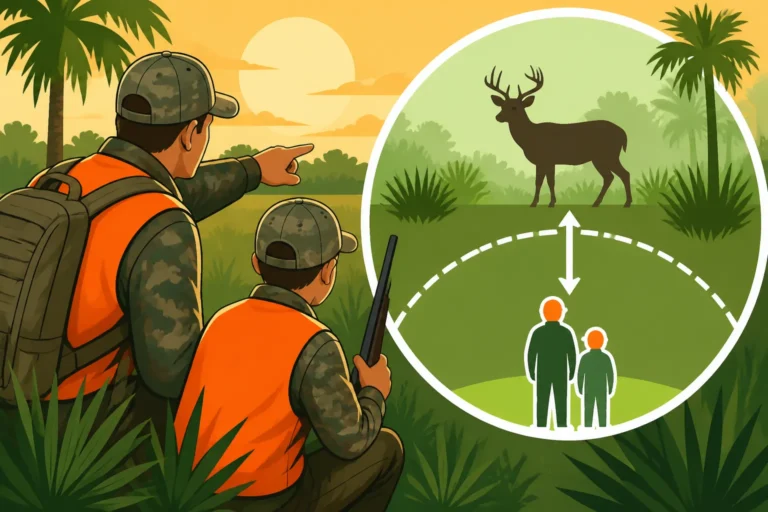
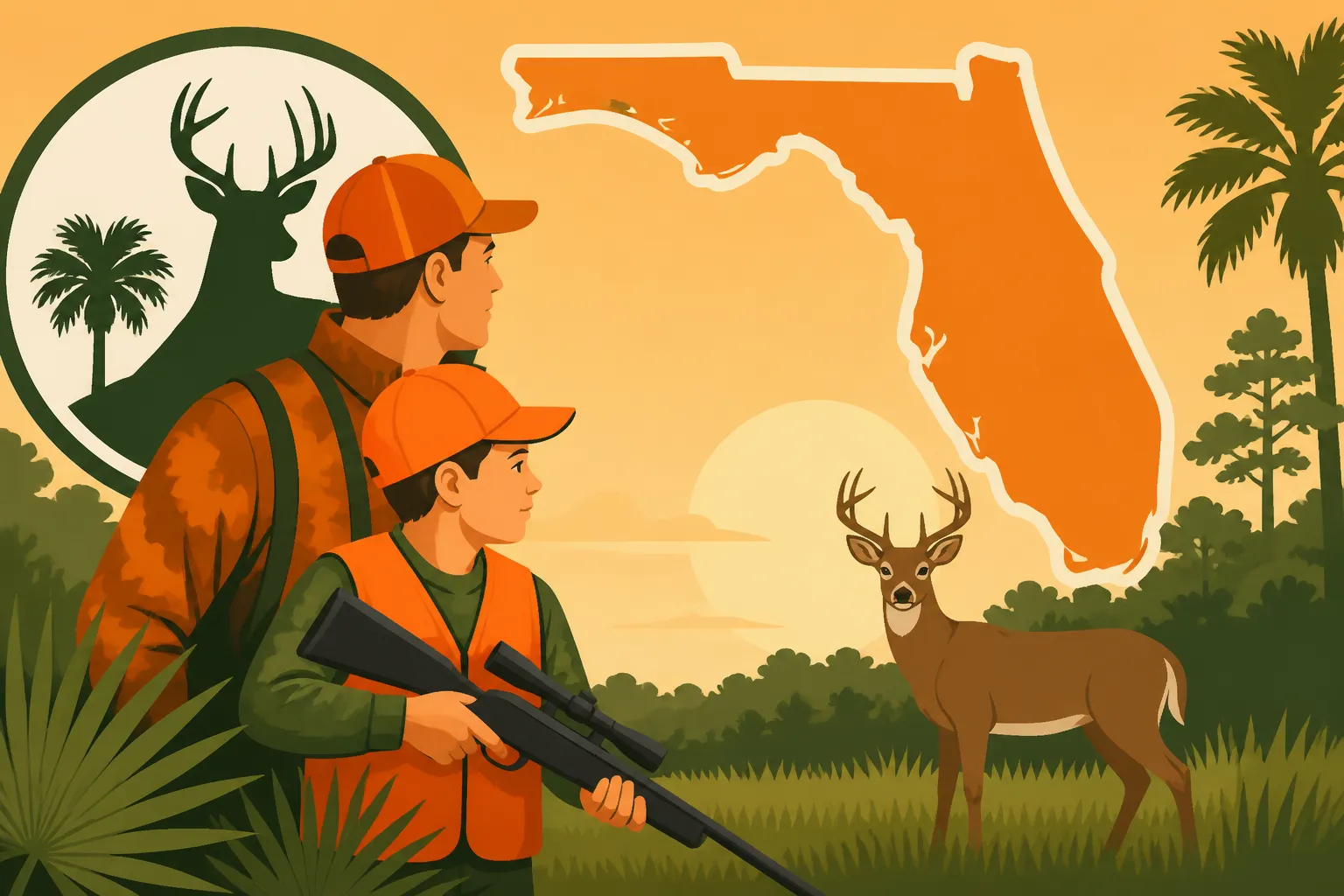
The Mentored Youth Hunting Program is a game-changer for parents wanting to introduce their kids to hunting. It allows youth under 16 years of age to hunt deer, small game, and migratory birds without needing a hunter safety certification, provided they are supervised by a licensed adult who is at least 18 years old. This isn't just about tagging along; it's about active, hands-on learning with a seasoned hunter. The supervising adult must have a valid Florida hunting license and remain within "arm's reach" of the youth hunter at all times. This close proximity rule ensures immediate intervention if needed, be it for safety, instruction, or ethical guidance. It's designed to make sure every shot taken, every stalk attempted, and every piece of game handled is done so with the utmost care and knowledge. It's also a great way for mentors to gauge a child's readiness for hunting, ensuring they are mentally and physically prepared for the responsibilities involved before they venture out on their own.
Key Dates for Florida's Youth Deer Hunts
Florida's deer hunting seasons can be a bit of a jigsaw puzzle with its four distinct zones. However, when it comes to youth deer hunts, the state aims for a more unified approach to simplify things for families.
The Statewide Youth Deer Hunt Weekend
The most significant event for young deer hunters in Florida is the dedicated Statewide Youth Deer Hunt Weekend. This special two-day season is specifically set aside for hunters 16 years of age and younger, and it typically occurs before the general gun season opens in most zones. For instance, many years see this youth weekend falling in late October or early November. This timing is fantastic because it gives youth hunters a chance to experience the woods when deer might be less pressured and weather conditions are often more favorable.
During this special weekend, youth hunters can harvest antlered deer, and in some areas, antlerless deer may also be permitted depending on local regulations or specific WMA rules. The rules regarding bag limits and antler point restrictions (if applicable) for the general season usually apply to this youth weekend as well, so it’s always wise to double-check the current year’s FWC regulations. This weekend is a highlight for many families, offering a focused opportunity to create lasting memories in the field without the heavier competition often found during the peak of general season. Make sure to consult the Florida FWC website or the annual hunting regulations booklet for the exact dates, as they can shift slightly year to year.
Zone-Specific Considerations and Overlaps
While the Statewide Youth Deer Hunt Weekend is largely uniform, it's important to remember that Florida's deer management is divided into Florida's Four Deer Management Zones Explained. Each zone—Zone A, Zone B, Zone C, and Zone D—has its own unique general season dates and even different rut timings. While the youth weekend often precedes these, some local variations or specific Wildlife Management Area (WMA) opportunities might exist. For example, some WMAs might offer additional youth-only quota hunts or special opportunities that align with their specific management plans.
It's crucial for parents to check the regulations for the specific county or WMA they plan to hunt in, even during the statewide youth weekend. While the general rules apply, there might be particular nuances regarding antlerless deer harvest or specific legal weapons allowed only on certain public lands. Utilizing resources like the FWC app or detailed maps on platforms like GoHunt can help you navigate these regional differences and identify prime spots that align with youth hunting opportunities. Understanding these subtle variations will ensure your hunt is fully compliant and maximizes the chances of a successful and legal outing for your young hunter.
| Florida Deer Management Zone | General Archery Season Opener (Approx.) | General Gun Season Opener (Approx.) | Statewide Youth Deer Hunt Weekend (Approx.) |
|---|---|---|---|
| Zone A | July 27 | September 21 | Late October / Early November |
| Zone B | September 14 | November 9 | Late October / Early November |
| Zone C | September 21 | November 23 | Late October / Early November |
| Zone D | October 26 | December 7 | Late October / Early November |
Note: The Statewide Youth Deer Hunt Weekend dates are generally uniform across all zones and typically precede the general gun opener. Always verify specific dates and regulations with the current year's FWC Hunting Regulations booklet.
Legal Weapons and Equipment for Young Hunters
Ensuring your youth hunter is equipped with the right gear and using legal weapons is paramount, not just for compliance but for safety and effectiveness. Florida has clear guidelines on what's permissible, and these are especially important when considering smaller frames and developing skills.
Approved Firearms, Archery Gear, and Crossbows
When it comes to legal weapons for youth deer hunts, Florida largely mirrors its general season regulations, but with an emphasis on appropriate use and safety for younger shooters. For firearms, this means centerfire rifles, shotguns (20-gauge or larger), muzzleloaders, and handguns are generally permitted. However, it's incredibly important to choose a caliber or gauge that is manageable and safe for your child. A smaller-statured youth might struggle with the recoil of a large-caliber rifle, impacting accuracy and fostering a flinch. A .243 Winchester, 6.5 Creedmoor, or a 20-gauge shotgun with appropriate ammunition often makes for a much more comfortable and successful experience for a young hunter than trying to handle a .30-06.
For those interested in alternative methods, youth hunters can also participate using bows or crossbows, especially during the archery and crossbow seasons that may overlap or be accessible during specific WMA youth hunts. Legal Weapons During Florida Archery Season clarifies what's allowed in terms of draw weight and broadhead types, and these same principles generally apply to youth. The key is finding a bow with a manageable draw weight and length, or a crossbow that can be safely cocked and handled by the youth hunter, ensuring they can hold steady and make an ethical shot. Teaching them about shot placement is critical, regardless of the weapon choice.
Essential Safety Gear and Blaze Orange Requirements
Safety is always the top priority, and that starts with the right gear. For any firearm hunting in Florida, hunters are required to wear a minimum of 500 square inches of solid blaze orange above the waist. This rule applies equally to youth hunters and their adult mentors, ensuring maximum visibility in the field. This isn't just a legal requirement; it's a vital safety measure, especially on public lands where other hunters may be present. Beyond blaze orange, eye and ear protection are non-negotiable for target practice and live firing. Even if your child isn't pulling the trigger, they should wear hearing protection while in the vicinity of gunfire.
Other crucial safety gear includes a good quality backpack for carrying water, snacks, and a first-aid kit. A reliable flashlight or headlamp is essential for early morning walks in or late evening walks out. Teaching your child how to use a compass or a GPS device, perhaps integrated into a mapping app like GoHunt, can be a valuable life skill and a safety net in case they become disoriented. Emphasize the importance of communicating their location and sticking to a plan. Remember, the goal is not just a successful hunt but a safe return home with positive memories. You can find more detailed information on Florida Blaze Orange Requirements in our other resources.
The Critical Role of Mentorship and Supervision
Florida's youth hunting regulations are built on the foundation of mentorship. It's not just about compliance; it's about passing on knowledge, ethics, and a deep respect for wildlife and the outdoors. This direct supervision aspect is what makes youth hunts so special and impactful.
Defining a Qualified Adult Mentor
For a youth hunter to participate, especially if they haven't completed their hunter education course, a qualified adult mentor is essential. The Florida Fish and Wildlife Conservation Commission (FWC) defines a qualified mentor as any licensed hunter who is 18 years of age or older. This means that if you, as a parent or guardian, hold a valid Florida hunting license, you meet the criteria. It’s not just about carrying a license, though. A true mentor embodies ethical hunting practices, demonstrates patience, prioritizes safety above all else, and is knowledgeable about local regulations and wildlife. They are the guide, the teacher, and the role model in the field.
The mentor is responsible for ensuring the youth hunter understands and adheres to all hunting laws, including bag limits, antler point restrictions, and safety protocols. This isn't a passive role; it's an active one, requiring constant engagement and instruction. This could be a parent, an older sibling, a grandparent, or another trusted adult family friend. The key is that this individual is not only legally compliant but also deeply committed to providing a positive, educational, and safe hunting experience for the youth. The spirit of the Florida Mentored Youth Hunting Rules is all about this transfer of wisdom and fostering a love for conservation.
Understanding the "Close Proximity" Rule
One of the most important aspects of youth supervision in Florida is the "close proximity" rule, particularly for those hunting under the Mentored Youth Hunting Program. The FWC requires that the supervising adult remain within "arm's reach" of the youth hunter at all times while hunting. This isn't a suggestion; it's a strict requirement. This rule is designed for immediate intervention: if a dangerous situation arises, if the youth needs help with their firearm or bow, or if there's a question about shot placement, the mentor is right there.
This level of closeness means the mentor is an active participant in every decision and action. They're helping glass for deer, whispering instructions on how to move silently, confirming target identification, and ensuring the shot is ethical and safe. It's a hands-on learning environment. For older youth who have completed hunter education, while the "arm's reach" rule might relax slightly depending on the specific hunt type or WMA rules, direct supervision and guidance from an experienced adult are still highly recommended. Remember, the goal is to build confidence and competence in the young hunter, and that comes from direct, consistent mentorship.
Licensing, Permits, and Deer Reporting for Youth
Navigating the administrative side of hunting can be tedious, but it's a non-negotiable part of the process. For youth hunters, Florida has made some thoughtful exemptions and streamlined some procedures, but there are still important steps to follow.
Youth License Exemptions and Requirements
One of the great benefits for young hunters in Florida is that residents 16 years of age and younger are generally exempt from needing a hunting license and most associated permits, except for migratory bird permits (like the Federal Duck Stamp and HIP certification) if they are hunting migratory birds. This exemption for deer hunting applies to both the Statewide Youth Deer Hunt Weekend and during regular open seasons when hunting under direct adult supervision. However, it's always a good idea for the youth to carry some form of identification, like a state ID or student ID, to verify their age if questioned by law enforcement or FWC officers.
For the supervising adult, a valid Florida hunting license is absolutely required. This typically includes a Florida Resident Base License Cost and any necessary endorsements like the Deer Permit. If hunting on public lands, the adult will also need a Florida WMA Management Area Permit. While the youth themselves might be exempt from buying these, their participation hinges on the adult mentor having all the proper paperwork in order. This structure removes a financial barrier for youth participation while still ensuring that an accountable, licensed adult is overseeing the hunt.
Deer Reporting Process for Youth Harvests
Once your youth hunter has successfully harvested a deer, the responsibility of reporting that harvest falls to the supervising adult. Florida has a mandatory deer harvest reporting system in place, and this is crucial for wildlife management purposes. The easiest and most common way to report a deer harvest is through the FWC Fish/Hunt Florida mobile app or online via the FWC website. This process needs to be completed within 24 hours of harvesting the deer and before processing the carcass.
When reporting, you'll need to provide information such as the date of harvest, the county and WMA (if applicable) where the deer was taken, whether it was antlered or antlerless, and the method of harvest. It’s a straightforward process, but it's important to do it accurately and on time. This data is vital for the FWC to monitor deer populations, track harvest trends, and make informed management decisions for future seasons. Teaching your youth hunter the importance of this step instills a sense of responsibility and contributes to the overall conservation effort. Our guide on Reporting a Deer Through Florida's App provides a step-by-step walkthrough.
Planning and Executing a Successful Youth Hunt
Beyond the rules and regulations, the true success of a youth deer hunt lies in the planning, preparation, and the overall experience you create for your young hunter. It’s about more than just pulling a trigger; it’s about fostering a lifelong appreciation for the outdoors.
Scouting, Preparation, and Ethical Considerations
A successful youth hunt often begins long before opening day. Scouting Florida Public Land Before Season or even private land is incredibly important. Take your child with you to scout, looking for deer sign like tracks, rubs, scrapes, and feeding areas. Show them how to Reading Aerial Photos for Florida Deer to understand terrain and potential deer travel corridors. This hands-on involvement builds excitement and gives them a sense of ownership in the hunt. Discuss what makes an ethical shot, emphasizing patience and waiting for the right opportunity. It’s okay if they don’t get a deer; the experience of scouting and learning is just as valuable.
During this preparation phase, practice with their chosen weapon is non-negotiable. Spend time at the range, making sure they are comfortable and proficient with their rifle, shotgun, or bow. This builds confidence and significantly increases the chances of a clean, ethical harvest. Talk about what to do after a shot – waiting patiently, tracking, and the process of field dressing. This proactive preparation not only makes the hunt safer but also sets realistic expectations, reducing pressure on the young hunter to "get something."
Prioritizing Safety, Enjoyment, and Lasting Memories
When the hunt day arrives, remember that the experience itself is far more important than the harvest. Prioritize comfort and enjoyment. This might mean choosing a comfortable ground blind over a treestand, especially if the youth is new to hunting or prone to fidgeting. Using a Ground Blind on Florida Public Land can offer warmth, concealment, and the ability to move a bit more without spooking game. Pack plenty of snacks, drinks, and maybe even a book or small game for quiet moments in the stand. Patience is key, both for the mentor and the mentee.
Emphasize safety constantly, from proper firearm handling to maintaining situational awareness. Talk about wildlife, point out different birds, and explain the natural processes happening around you. Share stories of your own hunting adventures, both successful and challenging. If a deer presents itself, guide them through the process, but always defer to their judgment if they feel uncomfortable with a shot. If they pass on a shot, praise their decision to be ethical. The goal is to build a positive association with hunting, not to force a harvest. These shared moments, whether it's the quiet sunrise, the rustle of leaves, or the thrill of seeing a deer, are what truly forge lasting memories and instill a deep respect for Florida's rich hunting heritage.
Disclaimer
Please note that hunting regulations are subject to change. While this guide provides comprehensive information based on current Florida Fish and Wildlife Conservation Commission (FWC) rules, it is the hunter's responsibility to verify all regulations with the most recent FWC annual hunting regulations booklet or their official website before participating in any hunting activity. This content is for informational purposes only and should not be considered legal advice.