Florida Dove Season Zones
There's nothing quite like the excitement of Florida's dove season opener. You've got that crisp-ish air (well, as crisp as it gets in Florida in September!), the smell of gunpowder, and the camaraderie of friends and family gathered in a field. But let's be honest, figuring out the specific Florida dove season zones and their myriad dates can feel like trying to hit a fast-flying teal with a slingshot—confusing and often frustrating. This guide is here to untangle all that, giving you a clear flight path to a successful dove hunt.
Understanding Florida's Dove Hunting Landscape
Florida's vast and varied landscape, from the Panhandle's rolling hills to the southern agricultural plains, creates unique challenges and opportunities for dove hunters. The state's approach to dove season, dividing it into distinct zones, is designed to accommodate these regional differences, but it often leaves hunters scratching their heads.
Why Florida Utilizes Multiple Zones
The primary reason Florida uses multiple zones for migratory bird hunting, including doves, boils down to biological and geographical considerations. Florida is a long, narrow state, stretching over 400 miles from north to south. This significant latitudinal span means that weather patterns, agricultural cycles, and the timing of dove migrations can vary dramatically between, say, Pensacola and Immokalee. Birds might be staging for migration in the Panhandle while still breeding in South Florida. The zones allow the Florida Fish and Wildlife Conservation Commission (FWC) to set season dates that align better with local dove populations and migratory patterns, aiming to maximize hunting opportunities while ensuring sustainable harvest. It's a pragmatic approach, even if it feels like a puzzle sometimes when you're just trying to plan a weekend trip.
The Different Dove Species You'll Encounter
When you're out in a Florida dove field, you'll primarily be targeting mourning doves. These are the classic, fast-flying birds that most hunters picture when they think of dove hunting. They're abundant across the state and provide incredible sporting opportunities. However, it's also common to encounter white-winged doves, especially in central and south Florida. White-wings are generally a bit larger, with a distinctive white patch on their wings that's quite noticeable in flight. They often prefer more urban or suburban habitats but are increasingly found in agricultural settings. While less common, you might also occasionally see Eurasian collared-doves. These are an invasive species, generally larger and lighter-colored than mourning doves, and thankfully, there are no bag limits on them in Florida, which means you can shoot as many as you want without affecting your mourning dove tally. Just be sure you can correctly identify your target before pulling the trigger!
Common Frustrations with Zone Ambiguity
Let's be real, the zone system can be a royal pain. You've got your calendar marked for opening day, you've taken time off work, and then you realize the WMA you planned to hunt is in a different zone with entirely different dates. Or maybe you've got friends scattered across the state, and coordinating a group hunt becomes a logistical nightmare because half of you are in the North Zone and the other half are in the Central. It’s not uncommon to hear tales of hunters accidentally showing up on the wrong weekend or having to make last-minute changes to their plans because they misread the FWC regulations. The overlap in some areas, or the arbitrary lines drawn on a map, can be incredibly confusing, especially for new hunters or those traveling across county lines. It adds an extra layer of planning that, frankly, most of us would rather spend scouting fields or practicing our swing. This is where tools like GoHunt, with their detailed mapping capabilities, can be a real lifesaver for clarifying those boundaries.
Delving into Florida's Primary Dove Zones
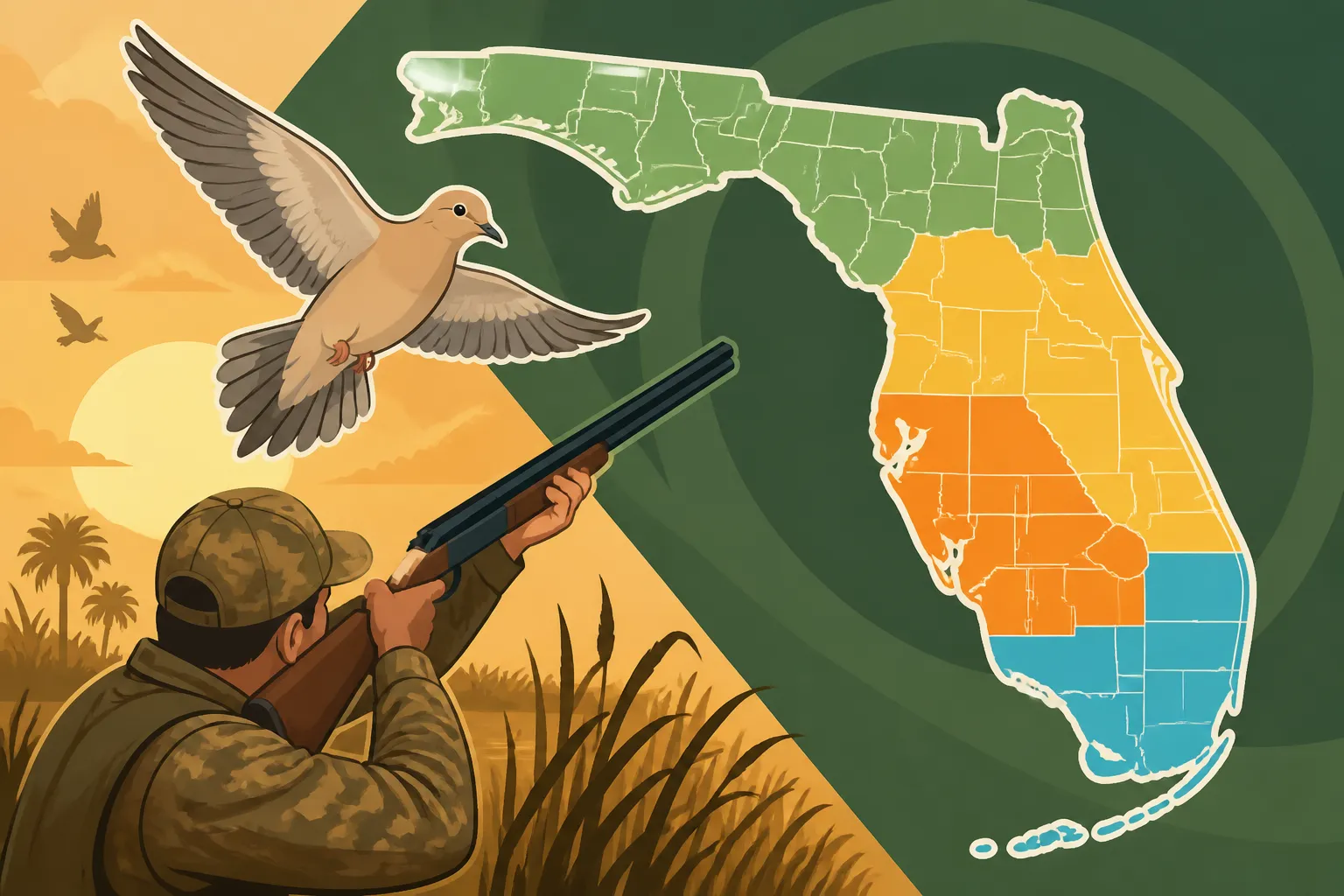
Florida is divided into three main dove hunting zones: North, Central, and South. Each zone has its own set of opening and closing dates, often with multiple splits throughout the season. Knowing which zone your preferred hunting grounds fall into is the absolute first step in planning your hunt.
The North Zone Breakdown
The North Zone generally encompasses the Panhandle and much of North Florida. Think of areas around Tallahassee, Jacksonville, and Gainesville. This zone typically sees the earliest opening dates for dove season, often kicking off in early September. The logic here is that these northern areas experience cooler weather earlier and are on the main migratory path for birds heading south. Hunters in the North Zone often get the first crack at fresh migratory birds, which can make for some incredible action right out of the gate. However, these early hunts can also be brutally hot, testing the endurance of both hunters and dogs. It’s crucial to remember that while the North Zone typically opens first, it also often has subsequent season segments later in the fall and winter, so don't pack away your dove gear after the first few weeks. If you're near the Georgia border, expect patterns similar to what you'd find just across the state line.
Central Zone Specifics
Moving south, the Central Zone covers a broad swath of the state, including major metropolitan areas like Orlando and Tampa, and extends down into the heart of Florida's agricultural belt. This zone usually opens a bit later than the North Zone, often a week or two into September, sometimes coinciding with the Florida Dove Season Opening Day. The hunting here can be fantastic, especially in areas with extensive agricultural operations like corn, sunflower, or peanut fields, which provide prime feeding grounds for doves. The weather in the Central Zone during the early season is still very warm, so hydration and managing heat stress are paramount. Later splits in the Central Zone can offer excellent hunting as more migratory birds push into the state and local populations congregate on winter food sources. This is a popular zone for hunters who live in the more populated areas, offering plenty of opportunities if you can secure access to good private land or find productive public fields.
South Zone Characteristics
The South Zone is where you'll find the warmest temperatures and the latest opening dates, often pushing into late September or even early October for its initial phase. This zone includes areas like Fort Myers, West Palm Beach, and south to the Everglades. Because of the persistent warm weather, the season here often runs later into the winter months, providing opportunities when other parts of the state have already closed. The landscape in the South Zone is often characterized by vast sugar cane fields, vegetable farms, and citrus groves, all of which can attract large numbers of doves. White-winged doves are more prevalent here, adding an exciting dimension to the hunt. If you're looking for a warm-weather dove hunt deep into the year, the South Zone is your best bet. However, expect to contend with heat and mosquitoes, even in what passes for Florida's winter.
Key Dates and Season Splits for Each Zone
Understanding the season dates is perhaps the most critical piece of information for any dove hunter in Florida. These dates are subject to change slightly year to year, so always double-check the current FWC regulations. However, the general structure of early, mid, and late-season splits remains consistent.
Navigating the Early Season Openers
The early season openers are almost universally the most anticipated days on the dove hunting calendar. For the North Zone, this usually means the first Saturday in September, kicking off the migratory bird season with a bang. The Central Zone follows, typically a week or two later, and then the South Zone concludes the staggered opening, often in late September or early October. These early periods are characterized by high bird numbers, as local populations haven't been heavily pressured yet, and the first waves of migratory birds are arriving. Fields of cut corn, sunflowers, millet, or even wheat stubble are magnets for doves during this time. Success during the opener often comes down to scouting, being in the right place at the right time, and having a good shooting dog. It's also when you'll encounter the most hunting pressure, especially on popular public fields, so plan to arrive early to secure your spot.
Mid-Season and Late-Season Opportunities
Don't despair if you miss the opener, or if the initial flurry of birds moves on. Florida's dove season is structured with multiple splits, providing fantastic hunting opportunities well into the fall and winter. After the initial early season, there's often a break, allowing birds to redistribute and pressure to subside. The mid-season might open again in October or November, offering cooler weather and potentially new waves of migratory doves. The late season, which can run through December and even into January in some zones, can be incredibly productive. Birds that have evaded hunters for months are often tougher to decoy, but they are also more concentrated on reliable food sources. Fields that were hot early might be barren now, and vice-versa. Hunters during these later splits often find success by focusing on smaller, less obvious pockets of habitat, such as isolated food plots or edges of swamps, especially after a cold front pushes birds south. This is also a great time to implement tactics like Pass-Shooting Doves on a September Field as birds become warier.
Special Youth Dove Hunts
Florida is dedicated to fostering the next generation of hunters, and special youth hunting opportunities are a crucial part of that effort. Many WMAs and private lands host designated youth dove hunts, often occurring before the general season opens or during specific weekend splits. These hunts provide a safer, less pressured environment for young hunters to learn the ropes, practice their shooting, and experience the thrill of the hunt. These opportunities often mirror the structure of Florida Youth Deer Hunt Rules, emphasizing mentorship and safety. Adults accompanying youth hunters in these designated events often have specific restrictions on their participation (e.g., they can load but not shoot, or have reduced bag limits). Always check the FWC regulations for specific dates, locations, and rules regarding youth dove hunts, as they can vary annually and by specific management area.
Here's a general overview of Florida's Dove Season Zones and typical dates. Always consult the current FWC regulations for exact dates before planning your hunt, as these can change.
| Zone | Typical Early Season Dates | Typical Second Phase Dates | Typical Third Phase Dates |
|---|---|---|---|
| North Zone | Early September – Mid-September | Late September – Mid-October | Mid-November – Mid-January |
| Central Zone | Mid-September – Late September | Mid-October – Early November | Late November – Mid-January |
| South Zone | Late September – Mid-October | Early November – Late November | Early December – Late January |
Note: These are general ranges. Specific dates, including any splits or breaks, are set annually by the FWC and should be verified.
Navigating Public and Private Land for Dove Hunting
Finding a good dove field can sometimes feel like hunting for buried treasure. Florida offers a mix of public and private land opportunities, each with its own set of advantages and challenges. Knowing where to look and how to gain access is key.
Public Hunting Opportunities on WMAs and State Lands
Florida boasts a significant amount of public land managed for hunting, primarily through the Wildlife Management Area (WMA) system. Many WMAs, especially those with agricultural components or managed fields, offer excellent dove hunting. Some WMAs specifically plant sunflowers, millet, or other dove attractants, or manage old agricultural fields to draw birds. The trick here is often securing a quota permit for popular areas, as many WMAs require them, especially for opening weekend hunts. You can learn more about the application process for these permits through the Florida WMA Quota Permit System. For some WMAs, access might be first-come, first-served, but pressure can be intense. Using the FWC Public Hunting Map is an invaluable tool for identifying potential dove fields on public land, and it helps clarify those sometimes confusing zone boundaries. Always check the specific WMA regulations, as they can have unique rules regarding hunting hours, vehicle access, and even ammunition types.
Securing Private Land Access for Doves
For many Florida dove hunters, private land is where the best opportunities lie. These are typically agricultural fields that have been harvested, or planted specifically for doves. Getting access often means knocking on doors, networking with farmers or landowners, or joining a hunting club. The benefit of private land is usually less pressure and more consistent bird patterns, as landowners can manage habitat and hunting pressure more effectively. If you're looking for private ground, start by identifying areas with suitable habitat—large tracts of active agriculture, especially corn, sunflowers, or peanuts. A polite, face-to-face request, offering to help with chores, share meat, or even pay a small fee, can go a long way. Always be respectful, clean up after yourself, and follow all instructions from the landowner. Remember, gaining trust is essential for long-term access, and word travels fast in rural communities.
Using Mapping Tools like GoHunt
In today's hunting world, digital mapping tools are indispensable, and for finding dove fields or clarifying those tricky zone lines, they're a game-changer. Platforms like GoHunt allow you to overlay property lines, public land boundaries, and even satellite imagery that can reveal potential food sources or flight corridors. You can zoom in on a WMA to see its designated dove fields, or scout private land for cut agricultural plots from the comfort of your home. This is particularly useful for discerning Finding Ground Others Walk Past by identifying subtle features that might hold birds away from heavy pressure. Using these tools, you can pinpoint specific fields, identify access points, and even determine wind directions relative to potential shooting lanes. Before you even set foot in a field, GoHunt can help you formulate a solid plan, saving you countless hours of unproductive scouting. It's a huge step up from flipping through paper maps, especially when trying to confirm which Florida Dove Season Zones you're actually in.
Essential Gear and Tactics for Florida Dove Fields
Dove hunting isn't typically a gear-heavy pursuit, but having the right equipment and a few tried-and-true tactics can significantly improve your success rate and overall enjoyment. You don't need to break the bank, but smart choices make a difference.
Shotgun and Ammunition Choices
For dove hunting, a lightweight 12 or 20-gauge shotgun is the most common choice, allowing for quick swings on fast-flying birds. Semi-automatics or over/unders are popular, offering quick follow-up shots. Choke selection is critical; many hunters start with an Improved Cylinder for the early season when birds are decoying closer or flying predictably, and then switch to a Modified or even Full choke as birds become warier and shots get longer in later seasons. As for ammunition, light target loads in 7 ½ or 8 shot are the standard. They offer sufficient pellet count for doves and are less expensive, which is good because you'll likely be shooting a lot! Federal, Winchester, and Remington all offer excellent dove loads. Consider bringing several boxes, especially for opening day – it’s not uncommon to shoot a flat (10 boxes) in a single good outing.
Field Setup and Decoy Strategies
Your setup in the field can make a huge difference. Doves are creatures of habit, often flying specific routes to and from feeding fields, water sources, and roosts. Positioning yourself along these flight paths is paramount. Look for pinch points, fencerows, isolated trees, or power lines where birds naturally funnel or perch. Good camouflage, whether it's a simple leafy blind, a ground blind, or just sitting still against a tree, helps you blend into the surroundings. Don't underestimate the power of decoys. A spread of dove decoys, especially "mojo" spinning wing decoys, can be incredibly effective at drawing birds into range. Placing decoys on poles to mimic perched birds or along the ground in a feeding pattern can make your setup look more inviting. This strategy is similar to setting up Decoying Wood Ducks in a Cypress Slough, just with different birds and terrain.
Reading the Birds and Adapting Your Approach
Dove hunting isn't just about shooting; it's about observation and adaptation. Pay attention to how the birds are flying. Are they coming in high? Are they skirting a specific tree line? Are they landing short of your decoys? This information should inform your adjustments. If birds are coming in high, you might need to move your position or switch to a tighter choke. If they're landing short, maybe move your decoys closer or adjust your hiding spot. The wind is another major factor, as doves often fly into it when approaching a field. Position yourself with the wind at your back, forcing birds to commit to flying past you as they come in. A good dog for retrieving downed birds is also invaluable, especially in thick Florida cover, preventing lost birds and saving you energy. Remember, doves are migratory, so patterns can change from day to day and even hour to hour; stay flexible and be ready to move if your spot isn't producing.
Staying Legal: Licensing, Stamps, and Regulations
Florida's hunting regulations are designed to ensure safety, fair chase, and sustainable wildlife populations. Ignoring them can lead to hefty fines and loss of hunting privileges, so it's critical to be fully compliant before you step into a dove field.
Required Licenses and HIP Certification
To legally hunt doves in Florida, you'll need a valid Florida hunting license. For residents, this typically means a Resident Annual Hunting License or a Lifetime Hunting License. Non-residents have various options, including an Annual Nonresident Hunting License or shorter-duration licenses. You can find detailed information on Florida Hunting Licenses and What They Cost. In addition to a base hunting license, all migratory bird hunters, including dove hunters, are required to possess a Florida Migratory Bird Permit, which is usually a small annual fee. Crucially, you must also be Harvest Information Program (HIP) certified. This is a federal requirement where you answer a few questions about your migratory bird hunting success from the previous year. This information is used to estimate harvest numbers and manage migratory bird populations nationally. Failure to have HIP certification can result in a violation, so make sure it’s done every year.
Bag Limits and Possession Limits
The FWC sets strict daily bag limits and possession limits for doves to manage populations. For mourning and white-winged doves combined, the daily bag limit in Florida is usually 15 birds. This means you can only harvest 15 doves per day. The possession limit is typically three times the daily bag limit (45 birds), which applies to birds in your immediate possession, while transporting, or at your permanent residence. This is a critical distinction, especially if you're hunting multiple days or storing birds for later consumption. Eurasian collared-doves, being an invasive species, do not have a bag or possession limit; you can harvest as many as you'd like. Always ensure you can correctly identify the species before shooting. Exceeding these limits is a serious offense, so keep count of your birds.
Blaze Orange and Safety Considerations
While blaze orange requirements are often associated with deer hunting, they do apply to certain situations for dove hunting in Florida. During any gun-deer season, hunters on public lands or private lands where deer hunting with firearms is permitted must wear at least 500 square inches of daylight fluorescent orange or blaze pink material above the waist. Even if you're dove hunting, if a gun-deer season is open in that area, you must comply. This is to ensure your visibility and safety, especially when multiple hunting activities might be occurring simultaneously. You can read up on the specifics of Florida Blaze Orange Requirements. Beyond blaze orange, general firearm safety is paramount. Always know your target and what's beyond it, keep your muzzle pointed in a safe direction, and treat every firearm as if it were loaded. When hunting with a group, maintain safe shooting lanes and communicate clearly. Hearing and eye protection are also highly recommended to prevent long-term damage from repeated shotgun blasts.
Disclaimer
Please be aware that hunting regulations, season dates, and zone boundaries can change. While this guide provides comprehensive and up-to-date information based on current knowledge, it is your responsibility to verify all rules and regulations with the Florida Fish and Wildlife Conservation Commission (FWC) directly before participating in any hunting activity. Always consult the most recent FWC regulations handbook or their official website to ensure full compliance.