Florida Deer Season Overlap With Small Game
It’s a unique challenge here in Florida, isn't it? Many of us find ourselves torn between the allure of chasing big bucks and the simple, undeniable joy of a crisp morning squirrel hunt or the explosive flush of bobwhite quail. It can be incredibly frustrating to pore over regulations, trying to figure out if you can truly blend these passions without running afoul of the law or, worse, messing up your chances at either. This guide is all about untangling the complexities of Florida's deer season overlap with small game, helping you understand where and when these opportunities align so you can make the most of your precious time in the woods.
The Dynamic Landscape of Florida's Deer Seasons
Hunting deer in Florida isn't a one-size-fits-all affair, and that's the first thing you need to grasp if you're hoping to mix in some small game. Our state’s unique geography and deer biology mean that the seasons are stretched out and vary significantly depending on where you are. This zonal system is the cornerstone of planning any multi-species hunt.
Understanding the Zonal System's Impact
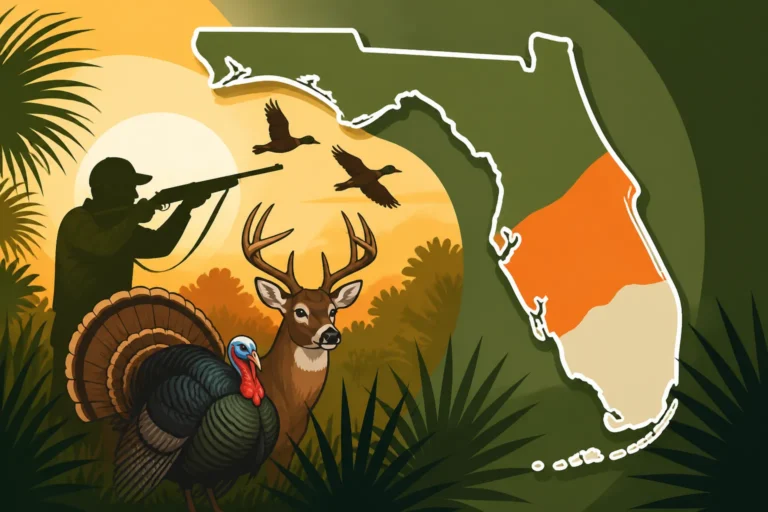
Florida is divided into four distinct deer management zones: A, B, C, and D. Each zone has its own set of opening and closing dates for archery, muzzleloader, and general gun seasons. This isn't just a minor tweak; these zones can be dramatically different. For instance, Zone A, covering much of South Florida, might have its archery opener in July, while the Panhandle's Zone D doesn't see archery season until much later in the fall. This staggered approach means the rut, or breeding season, also happens at different times, influencing deer behavior and, consequently, your hunting strategies.
The implications for small game are profound. If you're planning on Hunting Florida's Zone A Split Gun Season in October, you're looking at different conditions and opportunities than if you're Hunting the Zone B Rut in November. The long lead-up to gun season in some zones, with archery and muzzleloader phases, often means small game seasons are already in full swing. This provides a generous window to pursue multiple species, but it also demands meticulous planning to ensure you're compliant with weapon regulations for the specific season you're hunting. For a deeper dive into the zones, you might want to check out Florida's Four Deer Management Zones Explained.
Weaponry and Legal Frameworks During Deer Season
One of the trickiest aspects of combining deer and small game pursuits is managing the legal weapon requirements. Florida's deer seasons often begin with archery-only periods, transition to muzzleloader, and then open up to general gun. Each phase has specific rules about what you can legally carry and use for deer. This directly impacts your ability to harvest small game simultaneously.
During archery season, for example, you're limited to bows. While you can certainly take small game like squirrels with a small game head on an arrow, it’s a different kind of challenge. When muzzleloader season rolls around, you can carry a traditional or inline muzzleloader for deer. However, if you want to also pursue small game like quail, you'd typically need a shotgun. Can you carry both? In many instances, yes, as long as both weapons are legal for the species and season you are hunting. This often means carefully checking the specific regulations for the Wildlife Management Area (WMA) or private land you're on, as local rules can sometimes be more restrictive than statewide regulations. The key is knowing which weapons are permissible for which species during which specific period.
Key Small Game Seasons and Their Synchronicity with Deer Hunting
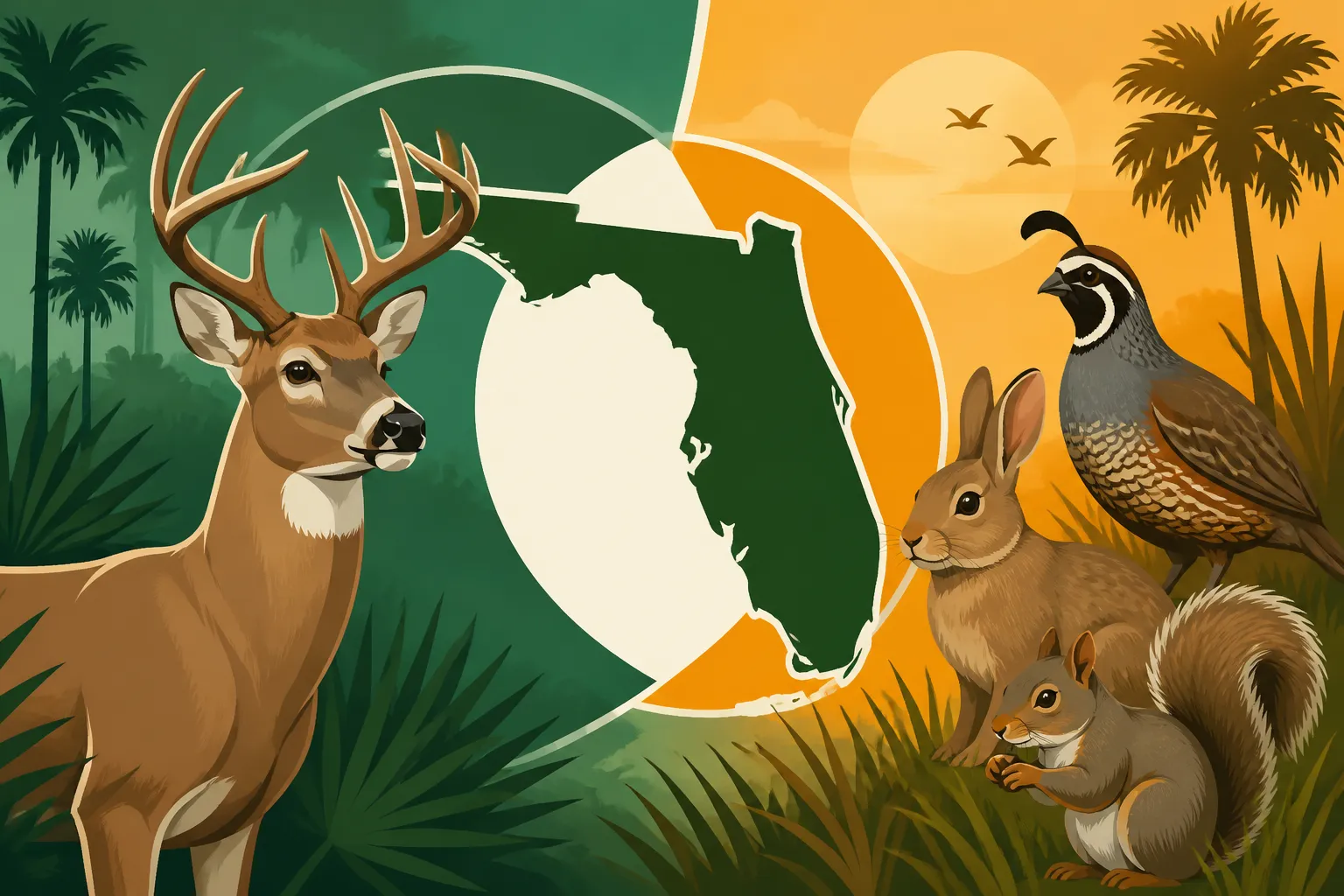
Florida offers a fantastic array of small game, from the bushy-tailed squirrel to the swift bobwhite quail and the challenging dove. The good news is that many of these seasons comfortably overlap with parts of our deer seasons, creating excellent opportunities for hunters willing to multitask.
Squirrel and Rabbit Opportunities
When it comes to consistent overlap, squirrels and rabbits are often your best bet. Florida Squirrel Season Dates typically run for an extended period, starting well before and continuing long after the general gun deer seasons in many zones. This means if you're out still-hunting for deer in a beautiful oak hammock, you'll often have plenty of opportunities to also bag a few squirrels if they present themselves. The habitat overlap here is significant; both deer and squirrels thrive in mature hardwood forests, oak hammocks, and even mixed pine-hardwood stands where mast crops are abundant.
Imagine you're slowly working your way through a Florida palmetto flatwoods, keeping an eye out for deer sign. A rustle in the canopy catches your attention, and there's a gray squirrel busily cutting acorns. With the right small game license and a legal firearm (like a .22 rifle, which many deer hunters might carry for opportunistic small game or dispatching trapped hogs), you can easily fill your small game bag while still maintaining focus on deer. Rabbits, too, often share similar habitat, particularly in dense undergrowth or along field edges adjacent to cover. This continuous season offers a fantastic way to ensure you're always bringing something home from your hunt, even if the deer are playing hard to get.
Quail and Dove Overlaps
Quail and dove seasons present a slightly different overlap dynamic. Florida's Florida Quail Season Dates are generally shorter than squirrel season but often fall squarely within the general gun deer season across many zones. Hunting quail typically involves covering a lot of ground, often with pointing dogs, which can be a much more active and potentially disruptive endeavor than still-hunting for deer. True "combo hunts" where you actively pursue both simultaneously in the same moment can be challenging due to these differing methods.
Dove season, particularly the late second and third phases, can also coincide with deer season. Florida Dove Season Opening Day is usually in September, often before the general gun deer season kicks off in many areas, but later phases can overlap. However, dove hunting usually requires open fields, typically over bait (where legal) or standing crops, which isn't always prime deer habitat. While you might hunt doves in a cut agricultural field and then transition to a nearby wood line for deer, it's more of a sequential hunt than a simultaneous one. The key here is checking WMA regulations, as some areas might have specific days or zones designated for either small game or deer, especially during quota hunts.
Strategic Planning for Multi-Species Success
Successfully combining deer and small game hunting isn't about luck; it's about smart, pre-season planning and adapting your tactics in the field. You're essentially looking for efficient ways to hunt two (or more!) different animals, often with different behaviors and habitat preferences, during the same outing.
Scouting for Dual-Purpose Habitat
Effective scouting is paramount. You need to identify areas that hold both deer and your chosen small game. This often means looking for diverse habitat. Mature oak hammocks bordering dense palmetto thickets are fantastic examples. Deer will utilize the acorns for food and the thickets for bedding cover. Squirrels will be all over the oaks, and rabbits will be in the palmetto. Similarly, pine plantations, especially those with varying ages of timber and some hardwood inclusions, can be magnets for both deer and small game. Deer use the cover and browse, while squirrels and quail can thrive among the pines and wiregrass.
Don't just look for deer tracks; scan the ground for squirrel cuttings, listen for a bobwhite call, or identify areas with natural food sources for both. Tools like GoHunt can be invaluable here. Its mapping capabilities allow you to overlay property boundaries with aerial and topographical views, helping you pinpoint those crucial habitat transitions. You can virtually scout for oak stands or dense cover on public lands or private leases, saving you valuable boots-on-the-ground time. Remember to spend time Scouting Florida Public Land Before Season to understand game movement and identify these prime crossover spots.
Gear Considerations and Field Tactics
Deciding what gear to carry for a multi-species hunt requires careful thought. If you're primarily deer hunting with a rifle, carrying a small-caliber pistol or a compact shotgun can allow for opportunistic small game harvests. Many hunters favor a .22LR pistol or rifle for squirrels and rabbits, which is easily managed alongside their deer rifle. For quail or dove, a breakdown shotgun might be an option, but the bulk can be cumbersome if deer is your priority.
Tactically, a slow, deliberate still-hunt or stand hunt for deer can provide ample opportunities for squirrels or rabbits, as your presence is less disruptive. If you opt for a more active small game hunt, like pushing a thicket for rabbits or working dogs for quail, understand that you'll likely spook any deer in the immediate vicinity. The key is to decide which species is your primary focus for that particular moment. You might start the morning on a deer stand, then switch to a more active small game pursuit mid-day when deer activity traditionally wanes, or vice versa. Always ensure you're aware of and adhering to Florida Blaze Orange Requirements, especially when mixing hunting methods or if other hunters are in the area.
Leveraging Technology and Information Resources
In today's hunting world, information is power. The Florida Fish and Wildlife Conservation Commission (FWC) website is your first and most authoritative source for all regulations, season dates, and WMA-specific rules. Their annual regulations handbook is a must-read. Beyond that, apps and mapping platforms are absolute game-changers.
GoHunt, for example, allows you to meticulously plan your hunt. You can mark potential deer crossings, identify oak stands that will draw squirrels, and even check WMA boundaries and regulations right from your phone. This helps you avoid unknowingly straying into a restricted area or violating a specific WMA's small game rules during a deer hunt. Don't underestimate the power of these digital tools for understanding The Florida WMA Management Area Permit system and its nuances, which can often dictate where and when you can hunt certain species concurrently. Cross-referencing these resources before your hunt can save you headaches and ensure a successful, legal outing.
Navigating the Legal and Ethical Landscape
With the excitement of chasing multiple species, it's easy to overlook the finer points of regulations and ethical conduct. However, these are crucial for a safe and responsible hunting experience, especially when dealing with season overlaps.
Understanding Bag Limits and Reporting Requirements
Each species in Florida has its own specific bag limit, and it's essential to understand that these limits are independent. Harvesting a deer does not affect your ability to take a full limit of squirrels, nor does taking a limit of doves impact your deer tag. Always consult the current FWC regulations for the precise daily and seasonal bag limits for each species you intend to pursue.
While Florida Deer Reporting Requirements are mandatory – you must log your harvested deer through the FWC website or app within 24 hours – most small game species, such as squirrels, rabbits, doves, and quail, do not have individual reporting requirements. However, you do need the appropriate licenses and endorsements, such as a Florida hunting license, a deer permit, and a migratory bird permit (HIP certification) for doves. Keeping track of your bag limits in the field is your responsibility to ensure compliance.
Prioritizing Safety and Respect for Other Hunters
When you're out hunting multiple species, you're often carrying different types of firearms or using different methods, which elevates the need for safety. Always practice strict firearm safety: muzzle control, trigger discipline, positive identification of your target and what's beyond it. Be acutely aware of your surroundings, especially if you're transitioning from still-hunting deer to an active small game hunt.
It's also about respecting other hunters. If you're walking through a deer hunter's area, whether they're in a stand or still-hunting, doing a noisy small game drive could ruin their hunt. Conversely, if you're focused on small game, be aware that deer hunters might be set up quietly nearby. Communication, where possible, and common courtesy go a long way. If you use dogs for small game like quail or rabbits, ensure they are under control and not interfering with other hunters' pursuits. The goal is a positive experience for everyone enjoying Florida's outdoors.
Florida Deer and Small Game Overlap Summary by Zone
To help visualize some of these overlaps, here's a general guide. Keep in mind that specific WMA regulations can vary greatly and always supersede statewide dates. This table is for general gun seasons for deer, which often have the most overlap with small game.
| Deer Management Zone | Deer General Gun Season (General Dates) | Primary Small Game Overlaps (Typical Season) | Notes on Overlap |
|---|---|---|---|
| Zone A (South FL) | Early September – Late October / Early January (split) | Squirrel, Rabbit (Year-round on private land/long season), Dove (late phases), Quail (Nov-March) | Significant overlap with squirrel/rabbit. Dove might be late season. Quail season typically opens mid-gun season. Hunters often combine hog/deer/small game. |
| Zone B (Central FL) | Mid-October – Mid-November / Early December – Early January (split) | Squirrel, Rabbit (Year-round on private land/long season), Dove (late phases), Quail (Nov-March) | Good overlap, especially mid-November through early January. Excellent for combining deer with squirrel or a late-season quail hunt. |
| Zone C (North FL) | Late October – Late November / Mid-December – Late January (split) | Squirrel, Rabbit (Year-round on private land/long season), Dove (late phases), Quail (Nov-March) | Longest general gun season for deer provides extensive overlap with small game. Prime for extended combo hunts into January. |
| Zone D (Panhandle) | Late November – Mid-February | Squirrel, Rabbit (Year-round on private land/long season), Dove (late phases), Quail (Nov-March) | Deer season here is largely synchronized with most small game seasons. This zone offers some of the best overall combo opportunities. |
Note: Feral hogs are unprotected and can be hunted year-round on private lands with landowner permission. On WMAs, hog hunting often follows specific WMA regulations, which can sometimes align with deer or small game seasons.
Disclaimer
Please note: This information is intended for general guidance and informational purposes only. Hunting regulations in Florida are subject to change, and specific rules may vary significantly by Wildlife Management Area (WMA), private land, or specific permits. Always consult the latest official Florida Fish and Wildlife Conservation Commission (FWC) regulations handbook, website, or local FWC office before planning any hunting trip to ensure full compliance with all applicable laws and regulations.