Reporting a Poacher in Florida
It’s a frustrating reality for ethical hunters and conservationists alike: despite all the rules and the sheer effort that goes into managing Florida’s incredible wildlife, there are always a few bad apples who disregard the law, often for selfish gain. Discovering someone poaching, whether it's illegal deer hunting or taking an alligator out of season, can leave you feeling helpless, angry, and unsure of what to do. This guide is here to empower you with the knowledge and steps needed to confidently report a poacher in Florida, ensuring our wild resources are protected for everyone.
The Grave Impact of Poaching on Florida's Wildlife
When we talk about poaching, it’s not just a minor infraction; it's a serious crime that undermines conservation efforts and disrespects the wildlife we cherish. It goes against everything we stand for as responsible hunters and stewards of the land. The Florida Fish and Wildlife Conservation Commission (FWC) works tirelessly, often with limited resources, to manage our game and protect vulnerable species, and poachers directly sabotage these efforts.
Ecological Damage Caused by Illegal Activities
Imagine the meticulous work that goes into managing deer populations, setting bag limits, and establishing specific seasons across areas like the Green Swamp or the vast Ocala National Forest Hunting to ensure sustainable harvest. When poachers take animals out of season or exceed bag limits, they disrupt this delicate balance. They might target prime breeding bucks before they’ve had a chance to contribute to the herd, or they might wipe out a local group of turkeys, impacting future generations. This can lead to localized population declines, skew the buck-to-doe ratio, and even deplete rare or protected species that are already struggling. The long-term consequences can be devastating, making it harder for legal, regulated hunting to thrive.
Economic Loss and Disrespect for Law-Abiding Hunters
Every legal hunter in Florida contributes to conservation through the purchase of licenses and permits. Think about the cost of your Florida Hunting Licenses and What They Cost – that money directly funds wildlife management, habitat restoration, and enforcement. Poachers bypass this system entirely, essentially stealing from the very resource they exploit. This creates an unfair playing field, making honest hunters feel like their contributions are in vain. It also devalues the hunt itself; for those who pour their heart and soul into scouting for deer in the Apalachicola National Forest Hunting or patiently waiting for an Osceola gobbler, encountering a poacher's illegal activity is a slap in the face. It’s a direct insult to the ethics and traditions of hunting, affecting everyone who plays by the rules.
Erosion of Ethical Hunting Values
Hunting in Florida is more than just harvesting an animal; it's a deeply ingrained tradition built on respect for wildlife, the land, and fair chase principles. When poachers operate, they erode these fundamental values. They often employ unethical methods – spotlighting at night, hunting from vehicles, or using illegal weapons – which give hunting a bad name and fuel anti-hunting sentiments among the general public. This can lead to increased scrutiny and tighter regulations, negatively impacting all hunters. Every one of us who participates in Florida Hunter Education Requirements understands that responsible hunting is about stewardship, not just taking. Poaching undermines this critical message, portraying hunters as greedy and lawless, which couldn't be further from the truth for the vast majority.
How to Effectively Report Poaching in Florida
You've seen something suspicious, or maybe you've stumbled upon clear evidence of poaching. Your first thought might be to intervene, but safety is paramount. Your best course of action is always to report it to the authorities. The FWC has robust systems in place, and providing them with accurate, timely information is crucial for their success in apprehending offenders.
The FWC Wildlife Alert Hotline: Your Primary Tool
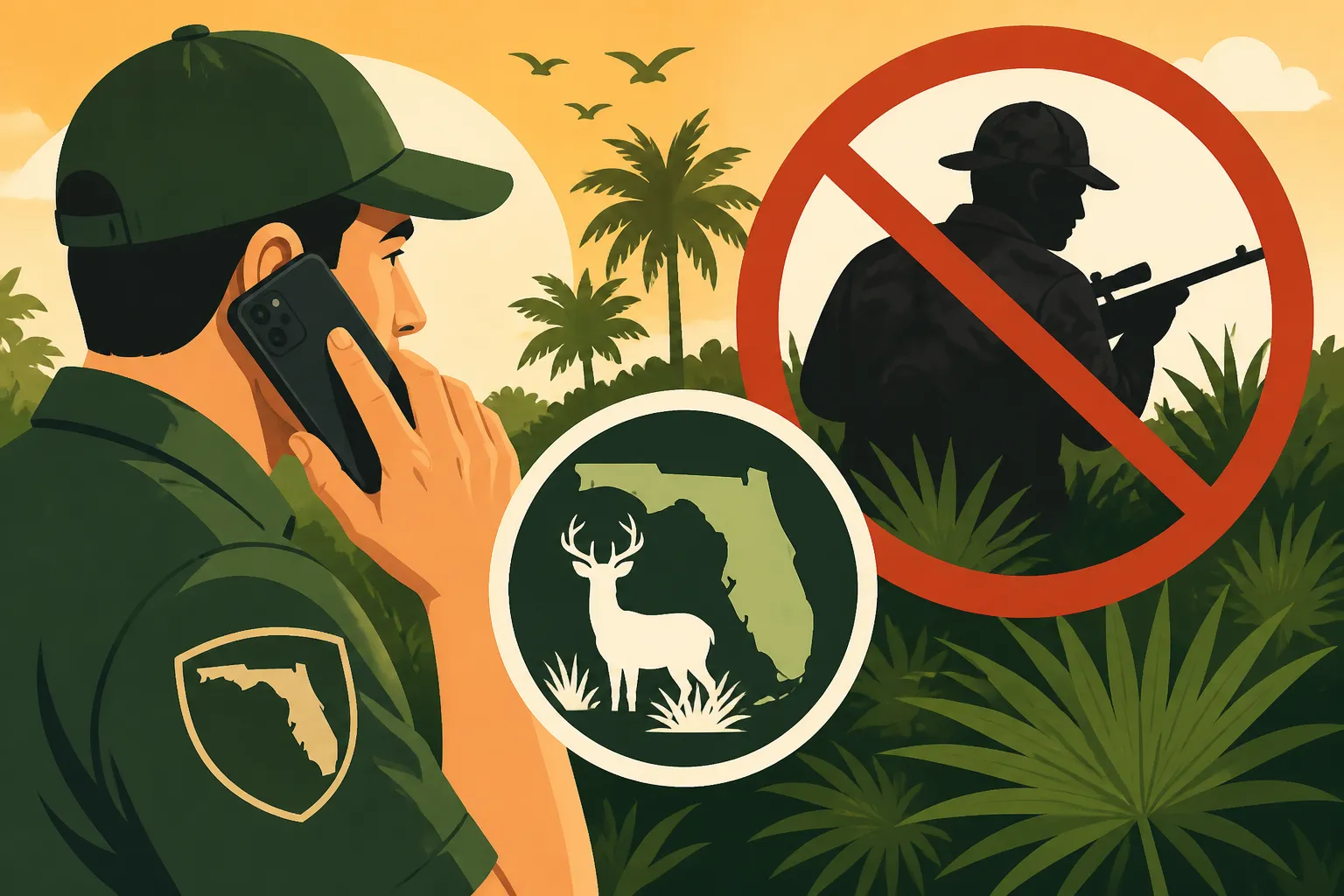
The Florida Fish and Wildlife Conservation Commission operates a dedicated Wildlife Alert Hotline for reporting wildlife violations. This is your go-to resource for immediate or time-sensitive poaching incidents. The number is 888-404-FWCC (3922). It’s staffed 24 hours a day, 7 days a week, so you can call anytime you witness or discover illegal activity. Don't hesitate because you think it's late or on a weekend; these dispatchers are there specifically for situations like this. When you call, be prepared to calmly and clearly relay all the information you have.
Online Reporting and the FWC App
For less urgent reports, or if you prefer to submit information electronically, the FWC also offers an online reporting form through their website. This is particularly useful for incidents you discovered after the fact, such as finding illegal dumpsites of game carcasses or spotting suspicious activity on public lands during your Scouting Florida Public Land Before Season. Additionally, the FWC Fish/Wildlife Reporter App, available for both iOS and Android, provides another convenient way to submit tips directly from your smartphone, often allowing you to include photos or exact GPS coordinates. When using digital tools, make sure to still include as much descriptive text as possible.
What Information to Gather and Prioritize
The more specific details you can provide, the better. When you witness a potential poaching incident, try to observe and mentally note (or discreetly record) as much as possible without putting yourself in danger. Here’s a checklist of critical information that FWC officers need:
- Who: Descriptions of the individuals involved (number of people, physical characteristics, clothing, any distinguishing features).
- What: The specific violation (e.g., hunting deer out of season, shooting from a vehicle, taking too many turkeys). What species was involved?
- Where: The exact location of the incident. GPS coordinates from your phone or an app like GoHunt are incredibly helpful. If not, provide landmarks, road names, WMA compartment numbers, or even mile markers.
- When: The date and time the incident occurred or when you discovered the evidence.
- How: The methods used (e.g., firearms, bows, traps), vehicle descriptions (make, model, color, license plate number if possible), and direction of travel.
- Evidence: Any physical evidence you observed (e.g., shell casings, discarded game parts, blood trails). If you can safely take photos or videos without being detected, these can be powerful.
Remember, your safety is paramount. Never confront individuals you suspect of poaching. Let law enforcement handle the direct interaction. Just focus on observing and reporting.
| Information Category | Specific Details to Collect | Why it's Important for FWC Enforcement |
|---|---|---|
| Suspect Description | Number of individuals, physical appearance, clothing, age, gender, any unique identifiers (tattoos, hats) | Helps identify and locate offenders, establish probable cause. |
| Vehicle Information | Make, model, color, license plate number (CRUCIAL), distinguishing features (e.g., lifted, dents, unique bumper stickers) | Essential for tracking down suspects; vehicles are often key evidence. |
| Location of Incident | Exact GPS coordinates, road names, nearest cross street, specific WMA area, landmarks (e.g., "near the old oak tree by the power line") | Allows officers to respond quickly and investigate the correct area. |
| Date and Time | Day, time of day (morning, afternoon, night) of the incident or discovery | Helps corroborate timelines, confirm illegal hours (e.g., Florida Bear Hunting Hours), and prioritize response. |
| Nature of Violation | Specific game species, number taken, method used (e.g., rifle, crossbow during archery season, bowfishing for Florida Alligators if illegal method), if out of season (e.g., before Florida Alligator Season Opening Date) | Confirms the type of crime, helps determine applicable laws and penalties. |
| Direction of Travel | Where the suspects or vehicle were headed after the incident | Assists officers in intercepting suspects or locating their base of operations. |
| Visual Evidence | Photos or videos (taken safely and discreetly), type of weapons observed, game carcasses | Provides irrefutable proof, strengthens the case, guides investigation. |
What Happens After You Report a Poacher
It’s natural to wonder if your report actually makes a difference. The answer is a resounding yes! Every piece of information helps the FWC build cases and protect our wildlife. The system is designed to protect you, the reporter, while ensuring justice is served.
Anonymity and Protection for Whistleblowers
One of the biggest concerns for people reporting poaching is retaliation. The FWC understands this and offers callers the option to remain anonymous. When you contact the Wildlife Alert Hotline or use the online reporting tools, you are not required to give your name. Your information will be kept confidential, and officers will investigate based on the details you provide, not on your identity. This anonymity is crucial for encouraging people to speak up without fear. FWC officers are trained professionals, and they prioritize the safety of concerned citizens. They will not disclose your identity to the suspects.
The Investigation Process and Its Outcomes
Once a report is made, especially for immediate incidents, FWC law enforcement officers are dispatched to the location. They will use the details you provided to search for suspects, vehicles, and evidence. This might involve patrolling the area, setting up surveillance, or following up on vehicle descriptions or license plates. If they find sufficient evidence or catch individuals in the act, they will initiate an enforcement action, which can range from warnings to citations, arrests, and confiscation of equipment or illegally harvested game.
The legal repercussions for poaching can be significant. Depending on the severity of the violation, penalties can include substantial fines, forfeiture of hunting privileges, mandatory community service, and even jail time. For example, severe violations like commercial poaching or taking endangered species carry felony charges. You can read more about the range of these consequences in Florida Wildlife Violation Penalties. It’s not just a slap on the wrist; the FWC takes these crimes seriously, and your report is often the first step in holding these individuals accountable.
Rewards for Reporting: The Wildlife Alert Reward Association
To further incentivize reporting, the Florida Wildlife Alert Reward Association offers rewards for information leading to the arrest and conviction of wildlife law violators. This isn't about personal gain, but it can be a nice recognition for doing the right thing. The rewards vary depending on the nature and severity of the crime. If you choose not to remain anonymous, you might be eligible for such a reward if your tip proves instrumental in a successful prosecution. It's just another way the state encourages active participation from its citizens in safeguarding Florida’s natural heritage.
Common Types of Poaching in Florida You Might Encounter
Understanding what constitutes poaching can help you identify suspicious activity more easily. It's not always obvious, but sometimes it's blatant. Knowing the rules for legal hunting – like those for Hunting Florida's Four Deer Zones or specific weapon regulations – equips you to recognize when someone is breaking them. Many responsible hunters use tools like GoHunt to stay on top of these complex regulations, which in turn helps them spot illegal activity more readily.
Hunting Out of Season or During Prohibited Hours
This is perhaps the most common type of poaching. Hunters legally operate within strict season dates and hours. Taking a deer in April, for instance, is a clear violation, as deer seasons typically run from late summer/fall through early spring, depending on the zone. Similarly, hunting during the middle of the night (unless it's a specific regulated activity like Night Hunting Hogs With Lights in Florida) is almost always illegal for game species. If you see someone actively hunting or with harvested game outside of established seasons, or hear shots fired in the deep dark hours of the night when no legal season is open, it's worth reporting.
Exceeding Bag Limits and Taking Prohibited Animals
Every species has a daily or seasonal bag limit, like the two-deer-per-day limit for some zones, or specific restrictions on antlered versus antlerless deer. Taking more than the allowed limit is poaching. This often happens when individuals are trying to commercialize game meat or simply disregard regulations. Also, knowingly taking protected species (like Florida panthers, which are highly protected) or even non-game species without proper permits is a serious offense. This includes illegal harvesting of alligators without a permit and CITES tag, which are required as per Applying for a Statewide Alligator Permit guidelines. Be aware of these rules, and if you see someone with an excessive amount of game or a clearly protected animal, report it.
Illegal Hunting Methods and Unlawful Use of Equipment
Florida has specific regulations on what weapons and methods can be used to harvest game. For instance, using a rifle to hunt deer during archery season (unless legally allowed with a special permit or specific crossbow regulations like Crossbow Hunting During Florida's Archery Season are in play) is illegal. Similarly, "spotlighting" – using a bright light to stun deer at night for an easy shot – is a classic poaching tactic. Other illegal methods can include hunting from a public road, using poisons, or illegally trapping game animals. While Trapping Feral Hogs on Florida Private Land is legal under specific rules, trapping protected furbearers or deer is absolutely not. Any method that gives the hunter an unfair, illegal advantage often falls under poaching.
Hunting Without a License or Failure to Report Harvest
Every hunter in Florida is required to possess the proper licenses and permits for the species they pursue. If someone is hunting without the necessary documentation, that's a violation. Furthermore, for species like deer, Florida has Florida Deer Reporting Requirements that mandate hunters to report their harvest within certain timeframes. While not directly poaching the animal, failure to report harvest interferes with FWC's ability to accurately manage populations. If you encounter individuals who seem to be hunting but are cagey about showing licenses or talking about harvest records, it could be a sign of deeper issues. Even seemingly minor violations can point to a pattern of disrespect for wildlife laws.
Being a Responsible Steward: Beyond Reporting Poaching
Reporting poaching is a vital part of being a responsible hunter and conservationist, but it’s just one piece of the puzzle. Our collective actions and attitudes contribute to a culture that values and protects Florida’s wildlife.
Prioritizing Personal Safety When Encountering Suspicious Activity
It's critical to reiterate: never confront a suspected poacher. These individuals are breaking the law and may be unpredictable or armed. Your safety is always more important than a potential arrest. If you encounter suspicious activity in the field, here’s how to prioritize your safety:
- Maintain Distance: Keep a safe distance from the individuals. Do not approach them.
- Observe Discreetly: Try to gather information without drawing attention to yourself. Use binoculars if you have them.
- Do Not Engage: Avoid making eye contact, calling out, or doing anything that might alert them to your presence.
- Move to Safety: If you feel unsafe, quietly and quickly retreat to a secure location where you can make a call.
- Trust Your Gut: If something feels off, it probably is. Don't second-guess your instincts.
By staying safe, you ensure you can effectively report the incident and help the FWC do their job without putting yourself at risk.
Promoting a Culture of Ethical and Law-Abiding Hunting
The best defense against poaching is a strong community of ethical hunters. By upholding the highest standards ourselves, and by educating others, we create an environment where poaching is unacceptable and easily identifiable. This means:
- Lead by Example: Always follow all regulations, seasons, and bag limits, whether you're hunting deer or hogs (even though Hunting Hogs Without a Bag Limit is often allowed, always check local rules). Show respect for wildlife and the land.
- Mentor New Hunters: Teach newcomers the importance of ethical behavior, conservation, and why laws are in place. Share resources like the FWC website and even tools like GoHunt that help them stay informed. Ensure young hunters understand rules like the Minimum Age for Unsupervised Florida Hunting.
- Be Vigilant: Pay attention to your surroundings, both on public lands and near private properties. If you see something that doesn’t look right, don't dismiss it.
- Report, Report, Report: Make it a habit to report any suspicious activity. Even if it turns out to be nothing, it’s better to be safe and let the FWC investigate. Your call might be the missing piece of information they need to catch a repeat offender.
By actively participating in wildlife stewardship and empowering yourself with the knowledge to report effectively, you play a crucial role in safeguarding Florida's incredible natural resources for generations to come.
Disclaimer
The information provided in this guide is for general informational purposes only and does not constitute legal advice. Hunting regulations and laws in Florida can change, and it is the responsibility of every individual to know and comply with the most current FWC rules. Always consult the official Florida Fish and Wildlife Conservation Commission (FWC) regulations or contact them directly for the most accurate and up-to-date information.