Applying for a Statewide Alligator Permit
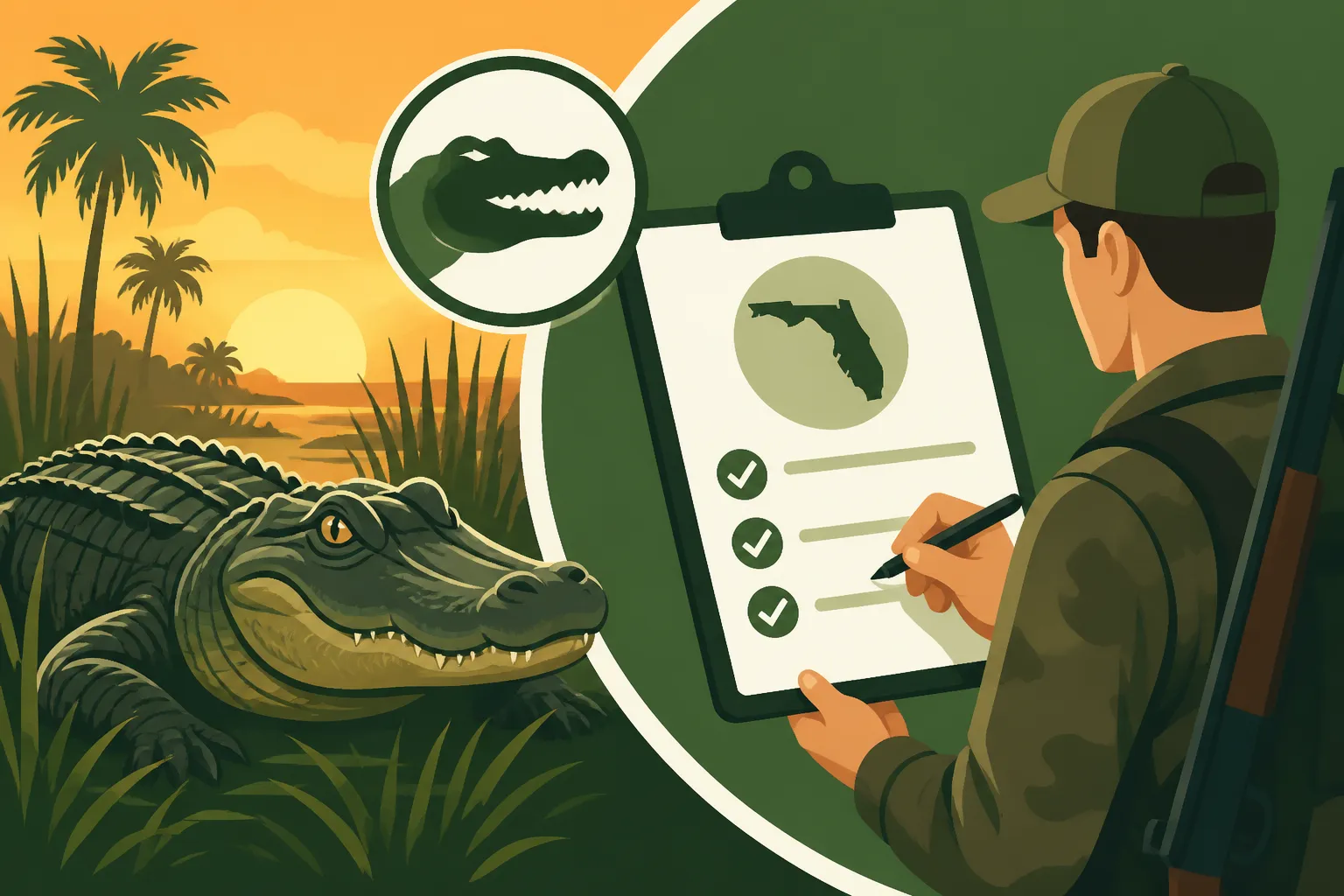
Applying for a statewide alligator permit in Florida can feel like navigating a swamp blindfolded, especially with the various phases, zones, and the sheer competition for a tag. Many hopeful hunters find the process daunting, wondering if they even stand a chance or how to best position themselves for success. This guide is designed to demystify the application process for Florida's statewide alligator hunt, walking you through each step and helping you understand how to improve your odds of drawing a permit.
Understanding Florida's Statewide Alligator Hunt Program
Florida's statewide alligator hunt is a unique and highly anticipated event for many outdoors enthusiasts. It's a carefully managed program designed by the Florida Fish and Wildlife Conservation Commission (FWC) to provide recreational hunting opportunities while ensuring the long-term health and sustainability of the state's robust alligator population. This isn't just about bagging a trophy; it's a critical part of wildlife management that has allowed Florida's alligators to thrive.
Why the Permit System Exists
The Sunshine State is home to an incredible number of American alligators—conservatively estimated at over 1.3 million. While that might sound like a lot, unchecked growth could lead to increased conflicts with humans and an unhealthy ecosystem balance. The statewide hunt serves as a vital management tool, carefully controlling the population through regulated harvest. By limiting the number of permits and assigning specific harvest units, the FWC ensures that the hunting pressure is distributed appropriately, preventing overharvest in some areas and encouraging harvest in others where populations are particularly dense. It’s a testament to effective wildlife conservation that we even have a hunting season for these magnificent reptiles.
Key Components of the Statewide Alligator Hunt
When you apply for a statewide alligator permit, you're not just applying for a "license to hunt an alligator anywhere." You're applying for a specific set of harvest tags that correspond to a designated "Alligator Harvest Unit" and a set time frame. Each permit typically comes with two CITES tags, which are crucial for legal harvest and transport. These tags are your official permission slip, and they must be physically attached to any alligator you harvest immediately after it's dispatched. The season dates vary by unit, but generally, the hunt runs from mid-August through early November. Hunters have options for methods, typically involving hook and line, crossbow, or bang stick, though firearms are usually restricted to dispatching. Understanding these nuances before you even apply is essential, as your choice of unit and season dates will directly impact your hunting experience and success.
Navigating the Statewide Alligator Permit Application Process
The application itself is handled online through the Florida Fish and Wildlife Conservation Commission (FWC) website. While the steps are relatively straightforward, the key is understanding the timing and making informed choices during the application period. Missing a deadline or making a rushed unit selection can drastically reduce your chances of drawing a desirable permit.
Eligibility and Requirements
Before you even think about applying, make sure you meet the basic eligibility criteria. First and foremost, you'll need a valid Florida hunting license. This isn't just for residents; non-residents can also participate, though their license costs are higher. If you were born on or after June 1, 1975, you'll also need to have successfully completed a Florida hunter education course, or possess a hunter education exemption permit. This is a crucial safety requirement, and there are no shortcuts around it. Additionally, you'll need to purchase a separate Alligator Trapping License. Yes, it's called a "trapping" license, even though most people will be using other methods; it's the specific permit that allows for alligator harvest. You can purchase these required licenses directly through the FWC website or at any Florida tax collector's office.
The Application Window and Phases
The FWC's statewide alligator permit application process is structured into several "phases," each with specific deadlines. This phased approach is designed to give applicants multiple chances, with different odds at each stage. Historically, the process kicks off in late May or early June.
- Phase I (First Priority Drawing): This is where your best odds lie, especially if you have accumulated preference points from previous unsuccessful applications. During this phase, you apply for specific harvest units and hunt periods. If you're serious about drawing a permit, this is the phase you must apply in.
- Phase II (Second Priority Drawing): Any permits not allocated in Phase I are available here. Preference points are still considered, but the odds generally decrease as many of the most desirable units might already be taken.
- Phase III (Third Priority Drawing): This is often a random drawing for any remaining permits, with no preference points considered. It's a fresh slate for everyone who didn't draw in earlier phases or is just joining the game.
- Phase IV (Leftover Permits): If any permits are left after the drawings, they are usually offered on a first-come, first-served basis. This is a mad scramble, and permits often sell out within minutes.
Applying during Phase I is absolutely critical for improving your odds. Don't wait until the later phases if you can help it!
Selecting Your Alligator Harvest Unit and Dates
Choosing your alligator harvest unit and hunt dates is arguably the most strategic part of the application. Florida is divided into many different harvest units, each with varying alligator densities, habitat types, and accessibility. Some units, particularly those in areas like the Everglades or specific lakes in Central Florida, are highly sought after due to their reputation for larger gators or easier access.
When making your selections, consider:
- Alligator Population Density: Some units simply have more alligators. The FWC provides historical harvest data and unit information on their website, which can be invaluable.
- Access and Terrain: Will you be hunting public land or do you have private land access? Some units are largely public land, like those in the Apalachicola National Forest Hunting region, while others might require private land permission. Consider the terrain—do you have an airboat, or will you be limited to bank access?
- Pressure and Success Rates: Units with high success rates often see more applicants, making them harder to draw. Sometimes, picking a less popular unit can dramatically increase your chances of getting a permit, even if the average alligator size is slightly smaller.
- Personal Schedule: Make sure the hunt dates you choose align with your availability. Alligator season often overlaps with other popular hunting seasons, like deer or early teal, so plan accordingly.
Tools like GoHunt can be incredibly useful here. They often aggregate FWC data, overlays it on maps, and can help you visualize unit boundaries, historical harvest points, and even show you public land access. This kind of detailed information can make all the difference in making an informed choice, rather than just guessing.
What Happens After You Apply for Your Alligator Permit
The waiting period after applying can be a nail-biter. You've done your research, made your selections, and now it's out of your hands. Understanding the next steps and what to expect if you're successful is crucial for a smooth transition from applicant to hunter.
The Alligator Permit Lottery Drawing
Once the application phase closes, the FWC conducts the lottery drawing. For phases where preference points are considered, the system awards permits to those with the highest point totals first. If multiple applicants have the same high number of points, a random drawing breaks the tie. You earn one preference point for each year you apply unsuccessfully in Phase I, up to a certain maximum. This system rewards persistence, so even if you don't draw your desired unit this year, applying in Phase I helps you build points for future seasons. The results are typically announced online, and successful applicants will receive an email notification. You can usually log into your FWC account to check your drawing status. The excitement of seeing those results pop up can be intense, whether it's relief or a pang of disappointment.
Understanding Your Alligator Permit and CITES Tags
If you're one of the lucky ones, you'll receive your official alligator permit and the all-important CITES tags. CITES stands for the Convention on International Trade in Endangered Species of Wild Fauna and Flora, and these tags are essentially federal identification numbers that track harvested alligators. They ensure that legally harvested animals can be transported, processed, and even sold across state or international borders if desired. Each statewide permit typically comes with two CITES tags, allowing you to harvest two alligators. The cost of these tags is included in your Florida Resident Alligator Permit Cost or Florida Nonresident Alligator Permit Cost, which are paid after you successfully draw. It’s absolutely critical to understand that these tags must be immediately attached to the alligator's tail after harvest and remain there until the gator reaches its final destination for processing. Mishandling or losing a CITES tag can lead to serious legal issues, so treat them with the utmost care.
Preparing for Your Alligator Hunt
Drawing a permit is just the first victory; the real work begins when you start planning your hunt. With your permit in hand, you'll have specific dates and a designated unit. Now is the time to finalize your equipment, scout your chosen area, and decide if you'll be going it alone or with help. If you're new to alligator hunting, consider watching videos on safe handling and dispatch methods, such as using a Harvesting an Alligator With a Bang Stick safely. Many hunters choose to work with a guide, especially if they're unfamiliar with the chosen harvest unit or the unique challenges of alligator hunting. Guides can provide invaluable local knowledge, equipment, and expertise, significantly increasing your chances of success. Looking into a Booking a Guided Florida Alligator Hunt can be a great option for those seeking a more curated experience. Even if you're going self-guided, spend time studying maps, checking access points, and scouting the area for signs of alligator activity. Platforms like GoHunt can provide detailed topographical maps and satellite imagery to aid your scouting efforts, helping you identify potential ambush points or travel corridors.
Maximizing Your Chances in the Alligator Lottery
While the lottery is ultimately a game of chance, there are definitely strategies you can employ to tilt the odds slightly more in your favor. It's not just about luck; it's about making smart, informed decisions throughout the application process.
Strategic Unit Selection
This goes beyond just picking a unit with high alligator numbers. Consider the number of permits allocated per unit versus the historical number of applicants. A unit might have fewer alligators but also significantly fewer applicants, leading to better drawing odds. For example, some units in more remote areas of the Panhandle or South Florida might see less competition than easily accessible Central Florida lakes. Additionally, think about the time of year. Early season dates, especially those in August, tend to be the most popular because alligators are highly active in the warmer water, making them easier to spot and hunt. However, these popular dates also attract more applicants. Sometimes, opting for a late-season tag, when the weather starts to cool, might improve your drawing odds, even if alligator activity might be slightly reduced. Don't be afraid to look at less-glamorous units or time slots if your primary goal is simply to draw a permit.
Applying Early and Consistently
This is a non-negotiable strategy for serious alligator hunters. Always apply in Phase I. By doing so, you're not only entering the drawing with the best possible odds, but you're also accumulating those crucial preference points if you're unsuccessful. Think of preference points as your loyalty reward – the more years you try without success, the better your chances become in subsequent Phase I drawings. While it doesn't guarantee a permit, consistently applying in Phase I significantly increases your long-term prospects. Many successful applicants will tell you it took several years of building points before they finally drew their dream unit.
Exploring the Alligator Super Hunt Option
For those looking for an even more exclusive opportunity, the FWC offers the "Alligator Super Hunt." This is a separate, higher-cost lottery that awards a very limited number of permits for prime alligator hunting locations and extended season dates. It's often seen as the "gold ticket" of alligator hunting, offering unparalleled opportunities, sometimes even for multiple gators or in areas otherwise inaccessible. While the entry cost is considerably higher than the standard permit application (you can check the current Florida Alligator Super Hunt Entry Cost), the odds can sometimes be better simply because fewer people are willing to pay the higher fee. If you have the means and are looking for a premium experience, entering the Super Hunt drawing is definitely worth considering. It's a fantastic opportunity for an unforgettable hunt in some of Florida's best alligator country.
Here's a quick look at the typical application phases:
| Phase | Description | Preference Points Considered | Cost to Apply (Excluding Licenses) | Odds |
|---|---|---|---|---|
| Phase I | First Priority Drawing; best chance for prime units | Yes | Non-refundable application fee | Highest |
| Phase II | Second Priority Drawing; leftover permits | Yes | Non-refundable application fee | Moderate |
| Phase III | Third Priority Drawing; random for remaining permits | No | Non-refundable application fee | Lower, pure chance |
| Phase IV | Leftover Permits; first-come, first-served | No | Full permit & tag fees (if available) | Varies, can be high |
Disclaimer
Please remember that hunting regulations and application periods can change. Always consult the official Florida Fish and Wildlife Conservation Commission (FWC) website or their most current hunting regulations handbook before applying for any permits or heading into the field. This article provides general information and should not be considered a substitute for official FWC guidelines.