Minimum Age for Unsupervised Florida Hunting
It’s a common scenario that many of us parents and mentors face: your child or mentee is absolutely buzzing with excitement about hunting. They’ve gone out with you countless times, they know the ropes, they’ve aced their hunter safety course, and now they’re asking, "When can I finally go by myself?" The truth is, Florida’s hunting regulations around unsupervised youth can be a bit clearer, and navigating them is crucial. This guide is here to untangle the specifics of the minimum age for unsupervised hunting in Florida, ensuring both safety and legal compliance for our aspiring independent hunters.
Understanding Florida's Minimum Age for Unsupervised Hunting
The dream of a young hunter heading out into the Florida wilderness on their own is a powerful one. It represents independence, trust, and a deep connection to the outdoors. But before that can happen, there are clear lines drawn in the sand by the Florida Fish and Wildlife Conservation Commission (FWC) that define when a hunter is truly ready and legally allowed to venture out without an adult by their side. It's not just about knowing how to shoot; it's about legal accountability and maturity.
The 16-Year-Old Threshold
When it comes to the question of hunting unsupervised in Florida, the age of 16 is the golden number. Prior to reaching their sixteenth birthday, a youth hunter, regardless of their experience level or how many times they've been out in the field, is legally required to be under the direct supervision of a licensed adult. This isn't just a suggestion; it's a firm regulation designed to ensure safety and responsible hunting practices.
Many parents might scratch their heads, thinking their 15-year-old, who has hunted since they could walk, is perfectly capable of being alone in a stand. And while their skills might be up to par, the law makes no exceptions. A 15-year-old who possesses a hunter safety card and a valid hunting license still cannot legally hunt by themselves. The moment they turn 16, however, assuming all other requirements are met, that legal door to solo hunting swings open. It’s a significant milestone for any young hunter, marking their official entry into the ranks of independent sportsmen and women in Florida.
The Indispensable Role of Hunter Education
Age 16 might be the minimum for hunting alone, but it’s not the only requirement. For anyone born on or after June 1, 1971, completing an FWC-approved hunter safety course is absolutely non-negotiable if they want to hunt unsupervised. This course is a foundational pillar of responsible hunting in Florida, covering everything from firearm safety and wildlife identification to ethical conduct and legal regulations.
So, while a 16-year-old is legally old enough to hunt by themselves, they must also have their hunter safety certification if they fall into that birthdate category. Think of it as a two-key lock: one key is age, the other is education. Both are needed to unlock unsupervised hunting privileges. It's not enough to just be old enough; you need to demonstrate that you understand the principles of safe and ethical hunting. If you’re planning for your young hunter to eventually hunt independently in Florida, getting that hunter education out of the way is an excellent step, often long before their 16th birthday. You can learn more about the specifics of Florida Hunter Education Requirements as you plan.
Navigating Youth Hunting and Supervision Requirements
The path to independent hunting often begins with years of supervised experiences. These formative years are vital for teaching skills, fostering ethics, and instilling a deep respect for wildlife and the land. Understanding what constitutes legal supervision during this period is just as important as knowing the rules for going solo.
What "Supervised" Actually Means
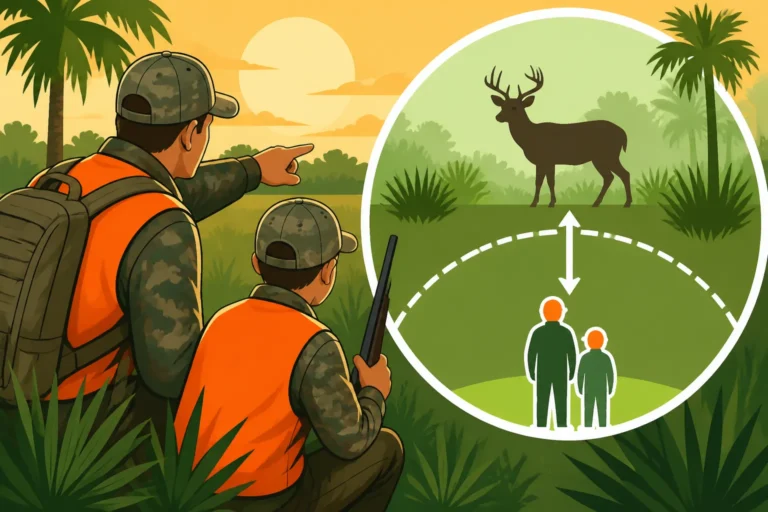
For hunters under the age of 16, the term "supervised" isn't left to interpretation. The FWC is quite clear: the supervising adult must be at least 18 years old and must be present and capable of exercising immediate control over the youth hunter. This isn't just a matter of being in the same general area or even on the same property. It means being close enough to communicate, observe, and intervene if necessary.
Consider a common scenario: a parent places their 14-year-old child in a deer stand 200 yards away while they sit in another stand. While they might be able to communicate via radio or phone, this arrangement generally wouldn't meet the FWC’s definition of direct supervision. The supervising adult typically needs to be with the youth, or at least within very close proximity, actively mentoring and able to take immediate charge of the situation. This ensures that the adult can provide guidance, reinforce safety rules, and assist in any situation that might arise, from game recovery to an unexpected encounter.
The Mentored Youth Hunting Exemption and Its Limits
Florida offers a fantastic program designed to introduce new hunters to the sport without the immediate hurdle of hunter education: the Apprentice Hunter License, also known as the Mentored Youth Hunting Program. This program allows individuals, including those under 16, to hunt without first completing a hunter safety course. However, there's a critical catch directly relevant to our discussion: they must still be supervised by a licensed adult hunter who has completed hunter safety.
While the apprentice license is an excellent tool for getting youth into the woods earlier, it does not grant permission for unsupervised hunting. It merely delays the hunter education requirement for those who are actively learning under an experienced mentor. So, if your 15-year-old has an apprentice license, they can definitely hunt, but you, as the supervising adult, must be right there with them, guiding every step. This makes it a great pathway for supervised learning, but it doesn't change the 16-year-old rule for going out completely on their own. You can delve deeper into Florida Mentored Youth Hunting Rules to understand how this program works, or explore the Florida Apprentice Hunter License Rules specifically. For those supervising, staying aware of your mentee's location is key, and tools like the mapping features in GoHunt can be incredibly helpful to ensure you're always within that critical supervision distance, no matter how thick the Florida scrub.
Practical Implications for Young Hunters and Parents
Understanding the letter of the law is one thing, but putting it into practice in a way that builds a responsible, skilled, and safe hunter is another. For parents and young hunters alike, the journey towards independent hunting is a process of education, experience, and careful planning.
Planning for Independence
For parents, the journey to your child's first solo hunt begins long before their 16th birthday. Encouraging them to take their hunter education course early, perhaps around age 12 or 13, is a smart move. This way, they gain the knowledge and certification well in advance, and it removes one hurdle once they reach the legal age for unsupervised hunting. Early education also means more time for supervised hunts where they can apply what they've learned, hone their skills, and develop sound judgment under your watchful eye.
These supervised hunting experiences are invaluable. They build confidence, reinforce ethical behavior, and teach the nuances of woodsmanship that no classroom can replicate. Think of it as an apprenticeship. The more diverse hunting scenarios they experience with you – whether it's Hunting a Cypress Head at Last Light or Scouting Florida Public Land Before Season – the better prepared they'll be when it's time to head out on their own.
License and Permit Considerations
Even before a young hunter can go out unsupervised, they’ll need the appropriate licenses and permits for hunting in Florida. While they're under 16 and hunting with supervision, they'll typically need a Youth Hunting License. Once they hit that crucial 16-year mark and meet the hunter education requirement, they'll transition to needing their own full set of adult licenses and any specific permits required for the game they pursue, such as deer or turkey tags. This is a good time to review Florida Resident License Options to understand the full suite of licenses and endorsements required.
| Age Group | Hunter Education Required? (If born after 6/1/1971) | Supervision Required? (by 18+ adult) | Can Hunt Unsupervised? | Typical License/Permit Status |
|---|---|---|---|---|
| Under 16 | No (with Apprentice License/Supervision) | Yes (always) | No | Youth License + applicable permits (e.g., deer, turkey, WMA) |
| 16+ (Born on or after June 1, 1971) | Yes | No | Yes | Adult Base License + appropriate endorsements (e.g., Deer, Turkey) |
| 16+ (Born before June 1, 1971) | No | No | Yes | Adult Base License + appropriate endorsements (e.g., Deer, Turkey) |
Keeping track of these requirements can feel like a chore, but resources like GoHunt offer comprehensive state-by-state breakdowns of regulations, making it easier for parents and new independent hunters to stay organized and ensure compliance. This also applies to practical field tools like the FWC’s own app; knowing how to use Using the FWC App Without Cell Service is a vital skill for any independent hunter.
Safety First, Always
The regulations set by the FWC, particularly around age and supervision, are fundamentally about safety. While reaching the minimum age for unsupervised Florida hunting is a legal milestone, true readiness extends beyond mere compliance. It demands a level of maturity, experience, and sound judgment that can only be cultivated over time.
Before any young hunter ventures out alone, it’s paramount that they have an unwavering grasp of firearm safety, game laws, and ethical hunting practices. They should be confident in their ability to make critical decisions, handle unexpected situations, and prioritize safety above all else. This includes understanding seemingly simple things like wearing proper Florida Blaze Orange Requirements to be visible to others. The goal isn’t just to hunt legally, but to hunt safely, ethically, and responsibly, contributing positively to Florida's rich hunting heritage for years to come.
Disclaimer
Please be aware that hunting regulations are subject to change. While every effort has been made to provide accurate and up-to-date information, it is the hunter's responsibility to review the latest Florida Fish and Wildlife Conservation Commission (FWC) regulations before engaging in any hunting activities.