Taking Florida Hunter Education Online
Look, we’ve all been there. You’re excited about hunting in Florida, maybe you’re new to the state, or you’ve always wanted to get into it, but the thought of sitting through endless classroom lectures for hunter education can feel like a real hurdle. Who has that kind of time anymore with work, family, and everything else? This guide is here to cut through the confusion and show you exactly how to tackle Florida's hunter education requirement conveniently online, demystifying the process from start to finish.
Why Florida Hunter Education Matters So Much
It's easy to view hunter education as just another hoop to jump through, a necessary evil to get your license. But honestly, it's far more than that. In a state like Florida, with its unique ecosystems and diverse hunting opportunities, understanding the core principles of safe and ethical hunting is absolutely paramount. It’s about protecting yourself, your hunting buddies, and the incredible wildlife resources we’re lucky enough to pursue.
Understanding the Legal Requirements
First things first, let's talk brass tacks: the law. In Florida, anyone born on or after June 1, 1971, generally needs to complete a hunter safety course before they can purchase a hunting license and hunt unsupervised. There are a few exceptions, like if you're hunting on your own private land with the landowner’s permission, or if you're participating in the Mentored Youth Hunting program. However, for most folks looking to get out into the woods or marshes, that hunter safety card is your ticket.
The Florida Fish and Wildlife Conservation Commission (FWC) is serious about safety, and for good reason. Accidents happen, and proper education can prevent countless mishaps. Think about it: handling firearms, navigating unfamiliar terrain, identifying game species correctly—these all require a solid foundation of knowledge. Without it, you’re not just risking a fine; you’re putting lives at stake. This course ensures you have that essential foundation. You can find more specific details on Who Needs Florida Hunter Education if you're uncertain about your individual situation.
Beyond the Basics: What You Actually Learn
Don't mistake "hunter education" for just learning how to point a gun. While firearm safety is a massive component, these courses delve deep into a wide array of topics that are crucial for any responsible hunter. You’ll learn about different types of firearms and ammunition, how to safely load and unload, and essential storage practices at home and in the field. But it doesn't stop there.
The curriculum often covers wildlife identification, which is particularly important in Florida where many species look similar or have specific bag limits. You'll also explore basic biology and conservation principles, understanding why certain regulations exist and how your actions contribute to healthy game populations. Perhaps most importantly, you’ll learn about hunting ethics – fair chase principles, respecting private property, and the importance of leaving no trace. These are the unwritten rules that define a true outdoorsperson. A thorough understanding of Florida Hunter Education Requirements will give you a detailed breakdown of the curriculum.
Navigating the Online Hunter Education Process
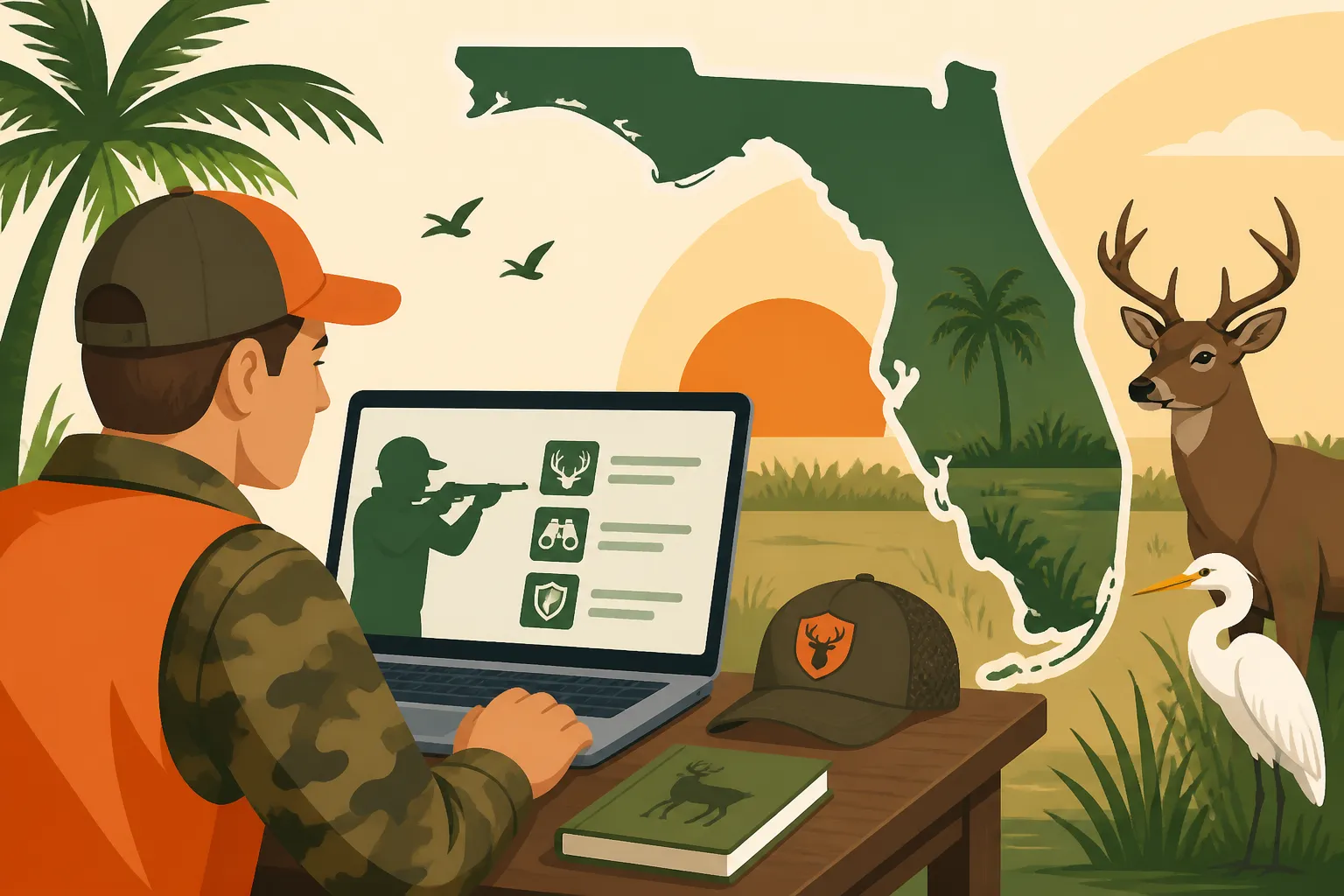
The beauty of living in the digital age is that you no longer have to clear an entire weekend just to sit in a stuffy classroom. Florida, like many states, offers approved online hunter education courses that you can complete at your own pace. This flexibility has been a game-changer for so many aspiring hunters.
Choosing an Approved Online Course Provider
When you decide to go the online route, the first step is to pick an FWC-approved course provider. You can't just take any online course; it needs to be recognized by the state. Some of the most popular and widely accepted options include Hunter-ed.com, which is powered by Kalkomey, and offerings from groups like the NRA or courses endorsed by the International Hunter Education Association (IHEA-USA). Each of these providers offers slightly different interfaces and learning styles, but they all cover the same mandatory curriculum to meet Florida's standards.
When evaluating a provider, look for clear, easy-to-understand content, interactive quizzes, and good visuals. You want a course that keeps you engaged, not one that feels like a drone reading a textbook. A quick search on a platform like GoHunt can often lead you to direct links for these approved courses, helping you compare options quickly. Remember, these courses are designed to be user-friendly, guiding you through modules on everything from basic firearm handling to specific Florida hunting regulations.
What to Expect During the Online Modules
Once you've chosen your provider, you'll typically register and pay a fee (which varies slightly between providers, but generally ranges from $20-$30). The course itself is usually broken down into several chapters or modules, often covering topics like:
- Firearm Safety: The 10 Commandments of gun safety, safe zones of fire, proper handling in various hunting scenarios.
- Hunting Techniques: Basic strategies, shot placement, tracking, and recovery.
- Wildlife Management: Understanding ecosystems, population dynamics, and conservation efforts in Florida.
- Survival and First Aid: What to do if you get lost, basic medical emergencies in the field.
- Regulations and Ethics: State-specific laws, ethical decision-making, and respecting landowner rights.
You can often start, pause, and resume the course whenever it fits your schedule. Got 30 minutes during your lunch break? Knock out a module. Have a quiet evening at home? Dive deeper into the regulations. This flexibility is what makes the online option so appealing. The courses are interactive, featuring videos, animations, and quizzes to test your understanding as you go. You're generally required to pass a quiz at the end of each module before moving on. The goal here isn't to trip you up, but to ensure you're retaining the critical information that keeps you safe and legal in the field.
The Required In-Person Field Day Component
Here’s where a lot of people get confused about "online" hunter education in Florida: it's not entirely online. After you complete the online portion, you must attend a mandatory in-person "Field Day" or "Skill Day" to get your certification. Think of the online course as the theory, and the field day as the practical exam.
During the field day, an FWC-certified instructor will review key safety principles, conduct live-fire exercises on a shooting range (typically with a .22 caliber rifle or shotgun), and evaluate your safe firearm handling skills. This isn't a competitive shooting event; it's about demonstrating competency and adherence to safety rules. You'll practice loading, unloading, carrying, and aiming firearms under supervision. This hands-on experience is invaluable, as it's nearly impossible to truly grasp safe firearm handling without direct instruction and practice.
Finding and registering for a field day is typically done through the FWC website or directly with your online course provider. These days can fill up quickly, especially during peak hunting seasons, so plan ahead! It's also a great opportunity to ask instructors any lingering questions you might have about hunting in Florida, from local game populations to specific Florida Mentored Youth Hunting Rules if you plan to bring along a younger hunter.
Benefits and Challenges of Online Hunter Education
Choosing the online path for your Florida hunter education comes with a unique set of advantages and a few considerations you'll want to keep in mind. It's about finding the balance that works best for your lifestyle and learning preferences.
The Perks of Digital Learning
The most obvious benefit, and the one that draws most people in, is the sheer convenience. You can complete the bulk of the coursework from the comfort of your own home, on your own schedule. This is a massive boon for folks with demanding jobs, families, or those who live far from traditional classroom settings. You don't have to rearrange your life to fit into a rigid class schedule. If you're a night owl, you can study at 2 AM. If you're an early bird, tackle a module with your morning coffee. This flexibility also allows you to spend more time on complex topics, re-reading sections or re-watching videos until you truly grasp the material.
Another perk is the accessibility. For non-residents looking to hunt in Florida or those in rural areas, traveling to an in-person class might be a significant hurdle. Online courses remove this geographical barrier. Plus, the interactive nature of many digital platforms, with quizzes and multimedia, can often be more engaging than a lecture-style class, helping improve retention. Platforms like GoHunt often highlight these benefits, making it easier for new hunters to find the most suitable learning method. The ability to refresh your memory on specific regulations or safety protocols anytime, even after certification, by revisiting course materials, is also a subtle but powerful advantage.
Potential Roadblocks and How to Overcome Them
While online learning offers incredible flexibility, it also demands a certain level of self-discipline. There's no instructor standing over you to make sure you're paying attention or completing the work. You need to set aside dedicated time and stick to it. If you're someone who thrives on external motivation, this might be a challenge.
Technical issues can also crop up. You'll need a reliable internet connection and a working computer or tablet. While most platforms are fairly robust, a glitch in the middle of a chapter can be frustrating. Always save your progress frequently!
Perhaps the biggest hurdle for some is the field day scheduling. While the online course offers flexibility, the in-person field days have limited slots and locations. Depending on where you live in Florida and the time of year, you might need to travel a bit or book several weeks in advance. It's critical to factor this in early in your planning. Don't finish the online course in October only to find the next available field day is in January, missing prime hunting season! Consider options like the Florida Apprentice Hunter License Rules if you need to get into the field sooner under the supervision of an experienced hunter while awaiting your field day slot.
Preparing for Your Field Day and Beyond
You've completed the online course, absorbed all that information, and now the field day is approaching. Don't just show up cold! Take some time to review the material, especially the sections on firearm safety and handling. If you have access to a safe, unloaded firearm, practice the motions of loading, unloading, and carrying until they become second nature. Understanding and practicing safe muzzle control and trigger discipline before you arrive will make you feel much more confident.
On the actual field day, dress appropriately for being outdoors and potentially on a shooting range. Follow all instructions carefully, and don't be afraid to ask questions. Remember, everyone there is focused on safety and learning. Once you receive your certification, the real adventure begins. This card allows you to purchase your license and venture out. Start with something simple, like Scouting Florida Public Land Before Season to get comfortable with your chosen hunting area, and gradually expand your skills.
Florida's Hunter Education in the Broader Context
Hunter education isn't just about getting a piece of paper; it’s an entry point into a vibrant community and a lifelong journey of learning. Understanding where it fits into the larger picture of Florida hunting helps contextualize its importance.
Understanding Florida's Mentored Youth Program
For those who are perhaps under the age where hunter education is required, or for anyone wanting to get a taste of hunting before committing to the full course, Florida offers the Mentored Youth Hunting Program. This fantastic initiative allows individuals of any age who have not completed a hunter safety course to hunt under the supervision of a licensed, experienced adult. It's a fantastic way to introduce new hunters to the traditions and responsibilities of the sport without the immediate pressure of certification.
However, it’s important to remember that while the mentored program offers an invaluable experience, it's not a substitute for hunter education in the long run if you plan to hunt solo. It's a bridge, offering practical experience while you work towards completing your formal training. The lessons learned in the field with a mentor can perfectly complement the theoretical knowledge gained through your online course. You can explore the specific requirements and benefits of the Florida Mentored Youth Hunting Rules to see if it's a good option for you or a young aspiring hunter in your life.
Lifelong Learning for Responsible Hunters
Getting your hunter education certification is a significant achievement, but it's really just the beginning of your journey as a responsible hunter in Florida. Regulations change, new conservation challenges emerge, and your own skills will evolve with experience. Staying informed is crucial. Regularly check the FWC website for updates on seasons, bag limits, and specific area regulations, especially if you hunt on a Florida WMA Management Area Permit.
Beyond the official rules, ethical hunting is an ongoing commitment. It means always striving for clean shots, respecting the land and other outdoor users, and upholding the integrity of the sport. This continuous learning might involve taking advanced shooting courses, learning more about game biology, or even participating in habitat restoration projects. Understanding things like Florida Blaze Orange Requirements or Florida Legal Firearms for Deer Hunting are foundational, but growing as a hunter means digging deeper into species behavior, habitat, and even the nuances of interacting with other hunters on public land. It's a journey of constant improvement, ensuring that you're not just a safe hunter, but a truly ethical and effective one for years to come. Once you're certified, you'll also be eligible to pursue different Florida Resident License Options and understand important logistical details like Carrying Proof of License on Your Phone.
Online Hunter Education and Your Hunting Future
Completing your hunter education online, followed by the essential field day, sets you up for success. It’s a convenient, comprehensive way to gain the knowledge and skills necessary to hunt safely and responsibly in the Sunshine State. With your certification in hand, you're not just getting a license; you're becoming part of a tradition that values conservation, safety, and respect for wildlife. You'll be ready to take on challenges like Reading Aerial Photos for Florida Deer to find new spots or navigate the realities of Hunting Pressure on Florida Public Land, all with the confidence that comes from being properly trained.
| Component | Description | Cost (Approx.) | Time Commitment |
|---|---|---|---|
| Online Course | Self-paced modules covering firearm safety, hunting techniques, wildlife management, survival, and regulations. Includes quizzes to test knowledge. Must be FWC-approved. | $20 – $30 | 6-8 hours (can be broken up over days or weeks, depending on your schedule and learning pace). |
| In-Person Field Day | Mandatory practical session with FWC-certified instructors. Includes review of safety, hands-on firearm handling, and live-fire exercises. Requires pre-registration. | Free | 4-6 hours (typically a half-day session). |
| Certification Card | Issued upon successful completion of both the online course and the field day. Required to purchase an unsupervised Florida hunting license if born after June 1, 1971. | N/A | Issued at the end of the field day, or mailed afterwards. You may receive a temporary certificate to use until the permanent card arrives. |
Disclaimer
Please note that hunting regulations, license requirements, and course availability can change. Always consult the official Florida Fish and Wildlife Conservation Commission (FWC) website or contact them directly for the most current and accurate information before planning any hunting activity or registering for courses. This guide is for informational purposes only and should not be considered legal advice.