How Many CITES Tags Come With a Permit
Navigating the world of hunting permits and tags in Florida can sometimes feel like trying to untangle a stubborn fishing line – especially when you encounter specialized terms like CITES tags. Many folks get confused about what these unique tags are for, who needs them, and crucially, how many you actually receive when you successfully draw a permit. This guide is here to untangle that line, clarify the ins and outs of Florida's CITES tags, and ensure you understand exactly what to expect when planning your next alligator adventure.
Understanding CITES Tags in Florida's Wildlife Management
The acronym CITES stands for the Convention on International Trade in Endangered Species of Wild Fauna and Flora. It's an international agreement designed to ensure that trade in specimens of wild animals and plants does not threaten their survival. When you hear "CITES tags" in Florida hunting circles, we're almost exclusively talking about American alligators. While alligators aren't considered endangered anymore, they were once listed under the Endangered Species Act. Their remarkable recovery is a testament to strong conservation efforts, but because they were historically at risk, and their hides and meat still have international market value, the CITES framework remains in place to monitor and regulate their harvest.
What CITES Means for Florida Alligator Hunters
For the everyday Florida hunter, CITES isn't some distant international bureaucracy; it's a very real part of our alligator hunting season. The Florida Fish and Wildlife Conservation Commission (FWC) uses these tags as a critical component of their management strategy. Every alligator legally harvested in Florida's statewide program must have a CITES tag affixed to it immediately after harvest. This stringent requirement ensures that every single alligator taken is accounted for, preventing illegal poaching and safeguarding the sustainability of the population. It also helps track the legal origin of alligator products if they enter commercial trade, both domestically and internationally. Without a properly validated CITES tag, your harvested alligator cannot be legally processed or sold, making understanding this system absolutely paramount for any successful hunt.
The Historic Importance of Tagging
It’s easy to look at a robust alligator population today and wonder why such strict tagging is necessary. But cast your mind back to the mid-20th century. Alligator populations were decimated by unregulated hunting and habitat loss. The CITES framework, alongside federal and state protections, played a vital role in their comeback. By implementing a strict tagging system, wildlife managers could precisely control harvest levels, monitor population health, and ensure that only legally hunted animals entered the market. This history is why, even with thriving numbers, the CITES tag isn't just a piece of paper; it's a symbol of successful conservation and a continued commitment to responsible wildlife management. It connects us to a larger effort to protect species globally, even those as seemingly abundant as our Florida gators.
How Many CITES Tags Come with a Florida Alligator Permit?
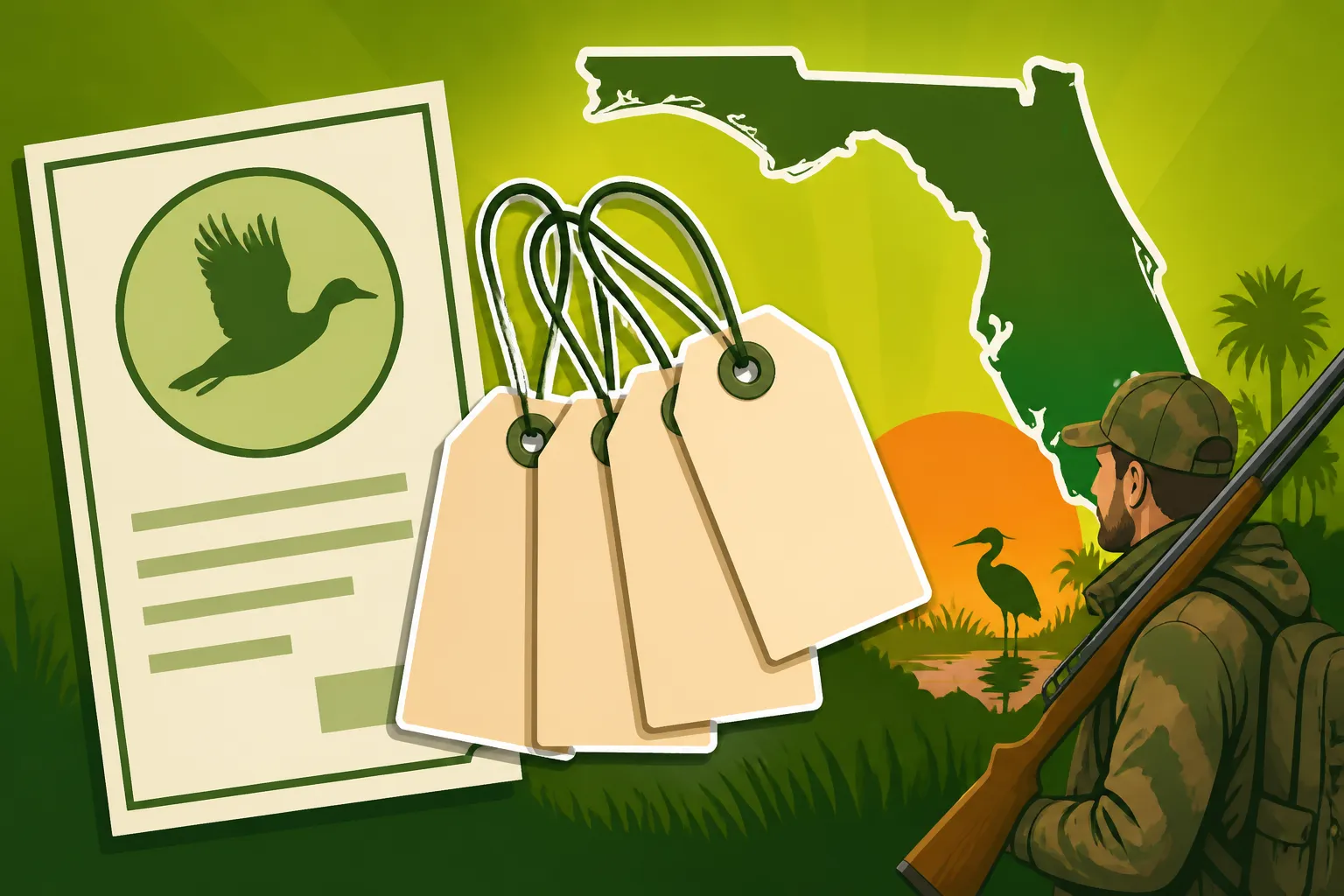
This is the burning question on many aspiring alligator hunters' minds, and thankfully, the answer is quite straightforward for most situations. For Florida's Statewide Alligator Harvest Program, when you successfully draw a permit, you are generally allocated two CITES tags.
Standard Permit Allocation and the Two-Alligator Limit
Yes, you read that right: typically, two tags. This means that with a single permit, you have the opportunity to harvest up to two alligators within your designated hunt period and management unit. This two-alligator limit has been a long-standing feature of the program, offering hunters a fantastic opportunity to experience the thrill of the hunt twice, or to aim for a specific size class while still having a backup tag. It's important to remember that these two tags are inextricably linked to your permit and your assigned harvest unit and dates. They aren't transferable to another hunter or another hunt period.
Think of it like this: when you apply through the Florida's Statewide Alligator Permit Lottery, you're not just applying for a chance to hunt; you're applying for the privilege to take two animals, each requiring its own unique identifier – the CITES tag. Many hunters appreciate this opportunity, as it maximizes their chances of success and provides more meat and hide from a single permit. However, it also means you need to be prepared for the logistics of harvesting and handling two large reptiles if you're fortunate enough to fill both tags! The cost of your permit covers these two tags, along with the associated processing and administrative overhead that makes this highly regulated program run smoothly.
Special Cases The Alligator Super Hunt
While the standard statewide permit comes with two CITES tags, there is a special exception: the Alligator Super Hunt. This is an exclusive opportunity for a very limited number of hunters to receive five alligator harvest tags for use statewide, with no size or sex restrictions, and a much longer season. It's a premium hunt, and the cost to apply for the Florida Alligator Super Hunt Entry Cost is significantly higher, but the payout is also much greater. The Super Hunt is an extreme rarity, with very few permits issued each year, making the standard two-tag allocation the reality for the vast majority of Florida alligator hunters.
For those planning to apply for any alligator permit, tools like GoHunt can be incredibly useful for researching draw odds and managing your application process, especially for these more competitive tags or the exclusive Super Hunt. They help you stay organized and informed about application periods and success rates.
Here's a quick look at the CITES tag allocation:
| Permit Type | CITES Tags Allocated | Alligator Limit | Hunt Duration | Notes |
|---|---|---|---|---|
| Statewide Permit | 2 | Up to 2 Alligators | Specific Season | Most common, assigned to hunt unit/dates. |
| Alligator Super Hunt | 5 | Up to 5 Alligators | Extended Statewide | Very limited, higher cost, no unit/size restrictions. |
The Process of Receiving and Using Your CITES Tags
So, you've beaten the odds and drawn an alligator permit – congratulations! Now comes the practical part: understanding how to receive and correctly use your CITES tags. This isn't just about good practice; it's about staying legal and ensuring your successful hunt counts.
From Drawing to Your Mailbox
Once the FWC completes the permit drawings and you're notified of your success, your CITES tags aren't instantly beamed to your location. They are typically mailed to you along with your official permit package. This package will contain your specific hunt dates, your assigned management unit details, and the physical CITES tags themselves. When your package arrives, do not lose these tags! They are irreplaceable and critical for your hunt. Each tag will have a unique serial number and will be made of a durable material, often a thick plastic or metal, designed to withstand the harsh Florida environment and remain affixed to a harvested alligator. Ensure you review all documentation immediately to confirm your assigned hunt dates and location. This allows you to plan your hunt thoroughly, perhaps scouting your designated area or considering Stalking an Alligator on a Freshwater Lake strategies.
Proper Tagging Procedures in the Field
The moment of truth arrives when you successfully harvest an alligator. The FWC has very strict rules about how and when to apply a CITES tag. This isn't something you can put off until you get home. The CITES tag must be attached to the alligator immediately upon harvest and before moving the animal from the site of the kill. "Immediately" means just that—as soon as it's safe to do so after dispatching the animal. The tag must be securely affixed through the animal's hide, typically near the tail, in a manner that prevents its removal without destroying the tag itself. Many hunters use heavy-duty zip ties or specialized tagging tools provided by outfitters to ensure the tag is properly secured.
Let's imagine a scenario: You're out on a designated public water body, and after a tense stalk, you manage to Harvesting an Alligator With a Bang Stick. The animal is secured. Your next immediate step, before even thinking about loading it into your boat or dragging it to shore, is to grab one of your CITES tags from your permit package, fill out any required information directly on the tag (like date and time of harvest), and secure it to the alligator. Failure to do so can result in serious penalties, including fines and permit revocation. The tag serves as undeniable proof that your alligator was legally taken during your valid hunt period. This adherence to regulations, including correctly Tagging an Alligator With a CITES Tag, is what upholds the integrity of Florida’s robust alligator management program.
What to Do with Unused Tags
If you're only able to harvest one alligator during your hunt, or none at all, you'll have unused CITES tags. The FWC requires that all unused tags be returned to them. Specific instructions for returning unused tags will be included in your permit package. This is another vital step in the regulatory process, as it helps the FWC accurately account for the total number of alligators harvested each season and ensures that tags aren't misused or fall into the wrong hands. It might feel like a minor detail after a long hunt, but it's a crucial part of maintaining the system's integrity. For a broader view of the season's framework, you might want to review the Florida Alligator Season Opening Date and Florida Alligator Season Closing Date to plan your efforts efficiently.
Why CITES Tags are Crucial for Alligator Conservation and Enforcement
The stringent requirements around CITES tags in Florida's alligator hunting program aren't just bureaucratic hurdles; they are fundamental to the long-term health of our alligator population and the sustainability of the hunting tradition. These tags serve as a cornerstone for both biological conservation and legal enforcement, ensuring that future generations can enjoy the unique experience of alligator hunting in the Sunshine State.
Ensuring Sustainable Harvest and Population Monitoring
Florida boasts an incredibly healthy and thriving alligator population, estimated to be well over a million individuals. This success is directly linked to effective management strategies, and CITES tags are a critical tool within that framework. Each tag represents an individual animal removed from the population. By closely monitoring the number of tags issued and returned, the FWC can accurately track the annual harvest. This data is invaluable for assessing population trends, understanding reproduction rates, and adjusting future harvest quotas to ensure that the number of alligators taken each year remains well within sustainable limits. Without this precise accounting, it would be impossible to confidently manage such a large and economically significant species, risking a return to the depleted populations of the past. For anyone interested in the broader picture, understanding How Many Alligators Live in Florida provides valuable context to these management efforts.
Furthermore, the CITES tag system supports biological research. Information gathered from tagged alligators, such as length, sex, and location of harvest, contributes to a comprehensive dataset. This allows biologists to study growth rates, health, and distribution across different management units. The insights gained help FWC make informed decisions, ensuring the program adapts to ecological changes and continues to support a robust population. Hunters, by diligently filling out their harvest reports and affixing tags correctly, become active participants in this vital scientific endeavor.
Preventing Illegal Trade and Poaching
Perhaps one of the most significant roles of CITES tags is their power in combating illegal trade and poaching. An alligator hide or meat without a valid CITES tag is, by definition, illegally harvested. This clear distinction makes it incredibly difficult for poachers to sell their illicit gains on any legitimate market, whether within Florida or internationally. Law enforcement agencies can easily identify legally harvested products from those that are not, by simply checking for the presence and validity of the attached CITES tag.
Consider the consequences: if you're caught with an untagged alligator, or an alligator tagged incorrectly, you're not just facing a minor infraction. You could be looking at significant fines, forfeiture of equipment, and potentially even criminal charges. The FWC takes these violations very seriously because they undermine the entire conservation framework built around the CITES agreement. This strict enforcement protects the resource from those who would exploit it for illegal profit, safeguarding the legitimate hunting opportunities for law-abiding sportsmen and women. It's why services like booking a reputable Booking a Guided Florida Alligator Hunt are so important, as guides are well-versed in these strict regulations. Many outfitters also handle the permit applications themselves, streamlining the process for hunters. You can learn more about this by checking into How Many Alligator Permits Florida Issues and the application process involved.
Maintaining International Standards and Economic Value
Florida's adherence to CITES regulations also ensures that American alligator products can be legally traded internationally. Because the species was historically CITES-listed, any international movement of alligator products requires CITES documentation. By issuing and managing CITES tags, Florida ensures that its harvested alligators meet these global standards. This allows Florida hunters to legally sell hides and meat, and for processors to export products, contributing to the state's economy and providing an incentive for continued sustainable management.
The integrity of this system is what gives legal alligator products their value. Without CITES tags, Florida's alligator industry would be isolated, and the incentive for maintaining a healthy population for sustainable harvest would diminish. Thus, these seemingly small pieces of plastic or metal tags carry immense weight, upholding both conservation principles and economic realities within the world of Florida hunting. Hunters can check current application periods and success rates for drawing these permits using platforms like GoHunt, which helps prepare them for the Florida Alligator Application Period Dates.
Planning Your Florida Alligator Hunt
Now that you know how many CITES tags come with a permit and why they're so important, it's time to think about planning your actual hunt. Successfully drawing a permit is just the first step; the real adventure begins with preparation.
Researching Hunt Units and Application Strategies
Florida offers a variety of alligator management units, each with different permit allocations, success rates, and characteristics. Some units might be urbanized canals, while others are vast, remote wilderness areas. Understanding the differences between these units is key to a successful application and hunt. You might prefer a unit known for larger gators, or one that's easier to access from your home base. Reviewing historical harvest data and researching the terrain for specific units can give you an edge. Many hunters also consider applying for the Florida Alligator Super Hunt Entry Cost if they're looking for an extended season and more tags, though the odds are significantly lower.
Platforms like GoHunt provide excellent resources for researching past draw odds, viewing unit boundaries, and strategizing your application choices. Knowing which zones have higher success rates or fit your hunting style can make all the difference. Remember, the Florida Resident Alligator Permit Cost and Florida Nonresident Alligator Permit Cost are relatively low compared to the experience, but drawing the tag is the trick.
Gear and Technique Considerations
Alligator hunting is a unique pursuit that requires specialized gear and techniques. Whether you plan to use snares, harpoons, or a rod and reel, you'll need the right equipment to safely and effectively harvest an alligator. Remember, dispatching the alligator often involves a bang stick or a specific type of firearm, and you'll need a reliable boat if you're targeting animals on larger bodies of water. Don't forget proper lighting for night hunting, as most alligator hunting takes place after dark.
Beyond the harvest tools, think about recovery. Alligators are heavy and strong, even when dispatched. You'll need ropes, possibly a hoist, and a plan for safely getting your animal from the water and into your vehicle. And, of course, you'll need to be ready to immediately affix that CITES tag!
Processing Your Harvest
Once you've successfully tagged your alligator, the work isn't over. You'll need to know how to properly process your harvest, whether you're taking it to a professional processor or doing it yourself. This includes skinning, butchering, and preserving the meat and hide. Alligator meat is delicious, and the hide can be tanned for beautiful leather products. Ensuring proper handling immediately after harvest is crucial for the quality of both the meat and the hide, especially in Florida's warm climate. Many hunters opt for services that include processing when Booking an Alligator Hunt With Your Own Permit or even Booking a Guided Florida Alligator Hunt to simplify the post-harvest logistics.
Disclaimer
The information provided in this guide is for general informational purposes only and does not constitute legal advice. Hunting regulations and permit requirements can change. Always consult the most current regulations published by the Florida Fish and Wildlife Conservation Commission (FWC) before participating in any hunting activity. Failure to comply with all applicable laws and regulations can result in significant penalties.