Booking an Alligator Hunt With Your Own Permit
So, you've done it! You navigated the Florida alligator permit lottery, held your breath, and then, boom—you drew a tag. That feeling of excitement is unmatched, knowing you've secured one of Florida's most coveted hunting opportunities. But now what? While having your own permit is a huge step, many hunters quickly realize that successfully harvesting a gator, especially for the first time, is a whole different ballgame. This guide is here to walk you through exactly what comes next: how to leverage that precious tag by booking a guided hunt, ensuring you have the best possible chance at success, and making unforgettable memories along the way.
Understanding Your Florida Alligator Permit
Drawing an alligator permit is a significant accomplishment, opening the door to an incredible experience. But just having the piece of paper doesn't automatically put a gator in your boat. It grants you the legal right to pursue and harvest an alligator within a specific management unit and timeframe, but it doesn't come with a how-to manual or a map to a guaranteed gator. Understanding the nuances of your permit is the foundation for a successful hunt, especially if you're planning to bring in a professional.
The Permit Lottery and What it Means
Florida's statewide alligator harvest program is incredibly popular, and that's why we have a lottery system to allocate these valuable tags. You've already gone through the process of applying, selecting your preferred management unit and hunt period, and thankfully, you were successful. This means you now hold a legal authorization from the state to harvest an alligator. While the permit itself is a victory, it's really just the entry ticket. The real work, and often the real challenge, begins now. Knowing the specific boundaries of your designated management unit and the exact dates of your hunt period is absolutely critical, as a guide cannot take you outside of these parameters. For more information on the process, you can refer to Florida's Statewide Alligator Permit Lottery.
What Your Permit Entitles You To
Each Florida alligator permit typically allows for the harvest of one alligator, usually at least 18 inches in total length. Sounds simple, right? Well, the devil is in the details, especially when you consider the techniques involved. Your permit dictates the method of harvest – typically allowing for things like hook-and-line, snares, gigs, and harpoons to subdue the animal before a terminal weapon like a bang stick or firearm is used. It also specifies the geographic area you can hunt within, often a specific lake, river system, or a designated management unit, along with precise Florida Alligator Season Opening Date and closing dates. These regulations are strict, and adherence to them is paramount. A good guide will be intimately familiar with the rules for your specific permit and unit.
CITES Tags and Reporting Requirements
After you've successfully harvested an alligator, your permit comes with a crucial component: the CITES tag. This small, plastic tag, often provided with your permit, must be immediately attached to the alligator's tail. This is a federal requirement, part of the Convention on International Trade in Endangered Species of Wild Fauna and Flora, ensuring that legally harvested alligators can be tracked and preventing illegal trade. Failure to tag your alligator immediately after harvest can lead to serious legal trouble. Your guide will know exactly how and where to attach this tag, but it's your responsibility as the permit holder to ensure it happens. Beyond the CITES tag, you'll also have reporting requirements to the Florida Fish and Wildlife Conservation Commission (FWC), usually online, within a certain timeframe after harvest. This allows the state to collect vital data for population management. Tagging an Alligator With a CITES Tag goes into more detail on this essential step.
Why Use a Guide Even With Your Own Tag?
Many first-time permit holders, and even some seasoned hunters, initially think that since they have the tag, they can just figure out the rest. While that independent spirit is admirable, alligator hunting is not like deer hunting from a treestand. It's a highly specialized pursuit in often challenging environments. Even with your own permit, utilizing a professional guide can transform your hunt from a frustrating struggle into a well-executed success, dramatically increasing your odds and enhancing your experience.
Navigating Florida's Unique Alligator Habitat
Florida's waterways are vast, intricate, and often unforgiving. From the sprawling marshes of the Everglades to the dark, cypress-lined sloughs of Central Florida, and the massive, open lakes, each habitat presents its own challenges. Knowing where alligators are likely to be found—and more importantly, how to access those areas safely and effectively—is a skill honed over years. A guide has spent countless hours scouting, learning the patterns of gators in specific waterways, and understanding how factors like water levels, temperature, and even lunar phases can influence their activity. Without this intimate knowledge, you could spend your entire hunt period fruitlessly cruising miles of water that hold no gators, or simply not knowing how to approach the ones you do find.
Equipment and Expertise Provided
Alligator hunting requires a specialized array of gear, much of which is expensive and not commonly found in the average hunter's arsenal. Think heavy-duty fishing rods and reels spooled with stout line, custom harpoons, gigs, snaring poles, and, for the terminal shot, a bang stick or a large caliber firearm appropriate for dispatching a gator quickly and humanely. Beyond the gear, there's the knowledge of how to use it effectively. Setting hooks, accurately throwing a harpoon in the dark, or effectively snaring a wary gator takes practice and skill. A guide provides all the necessary equipment, ensures it's in top working order, and most importantly, possesses the expertise to deploy it successfully. This alone can save you thousands of dollars in equipment costs and countless hours of trial and error.
Safety First on an Alligator Hunt
Let's be blunt: alligator hunting carries inherent risks. You're dealing with powerful, wild reptiles in their natural element, often at night, in boats, and with specialized equipment. Mishaps can happen quickly, and they can be serious. A professional guide prioritizes safety above all else. They understand boat navigation in the dark, how to safely handle a thrashing gator at the side of the boat, and the proper, safe use of terminal weapons. They can teach you the ropes, ensure you're following best practices, and react appropriately if an unexpected situation arises. This isn't just about avoiding a bad day; it's about making sure everyone gets home safely. Consider this an investment in your well-being and a responsible choice when pursuing such an apex predator.
Finding the Right Guide for Your Alligator Hunt
Okay, so you're convinced a guide is the way to go – smart move! Now comes the task of finding the right guide, one who understands how to work with a permit holder and will make your hunt a success. Florida has many excellent alligator hunting guides, but like any service, quality can vary. Doing your homework here is essential to ensure you get a reputable professional who aligns with your hunting goals.
Researching Reputable Outfitters
Start your search by looking for guides specifically advertising "guided alligator hunts with your own permit." This immediately tells you they are accustomed to this arrangement. Websites like BookYourHunt and GoHunt can be fantastic resources for finding reputable outfitters. These platforms often list guides, provide detailed descriptions of their services, show available dates, and, critically, feature reviews from past clients. Don't just pick the first name you see. Dive deep into their websites, social media presence, and any online testimonials. Look for guides who emphasize safety, ethical hunting practices, and clear communication.
Asking the Right Questions
Once you've narrowed down a few potential guides, it's time to pick up the phone. This isn't just about booking; it's about vetting them. Here are some key questions to ask, specifically tailored for bringing your own permit:
- Experience with Permit Holders: "How often do you guide hunts where the client provides their own permit?" This helps gauge their familiarity with the specific dynamics of this type of trip.
- Knowledge of Your Unit: "Are you familiar with [Your Specific Management Unit Name or Number]?" This is crucial. A guide who knows your permitted water can drastically improve your chances.
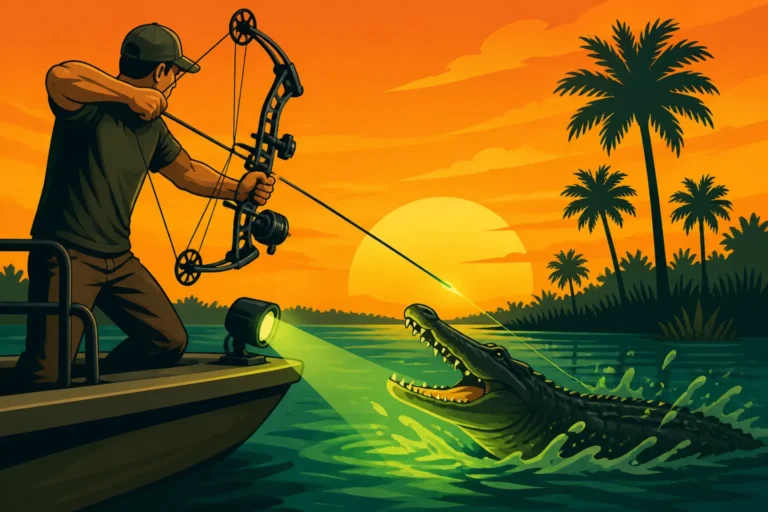
- Techniques Offered: "What hunting methods do you primarily use in this unit (e.g., hook-and-line, bowfishing, gigging)? Do you have preferences or recommendations based on my permit type?" For example, if you're interested in Bowfishing for Florida Alligators, make sure they offer that.
- What They Provide: "Given I have my permit, what equipment do I need to bring, and what do you provide?" Get a clear list so there are no surprises.
- What's Not Included: "Are there any additional costs beyond your guiding fee that I should be aware of (e.g., fuel, boat launch fees, meat processing coordination)?"
- Success Rates: "What's your typical success rate for harvesting a legal gator for clients using their own permit in this unit?" While not a guarantee, it provides a benchmark.
- References: "Can you provide references from previous clients who hunted with their own alligator permit?" A reputable guide will gladly offer these.
Reviewing Success Rates and Client Feedback
Don't just take a guide's word for it. Look at their track record. As mentioned, platforms like BookYourHunt and GoHunt are great for this, offering a centralized place for reviews. Pay attention to what past clients say about the guide's professionalism, patience, knowledge of the area, and, yes, their success in harvesting alligators. But also look beyond just harvest success. Did the clients feel safe? Was the experience enjoyable? Was the guide communicative and helpful? Sometimes a less-than-stellar review can actually be informative, revealing a guide's personality or specific areas where they might fall short. Remember, a high success rate is great, but a safe, enjoyable, and educational experience is often just as important, especially for a first-time gator hunter.
What to Expect from a Guided Alligator Hunt with Your Permit
So, you've booked your guide, the excitement is building, and your hunt date is approaching. Knowing what to expect during the actual hunt day can help manage expectations and ensure you're fully prepared to participate actively in the experience. A guided hunt with your own permit is a collaborative effort, and understanding the guide's role versus your own is key.
The Hunt Day: Techniques and Strategy
Most guided alligator hunts, especially for permit holders, take place at night. Alligators are often more active and visible after dark, their eyes glowing red in the beam of a spotlight. Your guide will likely use a combination of techniques, depending on the waterway and gator behavior. Common methods include:
- Spotlighting and Approach: The hunt often begins with slowly cruising prime alligator habitat, spotting gators with powerful lights. The guide will identify potential targets, judging their size and behavior to determine if they are a viable candidate for harvest. Judging a Legal-Size Florida Alligator is a skill your guide has mastered.
- Hook and Line: This is a very common method. A large, baited hook is cast near a gator, or strategically placed in an area they frequent. Once hooked, the real battle begins. The guide will instruct you on how to play the gator, keeping tension on the line and slowly bringing it closer to the boat. This can be a physical challenge, as you're fighting a powerful animal.
- Snaring or Harpooning: As the gator is brought alongside the boat, or if a gator is approached directly, the guide may use a snaring pole to secure its head or a harpoon to establish a direct attachment. This is a critical moment, requiring precision and strength. Stalking an Alligator on a Freshwater Lake details some of these approaches.
- Terminal Shot: Once the alligator is secured and brought to the side of the boat, the guide will instruct on the humane dispatch using a bang stick, or a specific firearm depending on regulations. Safety is paramount at this stage. Harvesting an Alligator With a Bang Stick offers more insight into this method.
The Role of the Guide and Your Participation
While you hold the permit, the guide is the expert navigator, equipment manager, and safety officer. They will pilot the boat, spot the gators, instruct you on the proper techniques for hooking or snaring, and ensure the terminal shot is delivered safely and effectively. Your role is to actively participate under their direction. You'll likely be responsible for casting lines, reeling in the gator, and potentially assisting with the harpoon or snare. The guide will be hands-on, coaching you through each step and ensuring you contribute meaningfully to the hunt. This is a team effort, with your tag as the prize. Don't be afraid to ask questions, learn the techniques, and soak in the knowledge they share.
Processing Your Harvest
Once your alligator is legally harvested and the CITES tag is properly affixed, the next step is processing. Many guides offer to gut and cool the gator for you, often back at the boat ramp or a nearby facility. Some may even have arrangements with local processors or taxidermists, which can be incredibly helpful, especially if you're traveling from out of state. Discuss this with your guide beforehand. Understand what services they provide post-harvest, whether that's just basic field dressing or full skinning and meat preparation. You'll want to ensure the meat is properly cared for, especially in Florida's warm climate, to preserve its quality. This is an important detail to confirm well in advance of your hunt.
| Aspect of Hunt | Your Primary Responsibility | Guide's Primary Responsibility | Collaborative Aspects |
|---|---|---|---|
| Permit & Tags | Holding valid permit & CITES tags | Ensuring legal adherence & tag placement | Confirmation of permit details |
| Navigation | Following directions & staying alert | Piloting boat, knowing waterways | Spotting hazards, identifying gator habitat |
| Equipment | Bringing personal gear (clothes, cooler) | Providing specialized gator gear | Learning equipment use, proper handling |
| Gator Spotting | Active scanning with spotlight | Identifying gators, judging size | Confirming targets, pointing out observations |
| Catching Gator | Hooking, reeling, assisting with snare/harpoon | Guiding technique, securing gator | Teamwork in bringing gator alongside boat |
| Dispatch | Following safety instructions | Executing humane terminal shot (or instructing) | Ensuring safety, confirming gator is subdued |
| Post-Harvest | Understanding reporting, arranging processing | Field dressing, CITES tag confirmation | Arranging for meat/hide preservation |
| Safety | Adhering to all safety rules | Overall safety management, emergency plan | Communicating concerns, vigilance |
Costs Beyond the Guide's Fee
While having your own alligator permit means you've covered the state licensing portion and the cost of the permit itself (see Florida Resident Alligator Permit Cost or Florida Nonresident Alligator Permit Cost), there are still significant costs associated with a guided hunt. It’s important to budget accurately so there are no surprises, ensuring a stress-free experience from start to finish.
Guide Service Fees
Even when you provide the permit, a professional guide's time, expertise, and equipment come at a cost. Guide fees can vary significantly based on their experience, the length of the hunt (a single night vs. multiple nights), the specific management unit (some areas are harder to access or hunt), and what's included in their service. These fees cover their boat, fuel, specialized gator gear (harpoons, lines, bang sticks, lights), insurance, and, most importantly, their invaluable knowledge and hard-earned skills. Always get a clear breakdown of the guide's fee structure before booking. It's not uncommon for guides to require a deposit upfront, with the remainder due on the day of the hunt. Remember, this fee is an investment in your success and safety.
Travel, Lodging, and Other Incidentals
Florida is a big state, and depending on where your permit unit is located, you might have a substantial drive. Factor in the cost of fuel for your vehicle to get to the meeting point, which is often a boat ramp in a rural area. If your hunt takes place over multiple nights, or if you're coming from a distance, you'll need to budget for lodging. There might be hotels, motels, or even rustic cabins available near your hunt area. Don't forget meals and drinks for yourself and possibly to offer your guide, though many guides bring their own. Ice for coolers, snacks, and any personal hunting gear you need (like rain gear, bug spray, headlamps, etc.) will also add up. These seemingly small incidentals can quickly accumulate, so planning ahead is crucial.
Meat Processing and Taxidermy
After a successful hunt, you'll be faced with decisions about your trophy. Alligator meat is delicious, and the hide can be tanned for leather or mounted. Processing the meat and hide can be an additional cost. Most guides will field dress the gator for you, but beyond that, full skinning, butchering, and freezing the meat will likely involve a professional processor. Similarly, if you want a skull mount, a full body mount, or a tanned hide, you'll need to budget for a taxidermist. These services are highly specialized, and their costs reflect the craftsmanship involved. Discuss these options and potential costs with your guide, as they often have trusted local contacts they can recommend, which can be invaluable for ensuring quality work.
Preparing for Your Guided Alligator Hunt
You've got your permit, you've got your guide, and you've got your budget sorted. Now it's time to get ready for the actual adventure! Proper preparation can significantly impact your comfort, safety, and overall enjoyment of the hunt. This isn't just about packing a bag; it's about making sure you're mentally and physically ready for what can be a physically demanding and thrilling experience.
Essential Gear to Bring
While your guide will provide the specialized alligator hunting equipment, you still need to bring your own personal gear. Here’s a checklist to get you started:
- Clothing: Dress in layers. Florida nights can range from hot and humid to surprisingly cool, especially on the water. Bring rain gear, no matter the forecast. Long pants and sleeves are recommended to protect against mosquitoes and sun. Camouflage isn't strictly necessary, as alligator hunting often involves light, but dark, subdued colors are always a good choice.
- Footwear: Wear comfortable, waterproof shoes or boots that can get wet and muddy. Non-slip soles are essential for boat safety.
- Insect Repellent: This is non-negotiable in Florida, especially at night near water. Bring plenty!
- Headlamp or Flashlight: While the guide will have powerful lights, a personal headlamp is invaluable for rigging, moving around the boat, or handling your gear.
- Coolers: Bring at least one large cooler filled with ice for your harvested alligator meat and potentially the hide. If you plan to bring drinks and snacks for yourself, a separate smaller cooler is a good idea.
- License and Permit: Don't forget your physical alligator permit and your valid Florida hunting license. Even if your guide has copies, you need your own originals on hand. Carrying Proof of License on Your Phone is convenient, but physical copies are always best for permits like this.
- Camera: To capture the memories! Just make sure it's secure and waterproof.
- Food and Water: Snacks and drinks to keep you energized throughout the night.
- Small Dry Bag: Great for keeping your phone, wallet, and keys dry.
Physical and Mental Readiness
Alligator hunting, especially fighting a large one on a line, can be surprisingly physical. You'll be standing in a boat, reeling in a powerful animal, potentially for extended periods. Make sure you're in reasonable physical condition. Beyond the physical, there's the mental aspect. This isn't a passive activity; it requires focus, patience, and the ability to follow instructions quickly and precisely from your guide. The moment an alligator is on the line can be intense and exhilarating. Be prepared for that adrenaline rush, but also maintain your composure to execute your role effectively. Being well-rested before the hunt is also a major plus, as these hunts often stretch into the early morning hours.
Understanding Florida Regulations
While your guide is an expert, as the permit holder, the ultimate responsibility for legal compliance rests with you. Take some time to review the FWC's alligator harvest regulations. Familiarize yourself with bag limits, legal methods of take, tagging requirements, and any specific rules for your management unit. Understanding these regulations will not only make you a more informed participant but also allow you to ask better questions and ensure everything is done by the book. Ignorance of the law is never an excuse, and a good hunter is always a knowledgeable hunter. For further reading, check out Hunting Alligators at Night Legally.
Disclaimer
This article is for general informational purposes only and does not constitute professional advice. Laws, prices and regulations vary by location and change over time. Consult a qualified professional for guidance on your specific situation.