Florida Apprentice Hunter License Rules
Many aspiring hunters in Florida, whether they're new to the sport themselves or trying to introduce a friend or family member, often feel a little lost when it comes to navigating the initial steps, especially before completing the mandatory hunter education course. Thankfully, Florida offers a brilliant solution: the Apprentice Hunter License. This allows individuals to hit the woods and gain invaluable hands-on experience under the watchful eye of a seasoned hunter. This guide will clarify everything about these rules, making it easier to step into Florida's rich hunting tradition.
Understanding the Florida Apprentice Hunter License
The Florida Apprentice Hunter License isn't just another piece of paper; it's a vital bridge for new hunters. It recognizes that some learning can only truly happen in the field, not just in a classroom or online course. It's designed to give individuals a taste of what hunting is like, allowing them to participate in hunts with all the legalities in place, before they fully commit to completing their hunter education.
What This License Entails
At its heart, the Apprentice Hunter License allows an individual who has not yet completed a hunter education course to legally hunt in Florida. This is a big deal because, traditionally, hunter education is a prerequisite for purchasing a full Florida hunting license. Think of it as a provisional license, a way to test the waters and ensure hunting is truly for you or your mentee. It grants all the same privileges as a regular hunting license, but with one absolutely critical condition: you must be directly supervised by a licensed, adult hunter at all times. This supervisor acts as your safety net and your in-field instructor, ensuring you learn proper ethics, safety, and hunting techniques from day one.
The "Try Before You Buy" Philosophy
The concept behind the apprentice license is genius in its simplicity: why make someone jump through all the hoops of hunter education before they even know if they enjoy hunting? It's a "try before you buy" approach that removes a significant barrier to entry for many potential hunters. Maybe you've always been curious about Florida's abundant game, from deer to hogs, but hesitated to invest time and money into a course without first-hand experience. This license allows you to go out with an experienced hunter, learn about scouting Florida public land before season, set up a ground blind, identify game, and understand the flow of a hunt. This hands-on experience is invaluable for confirming your interest and building confidence before you dive into the formal education process. It’s also an incredible tool for mentors who want to bring new people into the hunting fold, particularly youth or adults new to the lifestyle.
Eligibility and Requirements for Apprentice Hunters
While the apprentice license opens doors, it does come with specific requirements to ensure safety and responsible hunting practices. These requirements focus on who can get the license and, more importantly, who needs to be present during the hunt.
Age Considerations and Who Qualifies
Anyone, regardless of age, who has not completed a Florida hunter education course can obtain an Apprentice Hunter License. This is a key point, especially for our younger generation. While Florida has specific Florida Mentored Youth Hunting Rules, the apprentice license extends this mentored opportunity to adults as well. So, whether you're a curious teenager, a parent wanting to learn with your child, or an adult who's just discovered a passion for the outdoors, this license is designed for you. There's no upper age limit, meaning it truly caters to all newcomers. The emphasis isn't on age, but on the lack of formal hunter education and the willingness to learn under supervision.
The Critical Role of the Supervising Mentor
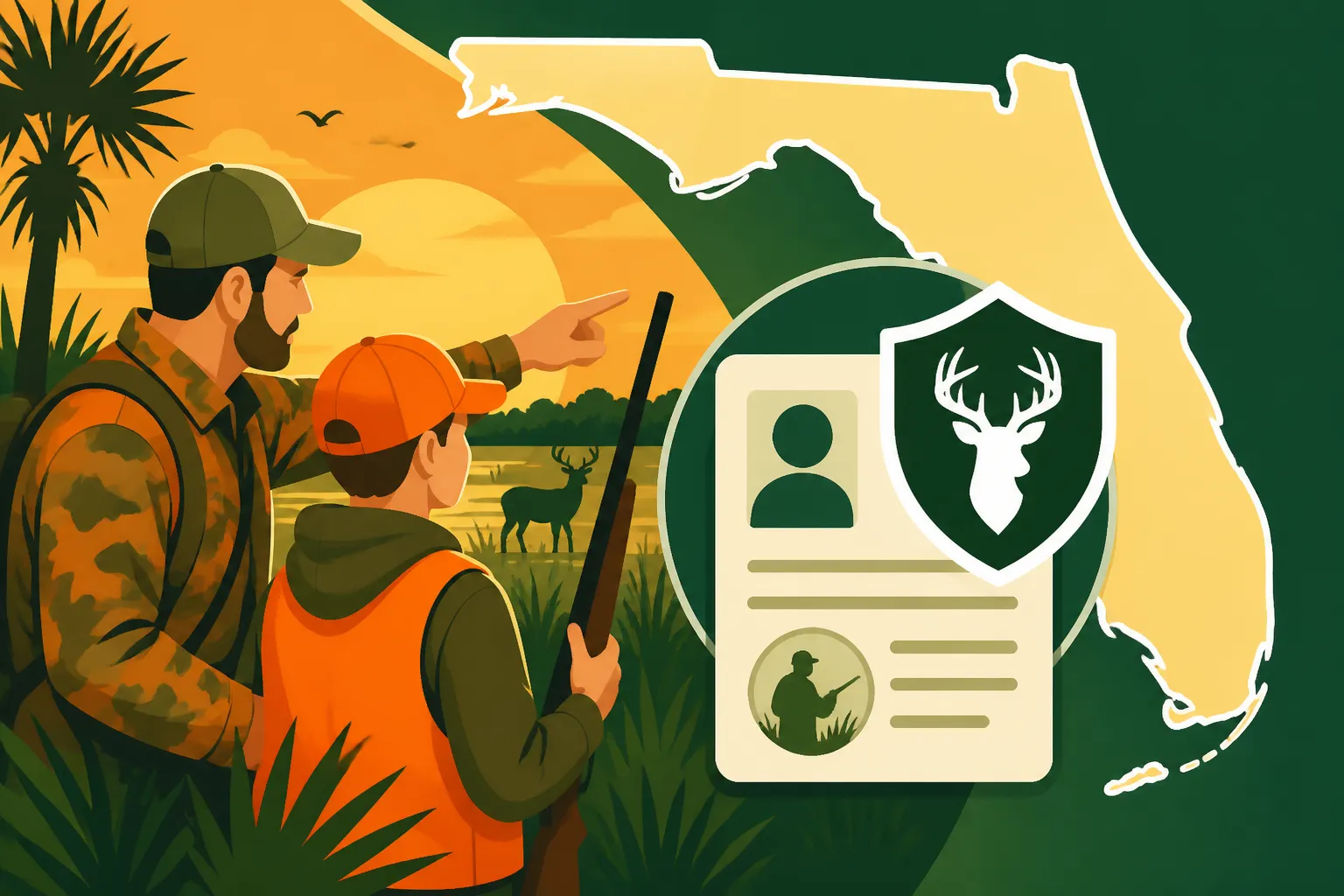
This is where the rubber meets the road. The cornerstone of the Apprentice Hunter License is the mentor. Without a qualified supervisor, the apprentice license is essentially void. The mentor must be at least 21 years old and hold a valid Florida hunting license. They are more than just a companion; they are legally responsible for the apprentice's actions and safety in the field. This isn't a role to take lightly. A good mentor will not only teach safety and marksmanship but also instill ethical hunting practices, knowledge of game species like White-Tailed Deer Across Florida or Feral Hogs Across Florida, and an understanding of regulations. The mentor must be within "arm's reach" of the apprentice at all times when hunting with firearms or archery equipment, ensuring immediate intervention if needed. This close supervision is paramount for preventing accidents and ensuring the apprentice learns correctly from the outset.
Acquiring Your Florida Apprentice License
Getting your Florida Apprentice Hunter License is a straightforward process, designed to be as accessible as possible for new entrants to the hunting community. You won't need to jump through many hoops, which is part of its appeal.
The Simple Application Process
Unlike many other specialized permits, there isn't a lengthy application to fill out or a waiting period. The process for obtaining an Apprentice Hunter License is integrated directly into the general hunting license purchase system. When you go to purchase a hunting license, either online through the Florida Fish and Wildlife Conservation Commission (FWC) website, at a local tax collector's office, or through an authorized license agent (like many sporting goods stores), you'll simply select the Apprentice Hunter License option. You won't be asked to provide proof of hunter education completion, as the license itself is predicated on not having that yet. You will need to provide basic personal information, similar to any other license purchase. It's truly designed for ease of access, encouraging participation rather than creating barriers. Make sure to double-check all your details, as accuracy is important for any legal document. Many hunters use tools like GoHunt to keep track of regulations and licensing, and while you won't apply through them, it's a great platform to learn more about different permits and seasons.
Costs and Where to Purchase
The cost of a Florida Apprentice Hunter License is the same as a regular annual hunting license for residents and non-residents. This makes it a very economical way to start, as you're not paying a premium for the "apprentice" status.
For Florida residents, the annual Apprentice Hunter License typically costs around $17. This is bundled with the state's basic hunting license. Non-residents, on the other hand, will pay a higher fee, usually around $49.50 for a 10-day non-resident hunting license that includes the apprentice privilege, or $151.50 for an annual non-resident hunting license.
These prices are subject to change, so always check the latest fees on the FWC website or with a license agent. You can purchase this license:
- Online: The FWC's Go Outdoors Florida website is the easiest way.
- In Person: Visit a Florida tax collector's office or an authorized license agent (think Walmart, Bass Pro Shops, local bait & tackle shops).
- By Phone: Call the FWC customer service line.
Many hunters find the online option most convenient, allowing them to purchase the license from home and print it out immediately. Remember, carrying proof of your license on your person (either physical or digital) is required while hunting.
Here's a quick look at typical annual costs:
| License Type | Resident Annual Cost (Approx.) | Non-Resident Annual Cost (Approx.) | Non-Resident 10-Day Cost (Approx.) | Hunter Education Required? |
|---|---|---|---|---|
| Apprentice Hunter License | $17 | $151.50 | $49.50 | NO |
| Regular Hunting License | $17 | $151.50 | $49.50 | YES |
Note: These prices are estimates and can change. Always verify current fees with the Florida Fish and Wildlife Conservation Commission (FWC).
Key Rules and Responsibilities While Hunting as an Apprentice
Holding an Apprentice Hunter License comes with significant responsibilities, particularly regarding safety and adherence to Florida's hunting regulations. The primary difference from a regular license is the mandatory presence and direct supervision of a mentor.
Strict Supervision Mandate
The most crucial rule for an apprentice hunter is the unwavering requirement for direct supervision. The mentor, who must be at least 21 years old and hold a valid Florida hunting license, needs to be physically within "arm's reach" of the apprentice at all times when a firearm or bow is being handled. This isn't just about being in the same general area; it means close proximity, allowing for immediate physical intervention if an unsafe situation arises. Imagine a situation where an apprentice might accidentally point a firearm in an unsafe direction or have trouble with a safety mechanism. The mentor must be close enough to correct the situation instantly. This strict rule protects not only the apprentice but also anyone else in the vicinity, underscoring the importance of safety in all hunting activities, whether you're hunting deer in the Ocala National Forest Hunting or hogs on private land.
Weapon and Species Limitations
When it comes to what you can hunt and with what, the Apprentice Hunter License generally aligns with the rules for a standard hunting license, provided all other Florida regulations are met. This means an apprentice can hunt any legal game species open during the season, utilizing legal methods, as long as they are under direct supervision. For instance, if you're hunting deer, you'd follow the rules for Florida Legal Firearms for Deer Hunting or archery equipment. However, it's the mentor's responsibility to ensure the apprentice understands and adheres to all specific season dates, bag limits, and legal methods for each species.
For example, an apprentice hunting during Bowhunting Florida's Zone A August Opener would need to be under direct supervision by a licensed mentor and only use archery equipment. Similarly, if they were hunting small game, the mentor would need to ensure the apprentice understands the regulations for Florida Squirrel Season Dates or Florida Quail Season Dates. While the license itself doesn't impose additional weapon or species limitations, the mentor must exercise sound judgment, ensuring the apprentice is capable and trained for the specific game and weapon being used.
Safety First: Apprentice Hunter Guidelines
Beyond direct supervision, several other safety guidelines are paramount for apprentice hunters. The mentor is responsible for teaching and enforcing:
- Hunter Orange Requirements: Apprentices must adhere to all Florida Blaze Orange Requirements during gun seasons, wearing a minimum amount of visible blaze orange. This makes them visible to other hunters and is a critical safety measure.
- Firearm Handling: Proper muzzle control, keeping fingers off the trigger until ready to shoot, and understanding the target and what's beyond it are non-negotiable.
- Ethical Shot Placement: Mentors should guide apprentices on making clean, humane shots to minimize animal suffering and maximize recovery rates.
- Game Laws: Full understanding of bag limits, season dates, and specific rules for species being hunted (e.g., Florida Buck Bag Limit).
- Hunter's Pledge: Encouraging a commitment to safety, respect for wildlife, and adherence to regulations, fostering a positive image for hunters.
It's also a great opportunity for mentors to teach crucial outdoor skills like navigation, tracking (Tracking a Deer in Sandy Florida Soil), and responsible behavior in areas like Florida Wildlife Management Areas. Using resources like the FWC app or GoHunt can help both mentor and apprentice stay updated on local regulations and land boundaries, promoting safe and legal hunting excursions.
Making the Leap: From Apprentice to Fully Licensed Hunter
The Apprentice Hunter License is a fantastic stepping stone, but it's not meant to be a permanent solution. The ultimate goal is for the apprentice to become a fully licensed, independent hunter. This transition involves completing hunter education and upgrading their license status.
The Hunter Education Path
After experiencing hunting firsthand with an apprentice license, the next logical step is to complete a state-approved hunter education course. This course is crucial for developing a comprehensive understanding of hunting safety, wildlife conservation, ethics, and regulations. Florida offers various formats for hunter education to accommodate different schedules and learning styles:
- Traditional Classroom Courses: These involve in-person instruction, often over a weekend or a series of evenings, culminating in a field day for practical application.
- Online Courses: Many reputable online courses are available, allowing you to learn at your own pace. However, online courses typically require a mandatory in-person "field day" session to complete the certification, where practical skills like safe firearm handling, tree stand safety, and shooting proficiency are assessed.
Choosing the right format depends on personal preference and availability. Regardless of the method, the goal is to equip future hunters with the knowledge and skills necessary to hunt safely and responsibly without constant supervision. For more detailed information on options and requirements, check out the official Florida Hunter Education Requirements.
Converting Your Apprentice Status
Once you successfully complete your hunter education course and receive your certification, you're ready to shed the "apprentice" label and become a fully licensed hunter in Florida. The process is simple:
- Obtain your Hunter Education Certificate: This is your proof of completion.
- Purchase a Regular Florida Hunting License: The next time you buy a license (online, in person, or by phone), the system will recognize your hunter education certification. You will select the standard Florida hunting license, no longer the apprentice version. Your hunter education number will be linked to your customer ID, so you won't need to physically show your certificate every time after the initial entry into the system.
This transition represents a significant milestone, signifying your readiness to hunt independently while upholding the highest standards of safety and ethics. It also means you can fully participate in all hunting opportunities, including applying for quota hunts or more specialized permits, without the mandatory "arm's reach" supervision. It's a journey from learning to leading, and Florida's Apprentice Hunter License provides a smooth, practical pathway to get there.
Disclaimer
Please note that hunting regulations, license fees, and season dates are subject to change. Always consult the latest official regulations published by the Florida Fish and Wildlife Conservation Commission (FWC) before planning any hunting trip. This guide is for informational purposes only and should not replace official FWC resources.