Florida Quail Season Dates
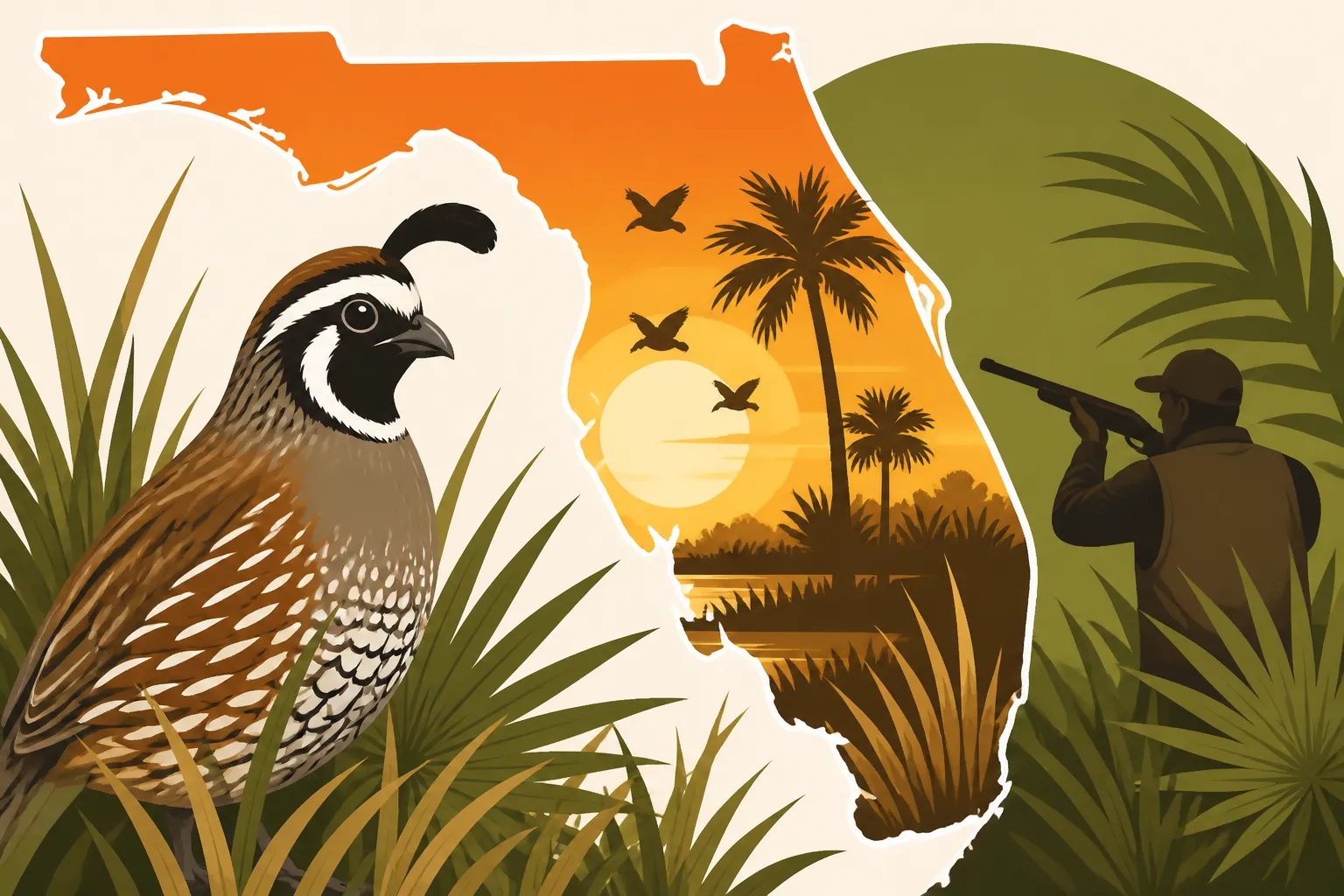
The crisp, cooler air of fall in Florida might bring thoughts of deer or ducks for many, but for those of us who grew up chasing the explosive flush of a bobwhite, there's a unique anticipation for quail season. It can be a real headache trying to keep all the Florida hunting dates straight, especially when you're juggling work, family, and trying to scout a good spot. This guide is here to untangle the specifics of Florida's quail season dates, helping you plan your hunts with confidence and clarity, so you can focus on the thrill of the chase, not on constantly checking the regulations.
Understanding Florida's Bobwhite Quail Season Structure
Florida's approach to hunting seasons, particularly for small game like bobwhite quail, is designed to balance hunting opportunities with wildlife conservation. Unlike the deer seasons that are often divided into Florida's Four Deer Management Zones Explained, the quail season is refreshingly straightforward, operating on a generally statewide schedule. This uniformity is a big relief, eliminating the complex zone-specific calendars that can trip up even seasoned hunters.
This statewide consistency doesn't mean it's a free-for-all, however. The dates are carefully chosen by the Florida Fish and Wildlife Conservation Commission (FWC) to coincide with periods when quail populations are robust after the breeding season, ensuring sustainable harvesting. It's about protecting the future of these iconic birds while still providing ample opportunity for hunters to enjoy the tradition. They look at factors like hatch success, habitat conditions, and historical harvest data to make these decisions, striving for that sweet spot where everyone benefits.
Why a Statewide Season for Quail?
You might wonder why quail seasons are statewide when deer or turkey seasons are often broken down into various zones. The primary reason lies in the biology and distribution of the bobwhite quail itself. While localized fluctuations occur, bobwhite quail populations in Florida don't exhibit the same distinct regional rutting periods or significant migratory patterns that necessitate varied season dates for other game species. Their life cycle and habitat use are relatively consistent across suitable quail habitat throughout the state.
This simplifies things immensely for the FWC and for us hunters. Instead of needing to remember specific zone start and end dates, bag limits, and legal weapon configurations, you learn one set of regulations for the entire state when it comes to bobwhite quail. It also reflects the widespread, albeit often fragmented, nature of quail habitat across Florida, from the pine flatwoods of the Panhandle down to the palmetto prairies of South Florida. This makes it easier for hunters, especially those who might travel to different regions to pursue quail, to stay compliant.
The Role of Habitat in Season Planning
Even with a statewide season, the quality and availability of quail habitat play an enormous role in determining where you'll find birds and how successful your hunt will be. The FWC considers the overall health of quail habitats when setting season dates and bag limits. When we talk about Florida Quail Habitat Restoration Efforts, it's not just about aesthetics; it's directly tied to how many birds are out there.
Good quail habitat typically consists of a mosaic of pine forests with open understories, natural grasslands, and agricultural fields with plenty of cover. Think about areas managed with prescribed burns, which are critical for maintaining the early successional plant communities that quail depend on for food and nesting. Without these efforts, even a perfectly timed season wouldn't yield many birds. So, while the dates are fixed, understanding the habitat will ultimately dictate your success within that season. Resources like GoHunt can be invaluable in scouting these areas beforehand, looking for recent burns or suitable cover, whether you're chasing them on public or private land.
Specific Season Dates for Bobwhite Quail
Alright, let's get down to brass tacks: the actual dates. For the 2023-2024 hunting season, Florida's statewide bobwhite quail season typically runs from November 11th through March 3rd. This generous window provides ample opportunity for hunters to get out in the field, whether you prefer the cooler days of late fall or the mild conditions often found in Florida's winter months. It's a season that allows for multiple trips, adapting to weather patterns or personal schedules.
Keep in mind that while these dates are generally consistent, it's always wise to double-check the most current Florida Fish and Wildlife Conservation Commission (FWC) regulations each year. Wildlife regulations, though usually stable, can sometimes be adjusted based on population surveys, habitat changes, or other conservation needs. A quick glance at the FWC website or their annual hunting regulations booklet will confirm the exact dates for the season you plan to hunt.
Daily Bag and Possession Limits
Beyond just the season dates, understanding the legal limits on how many quail you can harvest is paramount. For bobwhite quail in Florida, the daily bag limit is 12 birds per hunter. This means that in any given day, you cannot take more than a dozen quail. This limit is designed to spread the harvest pressure across the population and ensure that enough birds remain to continue breeding.
The possession limit, which refers to the maximum number of quail you can have in your possession at any one time (including birds at your home, camp, or in transit), is typically twice the daily bag limit, meaning 24 birds. So, if you're on a multi-day hunting trip and harvest your daily limit for two consecutive days, you're still within the possession limit. It’s crucial to keep track of your take, especially if hunting with a group, to avoid any unintentional violations. These limits apply statewide, just like the season dates, further simplifying the rules for quail hunters.
Shooting Hours and Other Restrictions
Another important detail to remember when planning your quail hunt is the legal shooting hours. In Florida, for bobwhite quail and most other small game, hunting is permitted from one half-hour before sunrise to one half-hour after sunset. This provides a good window of opportunity, allowing you to be in the field during the prime morning and evening hours when quail are often most active. Early mornings, when the birds are moving off the roost to feed, and late afternoons, as they move towards their roosting cover, are often the most productive times.
While quail hunting itself is generally straightforward, always be mindful of other potential restrictions, especially if you're hunting on public lands like a Wildlife Management Area (WMA). Some WMAs might have specific check-in/check-out procedures, designated hunting days, or restrictions on certain types of equipment. For example, some WMAs may restrict vehicle access or require the use of non-toxic shot for small game. Before heading out, it's always best practice to consult the specific regulations for the WMA you intend to hunt. Apps like GoHunt can help you navigate WMA boundaries and regulations effectively.
Key Regulations and Considerations for Quail Hunters
Chasing bobwhite quail is a tradition deeply rooted in Florida's hunting heritage, but it's essential to understand that it’s more than just knowing the season dates and bag limits. Being a responsible and effective quail hunter means grasping the broader regulatory landscape and employing smart strategies. These considerations not only keep you legal but also enhance your safety and success in the field.
Licensing and Permits
Before you even step foot in the field, you'll need the proper Florida hunting licenses and permits. For residents, this typically means a Florida hunting license. Non-residents will also need a license, which may vary in cost and duration. On top of the basic hunting license, if you plan to hunt on any of Florida's Wildlife Management Areas, you will also need a The Florida WMA Management Area Permit. This permit grants you access to these public lands for hunting.
It's a straightforward process to acquire these, usually available online through the FWC website, at tax collectors' offices, or at many retail locations that sell hunting and fishing supplies. Always ensure your licenses are current and accessible, whether as a physical copy or digitally on your phone. Getting caught without the proper documentation can quickly turn a fun day into a frustrating one with fines and potential loss of hunting privileges. Make sure you understand the difference between resident and nonresident options, and if you're a youth hunter, explore the Florida Youth Deer Hunt Rules as there are often specific provisions for younger hunters, which can sometimes extend to small game.
Shotgun and Ammunition Requirements
When it comes to equipment, shotguns are the weapon of choice for quail hunting. Florida law is pretty permissive regarding shotgun gauges, allowing common gauges like 12, 16, 20, and .410. The key is to use shot shells, not slugs, as you're targeting small, fast-flying birds. The size of shot you use is also important; generally, smaller shot sizes like 7 ½, 8, or 9 are preferred for quail. These smaller pellets create a denser pattern, increasing your chances of hitting a quick-flying bobwhite without causing excessive meat damage.
Some public lands, particularly those managed for sensitive ecosystems or where lead contamination is a concern, may require the use of non-toxic shot. Always verify the specific regulations for your chosen hunting location. If you’re hunting on private land, lead shot is generally permitted, but it’s still good practice to consider non-toxic alternatives for environmental reasons. Checking the FWC regulations for the specific area you plan to hunt is always a good move to avoid any issues with your ammunition choice.
The Importance of Hunting Dogs
While it's certainly possible to flush quail by walking through likely cover, Quail Hunting Behind Pointing Dogs is the traditional and arguably most effective method for pursuing bobwhite quail in Florida. A well-trained pointing dog, like a Pointer, Setter, or Brittany, can cover vast amounts of ground, locate birds, and hold them on point, allowing you to approach for a shot. Retrieving breeds like Labrador Retrievers are also invaluable for finding downed birds in thick cover, preventing lost game.
Hunting with dogs isn't just about efficiency; it's a profound experience that adds another layer of joy and tradition to the hunt. Watching a skilled dog work a field, lock up on point, and retrieve a bird is truly something special. If you're new to quail hunting, consider seeking out opportunities to hunt with experienced dog handlers. There are also specific rules about Dog Training on Florida Public Land if you're looking to get your own canine companion ready for the season. This symbiotic relationship between hunter and dog is a cornerstone of the sport, and truly enhances the overall experience.
Finding the Best Quail Hunting Opportunities in Florida
Florida offers a variety of settings for quail hunting, from vast public lands to exclusive private plantations. Knowing where to look and how to access these areas is key to a successful season. While the overall Florida Bobwhite Quail Decline is a concern, pockets of excellent hunting opportunities still exist for those willing to do their homework.
Public Land Quail Hunting
Florida boasts millions of acres of Public Hunting Land in Florida, including Wildlife Management Areas (WMAs), National Forests, and State Forests, where quail hunting is permitted. While these areas can offer fantastic opportunities, they often require more effort in scouting and understanding specific regulations. WMAs, in particular, often have special rules, such as quota hunts, specific hunt dates, or vehicle restrictions, so always consult the WMA's individual regulations brochure.
Areas like the Ocala National Forest or parts of the Apalachicola National Forest can offer robust quail populations in areas managed with prescribed fire, which creates ideal habitat. The FWC's website and their Public Hunting Map are excellent resources for identifying suitable public lands. Pay close attention to recent burn units or areas with natural clearings and good edge cover. Be prepared for company, as public lands can see more hunting pressure, so getting off the beaten path can pay dividends. Using digital mapping tools with public/private land layers can also help you find those overlooked corners.
Hunting on Private Land and Plantations
For many, the quintessential Florida quail hunt takes place on private lands, particularly the sprawling quail plantations in North Florida. These properties are often meticulously managed for quail, featuring ideal habitat, professional guides, and well-trained dogs. This experience typically comes with a higher price tag, but it offers a more curated and often highly successful hunt. If you're looking for that classic experience, researching reputable lodges and outfitters specializing in Quail Hunting Florida Plantation Country is a great starting point.
Even if a full plantation experience isn't in the cards, gaining access to smaller private tracts can be incredibly rewarding. Farmers or landowners with overgrown fields, pine timber operations, or pasturelands might be open to allowing hunting, especially if they understand the benefits of managing quail populations. Building relationships with landowners can unlock access to prime habitat that sees minimal pressure. Always remember to ask for explicit permission, respect their property, and follow all their rules. GoHunt also offers features that can help identify private land ownership, which can be useful when trying to gain permission.
Scouting for Productive Areas
No matter if you're hunting public or private land, effective scouting is paramount to finding birds. Quail, much like other small game species, are creatures of habit and prefer specific types of cover. Look for areas where different habitat types meet – what we call "edge habitat." This could be the edge of a pine stand meeting a grassy field, a fencerow bordering a fallow crop field, or the transition zone between thick palmetto and more open woods.
Focus on areas with good escape cover, like thickets, briar patches, or dense palmetto heads, close to feeding areas, which include open ground with weed seeds, wild berries, or agricultural crops like peanuts or milo. Don't be afraid to walk extensively before the season to look for quail sign – dusting bowls, feathers, or tracks in sandy areas. Learn to "read" the land. Even techniques used for bigger game, like Reading Aerial Photos for Florida Deer, can be adapted to scout for quail habitat, identifying prime habitat features from above. The more you understand their preferred environment, the better your chances of encountering a covey.
Conclusion
Chasing bobwhite quail through the pine flatwoods and palmetto scrub of Florida is an unforgettable experience, a true testament to the state's diverse hunting opportunities. With the season running from November 11th through March 3rd, and a generous daily bag limit of 12 birds, there’s plenty of time to get out there and enjoy this classic pursuit. Remember to always double-check the latest FWC regulations, obtain the necessary licenses and permits, and consider the invaluable role that well-trained dogs play in a successful quail hunt. Whether you're navigating the public lands with the help of GoHunt or enjoying a traditional hunt on a private plantation, understanding the habitat and being prepared will set you up for a rewarding season.
Disclaimer
Please note that hunting regulations, season dates, and bag limits are subject to change by the Florida Fish and Wildlife Conservation Commission (FWC). It is the hunter's responsibility to verify all current regulations before heading into the field. This guide provides general information and should not be considered a substitute for official FWC publications.