Florida Bobwhite Quail Decline
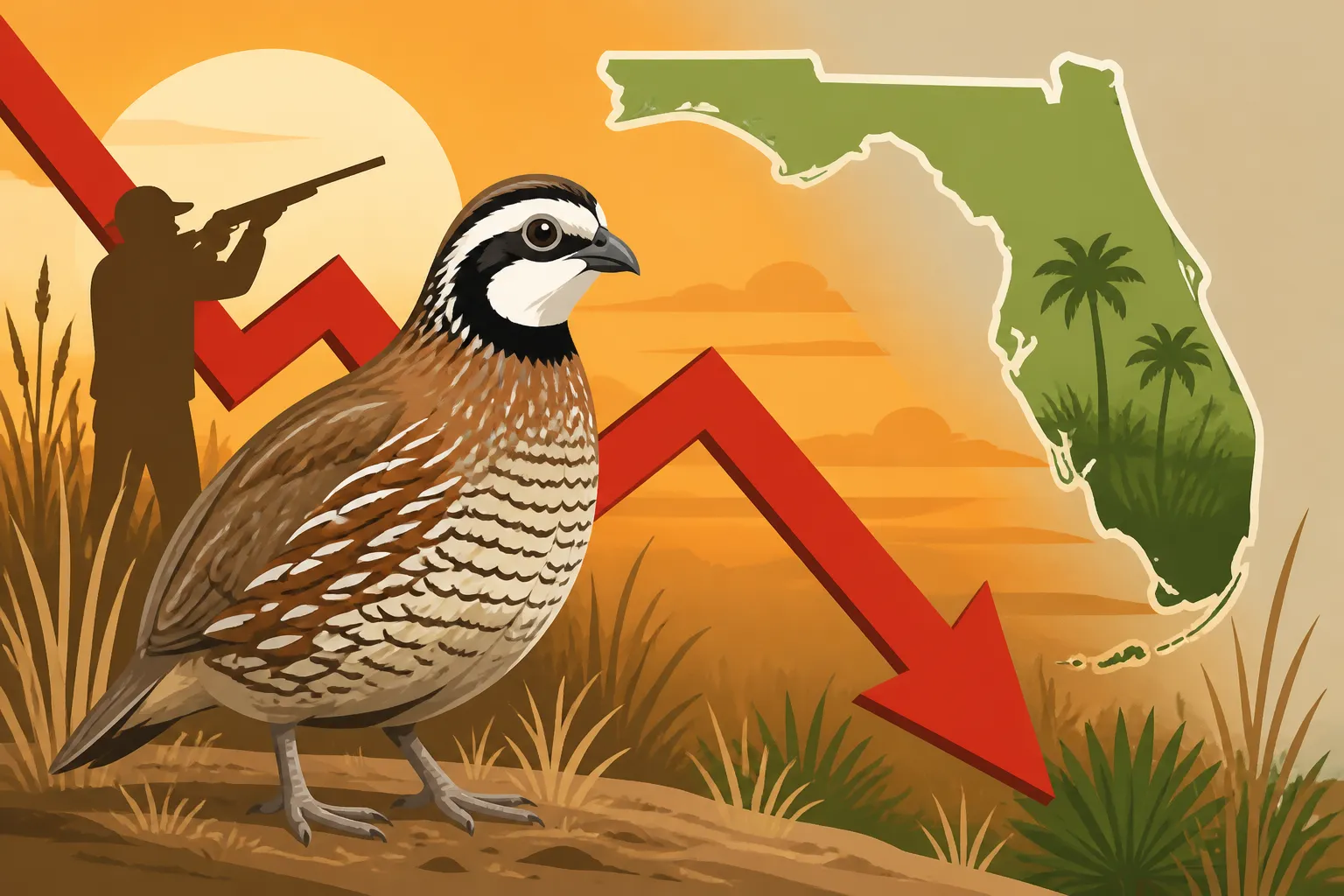
It's a conversation I've heard countless times around campfires and in sporting goods stores across Florida: "Man, I remember when you couldn't walk ten steps without flushing a covey of bobwhites." For many of us who grew up hunting the Sunshine State, the rapid and widespread decline of the bobwhite quail population isn't just a statistic; it's a heartbreaking loss of a quintessential Florida experience. This guide isn't about pointing fingers, but about understanding the complex reasons behind this troubling trend and exploring what we, as hunters and conservationists, can do to help these iconic birds reclaim their place in our landscapes.
The Historical Abundance of Florida Bobwhite Quail
Before the pervasive changes that reshaped much of Florida, the bobwhite quail wasn't just common; it was an integral part of the natural soundtrack and a primary game species. The sheer numbers were astounding, often described in terms that sound almost mythical to younger hunters today.
Memories of a Bygone Era
I can still recall the crisp morning air, the eager whine of my grandfather's pointer, and then that explosive, heart-stopping flush as an entire covey of quail burst from the palmettos and scrub oak. The whirring of wings was so loud it felt like a small jet taking off right at my feet. Those were the days when you truly earned your birds, but the opportunities were plentiful. We didn't worry about finding one covey; we worried about deciding which of the many we would pursue next. This wasn't just a localized phenomenon in one prime spot; hunters across the state reported similar experiences, from the open piney woods of the Panhandle down to the expansive ranchlands of South Florida. The bobwhite was simply everywhere, a testament to the health and vastness of its preferred habitat. The abundance meant that even a relatively poor shot like myself could bring a bird or two home, making for cherished memories and delicious meals.
Florida's Ideal Quail Habitat
So, what made Florida such a bobwhite paradise? It boils down to habitat, pure and simple. Historically, much of Florida was dominated by a mosaic of longleaf pine forests, interspersed with wiregrass savannas, oak hammocks, and vast tracts of palmetto. These ecosystems thrive on frequent, low-intensity fires, often ignited by lightning. These natural fires played a crucial role, clearing out dense undergrowth, promoting the growth of native grasses and forbs, and creating a perpetually "early successional" habitat that bobwhites absolutely adore. The open understory allowed them to move freely, forage for seeds and insects, and, crucially, escape predators.
Think about it: a sparse overstory of towering pines, with sunlight dappling down onto a rich carpet of waist-high wiregrass, legumes, and forbs. This provided everything a quail needed: dense clumps of cover for roosting and escape, open ground for foraging, and an abundance of seeds and insects. When we look at areas today where quail populations still persist, like some well-managed cattle ranches or private hunting plantations, you'll often see active management mimicking these historical conditions. These are the kinds of places where you can still experience Quail Hunting Behind Pointing Dogs as it was meant to be, though such opportunities are increasingly rare.
Understanding the Decline: Key Factors at Play
The story of the bobwhite quail decline is a complex tapestry woven from multiple threads of environmental change, and it's a narrative that unfortunately mirrors the struggles of many other ground-nesting birds across the Southeast. It's not one single culprit but a combination of factors that have steadily eroded their populations.
Habitat Loss and Fragmentation
Perhaps the most significant blow to Florida's bobwhite quail has been the sheer scale of habitat loss and fragmentation. Florida is a rapidly growing state, and that growth comes at a cost to natural landscapes. Vast tracts of pine forests and grasslands that once provided unbroken quail habitat have been converted into urban developments, sprawling housing communities, and immense agricultural fields dedicated to monoculture crops. When you drive through what was once wild Florida, and now see concrete, strip malls, or endless rows of citrus or sod, you're witnessing prime quail habitat irrevocably lost.
Even where habitat remains, it's often fragmented into smaller, isolated patches, like islands in a sea of human development. This fragmentation isn't just about losing acreage; it isolates quail populations, making it harder for them to find mates, reducing genetic diversity, and making them more vulnerable to local extinctions. A small covey in a 50-acre patch of woods surrounded by suburbs has a much lower chance of long-term survival than a covey in the middle of a 5,000-acre contiguous landscape. When we discuss Why Wild Quail Faded From Central Florida, this loss of contiguous habitat is undoubtedly at the top of the list.
Changes in Land Management Practices
Beyond outright loss, the way remaining lands are managed has also been a huge factor. Historically, Florida's ecosystems, including those favored by quail, were shaped by frequent, natural fires. These fires were relatively cool, cleaning out brush but leaving mature trees intact, fostering a diverse understory of grasses and legumes. However, for much of the 20th century, fire suppression became the dominant management paradigm, seen as necessary to protect timber interests and human development. The result? Fire-starved forests became choked with dense undergrowth, pushing out the native plant communities that quail depended on for food and easy movement.
Furthermore, modern silviculture (timber farming) practices, while economically important, often prioritize fast-growing timber species planted in dense stands, leading to a closed canopy that shades out ground vegetation crucial for quail. These plantations might be thinned occasionally, but they rarely replicate the open, diverse, fire-maintained habitats quail need. Similarly, large-scale agriculture often relies on intensive practices that leave little room for wildlife habitat, eliminating hedgerows, field borders, and fallow fields that once served as crucial quail strongholds. The absence of these "messy" but critical edges has profoundly impacted quail survival.
The Role of Predation and Other Pressures
While habitat is almost always the overarching factor in wildlife declines, other elements often play a significant, synergistic role. For bobwhite quail, increased predation and certain environmental factors add further pressure, making it harder for populations to recover even in areas with decent habitat.
Increased Predator Populations
It's a delicate balance in nature, and when one part of the ecosystem changes drastically, others inevitably follow. As quail habitat became fragmented and degraded, it often created conditions that favored certain predator species while simultaneously making quail more vulnerable. For example, dense, overgrown forests that lack good escape cover make it easier for ground predators like raccoons, opossums, and skunks to find nests and chicks. Furthermore, the encroachment of human development often brings with it an increase in opportunistic predators like feral cats and dogs, which can decimate local quail populations.
Consider a scenario where a covey of quail is trying to nest in a small, isolated patch of pines. If that patch lacks the thick, protective shrubbery and open ground cover it once had, a hungry raccoon or even a snake has a much easier time finding the nest. The cumulative effect of increased predator efficiency, coupled with a reduced capacity for quail to evade them due to poorer habitat, significantly impacts nesting success and chick survival. While we don't have exact numbers for all predator impacts on quail in Florida, the general trends in Florida Predator Impact on Fawn Recruitment offer some insight into how unchecked predator populations can stress prey species.
Disease and Environmental Factors
While not as widely cited as habitat loss or predation for bobwhites, disease and other environmental factors can't be entirely discounted, particularly at localized levels. For example, concentrated populations, even small ones, could be more susceptible to disease outbreaks if environmental conditions are poor. More broadly, the extensive use of pesticides and herbicides in agriculture and residential areas can have a ripple effect. Quail chicks, in particular, rely heavily on insects as a protein source for rapid growth. If insect populations are diminished by chemical applications, chick survival rates can drop significantly.
Beyond chemicals, extreme weather events, which Florida is certainly no stranger to, can also play a role. Severe droughts can reduce food availability and water sources, while exceptionally wet nesting seasons can lead to nest flooding and increased chick mortality due to exposure or disease. While quail are generally resilient, a series of unfavorable environmental conditions combined with already depressed populations can make recovery even more challenging. It's another layer of pressure on an already struggling species.
Efforts to Restore Florida's Bobwhite Quail
Despite the challenges, the story of the bobwhite quail decline isn't one of complete despair. Dedicated conservationists, landowners, and agencies are actively working to bring these iconic birds back. The path to recovery is long, but success stories in smaller regions show that it's certainly possible with the right approach and sustained effort.
Habitat Restoration and Management
The cornerstone of almost every successful quail recovery effort is intensive habitat restoration and management, often mimicking the historical fire-maintained ecosystems. The number one tool in this arsenal is prescribed fire. By carefully and strategically burning tracts of land, managers can reduce excessive woody undergrowth, stimulate the growth of native grasses and forbs that provide both food and cover, and create the open, park-like conditions that quail thrive in. Learning to apply Hunting a Prescribed-Burn Unit for Turkeys knowledge to quail habitat is a great start.
Beyond fire, timber thinning is crucial in areas where forests have become too dense. This allows sunlight to penetrate to the forest floor, revitalizing the understory. Planting native grasses and legumes, controlling invasive species, and creating brushy escape cover along field edges and within pine stands also contribute significantly. The Florida Fish and Wildlife Conservation Commission (FWC) and other organizations have programs that provide technical assistance and sometimes even financial incentives to private landowners who commit to managing their property for quail. These Florida Quail Habitat Restoration Efforts are vital, as much of Florida's potential quail habitat is on private land.
Research, Monitoring, and Private Landowner Involvement
Understanding the bobwhite quail's specific needs in Florida's varied landscapes is an ongoing process. Researchers are continually studying quail biology, movement patterns, diet, and nesting success to refine management strategies. These studies help pinpoint the most effective restoration techniques and identify specific regional challenges. Monitoring programs, often involving call counts, trapping, and banding, help track population trends and measure the success of restoration efforts.
Private landowners, particularly those with large tracts of agricultural or timberland, are absolutely critical to quail recovery. Because such a significant portion of Florida's land is privately owned, the success or failure of quail populations often hinges on individual land management decisions. Tools like GoHunt can be invaluable for landowners looking to analyze their property's potential and plan habitat improvements. By using mapping overlays and habitat analysis features, landowners can better understand their land's current state and identify areas for improvement. Groups like Tall Timbers Research Station and Land Conservancy are leaders in demonstrating how science-based land management, particularly through the use of prescribed fire and selective timber practices, can successfully restore quail populations on working landscapes. Their dedication and expertise offer a beacon of hope for Florida Bobwhite Quail Numbers by Region.
What Hunters and Conservationists Can Do
As hunters and outdoor enthusiasts, we often feel the decline of a species like the bobwhite quail most acutely. We remember the past, and we yearn for a future where that familiar explosion of wings is once again common. The good news is that we are not helpless observers; there are concrete actions we can take to contribute to their recovery.
Supporting Conservation Organizations and Initiatives
One of the most impactful ways to make a difference is to support organizations dedicated to quail conservation. Groups like Quail Forever, Tall Timbers Research Station and Land Conservancy, and even the FWC's various wildlife programs are at the forefront of research, habitat restoration, and landowner outreach. Your membership, donations, or even just volunteering your time can provide critical funding and manpower for on-the-ground projects. These organizations are advocating for policies that promote responsible land management, including the wider use of prescribed fire on both public and private lands.
Beyond financial support, becoming an informed advocate is powerful. Speak up for conservation. Attend local wildlife meetings. Engage with your elected officials about the importance of protecting and restoring natural habitats. Remember, the collective voice of many individuals can drive significant change. Whether it's advocating for more prescribed burning or supporting initiatives to create better habitat on Florida Wildlife Management Areas, every little bit helps.
Practicing Ethical Hunting and Contributing Data
For those lucky enough to still find huntable populations of quail, practicing ethical and conservative hunting is paramount. This means knowing and adhering to bag limits, avoiding over-harvesting, and always prioritizing the health of the covey. A truly ethical hunter understands that their pursuit of game is inextricably linked to the health of the habitat and the species itself.
Furthermore, hunters can be invaluable citizen scientists. By reporting your observations – where you saw quail, how many, what the habitat looked like – you contribute vital data to wildlife agencies like the FWC. Participation in hunter surveys, brood surveys, or even just documenting your hunts on apps like GoHunt can help paint a clearer picture of regional populations and the effectiveness of management efforts. This data is critical for biologists to make informed decisions about season lengths, bag limits, and restoration priorities. As responsible members of the hunting community, understanding guidelines like Florida Hunter Education Requirements and securing the correct Florida Resident License Options are just the first steps in being a true conservationist. Every interaction with wildlife, whether hunting or observing, offers an opportunity to learn and contribute to a healthier future for Florida's bobwhite quail.
Comparing Ideal Quail Habitat vs. Modern Habitat Issues
To truly grasp the scale of the decline, it helps to visualize the stark contrast between what Florida once offered quail and what much of it provides today. This table highlights those differences, making it clear why our bobwhite friends are struggling.
| Characteristic | Ideal Historical Quail Habitat | Common Modern Habitat Issues | Impact on Quail |
|---|---|---|---|
| Vegetation Structure | Open understory, diverse native grasses, legumes, forbs, scattered shrubs. | Dense, choked undergrowth; monoculture crops; invasive species; lack of diverse native plants. | Restricts movement, reduces foraging opportunities, limits cover options, lowers food availability, making quail more vulnerable to predators and environmental stress. |
| Fire Regime | Frequent, low-intensity prescribed/natural fires. | Fire suppression, infrequent or high-intensity wildfires (often detrimental). | Leads to thick, unsuitable habitat. Lack of fire prevents germination of native food plants and removes essential open ground. |
| Land Connectivity | Large, contiguous tracts of suitable habitat, interconnected. | Fragmented patches, isolated by development, roads, intensive agriculture. | Isolates populations, prevents dispersal, reduces genetic diversity, makes re-colonization difficult after local extinctions. |
| Food Sources | Abundant native seeds (pine, grass, forb), diverse insect populations. | Reduced native seed-producing plants, diminished insect populations due to pesticides. | Leads to starvation or poor nutrition, especially for chicks, impacting growth, survival, and reproductive success. |
| Cover Quality | Dense, brushy escape cover, open foraging areas, well-distributed. | Sparse or unsuitable cover (e.g., too dense, too open), often concentrated in small areas. | Increases vulnerability to aerial and ground predators. Lack of appropriate roosting and nesting cover leaves birds exposed. |
| Water Sources | Naturally occurring dew, ponds, seeps, and seasonal rainfall. | Similar, but habitat fragmentation can separate quail from adequate hydration sources in arid periods. | Generally stable, but localized droughts or degraded habitats can restrict access, especially for young birds. |
| Predator Pressure | Natural balance, ample escape cover, large habitat for dispersal. | Increased populations of opportunistic predators (raccoons, cats), less escape cover, concentrated quail populations. | Higher rates of nest predation, chick mortality, and adult depredation, especially in fragmented areas where predators have easy access. |
| Human Disturbance | Minimal, limited human presence. | High, from development, recreational use, noise, and light pollution. | Causes stress, disrupts breeding, foraging, and roosting, potentially pushing quail out of otherwise suitable areas. |
Disclaimer
This article is for general informational purposes only and does not constitute professional advice. Laws, prices and regulations vary by location and change over time. Consult a qualified professional for guidance on your specific situation.