Why Wild Quail Faded From Central Florida
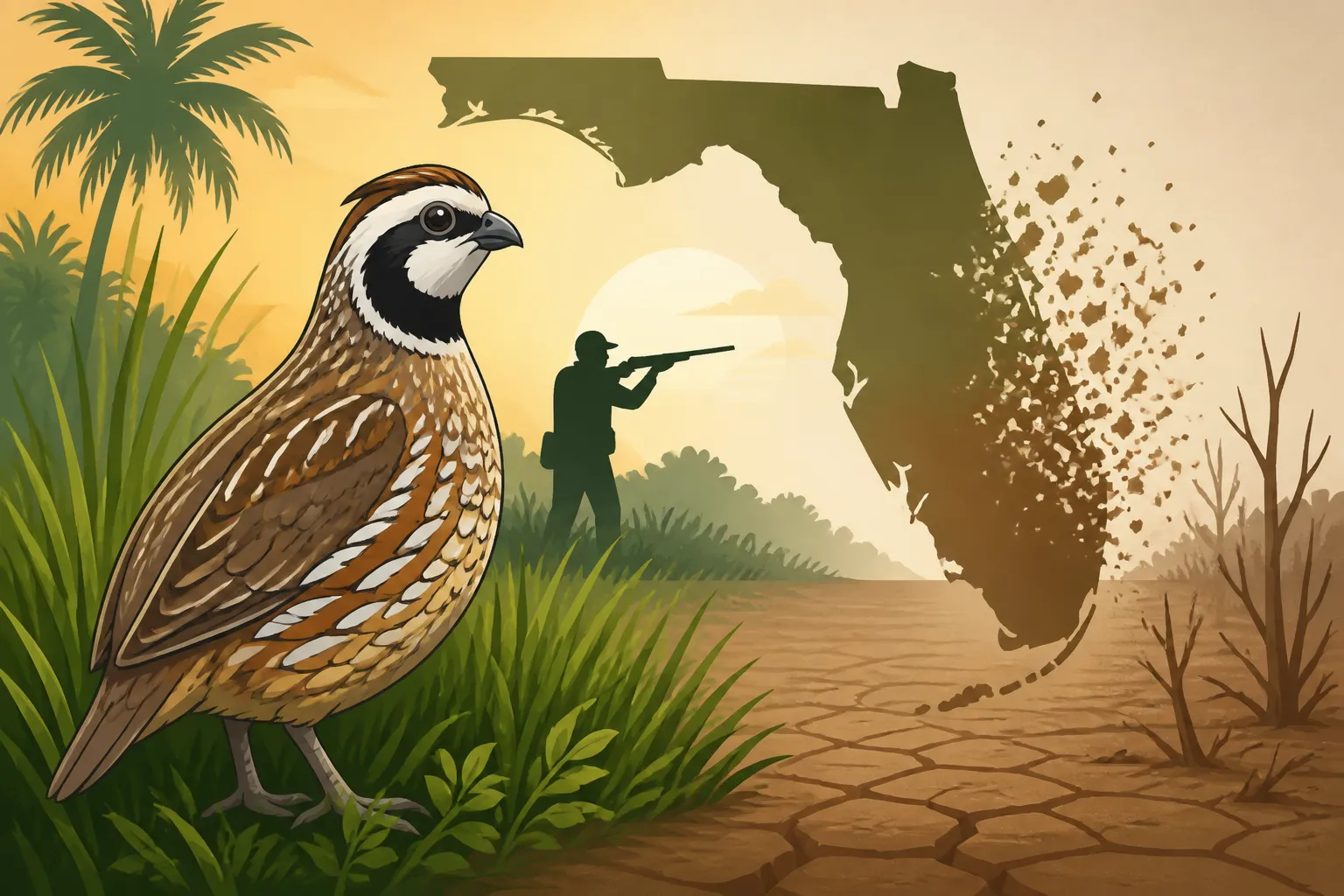
If you've spent any time hunting or just observing wildlife in Central Florida over the past few decades, you've likely noticed a disheartening trend: the once-ubiquitous wild quail coveys are simply not there like they used to be. It's a common lament among seasoned outdoors enthusiasts, and it's a frustration that many of us feel deeply. This guide aims to pull back the curtain on the complex reasons why these iconic game birds have largely faded from the central part of our Sunshine State.
The Ghost of Coveys Past: Central Florida's Quail Heyday
It's hard for younger generations to truly grasp just how prolific wild bobwhite quail once were across Central Florida. My granddaddy used to tell me stories of flushing covey after covey just walking through old fields and piney woods outside of what are now bustling cities. Back then, the landscape was a patchwork quilt of longleaf pine forests, open wiregrass prairies, and sprawling cattle pastures dotted with palmetto and oak hammocks. This wasn't just good habitat; it was perfect bobwhite quail country.
A Natural Habitat Made for Quail
Think about what a quail needs to thrive: dense, low cover for nesting and escape, open ground for foraging on seeds and insects, and bare sand patches for dusting. The historic Central Florida landscape offered all of this in abundance. The sandy soils supported a diverse understory that produced tons of native seeds. Periodic natural fires, often started by lightning, kept the undergrowth from becoming too thick, creating a mosaic of open spaces and protective cover. This dynamic, fire-driven ecosystem was a quail paradise, allowing populations to flourish year after year. Bobwhite Quail in Florida were not just present; they were a foundational part of the ecological fabric here.
Early Hunting and Healthy Populations
Even with regular hunting pressure, the quail populations in Central Florida remained robust for decades. Hunters would enjoy fantastic days afield, often with pointing dogs that knew exactly where to find those tight-holding coveys. The seasons were generous, and bag limits reflected a healthy, sustainable population. There was a respectful balance – hunters took their share, but the vast habitat ensured that plenty of birds remained to repopulate in the spring. It was a time when the sound of a flushing covey was as much a part of the Florida soundscape as chirping cicadas on a summer afternoon.
The Relentless March of Habitat Loss
If you ask any biologist or long-time hunter why quail faded from Central Florida, habitat loss will be the first answer you hear, almost without exception. It's the undisputed heavyweight champion of quail decline, directly impacting their ability to nest, feed, and escape predators. The very land that once provided ideal conditions has been dramatically altered.
Urban Sprawl and Development's Relentless Spread
Central Florida has seen explosive growth over the last 50-70 years. What were once vast expanses of rural land are now subdivisions, shopping centers, and sprawling infrastructure. Think about the areas around Orlando, Lakeland, Tampa, and even smaller towns like Ocala or Sebring. Citrus groves that once provided some, albeit not perfect, quail cover have been bulldozed for housing developments. Pastures where birds once fed have been paved over. For those of us using modern tools like GoHunt, it's easy to see how fragmented some of these once-vast wild spaces have become when looking at current satellite imagery.
This isn't just about losing some land; it's about losing connected land. Quail are not strong fliers and rely on continuous habitat to move between feeding areas and cover. When development chops up their world into isolated islands of suitable habitat, they become vulnerable. They can't find new mates, genetic diversity declines, and they're easily picked off by predators when forced to cross open, dangerous ground. The sheer scale of this conversion has left very little contiguous quail habitat in its wake.
Intensified Agriculture and Monoculture
While agriculture itself can provide some quail habitat, especially in diversified farming systems, modern agricultural practices have often worked against quail. In Central Florida, this meant a shift away from smaller, more diverse farms with hedgerows and fallow fields towards larger, more intensely managed operations. Monoculture farming, where vast tracts are dedicated to a single crop like corn or sod, leaves little room for the varied cover and food sources quail need.
The wide-scale use of herbicides eliminates the "weeds" that produce crucial seeds and support insect populations, which are vital for quail chick survival. Tilling practices also destroy nests and disturb critical ground cover. What might look like a green field from the road often offers little in terms of nesting cover or diverse food options for a covey trying to survive. The old, brushy fencerows and neglected corners that once served as quail havens have largely been "cleaned up" in the name of efficiency, leaving the birds nowhere to go.
Fire Suppression and Forest Management Practices
Perhaps one of the most insidious forms of habitat degradation has been the alteration of natural fire regimes. As mentioned earlier, Central Florida's native ecosystems are fire-dependent. Without regular, low-intensity fires, the understory of pine forests becomes incredibly dense, creating a "dog-hair thicket" that is too choked for quail to navigate or find food in. This dense growth also allows ground predators to move through unseen, making quail far more vulnerable.
Historically, lightning strikes would often ignite small fires that would burn through the understory, clearing out brush, promoting new growth of herbaceous plants (which produce seeds), and maintaining the open, park-like conditions quail prefer. Aggressive fire suppression efforts for much of the 20th century, understandable from a human safety perspective, inadvertently destroyed vital quail habitat by allowing these ecosystems to "succeed" into conditions that were no longer suitable for bobwhites. Forest management that prioritized timber production over wildlife diversity, often involving clear-cutting without thought to native groundcover restoration, also contributed significantly to the Florida Bobwhite Quail Decline.
The Predator Paradox and Other Pressures
While habitat loss is the undeniable primary driver, it's important not to overlook other significant pressures that contribute to the ongoing struggle of wild quail populations in Central Florida. These factors often exacerbate the problems created by fragmented and degraded habitat, making survival even tougher for these small, ground-nesting birds.
Rising Predator Populations and Overwhelming Pressure
It’s not just in Central Florida, but across the state, we’ve seen shifts in predator populations. Coyotes, for instance, were not historically native to Florida but have become widespread and successful. Their presence adds significant pressure on ground-nesting birds like quail. Beyond coyotes, we have healthy populations of bobcats, raccoons, opossums, and even raptors like hawks and owls, all of whom consider quail and their eggs a prime food source.
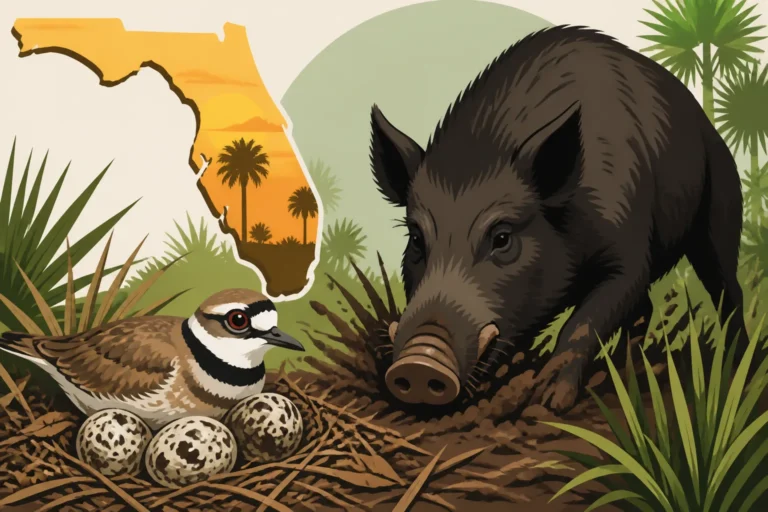
The problem isn't necessarily that there are more predators in total, but that quail are now confined to smaller, more isolated patches of habitat. This concentrates both the prey and the predators, making it far easier for predators to locate and exploit quail nests and broods. Imagine a small island with limited escape routes; any predator that arrives can have a devastating impact. Feral hogs also play a destructive role, not just by preying on nests and chicks, but also by rooting up the very plants that provide food and cover. How Many Feral Hogs Florida Has is a staggering number, and their widespread impact is felt by many ground-nesting species. This constant pressure, coupled with reduced habitat, makes it incredibly difficult for quail populations to rebound naturally. Florida Coyote Range and Density maps often show their presence overlapping significantly with historical quail ranges.
Disease, Parasites, and Genetic Isolation
While less studied than habitat and predation, disease and parasite loads can also impact quail populations, particularly when birds are stressed or living in less-than-ideal conditions. High densities of parasites, like cecal worms, can weaken birds, making them more susceptible to disease or less able to evade predators.
Furthermore, with populations becoming smaller and more isolated due to habitat fragmentation, there's a risk of reduced genetic diversity. This can lead to inbreeding and a decrease in the overall fitness and resilience of the remaining birds. A genetically weak population is less able to adapt to environmental changes, resist disease, or maintain vigorous reproductive rates, further hindering any recovery efforts.
Pesticide Use and Insect Decline
Quail chicks, in their first few weeks of life, are almost entirely dependent on insects for their protein needs. These tiny, rapidly growing birds require a constant supply of caterpillars, grasshoppers, beetles, and other invertebrates to develop properly. If insect populations are scarce, chick survival plummets, regardless of how good the nesting cover might be.
Widespread pesticide use in both agricultural and urban areas has had a significant, negative impact on insect populations. From mosquito spraying to crop protection, these chemicals can inadvertently reduce the food base that quail chicks rely upon. Without this critical food source, even if a covey successfully hatches a brood, the chicks simply won't survive to adulthood, severing the reproductive chain and contributing to the overall Florida Bobwhite Quail Decline. This often goes hand-in-hand with the agricultural intensification discussed earlier.
A Glimmer of Hope: Conservation and Restoration
Despite the challenging landscape, it's not all doom and gloom for wild bobwhite quail in Central Florida. Dedicated conservationists, landowners, and government agencies are working tirelessly to understand the factors at play and implement strategies to bring back these cherished birds. It's an uphill battle, but progress is being made in certain areas, reminding us that with effort, the ghost of coveys past might yet stir.
The Return of Prescribed Fire and Active Habitat Management
One of the most powerful tools in quail restoration is the reintroduction of prescribed fire. Land managers, including state and federal agencies, have recognized the critical role fire plays in maintaining healthy pineland and prairie ecosystems. Controlled burns mimic natural processes, reducing dense undergrowth, stimulating new growth of beneficial plants, and creating the open, diverse conditions that quail need. Florida Quail Habitat Restoration Efforts are heavily focused on this practice.
Beyond fire, active habitat management involves selective thinning of trees, planting native grasses and forbs, and creating brush piles for escape cover. These efforts aim to recreate the mosaic of habitats that historically supported robust quail populations. It's a long-term commitment, requiring consistent effort and resources, but the results in areas where it's successfully implemented can be truly encouraging.
Private Land Initiatives and Landowner Stewardship
While public lands play a vital role, the sheer amount of private land in Central Florida means that private landowners are absolutely crucial to quail recovery. Many landowners, from small family farms to large ranch operations, are taking steps to manage their property with quail in mind. This might involve setting aside fallow fields, planting native warm-season grasses, managing timber stands for open understories, and controlling invasive species.
Several state and federal programs offer technical assistance and even financial incentives to landowners interested in habitat restoration. Working with wildlife biologists, these landowners can develop tailored plans for their specific property. Using mapping tools, maybe even an app like GoHunt, can help landowners visualize how to connect these vital habitat patches and track their progress over time. These private land efforts, though often localized, collectively form a significant part of the larger conservation picture.
The Role of Hunter Education and Awareness
Hunters have always been at the forefront of conservation, and their role in quail recovery is no different. Through license fees and excise taxes on hunting equipment, hunters provide significant funding for wildlife management and habitat restoration. Beyond financial contributions, educated hunters can become vocal advocates for quail conservation.
Understanding the complexities of quail ecology, supporting organizations dedicated to habitat work, and practicing ethical hunting that respects sustainable populations are all ways hunters contribute. While bag limits for quail in Central Florida are generally conservative given the current population levels, understanding the why behind those limits and pushing for proactive habitat work is essential. It takes dedicated effort, often informed by detailed scouting and mapping, something any hunter using GoHunt understands, to identify even residual small game opportunities in today's landscape. Small Game and Predator Hunting in Florida covers some of these broader topics relevant to small game populations.
Factors Influencing Wild Quail Decline in Central Florida
| Factor Category | Specific Contributing Factors | Impact on Quail Populations |
|---|---|---|
| Habitat Loss | Urban Sprawl, Residential Development, Infrastructure Expansion | Direct removal of habitat; fragmentation into isolated patches; barriers to movement and dispersal. |
| Agricultural Intensification, Monoculture Farming | Reduction of diverse food sources and cover; chemical use (herbicides, pesticides); destruction of fencerows and edge habitat. | |
| Fire Suppression, Unsuitable Forest Management | Leads to dense, choked understory unsuitable for nesting, brooding, or foraging; changes plant composition; reduces seed production. | |
| Predator Pressure | Increase/Expansion of Generalist Predators (Coyotes, Hogs) | Increased predation on nests, chicks, and adult birds; concentrated predation in fragmented habitats. |
| Mesopredator Abundance (Raccoons, Opossums, Skunks) | Significant nest predation, especially in areas with reduced escape cover. | |
| Other Environmental | Pesticide Use and Insect Decline | Reduces critical insect food source for quail chicks, leading to high mortality rates for young birds. |
| Disease and Parasites | Can weaken birds, reduce reproductive success, and increase susceptibility to predation, especially in stressed or genetically less diverse populations. | |
| Climate Change (Extreme Weather Events) | Disrupts nesting cycles, reduces food availability, increases stress, potentially impacts habitat quality in the long term (e.g., changes in rainfall patterns). |
The fading of wild quail from Central Florida is a complex story, but one primarily driven by the dramatic changes to their habitat. From sprawling developments to altered natural processes and increased predator pressures, these challenges have created an uphill battle for these beloved birds. While a return to the abundance of yesteryear might be a distant dream, concerted efforts in habitat restoration, prescribed fire, and landowner engagement offer a beacon of hope for their continued, if limited, presence in the Sunshine State.
Disclaimer
This article is for general informational purposes only and does not constitute professional advice. Laws, prices and regulations vary by location and change over time. Consult a qualified professional for guidance on your specific situation.