Florida’s Deer Disease Monitoring Program
It's disheartening to encounter a deer that seems unwell, or even worse, find a deer that has succumbed to an unknown illness. For many of us who cherish Florida's abundant wildlife and the tradition of hunting, the health of our deer herds is a constant concern. We see the impacts of environmental changes and sometimes hear whispers of diseases, leaving us wondering what's truly happening and what we, as responsible hunters, can do. This comprehensive guide will walk you through Florida's robust deer disease monitoring program, explaining the "why" and "how" behind it, and most importantly, detailing the crucial role you play in keeping our deer populations healthy and thriving for generations to come.
The Imperative for Florida's Deer Disease Monitoring
The sight of a robust, healthy buck or a sleek doe and her fawns is one of the most rewarding aspects of spending time in Florida's wild places. These animals aren't just targets for hunters; they are integral threads in the rich tapestry of our ecosystems. When deer populations are healthy, the entire natural community benefits, from the predators that rely on them to the plant life they help shape. But just like any population, deer face a constant barrage of threats, and diseases are among the most insidious and impactful, often spreading silently before they become obvious.
Why Healthy Deer are the Cornerstone of Florida's Hunting Heritage
For those of us who grew up with a deer rifle in hand or an archery tag in our pocket, the health of Florida's deer herd isn't just an ecological concern; it's deeply personal. A healthy deer population means sustainable hunting opportunities, vibrant ecosystems, and the continuation of a cherished outdoor tradition that spans generations. When deer are stressed by disease, it can ripple through the entire population, impacting fawn survival rates, antler growth, and overall herd numbers, ultimately affecting our ability to pursue the sport we love. We've all heard stories, or maybe even witnessed firsthand, localized die-offs or a noticeable decline in deer quality in certain areas, and that can really make you worry about the future. The Florida Fish and Wildlife Conservation Commission (FWC) understands this deep connection and the importance of proactive management, which is why their monitoring program is so vital. This isn't just about scientific data; it's about safeguarding a legacy.
Protecting the health of our deer goes far beyond just maintaining hunting numbers. It's about ensuring ecological balance. Deer play a crucial role as grazers and browsers, influencing plant diversity and providing a food source for numerous other species, including our native Florida panthers and bobcats. A widespread disease outbreak could disrupt this delicate balance, leading to unintended consequences throughout the ecosystem. The long-term health of these animals means the continued health of the environments we love to explore and hunt, from the dense palmetto thickets to the vast pine forests.
Recognizing the Silent Threats: Common Deer Ailments in Florida
Deer, like any wild animal, are susceptible to a range of illnesses, some of which are endemic to certain regions and others that can emerge unexpectedly. These ailments can be caused by viruses, bacteria, parasites, or even environmental toxins. What makes deer diseases particularly challenging is that the early signs can be subtle, and by the time symptoms are obvious, the disease may have already spread within a local population. It’s not always as dramatic as finding a sick animal; sometimes it's just a general decline in the herd’s vigor or unusual behavior that catches a seasoned hunter's eye.
Among the most talked-about diseases in recent times is Chronic Wasting Disease (CWD), a neurological illness that is always fatal and has no known cure. While relatively new to Florida's confirmed list, its presence in other states has made it a significant concern for wildlife managers and hunters nationwide. Beyond CWD, Florida deer can also contend with diseases like Hemorrhagic Disease, often referred to as EHD (Epizootic Hemorrhagic Disease) or Bluetongue Virus. These are seasonal, insect-borne viruses that can cause severe illness and localized die-offs, especially during late summer and early fall droughts when deer congregate near water sources, making them more vulnerable to biting midges that transmit the disease. While generally not a long-term threat to the entire statewide population, an outbreak can devastate a local herd, and it's heartbreaking to see.
Beyond these more prominent diseases, deer can also suffer from various other conditions, including internal parasites like liver flukes, lungworms, or brain worms, which can weaken animals, making them more susceptible to other illnesses or predation. Bacterial infections, often secondary to injuries or other stresses, can also impact individual deer. The key is that these diseases often present with similar non-specific symptoms such as lethargy, emaciation, excessive drooling, or unusual behavior, making it difficult for an untrained eye to distinguish one from another. This is precisely why a coordinated, scientific monitoring program is so vital, and why hunter observations are so crucial in the early stages.
FWC's Comprehensive Strategy for Deer Health Surveillance
The Florida Fish and Wildlife Conservation Commission (FWC) takes the health of our deer herds incredibly seriously. They understand that robust wildlife populations are the foundation of Florida’s natural heritage and outdoor recreation. Their approach to deer disease monitoring isn't haphazard; it's a well-thought-out, multi-faceted strategy designed to detect, manage, and prevent the spread of diseases, ensuring that our deer remain healthy and productive. It’s a huge undertaking, covering millions of acres and countless deer, but they've built a system that relies on both scientific expertise and the invaluable eyes and ears of Florida's outdoorsmen and women.
Building a Watchful Network: FWC's Approach to Early Detection
FWC's proactive stance on wildlife health means they're not just waiting for an outbreak to happen. Instead, they operate a sophisticated surveillance network across the state. This network involves a combination of field observations by FWC biologists and law enforcement officers, targeted sample collection, and an intricate laboratory testing process. Biologists regularly monitor deer populations, paying close attention to population trends, body condition, and any unusual behavior. They are trained to spot the subtle indicators of illness that might go unnoticed by others. This continuous presence in the field, often working in areas where hunters rarely go, provides a baseline understanding of herd health.
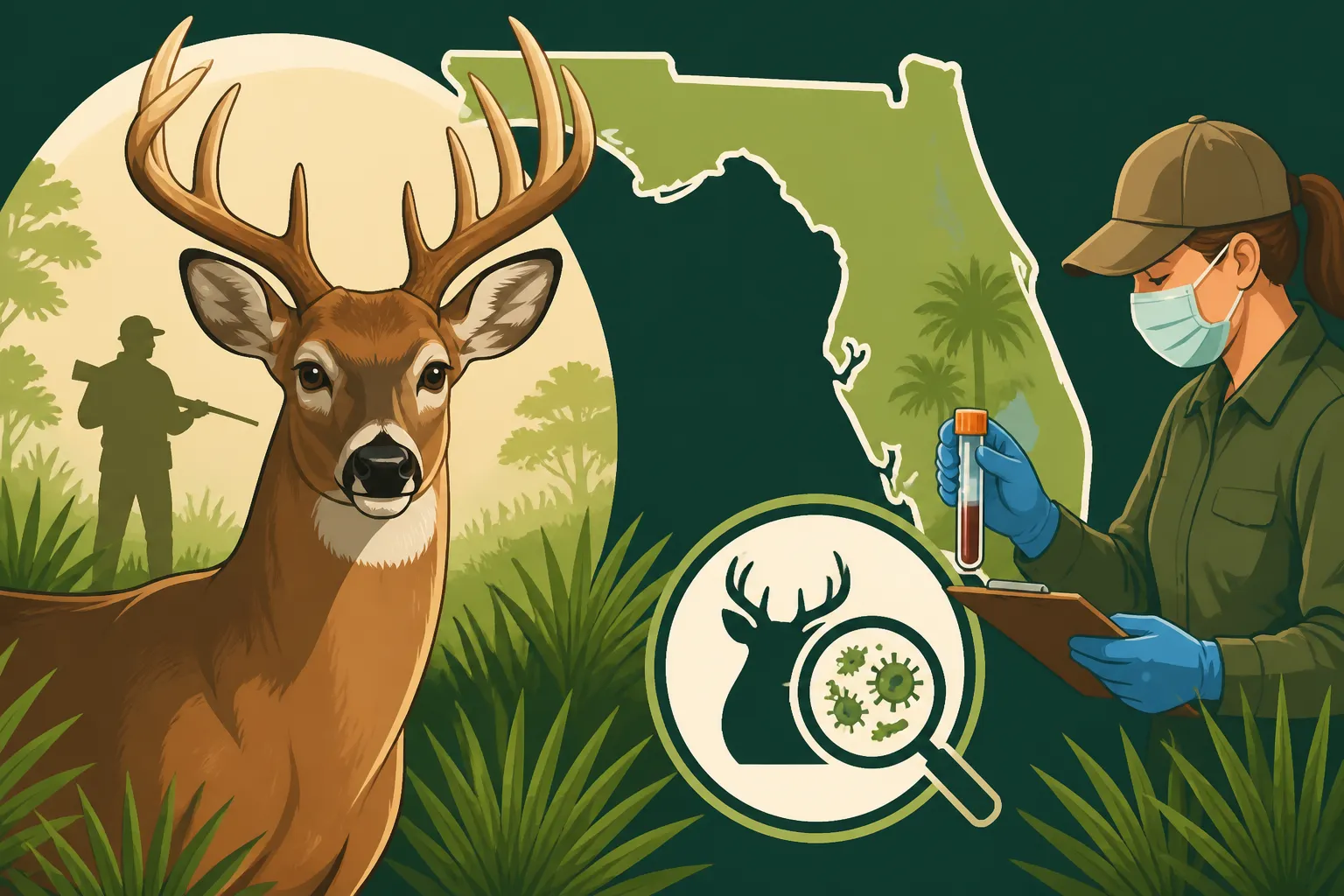
In addition to direct observation, FWC employs targeted sample collection strategies. This means they're actively seeking samples from deer that exhibit symptoms of illness, as well as from hunter-harvested deer, particularly in areas of concern or as part of routine CWD surveillance. These samples might include lymph nodes, brain tissue, or other organs, depending on the specific disease they are testing for. They also coordinate with roadkill removal services to collect samples from deer involved in vehicle collisions, as these animals often provide valuable data points without requiring additional harvesting efforts. This widespread collection ensures a broad geographical and temporal assessment of deer health.
Data Collection and Analysis: The Science Behind Conservation Decisions
Once samples are collected, the real scientific work begins. FWC collaborates with specialized wildlife disease laboratories, often including university partners and federal agencies, to conduct thorough testing. These labs are equipped with advanced diagnostic tools capable of identifying a wide array of pathogens. For instance, CWD testing involves specific immunohistochemistry tests on brain or lymph node tissue to detect the abnormal prion proteins. This type of analysis is highly specialized and requires expertise that extends beyond typical veterinary diagnostics. You might not see it happening, but there's a huge amount of effort behind the scenes to process and interpret these results.
The data gathered from these samples is meticulously compiled and analyzed. FWC tracks trends over time, looking for any spikes in particular diseases, changes in geographical distribution, or correlations with environmental factors. This data isn't just stored away; it's used to make critical conservation decisions. For example, if testing reveals a new disease presence or a significant increase in an existing one, FWC can implement targeted management actions. These might include increased surveillance in specific areas, public advisories for hunters, or even regulatory changes to help prevent further spread. The transparent sharing of this information, often available through official FWC publications and online resources, helps hunters understand the health status of deer in their preferred hunting zones. Understanding how FWC uses this data can really help you appreciate the science that underpins sound wildlife management. You can often review statistics and trends in Florida Deer Harvest Records and Reading a Florida Harvest Report available through FWC.
Empowering Hunters: Your Role in Florida's Disease Monitoring Program
As hunters, we are arguably the most important eyes and ears for wildlife agencies when it comes to disease monitoring. We spend countless hours in the woods, observing deer behavior, spotting unusual movements, and ultimately, handling harvested animals. We notice things that a biologist, however dedicated, might never see during routine surveys. This intimate knowledge of our hunting grounds and the deer that inhabit them makes us indispensable partners in keeping Florida's deer herd healthy. It's not just about taking an animal; it's about being a steward of the resource, and that includes being vigilant about disease.
From Field Observation to Formal Reporting: What to Look For and How to Act
When you're out there, whether you're Scouting With the Florida FWC App during the off-season or sitting quietly in a stand during the rut, keep an eye out for anything that seems "off" with the deer you observe. A healthy deer is typically alert, moves fluidly, and has a sleek coat. Signs of illness can manifest in many ways. Look for deer that appear excessively thin or emaciated, especially if it's not late season after a tough winter (which is less common in Florida). Watch for unusual behavior such as disorientation, staggering, standing with an arched back, excessive drooling, or a loss of fear of humans. You might see a deer that is constantly twitching or convulsing.
If you observe a deer exhibiting these symptoms, it's crucial to report it to FWC immediately. Don't assume someone else will. The sooner FWC knows, the sooner they can investigate and potentially contain a problem. Many hunters use tools like GoHunt for planning and scouting, but remember that FWC has their own dedicated app where you can often make these kinds of observations and reports. When reporting, try to be as specific as possible about the location, the date and time of your observation, and a detailed description of the deer's behavior and physical condition. Photos or videos, if safely obtained, can also be incredibly helpful for biologists trying to assess the situation. Remember, you're not just reporting a sick deer; you're providing crucial intelligence that helps protect the entire herd.
The Critical Task of Sample Submission: When and Where to Help
Beyond simply observing and reporting sick animals, hunters play an even more direct role in disease monitoring through sample submission, especially concerning diseases like CWD. When you harvest a deer, particularly in specific surveillance zones, FWC may request or even require you to submit certain tissues for testing. This is a critical step because a deer can be infected with CWD for an extended period before showing any outward signs of illness. Testing apparently healthy deer provides a much clearer picture of disease prevalence and geographical spread.
FWC typically establishes designated check stations or drop-off locations during hunting seasons, particularly in areas identified for enhanced surveillance, such as the CWD Management Zone. These locations are usually staffed by FWC personnel who can explain the process, collect the necessary samples (often lymph nodes or a portion of the brainstem), and provide you with information on testing results. It’s a simple process that usually takes just a few minutes, but it provides invaluable data. If you hunt in an area with special requirements, make sure you're aware of them before you head out. These requirements might also dictate rules for Moving a Deer Carcass Out of a Surveillance Zone, so always check the latest regulations. Even if not required, if you harvest a deer that looks unwell or otherwise suspicious, consider reaching out to FWC to ask about submitting a sample. It's a small effort that contributes enormously to wildlife conservation.
Tackling Specific Diseases: CWD and Other Concerns
Florida’s wildlife managers and hunters alike have been on high alert for specific deer diseases that pose significant threats to herd health. While various ailments can impact deer, two categories tend to dominate discussions: Chronic Wasting Disease (CWD) due to its devastating nature and widespread concern, and Hemorrhagic Disease (EHD/Bluetongue) due to its more frequent, though often localized, occurrences. Understanding these specific threats and how FWC monitors them is crucial for every Florida hunter.
Florida's Vigilance Against Chronic Wasting Disease CWD
The news of Florida's first confirmed case of Chronic Wasting Disease (CWD) was a major blow to the hunting community and wildlife managers. It immediately put the state on a heightened level of alert, similar to what other states have experienced. CWD is a progressive, fatal neurological disease that affects cervids (deer, elk, moose, and caribou). It's caused by abnormal proteins called prions that slowly accumulate in the brain and other tissues. The scary part is that it can have a long incubation period, meaning a deer can carry and shed the prions for months or even years before showing any symptoms, making detection and containment incredibly difficult. This is why Florida's Single Confirmed CWD Case sparked such a rapid and robust response.
Following the confirmation of CWD, FWC quickly established a CWD Management Zone, which includes specific areas where enhanced surveillance and regulations are in place. For instance, Florida's Holmes County CWD Zone became a focal point for increased monitoring efforts. Within these zones, hunters often face specific requirements, such as mandatory testing of harvested deer, restrictions on moving deer carcasses or certain parts out of the zone, and limitations on baiting. These measures, while sometimes inconvenient, are absolutely critical to minimize the potential spread of the disease. FWC has significantly ramped up CWD Testing for Florida Hunters, urging and sometimes requiring hunters to submit samples from harvested deer. The goal is to detect any further spread early and understand the extent of the disease so that appropriate, science-based management actions can be taken. As hunters, adhering to these rules and participating in testing is our most direct contribution to fighting CWD.
Understanding Hemorrhagic Disease EHD/Bluetongue and Its Impact
While CWD is a relatively new and terrifying threat, Hemorrhagic Disease (HD), encompassing both Epizootic Hemorrhagic Disease (EHD) and Bluetongue Virus (BTV), is something Florida hunters have dealt with for a long time. These are acute, infectious diseases transmitted by biting midges, often called "no-see-ums" or gnats. HD outbreaks are most common in late summer and early fall, particularly during periods of drought when deer congregate near shrinking water sources, creating ideal conditions for the midges to thrive and spread the virus. We've all been out there when those little devils are swarming, and it's easy to see how they could transmit something.
Symptoms of HD can vary in severity. Mild cases might go unnoticed, but more severe cases can be devastating. Affected deer may develop a high fever, become lethargic, lose their appetite, and show swelling in the head, neck, tongue, and eyelids. They might have a blue tongue (hence "Bluetongue Virus") and develop ulcers or sores in their mouth. Often, sick deer will seek out water to cool themselves, which is why they are frequently found dead near ponds, streams, or ditches. While HD can cause significant localized die-offs, it typically doesn't threaten the entire statewide deer population in the same way CWD does. Deer that survive exposure often develop immunity. FWC monitors HD outbreaks through hunter reports and observations from their field staff. While there's no vaccine or direct treatment for HD in wild deer, understanding its prevalence helps FWC track herd health and distinguish these cyclical die-offs from other, more insidious threats.
Sustaining Healthy Herds: The Path Forward for Florida Deer
The work of protecting Florida's deer from disease is never truly done. It's an ongoing process that requires constant vigilance, adaptability, and a strong partnership between state agencies and the hunting community. As landscapes change, climate patterns shift, and new disease threats emerge, the strategies for maintaining healthy herds must also evolve. This commitment to adaptive management and collaborative efforts is what will ensure that Florida's deer populations remain robust for future generations to enjoy.
Adapting to New Challenges: The Evolution of Disease Management
Wildlife disease management is not static; it's a dynamic field that constantly incorporates new scientific findings, technological advancements, and lessons learned from past experiences. FWC's program is designed to be adaptive, meaning it can pivot and adjust based on emerging data or new threats. For instance, the confirmed presence of CWD immediately triggered a cascade of updated protocols, research initiatives, and public outreach efforts. This responsiveness is crucial in a state as ecologically diverse and biologically active as Florida. They're always learning, always refining, and always looking for better ways to protect our resources.
This adaptive approach also means that FWC invests in research to better understand disease ecology, transmission pathways, and the specific vulnerabilities of Florida's unique deer populations. They collaborate with researchers to develop more efficient diagnostic tools and explore potential management interventions. We might see changes in testing protocols, carcass disposal guidelines, or even hunting regulations as new information becomes available. It's all part of a continuous effort to stay ahead of potential problems and ensure the long-term health of our wildlife. For example, if you're curious about the state's overall deer population, FWC regularly assesses it, providing data on Florida Deer Herd Size and other population metrics that can be influenced by disease.
The Enduring Partnership Between Hunters and Conservation
Ultimately, the success of Florida's deer disease monitoring program hinges on the strong, enduring partnership between FWC and the state's hunting community. We, as hunters, are on the front lines. Our passion for the outdoors, our deep connection to wildlife, and the sheer amount of time we spend in the field make us invaluable assets in this conservation effort. We're not just consumers of the resource; we're its most dedicated stewards. From reporting unusual observations to willingly submitting samples and adhering to regulations, every hunter's contribution matters.
By actively participating in programs, staying informed, and following guidelines, we help FWC gather the critical data needed to make sound management decisions. Our willingness to do things like submit a sample for Florida's Deer Disease Monitoring Program testing or report a sick animal through the Reporting a Deer Through Florida's App strengthens the overall health of the herd. It ensures that the legacy of hunting in Florida continues, rooted in healthy wildlife populations and ethical practices. This collaboration isn't just about managing disease; it's about a shared commitment to the future of Florida's wild spaces and the incredible animals that call them home.
| Disease Type | Primary Symptoms (Hunter Observation) | Hunter Action Recommended | Special Concerns for Florida |
|---|---|---|---|
| Chronic Wasting Disease (CWD) | Extreme weight loss, disorientation, excessive drooling, lethargy, loss of fear of humans, unusual behavior. | Report sick/unusual deer to FWC; submit samples from harvested deer in surveillance zones. | Florida has a confirmed case and a CWD Management Zone with specific rules. Always check local regulations. |
| Hemorrhagic Disease (EHD/Bluetongue) | Lethargy, high fever, swelling of head, neck, and tongue; excessive drooling; seeking water; often found dead near water sources. | Report multiple dead deer or deer showing severe symptoms to FWC. | Cyclical outbreaks common in late summer/early fall, especially during drought. |
| Parasitic Infections (e.g., Liver Flukes) | Emaciation, dull coat, lethargy, sometimes visible cysts/lesions (post-harvest). | If discovered during field dressing, report to FWC or local wildlife biologist if concerned. | Common in wet, marshy areas. Usually not a population-level threat but can weaken individuals. |
| Bacterial Infections | Lumps/abscesses, lameness, general ill thrift, usually secondary to injury or other stress. | Report if widespread or if individual deer shows severe symptoms. | Can occur anytime, often affecting individual deer rather than large populations. |
Disclaimer
This article is for general informational purposes only and does not constitute professional advice. Laws, prices and regulations vary by location and change over time. Consult a qualified professional for guidance on your specific situation.