Black Bears in Florida
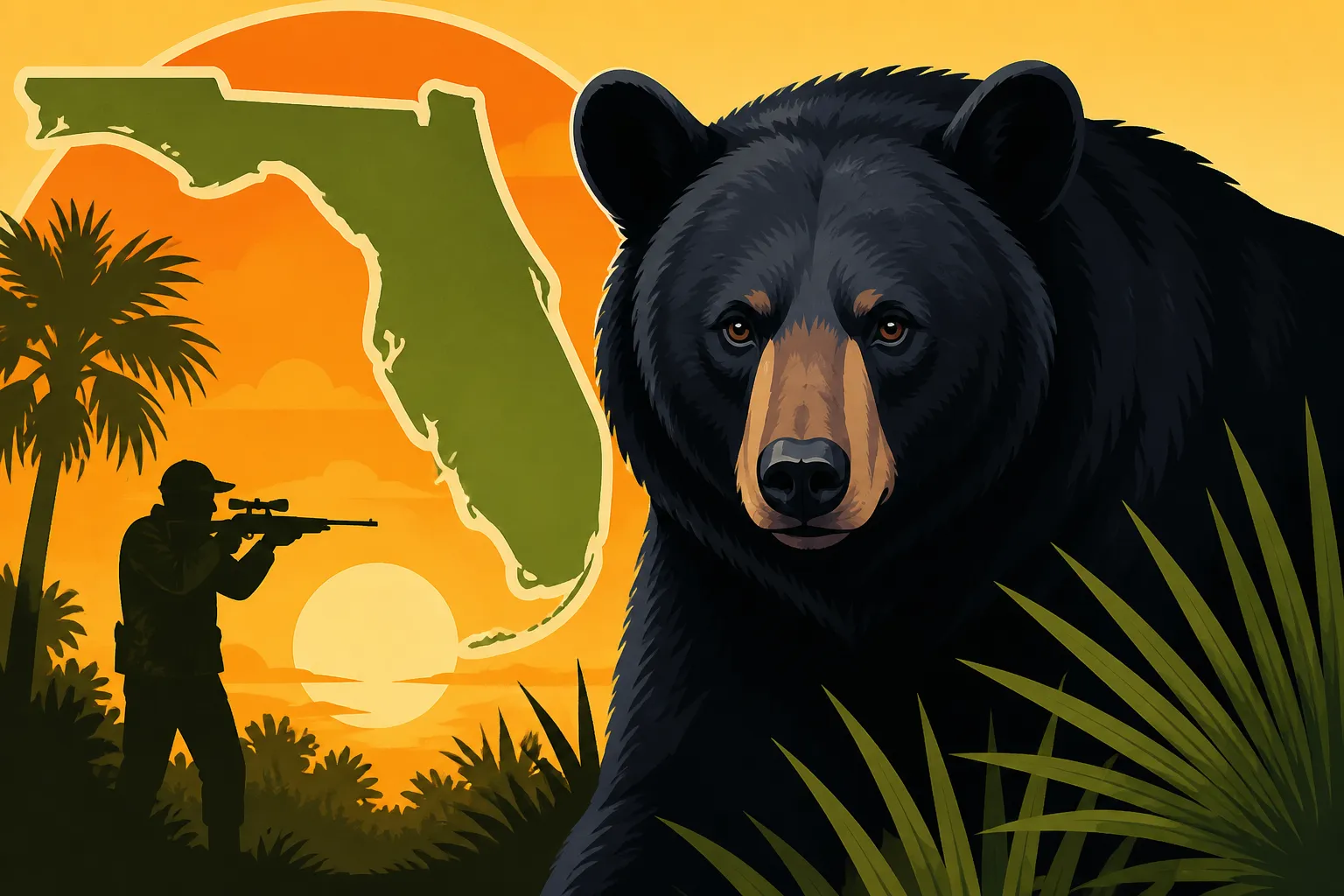
It’s easy to think of Florida as a place only for sunshine, beaches, and alligators, completely overlooking the fact that we share our wild spaces with one of North America's most iconic mammals: the black bear. Many folks are surprised to learn that Florida has a thriving black bear population, and even more are confused about their behavior and how to coexist safely. This comprehensive guide will pull back the curtain on Florida’s black bears, helping you understand their remarkable comeback, where they live, how they behave, and what we can all do to be good neighbors in their territory.
The Remarkable Resurgence of Florida's Black Bear Population
For many years, the idea of seeing a black bear in Florida was something of a myth, a rare sighting relegated to deep, remote swamps. But that narrative has changed dramatically. Florida's black bear population has experienced one of the most incredible wildlife comebacks in the state's history, a true testament to dedicated conservation efforts and the bears' resilience. This isn't just a feel-good story; it’s a living example of how focused management and habitat protection can bring a species back from the brink.
From Near Extinction to Thriving Numbers
Back in the 1970s, the future of Florida's black bears looked grim. Their numbers had dwindled to an estimated 300-500 individuals, scattered in isolated pockets across the state. This drastic decline was primarily due to habitat loss and fragmentation, as Florida's booming human population expanded into wild areas, coupled with unregulated hunting pressure in earlier decades. They were largely confined to a few wilderness strongholds, like the Ocala National Forest, and even there, their presence was tenuous. It was a bleak picture for these magnificent animals, and many believed they were destined to become a forgotten part of Florida's natural heritage.
However, a shift in public perception and policy began to take hold. The Florida Fish and Wildlife Conservation Commission (FWC), along with countless conservation groups and concerned citizens, recognized the urgent need to protect what remained of the bear population. This led to their listing as a threatened species in 1974, providing them with critical legal protection. Efforts began to focus on preserving and connecting large tracts of habitat, understanding their biology, and educating the public about these shy creatures. It was a slow, arduous process, but the groundwork was being laid for an extraordinary recovery.
Why the Population Rebounded So Dramatically
The recovery of the Florida black bear is a success story built on a foundation of scientific management and habitat preservation. One of the most significant factors was the establishment and expansion of public lands, like national forests and state wildlife management areas. These large, protected areas provided crucial refuges where bears could thrive without constant human disturbance. Initiatives to connect these fragmented habitats, such as wildlife corridors and underpasses, played a vital role in allowing bears to move safely between areas, reducing isolation and promoting genetic diversity. Without these dedicated land protections, the bears simply would not have had the space to expand.
Another critical component was the shift in public attitude and law enforcement. The classification of bears as a threatened species meant an end to unregulated hunting, and strict penalties were put in place for poaching. Education campaigns helped Floridians understand the importance of bears in the ecosystem and how to live responsibly alongside them, reducing accidental killings and fostering a sense of stewardship. This commitment to protection, combined with the bears' natural adaptability and reproductive capacity once given a chance, allowed their numbers to steadily climb. Today, the estimated Florida Bear Population Estimate stands at over 4,000 individuals, a remarkable turnaround from the desperate figures of forty years ago, proving just how effective long-term conservation can be. This incredible journey highlights How Florida's Bear Population Rebounded Since the 1970s and gives us hope for other wildlife species.
Understanding Florida's Bear Subpopulations
While the Florida black bear population as a whole has recovered, it’s not a uniform blanket of bears spread across the entire state. Florida is a vast and ecologically diverse state, and its bear populations reflect this mosaic of habitats. The FWC manages bears based on distinct regional subpopulations, often referred to as Bear Management Units (BMUs), each with its own unique characteristics and challenges. Understanding these divisions is key to appreciating the localized nuances of bear conservation and human-bear interactions.
Key Bear Management Units Across the State
Florida's black bear population is primarily divided into several distinct subpopulations, or Bear Management Units (BMUs). These units are not just arbitrary lines on a map; they represent areas where bears have established territories, often separated by major highways, urban development, or extensive agricultural lands that act as barriers to movement. For instance, the Apalachicola BMU in the Panhandle, encompassing the vast Apalachicola National Forest, is one of the largest and most robust, home to a significant number of bears. Further east in the Panhandle, the Blackwater BMU also supports a healthy population, sharing habitat with areas like Blackwater River State Forest.
Moving south into the peninsula, the Ocala BMU in Central Florida is perhaps the most well-known, centered around the Ocala National Forest. This area has historically been a stronghold for bears and continues to be a crucial habitat. Down toward South Florida, the Big Cypress BMU and the Southwest BMU cover the expansive Everglades ecosystem and surrounding areas, where bears navigate cypress swamps, pinelands, and palmetto prairies. Each of these BMUs presents unique management challenges, from urban encroachment in Ocala to restoration efforts in the Everglades. The FWC uses data gathered from these specific units to guide their local conservation strategies and address community-specific concerns. Knowing which Florida Bear Population by Subpopulation Zone you're in can give you a better idea of local bear activity.
Geographic Distribution and Habitat Preferences
Florida black bears are incredibly adaptable, but they do have their preferred stomping grounds. Generally, you’ll find the highest densities of bears in large, contiguous tracts of forested land, especially those with a mix of pine flatwoods, hardwood hammocks, and cypress swamps. These habitats provide not only abundant food sources throughout the year but also dense cover for denning and escape from humans. The Apalachicola National Forest, for example, offers miles of relatively undisturbed territory, rich with acorns, berries, and other seasonal forage, making it ideal bear country. Similarly, the Ocala National Forest, with its sand pine scrub and wetlands, is a haven for bears, though its proximity to rapidly expanding human communities often leads to more frequent interactions.
While national forests and large WMAs are bear strongholds, bears aren't confined to these areas. They will travel through smaller wooded corridors, agricultural lands, and even suburban greenbelts in search of food, especially during periods of natural food scarcity. This is why residents in areas far from traditional bear habitat might still encounter a transient bear passing through. Understanding these habitat preferences helps us identify potential conflict zones and encourages responsible land use planning. When you’re out on Florida public land, keep an eye out for fresh bear sign, particularly near water sources or dense palmetto thickets where they might find refuge. You can check resources like the GoHunt app to understand habitat types and potential bear activity in specific areas you plan to visit, which can be really helpful for planning your outdoor excursions.
Behavior and Biology of Florida Black Bears
Florida black bears are truly fascinating creatures, and understanding their natural behavior is paramount to coexisting peacefully. They are generally shy and reclusive animals, far more interested in finding their next meal than in interacting with humans. Their daily lives revolve around foraging, resting, and occasionally, denning. Dispelling myths about their nature and learning about their biology helps us appreciate their place in the ecosystem and how to act responsibly when in bear country.
Diet, Foraging Habits, and Seasonal Changes
The Florida black bear is an omnivore, meaning their diet consists of both plants and animals, though plant matter makes up the vast majority of what they eat. They are opportunistic feeders, and their foraging habits are heavily influenced by the seasonal availability of various food sources. In spring, they emerge from their dens, often looking for fresh shoots, tender new vegetation, and insects like palmetto hearts and saw palmetto berries. As summer progresses, they turn to a wide array of berries, fruits, and seeds – everything from blueberries and blackberries to wild grapes and acorns when they start to drop in late summer.
Fall is a critical time for bears as they enter hyperphagia, a period of intense eating to pack on fat reserves for the winter. Acorns are a powerhouse food source during this time, and bears will spend hours gorging themselves on fallen acorns from various oak species. They'll also consume insects, grubs, and occasionally carrion or small mammals if the opportunity arises. It's during natural food shortages, whether due to drought or a poor mast crop year, that bears are most likely to venture into human-populated areas in search of an easy meal, which is why securing attractants is so vital. This seasonal shift in diet drives much of their movement and interaction with their environment.
Reproductive Cycles and Denning Behavior
Florida black bears typically reach sexual maturity around 3-4 years of age. Mating usually occurs in early summer, from June to August, but the female exhibits a fascinating reproductive strategy called delayed implantation. This means the fertilized egg doesn't implant in the uterine wall immediately. Instead, it waits until fall, and only if the female has accumulated enough fat reserves to sustain herself and her cubs through the winter will the embryo fully develop. If she hasn’t put on enough weight, her body can reabsorb the embryo.
Gestation, once implantation occurs, is relatively short, and cubs are born in their winter den in January or February. These dens can be anything from hollow logs, thick palmetto thickets, brush piles, or even simple depressions in the ground under dense vegetation. Often, you'll find them in incredibly dense, almost impenetrable cover, offering protection from predators and the elements. Typically, a sow will give birth to 1-3 tiny, helpless cubs, weighing less than a pound at birth. The cubs will stay with their mother for about 1.5 to 2 years, learning essential survival skills, including how to find food and avoid danger, before dispersing to find their own territories. Understanding Florida Bear Den Study Findings helps researchers identify critical denning habitats and protect them.
Average Size and Physical Characteristics
Florida black bears are generally smaller than their counterparts in more northern climates, but they are still robust animals. An average adult male (boar) in Florida can weigh anywhere from 250 to 450 pounds, though some exceptionally large individuals have been recorded closer to 600 pounds. Females (sows) are typically smaller, averaging between 120 and 250 pounds. Their size can vary depending on food availability, age, and genetics within specific populations. These weights are quite impressive when you consider their mostly plant-based diet!
Physically, Florida black bears are unmistakable. They possess a thick, shaggy coat of predominantly black fur, though some individuals may have a brownish muzzle or a distinctive white patch on their chest, often called a "chest blaze." They have a relatively short, non-prehensile tail, powerful legs, and large, clawed paws that are adept at climbing trees, tearing apart rotten logs for insects, and digging for roots. Their excellent sense of smell is their primary tool for finding food, capable of detecting scents from miles away, which is often how they discover human food sources like trash cans. When you observe a bear, you’ll notice their powerful neck and shoulder muscles, built for rooting and climbing, making them perfectly adapted to Florida’s diverse landscapes.
Coexisting with Florida Black Bears
The success of Florida's black bear recovery has brought with it an increased chance of human-bear interactions. While this is a sign of a healthy ecosystem, it also means we, as humans, have a greater responsibility to learn how to coexist safely and respectfully. Most conflicts arise when bears associate humans with food, and preventing this association is the cornerstone of responsible coexistence. It's not about being afraid; it's about being smart and proactive.
Preventing Human-Bear Conflicts
The vast majority of human-bear conflicts stem from bears getting access to human-provided food sources. Bears are incredibly smart and driven by their stomachs. If they learn that garbage cans, pet food bowls, bird feeders, or even barbecue grills are easy sources of high-calorie meals, they will repeatedly return, losing their natural fear of humans in the process. This habituation is detrimental to both bears and people, often leading to bears becoming a nuisance and, in extreme cases, needing to be removed or euthanized. The primary goal is to prevent bears from ever getting that first reward from a human source.
This means securing all attractants. Garbage should be stored in bear-resistant containers or kept in a secured shed or garage until the morning of pick-up. Pet food should be fed indoors or removed immediately after feeding. Bird feeders, if used, should be taken down at night, or at least emptied and cleaned. Barbecue grills should be thoroughly cleaned after each use and stored securely. Even fruit trees can become attractants; fallen fruit should be picked up regularly. Education is key, and communities near bear habitat often have campaigns to spread awareness. For those living in areas with frequent bear activity, investing in bear-resistant equipment is not just a suggestion; it’s a necessity for everyone's safety. The adage "a fed bear is a dead bear" is a grim truth that underpins all bear-conflict prevention efforts.
Bear-Resistant Solutions for Home and Camp
Living in bear country, whether permanently or just visiting for a camping trip, requires being prepared. Thankfully, there are many effective bear-resistant solutions available today that can dramatically reduce the chances of an unwanted bear encounter. For homeowners, the most important investment is often a certified bear-resistant garbage can. Companies like Toter and BearSaver offer containers designed to withstand a bear's powerful jaws and claws, often with locking mechanisms that are easy for humans but impossible for bears. If a bear-resistant can isn't feasible, securing your regular bins in a sturdy, locked shed or garage is the next best option.
When camping or spending time in Florida's beautiful wilderness areas, the principles are the same: secure all food and scented items. This includes not just your food but also toiletries, cooking gear, and even trash. Campers should use bear-resistant coolers, hang food bags from trees using proper bear-bagging techniques (at least 10-12 feet off the ground and 6 feet from the tree trunk), or store items in bear-resistant food lockers if provided at campgrounds. Never keep food inside your tent. Even a small wrapper or a tube of toothpaste can attract a curious bear. It’s also wise to clean up all food scraps thoroughly, leaving no crumbs or smells behind. Always pack out what you pack in, and leave no trace. GoHunt's online resources can also provide valuable insights into bear activity specific to certain WMAs, helping you choose safer camping or hiking spots.
What to Do During a Bear Encounter
Despite our best efforts, sometimes you might still come across a bear. The most important thing to remember is to stay calm. Black bears are generally not aggressive towards humans and usually want to avoid confrontation. The first rule is never run. Running can trigger a chase response in many animals, including bears. Instead, stand your ground, make yourself look as large as possible by waving your arms, and make noise. Shout, clap, and stomp your feet. The goal is to make the bear aware of your presence and encourage it to leave.
If the bear doesn't immediately leave and seems curious, continue to make noise and slowly back away, giving it plenty of space to escape. Avoid eye contact, which can be perceived as a challenge. If a bear approaches you, especially if it stands on its hind legs, it’s usually just trying to get a better look or smell. This is not typically an aggressive stance. If a bear approaches closely or charges, and you believe it's a defensive reaction (e.g., a mother bear protecting cubs, or a bear defending a food source), continue to stand your ground and try to intimidate it. If the bear makes contact, fight back aggressively. However, actual attacks from Florida black bears are extremely rare, and almost all encounters result in the bear retreating once it recognizes a human presence. Carrying bear spray is a good idea in remote areas, and knowing how to use it safely is crucial.
Florida's Bear Hunting History and Management
The topic of black bear hunting in Florida is complex and often emotionally charged. For decades, the bears were a protected species, and hunting was strictly prohibited. However, as the population rebounded and human-bear conflicts increased, the discussion around limited, managed hunting seasons re-emerged. Understanding this history and the current management approach is essential for anyone interested in Florida's wildlife.
The 2015 Bear Hunt and Its Aftermath
After nearly 40 years of protection, Florida held a limited black bear hunting season in October 2015. The FWC made the decision to reinstate the hunt based on the significant recovery of the bear population, arguing that it was a necessary tool to manage increasing bear numbers and reduce human-bear conflicts, especially in areas where bears were becoming habituated to human food sources. The season was highly controversial, sparking intense debate between those who supported the hunt as a scientific management tool and those who opposed it on ethical and conservation grounds.
The hunt itself was short, lasting only two days before the FWC closed it early due to the harvest quota being met. A total of 304 bears were taken during that brief period. In the aftermath, the FWC conducted extensive reviews and public workshops to gather feedback and assess the impact. Ultimately, despite the biological success of meeting the quota, the FWC decided not to hold subsequent bear hunts, citing the need for continued public discussion and a focus on non-lethal conflict prevention strategies. This single hunt, though brief, left a lasting impact on how Florida manages its bear population and highlighted the complexities of balancing wildlife conservation with public sentiment. The decision not to immediately re-open the season was a direct result of the public discourse and the intensity of the debate following this event, showcasing Why Florida Paused Bear Hunting for a Decade.
Current Management Strategies and Future Outlook
Currently, Florida does not have an active statewide black bear hunting season. The FWC's current management strategy focuses primarily on preventing human-bear conflicts through education, outreach, and assistance to communities. This includes promoting the use of bear-resistant garbage cans, advising residents on securing attractants, and providing resources for homeowners in high-conflict areas. They also continue to track and monitor bear populations through various scientific methods, including surveys, tagging, and genetic sampling, to ensure the population remains healthy and sustainable.
Looking ahead, the future of bear management in Florida will likely continue to involve a multi-faceted approach. The FWC periodically reassesses the bear population and the effectiveness of current strategies. While a hunting season is not currently planned, the possibility of future, limited hunts remains an option the FWC considers as part of a comprehensive management toolkit, should population dynamics and conflict rates warrant it. The emphasis will always be on data-driven decisions that consider both the ecological health of the bear population and the safety and concerns of Florida's human residents. Any future decision to implement a hunt would undoubtedly involve significant public input and communication. For those interested in future possibilities, staying informed about the Florida Bear Permit Application Process and FWC proposals is essential.
Florida's Reinstated Bear Hunting Season and Regulations
While Florida's bear hunting season has been reinstated in terms of FWC's authority to propose one, there is not currently an active annual hunt. The 2015 hunt was a one-off event, and subsequent proposals for hunts have not moved forward. However, it's crucial for anyone interested in Florida wildlife to understand the potential framework and regulations that would govern such a season if it were to occur again. These regulations are designed to ensure ethical hunting practices and sustainable population management.
Typically, a managed bear hunt would involve strict quotas, often set by specific Bear Management Units (BMUs), to ensure that harvest levels are sustainable and do not negatively impact the overall population. Hunters would be required to purchase a specific bear permit, in addition to their regular Florida hunting licenses and any necessary WMA permits. The FWC would establish specific season dates, which in 2015 was a very short window in the fall, coinciding with periods of high bear activity and optimal fat accumulation. Legal methods of take would be clearly defined, often restricting the use of dogs or certain baiting practices. There would also be requirements for hunters to report their harvest and often to bring the bear to a check station for biological data collection. This level of oversight, including measures like those detailed under Hunting the December Bear Season or similar proposals, is common in state-managed hunts to ensure transparency and scientific accountability. These regulations are not just about limiting harvest; they're about gathering vital data that helps the FWC continue to monitor the health and dynamics of the Florida black bear population.
The Role of Science and Research in Bear Conservation
Behind every successful wildlife conservation story, there’s a massive amount of scientific research and data collection. The recovery of Florida’s black bears is no exception. Wildlife biologists and researchers at the FWC and other institutions are constantly working to understand bear ecology, behavior, and genetics, providing the essential information needed to make informed management decisions. This isn't just about counting bears; it's about understanding their world, their health, and their interactions with ours.
Tracking and Monitoring Efforts
One of the most fundamental aspects of bear research is tracking and monitoring individual bears and the population as a whole. This often involves capturing bears (using safe, humane techniques), sedating them briefly, and fitting them with GPS collars or ear tags. These collars transmit data that allows biologists to track a bear's movements, observe its habitat use, identify denning sites, and understand its home range. Imagine the incredible insights gained from seeing exactly where a bear travels in a day, a week, or a year! This information is invaluable for identifying important travel corridors, critical foraging areas, and potential conflict zones near human development.
Beyond individual tracking, FWC also uses other monitoring techniques to estimate population numbers, such as hair snag surveys, where bears rub on barbed wire placed around bait stations, leaving behind hair for genetic analysis. Trail cameras are another non-invasive tool, providing countless images and video that help identify individual bears and monitor activity patterns. These various methods allow researchers to get a comprehensive picture of Florida Bear Population Estimate and density, ensuring that management decisions are grounded in the most accurate data available. It’s meticulous, often challenging work in Florida’s tough terrain, but absolutely crucial for the long-term health of the bear population.
Genetic Studies and Health Assessments
Beyond simply counting bears, scientists delve into their genetic makeup to understand the health and viability of different subpopulations. Genetic studies involve analyzing DNA from hair samples or tissue samples collected from bears. This research can reveal the level of genetic diversity within a population, identify potential inbreeding issues, and determine how much genetic exchange occurs between different Bear Management Units. High genetic diversity is essential for a species' long-term resilience and ability to adapt to environmental changes. For example, if a subpopulation is found to be too isolated and experiencing low genetic diversity, management actions might focus on connecting that population to others.
Health assessments are another critical component. When bears are captured for tagging or collaring, biologists also conduct thorough health checks. This includes taking blood samples to test for diseases, parasites, and overall physiological condition. They might also check for injuries or any signs of chronic health issues. This baseline data helps monitor the health trends of the bear population over time and can provide early warnings of potential threats, such as emerging diseases. This is particularly relevant in the broader context of wildlife health monitoring, such as tracking potential impacts or spread of diseases like Chronic Wasting Disease, even though Florida's Single Confirmed CWD Case was in deer, FWC remains vigilant about the health of all native species. Understanding the health of individual bears contributes directly to the overall health of the entire Florida black bear population.
Understanding Human-Bear Interactions Through Data
One of the most vital applications of bear research in Florida is in understanding and mitigating human-bear interactions. It's not enough to just know where the bears are; we need to understand why they're interacting with humans and what factors lead to conflicts. Researchers analyze data from reported bear sightings, nuisance calls, and conflict incidents to identify patterns. For example, they might look at whether conflicts increase during certain seasons (like when natural food sources are scarce) or in specific geographic areas (like rapidly developing suburban fringes).
This data helps the FWC tailor their educational campaigns and conflict prevention strategies. If a particular neighborhood is experiencing a high number of garbage raids, for instance, it might indicate a need for more intensive community outreach or assistance with bear-resistant containers. Understanding a bear's individual history – whether it's been trapped before, or if it's a known repeat offender – also helps wildlife managers make more informed decisions about whether a bear can be successfully hazed or if it needs to be relocated. By using science to dissect these complex interactions, wildlife managers can proactively address issues, promoting safer communities for both humans and bears. This data-driven approach is fundamental to long-term coexistence.
Common Misconceptions About Florida Bears
When it comes to wildlife, especially large animals like bears, it's easy for myths and misunderstandings to take root. These misconceptions can sometimes lead to unnecessary fear, inappropriate actions, or even hinder conservation efforts. Separating fact from fiction about Florida's black bears is crucial for building a truly informed and harmonious relationship with these magnificent creatures.
Dispelling Myths About Aggression
One of the most pervasive myths about bears is that they are inherently aggressive and will attack humans without provocation. This couldn't be further from the truth for Florida black bears. In reality, black bears are generally shy, solitary animals that prefer to avoid humans entirely. They are typically much more afraid of you than you are of them! Most encounters where a bear "stands its ground" or makes a bluff charge are defensive actions, often by a sow protecting her cubs, or a bear startled at close range. They are trying to scare you away, not attack.
Genuine predatory attacks by black bears on humans are exceedingly rare, especially in Florida. When they do occur, it's almost always a last resort by a severely food-stressed animal or a bear that has become dangerously habituated to human food and has lost its natural fear. The vast majority of incidents labeled as "attacks" are typically defensive maneuvers or swatting that results in minor injuries. Knowing that their primary instinct is avoidance can help you react calmly and appropriately if you do encounter a bear. Most of the time, simply making your presence known is enough to send them scurrying in the opposite direction, looking for the fastest route through the palmetto flatwoods.
The Truth About Bear Habituation
Another critical area of misunderstanding revolves around bear habituation. Many people mistakenly believe that seeing a bear in a residential area means it’s automatically a "problem bear" that needs to be removed. While a bear in a neighborhood does indicate a potential issue, it’s the habituation to human food, not just their presence, that creates a true problem. Habituation occurs when bears repeatedly gain access to human-provided food sources (like trash, pet food, or birdseed) and begin to associate humans and human dwellings with easy meals. Once a bear learns this, its natural fear of humans diminishes, and it becomes more bold, seeking out these convenient food sources.
A habituated bear is a dangerous bear, not because it's naturally aggressive, but because it will spend more time in human areas, increasing the risk of conflicts, property damage, and vehicle collisions. This is why wildlife managers emphasize securing attractants so heavily. A bear that gets into your trash once might be an opportunistic encounter. A bear that repeatedly returns to your unsecured trash, despite hazing or human presence, is becoming habituated. The goal is to break this cycle before it becomes a dangerous pattern. It’s not about the bear being "bad"; it's about altering its learned behavior before it's too late. When we work together to manage attractants, we’re actually protecting the bears themselves, giving them the best chance to remain wild and avoid becoming a nuisance animal.
| Bear Management Unit (BMU) | Primary Counties Covered | Habitat Type | Estimated Population Range |
|---|---|---|---|
| Apalachicola | Franklin, Liberty, Wakulla | Pine, Swamp, Hammock | High (Robust) |
| Ocala | Marion, Lake, Seminole | Sand Pine, Wetland, Scrub | Moderate (Stable) |
| Eglin | Okaloosa, Santa Rosa | Pine, Oak | Low (Growing) |
| St. Johns River | Volusia, Flagler, St. Johns | Wetland, Pine, Scrub | Moderate (Stable) |
| Big Cypress | Collier, Monroe, Miami-Dade | Everglades, Cypress, Pineland | Moderate (Stable) |
| Southwest | Polk, Highlands, Charlotte | Pine, Agriculture, Scrub | Low (Dispersing) |
| Osceola | Columbia, Baker, Bradford | Pine, Swamp | Moderate (Stable) |
Disclaimer
Please remember that wildlife regulations and conservation statuses can change. Always consult the official Florida Fish and Wildlife Conservation Commission (FWC) website or regulations handbook for the most current and accurate information regarding Florida's black bears, hunting seasons, permits, and safety guidelines before engaging in any outdoor activities.