Florida’s Single Confirmed CWD Case
The news hit hard, didn't it? When word broke about Chronic Wasting Disease (CWD) appearing in Florida, it sent a ripple of concern through every hunter, wildlife enthusiast, and conservationist in the state. It's a completely understandable reaction; this isn't just another illness, it's a game-changer. This comprehensive guide will delve deep into Florida's single confirmed CWD case, exploring its origins, the proactive steps the state has taken, and most importantly, how we, as responsible hunters and citizens, can play an absolutely vital role in monitoring and preventing its potential spread.
Understanding Chronic Wasting Disease
Let's start with the basics, because understanding CWD is the first step to knowing how to deal with it. This isn't just a simple bacterial infection or virus; it's something far more insidious and, unfortunately, always fatal. It's a disease that attacks the nervous system of deer, elk, and moose, and it's something that has ravaged herds in other states, causing real heartache for wildlife managers and hunters alike.
What is CWD and How Does It Affect Deer?
At its core, CWD is a neurological disease caused by abnormal proteins called prions. These aren't living organisms in the traditional sense; they're misfolded proteins that cause other normal proteins to misfold, essentially creating a chain reaction that slowly destroys the brain and spinal cord of affected animals. Imagine a delicate machine where one tiny part goes rogue, and then convinces all the identical parts to go rogue too, eventually grinding the entire system to a halt. That's essentially what happens with CWD in a deer's brain.
The prions are incredibly resilient and can persist in the environment for years, even decades. This makes CWD particularly challenging to manage. Deer can shed these prions through saliva, urine, and feces, contaminating the soil and vegetation. Other deer then come into contact with these contaminated areas, ingesting the prions, and the cycle continues. This environmental persistence means that even if all infected deer were removed, the disease could still linger in the landscape, waiting for the next susceptible animal. It's a truly formidable adversary for wildlife health.
The symptoms of CWD are heartbreaking to witness, often leading to a slow, agonizing death. Affected deer typically show signs of progressive weight loss, becoming severely emaciated – hence the "wasting" in its name. They might exhibit behavioral changes, such as a lack of coordination, stumbling, or tremors. You might see them standing with a wide stance, acting lethargic, or showing an abnormal posture. Excessive drooling, difficulty swallowing, and an increased thirst are also common indicators. Eventually, the neurological damage becomes so severe that the animal can no longer function, leading to its demise. These symptoms can take months, or even years, to develop after initial infection, making early detection extremely difficult in the wild.
CWD's Spread Across North America
The history of CWD in North America is a sobering one, starting as a mysterious "wasting syndrome" in captive deer in Colorado in the late 1960s. It was officially identified as Chronic Wasting Disease in 1978. From those early beginnings in research facilities, it slowly but surely began to appear in wild deer populations. By the 1990s, it had spread to several states, and today, it's been confirmed in over 30 states and several Canadian provinces. It's a stark reminder of how quickly and widely a disease can disseminate across a continent.
The geographical spread of CWD has presented significant challenges for wildlife agencies across the nation. States like Wisconsin, Colorado, Wyoming, and others have battled widespread infections, leading to substantial changes in hunting regulations, carcass disposal protocols, and deer management strategies. Hunters in these areas have become accustomed to mandatory testing, restrictions on antlerless deer harvests, and strict rules regarding carcass transportation. It’s important to remember that Florida isn't isolated in this fight; we're joining a larger, ongoing effort to understand and mitigate a disease that has already impacted countless deer and elk populations. The lessons learned, and the protocols established, in these other states offer valuable insights as Florida navigates its own response to this critical wildlife health issue.
Florida's First and Only Confirmed Case
For years, Florida was one of the few states in the southeast to remain CWD-free, a point of pride for our wildlife managers and hunters. That changed with a single, albeit significant, discovery. It was a moment that every FWC biologist and conscientious hunter had hoped to avoid, but one they were diligently preparing for.
The Discovery in Holmes County
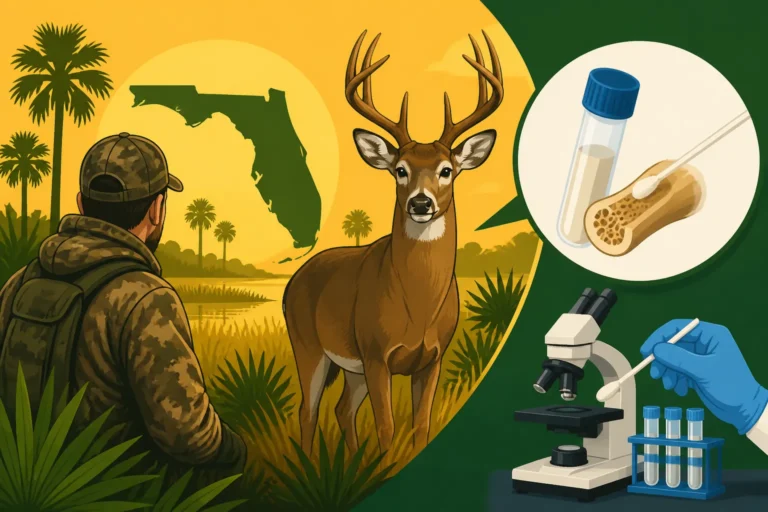
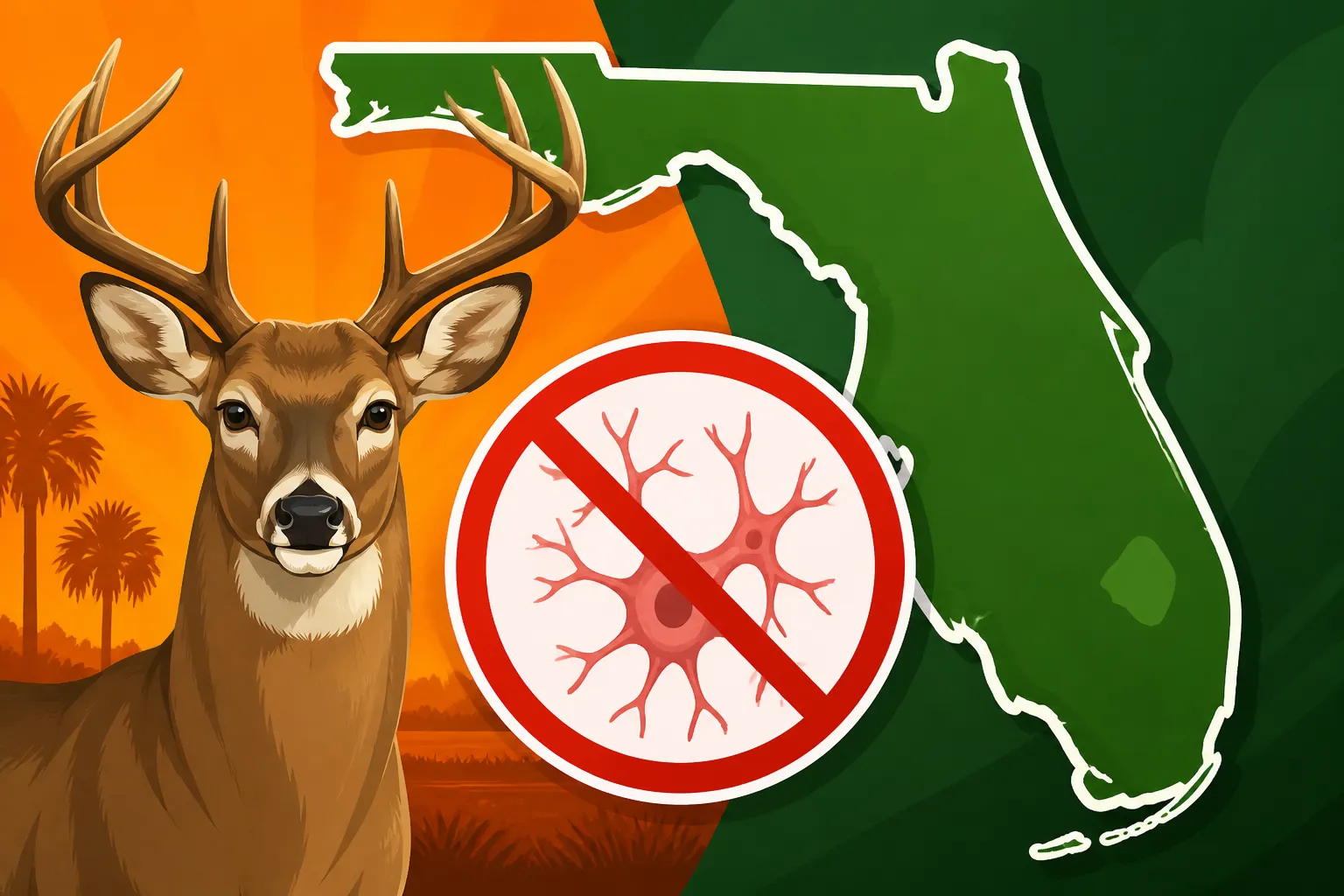
The unfortunate news arrived in July 2023 when the Florida Fish and Wildlife Conservation Commission (FWC) confirmed the presence of CWD in a single, wild white-tailed deer. The deer, an adult female (doe), was found deceased on a private property in Holmes County, located in the northwestern part of the Florida Panhandle. This marked the very first confirmed CWD case in Florida's history, a somber milestone that immediately triggered a robust, pre-planned response from state wildlife authorities.
The detection wasn't a random stroke of luck; it was a testament to the FWC's ongoing, proactive surveillance program. The deceased deer was initially reported by a concerned citizen due to its apparent illness and abnormal behavior. FWC staff responded, collected the carcass, and submitted samples for CWD testing. The initial tests came back positive, and subsequent confirmatory tests performed by the National Veterinary Services Laboratories in Ames, Iowa, sealed the devastating diagnosis. This immediate action highlights the critical role of public vigilance and rapid response in managing such outbreaks. The quick turnaround from public report to confirmed diagnosis underscores the importance of everyone in the field keeping an eye out for sick or abnormally behaving wildlife.
Establishing the CWD Management Zone
Following the confirmation, the FWC didn't waste a moment. They immediately initiated their CWD Response Plan, which included the establishment of a CWD Management Zone (CMZ). This zone is a geographically defined area designed to contain and closely monitor the disease. The core of this zone is Holmes County, where the infected deer was found. However, given the nature of deer movement and the potential for disease spread, adjacent counties were also included. Specifically, parts of Jackson and Washington counties in Florida were brought into the CMZ, as were parts of Geneva and Houston counties in neighboring Alabama, reflecting the seamless ecological boundaries that wildlife respects more than state lines. You can find more detailed information on Florida's CWD Management Zone Boundaries.
Within this CWD Management Zone, stringent regulations were immediately put into place, aiming to minimize the risk of the disease spreading further. These regulations include a ban on feeding and baiting deer, a practice that can concentrate deer in specific areas and increase the likelihood of CWD transmission. Additionally, there are strict rules regarding the movement of deer carcasses and certain carcass parts out of the zone. For example, hunters must debone meat, ensure skull caps are cleaned of all tissue, and safely dispose of high-risk parts like brain and spinal cord within the CMZ. The purpose of this comprehensive management zone is multi-faceted: it aims to quickly identify any other potential cases, reduce factors that could accelerate transmission, and educate hunters and residents on how to prevent further spread. The measures, though impactful for local hunters, are critical for the long-term health of Florida's deer herd.
The Florida Fish and Wildlife Conservation Commission's Response
The FWC’s response to the CWD detection has been nothing short of comprehensive, drawing on years of preparedness and lessons learned from other states. Their multi-pronged approach involves intensive surveillance, strict regulations, and a strong emphasis on public cooperation. This isn't just about managing a disease; it's about safeguarding Florida's wildlife heritage for future generations.
Increased Surveillance and Testing Efforts
One of the cornerstones of Florida's CWD response is the dramatic increase in surveillance and testing, especially within the CWD Management Zone. For hunters harvesting deer within Holmes, Jackson, and Washington counties, mandatory CWD testing of harvested deer is now a requirement. This means every deer taken during hunting season must have its head submitted for testing. This level of scrutiny is crucial for determining the prevalence and exact geographic extent of the disease. The FWC has established multiple CWD sampling locations throughout the affected areas, including convenient drop-off points at specific check stations and designated coolers. Hunters can easily find resources and directions for Finding a Florida CWD Sampling Location on the FWC website or through their mobile app.
Beyond the mandatory testing in the CMZ, the FWC is also encouraging voluntary testing across the state, particularly in adjacent counties and areas with high deer densities. They've expanded their passive surveillance efforts, which rely on reports from the public about sick or unusually behaving deer. The goal is to collect as many samples as possible to get a clear picture of the disease's presence, or absence, outside the known infected area. These expanded efforts are part of a larger, ongoing commitment to Florida's Deer Disease Monitoring Program, ensuring the health of the state's deer population. The more samples they can analyze, the more accurately they can map the disease and adjust their strategies.
Carcass Movement and Import Restrictions
To prevent the human-assisted spread of CWD, the FWC has implemented strict rules regarding the movement of deer carcasses. Within the CWD Management Zone, hunters are generally prohibited from moving whole deer carcasses or certain high-risk parts (like the brain, spinal cord, eyes, and lymph nodes) out of the zone. This is because these parts are where CWD prions are most concentrated. The rules specify that only deboned meat, hides, cleaned skull caps, antlers, and finished taxidermy products can leave the CMZ. This allows hunters to still enjoy their harvest while drastically reducing the risk of inadvertently transporting infectious material to other parts of the state.
These restrictions also extend to importing deer, elk, or moose carcasses from any state or province that has a confirmed CWD case. If you've hunted out of state in a CWD-positive area, you're only allowed to bring back deboned meat, cleaned skull plates, or finished taxidermy. This proactive measure is designed to prevent new introductions of CWD into Florida, recognizing that the disease can be easily transported by unsuspecting hunters. It's a tough pill for some to swallow, especially those who cherish the tradition of bringing back a whole trophy, but it's a necessary step to protect our local herds. You can learn more about specific regulations regarding Moving a Deer Carcass Out of a Surveillance Zone on the FWC website.
Educational Outreach and Hunter Cooperation
The FWC recognizes that successful CWD management relies heavily on an informed and cooperative public, especially hunters. They've launched extensive educational campaigns, utilizing their website, social media, public meetings, and outreach events to inform hunters about the disease, its implications, and the new regulations. They provide clear, concise information on how to comply with carcass movement rules, where to submit samples, and how to identify and report sick deer. This transparent approach aims to empower hunters to be part of the solution rather than inadvertently contributing to the problem.
The importance of hunter cooperation cannot be overstated. Hunters are often the first to notice changes in wildlife populations or observe sick animals in the field. By understanding the signs of CWD and promptly reporting any suspicious observations to the FWC, hunters act as the first line of defense. Tools like the FWC app, which can be invaluable for Scouting With the Florida FWC App, also offer a convenient way to report sightings directly. Additionally, reputable outdoor information platforms like GoHunt play a crucial role in helping to disseminate critical, up-to-date information regarding CWD regulations, helping hunters plan their trips responsibly and ensuring they are always aware of the latest guidelines in any given area, including the CWD Management Zone. Without this partnership, the FWC's efforts would be significantly hampered.
Impact on Florida Hunters and Hunting Regulations
The arrival of CWD in Florida has undoubtedly ushered in a new era for deer hunting in the state, particularly within the affected zones. These changes, though sometimes inconvenient, are absolutely critical for protecting our cherished deer resource for the long haul. It's a shift that requires adaptation and understanding from everyone who loves to chase whitetails in the Sunshine State.
Changes to Deer Management in Affected Areas
Within the CWD Management Zone, hunters have seen some immediate changes to deer management that might affect their harvest strategies. One notable adjustment has been the temporary suspension of antler point restrictions (APRs) for white-tailed deer. This means that hunters are able to harvest antlered deer regardless of the number of points on their antlers, a departure from the typical statewide or zone-specific rules. The primary reason for this suspension is to provide hunters with more flexibility in harvesting deer, potentially increasing the overall harvest and thereby helping to reduce deer density in the affected area. Lower deer densities can, in theory, help slow the spread of CWD by reducing nose-to-nose contact and the concentration of prions in the environment.
Beyond APRs, wildlife managers are also actively assessing the potential for increased harvest quotas or extended seasons for antlerless deer in the CWD Management Zone. The rationale here is similar: reducing the overall deer population can help limit disease transmission. These management decisions are carefully considered, balancing disease control with hunter opportunity, and are based on scientific data collected through enhanced surveillance efforts. It's a dynamic situation, and hunters need to stay informed, checking the FWC regulations frequently, as these strategies may evolve. Understanding the broader context of Florida Deer Management Zones Explained can help put these specific changes into perspective.
Hunter Responsibilities and Best Practices
With CWD now a reality, every Florida hunter carries an increased responsibility to adhere to new regulations and adopt best practices in the field. Foremost among these is the mandatory reporting of harvested deer within the CWD Management Zone. Hunters must submit the heads of all deer harvested in designated areas for CWD testing. This isn't just a suggestion; it's a legal requirement designed to gather crucial epidemiological data. The FWC has streamlined the process for Florida Deer Reporting Requirements to make it as straightforward as possible, often through online portals or the FWC app. Ignoring these requirements can not only result in penalties but also severely hinder the state's ability to track and control the disease.
Beyond reporting, sanitation and careful handling of carcasses are paramount. When field dressing a deer, it's wise to wear gloves and dispose of any remains (guts, bones, etc.) properly, preferably where other deer won't easily access them. If you’re processing your own deer, ensure your tools and workspace are thoroughly cleaned and disinfected afterward. Perhaps one of the most significant shifts for many hunters, particularly in the affected zone, is the ban on feeding and baiting deer. While baiting is a popular practice in many parts of Florida for various species, like when Baiting Hogs Legally in Florida, it creates unnaturally high concentrations of deer, making it much easier for CWD prions to spread among animals and contaminate the environment. Therefore, within the CWD Management Zone, all forms of deer feeding and baiting are prohibited to minimize this risk.
Living with CWD: Long-Term Outlook and Prevention
The discovery of CWD means that Florida, like many other states, will have to adapt to its presence. It's a marathon, not a sprint, and our long-term success in managing this disease will depend on sustained effort, scientific understanding, and continued collaboration between wildlife agencies and the public. We can't wish it away, but we can certainly work to contain it.
The Importance of Continued Monitoring and Research
The FWC's commitment to continued monitoring and research is absolutely critical for Florida's long-term CWD strategy. This isn't a "one-and-done" situation; CWD prions are incredibly persistent, and understanding how they interact with Florida's unique environment, soil types, and deer behavior is an ongoing challenge. The FWC is actively collaborating with academic institutions, federal agencies like the CDC and USDA, and other state wildlife departments to share data, pool resources, and leverage the latest scientific advancements. This collaborative approach ensures that Florida benefits from a broader knowledge base and the most effective research methodologies available.
Future research will focus on various aspects, including mapping the precise distribution of CWD prions in soil, studying the genetic susceptibility of Florida's deer herd to the disease, and evaluating the effectiveness of different management interventions. This intensive, scientific approach is the backbone of Florida's Deer Disease Monitoring Program, which goes beyond just CWD to encompass a range of potential threats to deer health. The more we understand about how CWD operates in our specific ecosystem, the more targeted and effective our management strategies can become. For example, understanding How Many Deer Florida Has Tested for CWD can give insight into the scale of the surveillance efforts and help guide future testing protocols.
Minimizing the Risk of Further Spread
While the initial detection in Holmes County was a setback, the immediate focus is on minimizing any further spread, both within and outside the established CWD Management Zone. This largely hinges on preventing two main pathways: human-assisted movement of infected material and natural deer movement into new areas. Hunters have a huge role to play here by strictly adhering to carcass movement regulations. That means no bringing uncleaned carcasses from a CWD-positive area, either within Florida or from out-of-state, into CWD-negative regions. Think of it as a biological barrier we collectively maintain.
Another key component is responsible disposal of all carcass waste. High-risk parts like brain and spinal cord should be disposed of in approved landfills or, if possible, buried deeply where scavengers can't access them and prions won't easily leach into the environment. The persistent nature of prions means that improper disposal can create new, localized contamination sites. We, as hunters, are truly the first line of defense in this ongoing battle. By being vigilant, educated, and compliant, we become active participants in protecting Florida's wildlife legacy. It’s a shared responsibility, and tools like GoHunt can help hunters stay current on regulations and designated disposal sites, ensuring they're always operating within the latest guidelines.
Addressing Common Hunter Concerns and Misconceptions
It's natural to have questions and even some anxieties when a serious wildlife disease like CWD surfaces in your state. There's a lot of information floating around, and sometimes, misinformation can cause unnecessary panic or, just as dangerous, complacency. Let's clear up some of those common concerns.
Is CWD a Threat to Human Health?
This is often the most pressing question on people's minds, and it's a valid one. Currently, there is no scientific evidence to suggest that CWD can be transmitted to humans. Major health organizations like the Centers for Disease Control and Prevention (CDC) and the World Health Organization (WHO) have stated that there have been no confirmed cases of CWD in people. However, both organizations also advise caution. Their recommendation, which the FWC echoes, is that people should avoid consuming meat from animals known to be infected with CWD.
This is a precautionary principle, meaning that even in the absence of definitive proof of human transmission, it's always safer to err on the side of caution. Think of it like a "better safe than sorry" approach. Because CWD is a prion disease, similar in some ways to Bovine Spongiform Encephalopathy (BSE, or "Mad Cow Disease"), which did jump to humans, scientists remain vigilant. For Florida hunters, this means adhering to testing protocols in the CWD Management Zone and waiting for negative test results before consuming venison. It’s a small step to take to ensure peace of mind.
Debunking Myths About CWD Transmission
When a new threat emerges, rumors and myths often follow, complicating efforts to manage the situation. One common misconception is that CWD can easily spread through casual contact with live deer. While direct contact can be a pathway, the primary transmission routes are through environmental contamination (prions in soil, plants, water from saliva, urine, feces) and direct animal-to-animal contact (especially in concentrated groups). It's not like a typical cold where a quick sneeze transmits the bug.
Another myth is that simply "seeing" a deer with CWD will mean your hunting grounds are compromised forever. While CWD prions are incredibly persistent in the environment, the rate of spread and prevalence can vary widely. It’s not an instantaneous contamination event across vast areas. The FWC's methodical approach to surveillance and testing, which helps identify exactly Where Florida's One CWD Case Was Found, is designed to get precise data rather than relying on generalized fears. Understanding the science, rather than succumbing to anecdotal evidence, is crucial for an effective response. This is also why Florida Hunter Education Requirements are so important; they provide the foundational knowledge for responsible and informed hunting practices.
How Technology Helps in CWD Monitoring
In this modern age, technology plays an increasingly vital role in wildlife management, and CWD monitoring is no exception. The FWC has leveraged technology to make it easier for both the agency and the public to respond to the CWD threat. The Florida FWC App, for instance, isn't just for checking regulations or applying for permits; it's also a powerful tool for reporting sick or suspicious-looking deer directly to wildlife officials. This real-time reporting can significantly cut down on response times, potentially allowing for quicker sample collection and analysis, which is crucial for containment.
Furthermore, platforms and tools like GoHunt provide hunters with highly detailed, up-to-date information on hunting regulations, season dates, and importantly, specific CWD zones and guidelines. These digital resources act as a central hub where hunters can quickly verify restrictions on carcass movement, locate designated CWD testing sites, or understand any changes to bag limits or weapon types in affected areas. Having this information readily accessible on a smartphone or computer empowers hunters to make informed decisions before, during, and after their hunt, ensuring compliance and contributing to the overall CWD response strategy. In an age where information can travel at light speed, these technological aids ensure that critical updates reach the hunting community efficiently.
Holmes County CWD Management Zone Regulations At A Glance
To help consolidate the most important information for hunters operating in or around the Holmes County CWD Management Zone, here's a quick overview of the key regulations. Always remember to check the official FWC website for the most current and detailed regulations before heading into the field.
| Regulation Category | Specific Rule within Holmes County CMZ | Purpose |
|---|---|---|
| Deer Feeding/Baiting | Prohibited: No feeding or baiting of deer. This includes salt licks, minerals, corn, or any other foodstuff placed to attract deer. | Reduces congregation of deer, minimizing nose-to-nose contact and environmental contamination by CWD prions. |
| Carcass Movement | Restricted: Whole deer carcasses or high-risk parts (brain, spinal cord, eyes, lymph nodes) cannot leave the CMZ. | Prevents human-assisted spread of CWD prions to uninfected areas. |
| Allowed to Leave CMZ: Deboned meat, hides, clean skull plates, antlers, and finished taxidermy products. | Allows hunters to retain their harvest while minimizing disease transmission risk. | |
| Mandatory CWD Testing | Required: All deer harvested within the CMZ must have their heads submitted for CWD testing at FWC-designated locations. | Provides crucial data on disease prevalence and geographic distribution within the zone. |
| Antler Point Restrictions | Suspended: Antler Point Restrictions (APRs) are temporarily suspended for antlered deer harvested within the CMZ. | Offers hunters more flexibility to harvest deer, potentially helping to reduce deer density in affected areas. |
| Importation of Carcasses | Restricted: Only deboned meat, cleaned skull plates, or finished taxidermy from CWD-positive states/provinces can be imported into Florida. | Prevents new introductions of CWD into Florida from other affected regions. |
| Reporting Sick Deer | Highly Encouraged: Report any deer exhibiting symptoms of CWD (emaciation, neurological signs, abnormal behavior) to FWC immediately. | Enables FWC to quickly investigate potential new cases and collect samples for testing. |
| Disposal of Carcass Waste | Recommended: Properly dispose of all high-risk carcass parts within the CMZ, preferably in approved landfills or buried deeply. | Minimizes environmental contamination by CWD prions that can persist in the soil. |
| FWC App & Resources | Utilize: The FWC app and FWC website offer up-to-date regulations, CWD drop-off locations, and reporting tools. | Provides hunters with readily accessible information and tools to comply with regulations and contribute to monitoring efforts. |
Disclaimer
Please remember that hunting regulations, especially concerning CWD, can change rapidly based on new scientific findings and disease progression. Always consult the most current regulations published by the Florida Fish and Wildlife Conservation Commission (FWC) before participating in any hunting activities. This guide is for informational purposes only and should not be considered a substitute for official FWC guidelines.