How Many Deer Florida Has Tested for CWD
The concern about Chronic Wasting Disease (CWD) in our deer population is a heavy one for any Florida hunter. It’s natural to worry about the health of the herd we cherish and the future of our hunting traditions. This guide aims to pull back the curtain on Florida’s extensive efforts to monitor and manage CWD, providing you with real data on how many deer have been tested and what those numbers truly mean for our beloved whitetails.
The Shadow of CWD and Why Florida Hunters Care Deeply
Let's be honest, hearing about Chronic Wasting Disease can be unsettling. It’s a topic that brings a knot to many a hunter’s stomach, especially when we consider the profound connection we have to the land and the animals that call it home. Understanding what CWD is and why it's such a significant concern for us here in Florida is the first step in appreciating the state's rigorous testing efforts.
What is Chronic Wasting Disease?
Chronic Wasting Disease is a nasty neurological disease that affects cervids – that's deer, elk, moose, and reindeer. It's caused by abnormal proteins called prions, which slowly damage the brain and nervous system of infected animals. Think of it as a kind of "mad cow disease" for deer. The scary part is, these prions can persist in the environment for a very long time, in soil, plants, and even water, making eradication incredibly difficult once it takes hold.
Affected animals typically show a range of symptoms over an extended period. They might become emaciated (hence the "wasting"), drool excessively, display a vacant stare, have an uncoordinated gait, or exhibit abnormal behavior. It’s a slow, progressive illness that is always fatal. As hunters, we pride ourselves on ethical harvests and healthy game, and the thought of such a devastating disease spreading through our deer population is truly heartbreaking. There is currently no vaccine or cure, which is why prevention and early detection are absolutely paramount.
The Stakes for Florida's Deer and Our Hunting Heritage
For those of us who spend countless hours scouting, preparing, and ultimately pursuing deer in Florida, the health of the herd isn't just an abstract concept; it's deeply personal. CWD poses a direct threat to the very essence of what we do. Imagine seasons where deer populations are visibly suffering, where the joy of a successful hunt is overshadowed by concerns about disease. The potential economic impact on hunting outfitters, local businesses, and rural communities that rely on hunting tourism is also immense. More importantly, it threatens our outdoor lifestyle and the traditions we pass down through generations.
The Florida Fish and Wildlife Conservation Commission (FWC) and hunters alike have a vested interest in keeping our deer healthy. Florida boasts a robust and diverse deer population, and every effort is made to protect it. Our unique ecosystems, from the vast palmetto flatwoods of Central Florida to the cypress swamps of the Panhandle, are home to a vibrant array of wildlife, with white-tailed deer being a cornerstone of the hunting experience. A widespread CWD outbreak could decimate these populations and fundamentally alter the landscape of White-Tailed Deer Across Florida as we know it, making diligent surveillance not just a regulatory requirement, but a genuine act of stewardship for our wild places.
Florida's Proactive CWD Surveillance and Testing Numbers
Florida has been anything but complacent when it comes to CWD. The FWC has maintained a vigilant eye on the disease for over two decades, implementing a comprehensive surveillance program designed to detect CWD early and prevent its spread. It's a testament to their commitment and the collective concern of the hunting community that such an extensive program exists.
Decades of Diligent Monitoring: How Florida's Testing Program Evolved
Florida's CWD monitoring program didn't just appear overnight; it has been a continuous and evolving effort since 2002. Recognizing the threat CWD posed as it spread across other states, the FWC began proactively testing deer long before the disease was ever detected within our state lines. This involved collecting samples from hunter-harvested deer, road-killed deer, and any deer exhibiting signs of illness. The goal was to establish a baseline, understand the health of our herd, and ensure we had a robust system in place if CWD ever did arrive.
Over the years, the FWC has dramatically scaled up its testing capacity and outreach. Initially, testing focused on specific areas or high-risk populations, but as the threat became more pronounced regionally, the program expanded to a statewide effort. This includes strategic collection points, working closely with hunters, and utilizing advanced laboratory techniques to process samples efficiently. It's a massive logistical undertaking, requiring coordination with hunters, wildlife managers, and laboratories to ensure every sample counts towards a clearer picture of our deer herd's health. The FWC's commitment to this long-term surveillance underscores the seriousness with which they approach this potential threat.
Breaking Down the Numbers: A Look at the Data
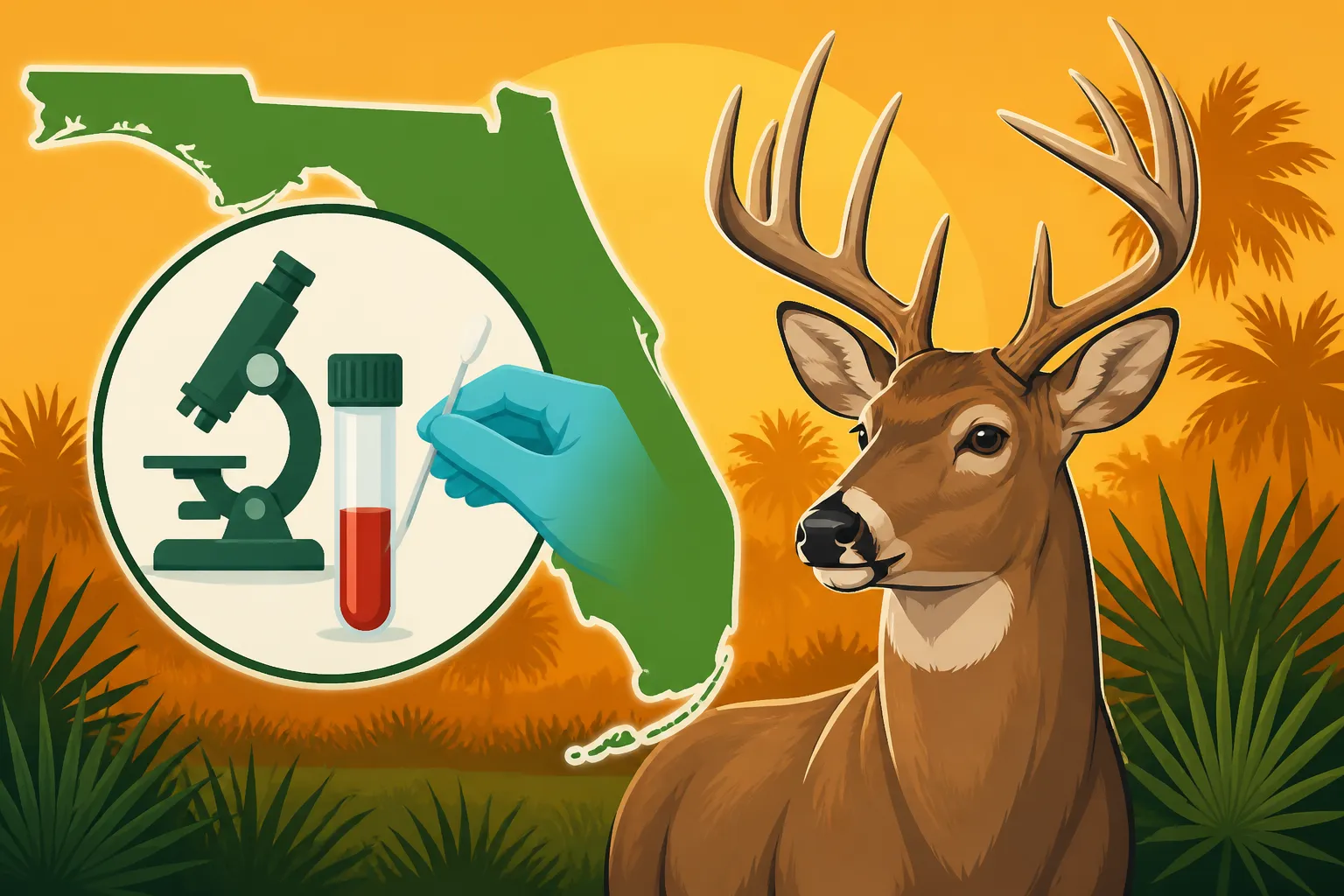
Since 2002, the FWC has tested an impressive number of deer for CWD. Over 30,000 samples have been collected statewide, representing a truly monumental effort to monitor the health of Florida's deer herd. These samples come from all corners of the state, ensuring a comprehensive assessment across various habitats and deer populations.
The vast majority of these tests have come back negative, which is excellent news and speaks to the health of our deer up until recently. However, the discovery of a positive case in 2023 significantly intensified these efforts, particularly in the affected region and surrounding counties. In the most recent hunting seasons alone, the FWC has been collecting thousands of samples annually, often surpassing previous yearly totals as they work to understand the full scope of the initial detection and prevent further spread.
To give you a clearer picture, here's a general overview of Florida's CWD testing efforts over several key periods. Keep in mind that specific annual numbers can fluctuate based on hunting pressure, road-kill statistics, and targeted surveillance efforts.
| Period | Approximate Number of Deer Tested | Confirmed CWD Cases | Notes |
|---|---|---|---|
| 2002 – 2010 | ~8,000 | 0 | Initial surveillance, establishing baseline. |
| 2011 – 2020 | ~12,000 | 0 | Increased surveillance, broader geographic sampling. |
| 2021 – 2022 | ~4,000 | 0 | Continued robust pre-detection monitoring. |
| 2023 (Post-Case) | ~6,000+ | 1 | Intensive sampling post-first detection, focus on affected zone. |
| Total (Since 2002) | >30,000 | 1 | Cumulative effort, ongoing surveillance. |
Note: These numbers are approximate and represent the scale of FWC's efforts. Exact figures are continually updated by the FWC.
These numbers aren't just statistics; they represent thousands of hours of field work, laboratory analysis, and collaboration with hunters and landowners. Each sample contributes to our understanding of the disease's presence (or absence) and helps guide management decisions. The sheer volume of negative tests over two decades provided significant reassurance until the recent detection, underscoring the importance of persistent monitoring for Florida's CWD-Monitored Deer Herd.
The Holmes County Case Acknowledged and Florida's Swift Response
The news hit hard, didn't it? After decades of vigilance and tens of thousands of negative tests, Florida finally confirmed its first and, to date, only case of CWD. It was a moment many of us hoped would never come, but the FWC's robust surveillance system proved its worth by detecting it swiftly, allowing for an immediate, aggressive response.
Where Florida's Single CWD Case Was Found
On June 22, 2023, the Florida Fish and Wildlife Conservation Commission announced that a deer sample collected from a deceased doe in Holmes County had tested positive for Chronic Wasting Disease. This was a wild, free-ranging deer found near the Alabama border, within the Panhandle region. The doe was exhibiting neurological symptoms and was reported to the FWC, which then collected the sample for testing. This incident triggered the state's CWD response plan, which had been meticulously developed over many years.
The fact that it was a free-ranging deer is particularly significant, as it indicates natural transmission, unlike cases sometimes associated with captive cervid facilities. This single confirmed case immediately put Holmes County, and the surrounding areas, into the spotlight, initiating an unprecedented level of surveillance and management efforts. Understanding How Florida Detected Its First CWD Case highlights the critical role both public reporting and consistent scientific testing play in safeguarding our wildlife.
Immediate Actions and the CWD Management Zone
Upon confirmation of Florida's Single Confirmed CWD Case, the FWC wasted no time implementing its comprehensive CWD response strategy. The most immediate and impactful action was the establishment of a CWD Management Zone (CMZ) around the detection site. This zone encompasses all of Holmes and Washington counties, and portions of Jackson and Bay counties, reflecting a proactive approach to contain any potential spread.
Within this CMZ, strict regulations were immediately put into place to limit the movement of deer carcasses and parts, which are known vectors for prion transmission. Hunters harvesting deer within the CMZ are subject to specific rules:
- Carcass Movement Restrictions: Whole deer carcasses harvested within the CMZ generally cannot be moved out of the zone. This means deer must be deboned, processed, or taxidermied within the zone, or only specific parts (like deboned meat, antlers, clean hides, and skull plates cleaned of brain material) can be transported out.
- Increased Mandatory Sampling: The FWC drastically increased its CWD sampling efforts within the CMZ, making it mandatory for hunters to submit heads for testing from any deer harvested in the area. This intensified effort helps determine if other deer in the area are infected and if the disease is more widespread than initially known.
- Baiting and Feeding Prohibitions: To prevent the congregation of deer, which can facilitate disease transmission, baiting and feeding of deer were prohibited within the CMZ.
These measures, while sometimes inconvenient for hunters, are absolutely crucial for minimizing the risk of CWD spreading further into Florida's uninfected regions. It’s a collective effort, and compliance with rules like Moving a Deer Carcass Out of a Surveillance Zone and understanding the guidelines for Handling Venison From a CWD Surveillance Zone are vital for protecting our wider deer population. The FWC continually updates information regarding Florida's CWD Management Zone Boundaries, so staying informed is paramount for hunters in and around the Panhandle.
Your Role in Protecting Florida's Deer Herd
As hunters, we are often the first line of defense when it comes to wildlife health. Our keen eyes and intimate knowledge of the land put us in a unique position to contribute significantly to CWD surveillance and prevention. It’s not just about what the FWC does; it’s about what we do collectively.
How Hunters Contribute to Surveillance Efforts
Your involvement as a hunter is absolutely invaluable to Florida's CWD surveillance program. Every deer harvested is a potential data point, and your willingness to submit samples or report suspicious activity directly aids the FWC.
Here’s how you can make a real difference:
- Submit Deer Samples: The FWC relies heavily on hunter-harvested deer for its surveillance efforts. They set up voluntary and, in the CMZ, mandatory drop-off locations and check stations, especially during deer season. Participating in these programs by submitting your deer’s head for testing provides critical data. You can find detailed information on Finding a Florida CWD Sampling Location on the FWC website or through resources like the GoHunt app, which often has interactive maps showing collection points. This simple act is one of the most powerful ways to help.
- Report Sick or Dead Deer: If you encounter a deer exhibiting signs of CWD – things like extreme thinness, stumbling, drooling, or unusual behavior – or find a deer dead without obvious cause, it is crucial to report it immediately to the FWC. Do not approach or handle the animal unnecessarily. Timely reporting allows FWC staff to investigate and collect samples, which could be an early warning for a new infection. The FWC has an online reporting tool and a toll-free hotline for these instances, linking directly to Florida's Deer Disease Monitoring Program.
- Stay Informed and Comply with Regulations: Regulations concerning CWD, especially those within the CWD Management Zone, can change. It’s your responsibility to stay up-to-date with the latest FWC guidelines on carcass transport, baiting, and sampling requirements. Organizations like GoHunt and other reputable outdoor resources often share these updates, making it easier to stay informed. Understanding and adhering to these rules is not just about legality; it's about being a responsible conservationist.
By taking these steps, you become an active partner in protecting the future of Florida Deer Herd Size and our cherished hunting opportunities.
Why Continuous Testing Matters, Even After Years Without New Cases
It's easy to breathe a sigh of relief when years pass without new CWD detections, but the truth is, continuous testing is absolutely non-negotiable. This is especially true because the disease has such a long incubation period; a deer could be infected for months, or even years, before showing any symptoms. This means that if testing were to stop, CWD could silently spread and become deeply entrenched before anyone even realized it.
Think about it: the fact that Why CWD Testing Continues After Four Clean Years in other areas highlights the insidious nature of prions and their persistence in the environment. Prions are incredibly hardy and resistant to decomposition, fire, and disinfectants. They can remain viable in soil where an infected animal died or where infected tissues were deposited. This environmental contamination means that even if all infected deer were removed, the land itself could still pose a risk to future generations of deer.
Continued surveillance, even in areas with no known cases, provides critical long-term data on the health of the entire state's herd. It confirms the absence of the disease in uninfected areas and gives us the earliest possible warning if it ever appears elsewhere. This vigilance also informs our understanding of Florida Deer Reporting Requirements and allows wildlife managers to make scientifically sound decisions to protect our deer, ensuring that our hunting opportunities remain vibrant for years to come. Ultimately, this ongoing commitment to testing is a long-term investment in the health of our wildlife and the sustainability of Florida hunting.
Disclaimer
Please be aware that hunting regulations and wildlife health information, especially concerning diseases like CWD, can change rapidly. While this guide provides comprehensive information, always consult the official Florida Fish and Wildlife Conservation Commission (FWC) website or contact them directly for the most current and accurate regulations, season dates, and CWD management updates before planning any hunting activities.