Florida’s CWD Management Zone Boundaries
The news of Chronic Wasting Disease (CWD) arriving in Florida sent a real ripple of anxiety through our hunting community. For years, we've watched other states grapple with this devastating neurological disease in their deer herds, always hoping it wouldn't reach our Sunshine State. Now that it's here, understanding Florida's CWD Management Zone boundaries and the rules within them isn't just important—it's absolutely critical for every hunter, landowner, and outdoor enthusiast. This guide will walk you through exactly what those boundaries are, what they mean for your hunting plans, and how we're all working to keep our deer healthy.
Understanding Chronic Wasting Disease and Its Arrival in Florida
For many of us who've spent a lifetime chasing whitetails, the thought of CWD hitting Florida felt like an inevitable, yet dreaded, outcome. It’s a terrifying disease, slowly but surely spreading through deer populations across North America. When the Florida Fish and Wildlife Conservation Commission (FWC) announced in June 2023 that a deer harvested in Holmes County tested positive, it was a gut punch, signaling the start of a challenging new chapter for deer management in our state.
What Exactly Is CWD and Why Is It So Concerning
Chronic Wasting Disease is a fatal, transmissible neurological disease that affects cervids, including deer, elk, and moose. It's caused by abnormal proteins called prions, which slowly accumulate in the brain and other tissues. These prions aren't like bacteria or viruses; they're incredibly resilient and can persist in the environment for years, making CWD notoriously difficult to eradicate once it takes hold. The disease leads to severe weight loss (the "wasting" part), behavioral changes, neurological symptoms, and eventually, death. Imagine seeing a magnificent Florida buck, vibrant and healthy one season, only to find it later stumbling, disoriented, and emaciated. That's the tragic reality of CWD.
The biggest concern for hunters and wildlife managers alike is that there is currently no vaccine or cure, and it's always fatal. While there's no evidence CWD can spread to humans, the Centers for Disease Control and Prevention (CDC) advises against consuming meat from CWD-positive animals. This creates a significant ethical dilemma for hunters and a massive management challenge for wildlife agencies. It impacts our ability to enjoy Florida Deer Camp Traditions, and it forces us to re-evaluate how we interact with the land and the animals we pursue.
How Florida Detected Its First CWD Case
The detection of Florida's first CWD case was a testament to the ongoing surveillance efforts by the FWC and their commitment to early detection. For years, they've been diligently collecting samples from harvested deer and roadkill across the state, actively looking for the disease. This proactive approach allowed them to quickly identify the positive animal rather than letting it go unnoticed for an extended period, potentially allowing wider spread. The individual deer that tested positive was part of the state's routine, robust Florida Wildlife Disease Monitoring Program.
When that initial positive result came back from the Holmes County deer, it triggered an immediate, coordinated response. The FWC worked tirelessly to trace the deer's origins, identify potential risk areas, and implement emergency rules to contain the spread. This rapid action, while jarring for local hunters, was absolutely essential. It showed that even though we hoped it would never come, Florida was prepared to respond decisively, which is something to appreciate amidst all the worry. This vigilance is crucial, and the FWC continues to push for CWD Testing for Florida Hunters in affected areas to gather more data.
Defining Florida's CWD Management Zone Boundaries
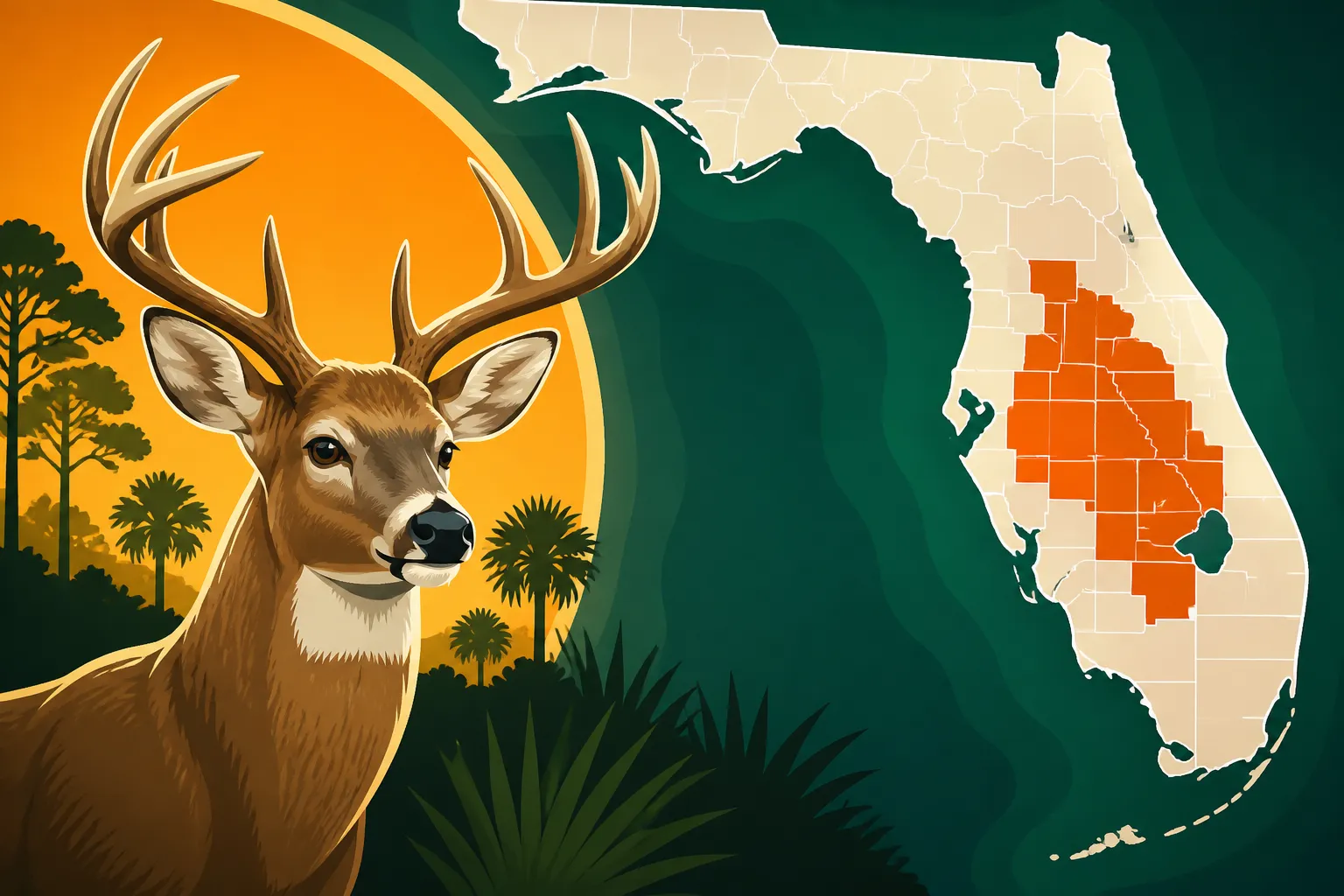
Following the confirmation of the first CWD case, the FWC moved swiftly to establish specific boundaries for a CWD Management Zone (CMZ). This isn't just some arbitrary line on a map; it's a strategically drawn area designed to help contain the disease and manage potential risks. The zone is divided into two parts: Zone 1, which is the immediate high-risk area, and Zone 2, a surrounding buffer area. Understanding these lines is paramount, especially if you hunt in or near these northwestern Florida counties.
The Core High-Risk Zone 1: Holmes and Washington Counties
The most critical area, Zone 1, is located at the epicenter of the initial CWD detection. This zone encompasses portions of Holmes and Washington counties, specifically:
- Within Holmes County: The area south of State Road (SR) 2 and west of SR 81.
- Within Washington County: The area north of SR 278 and west of SR 79.
Think of it as the bulls-eye. This is where the positive deer was found, and where the highest potential for CWD transmission is believed to be. If you're hunting in this specific block of land, whether it's private timberland or a WMA, you need to be acutely aware of the heightened restrictions and mandatory testing requirements. It's a challenging adjustment, especially for those who've hunted these lands for generations, but it's a necessary step to protect the wider deer population. Many hunters use apps like GoHunt to visualize these boundaries on their maps while scouting and hunting, ensuring they stay compliant.
The Buffer Zone 2: Holmes, Washington, and Jackson Counties
Surrounding the core Zone 1 is a larger, protective buffer known as Zone 2. This expanded area is designed to further reduce the risk of CWD spreading beyond the immediate detection site. It includes:
- In Holmes County: All areas outside of Zone 1.
- In Washington County: All areas outside of Zone 1.
- In Jackson County: The area west of State Road (SR) 79.
This means that if you're hunting anywhere in Holmes or Washington County, or the western portion of Jackson County, you're within the CWD Management Zone. While the rules might be slightly less stringent than in Zone 1, it's still crucial to adhere to them. The idea here is to create a wider net, catching any potential spread before it reaches other parts of Florida, like our beloved Ocala National Forest Hunting grounds or the vast Everglades Wildlife Management Area Access. For hunters scouting Best Public Ground for Panhandle Deer, knowing these lines is just as important as knowing where the deer are.
Here's a simplified breakdown of the counties involved and what to remember:
| Zone | Counties Affected | Key Boundary Reference Points | General Restrictions | Mandatory Testing |
|---|---|---|---|---|
| 1 | Holmes, Washington (specific portions) | Holmes: S of SR 2, W of SR 81; Washington: N of SR 278, W of SR 79 | Strictest: No carcass movement, no feeding, mandatory testing. | Yes |
| 2 | Holmes, Washington (remaining portions), Jackson (western portion) | Holmes: Outside Zone 1; Washington: Outside Zone 1; Jackson: W of SR 79 | Moderate: Carcass movement restrictions, no feeding. | No (voluntary encouraged) |
Regulations and Restrictions Within the CWD Management Zone
Living and hunting within a CWD Management Zone isn't business as usual. The FWC has implemented a suite of regulations designed to slow or stop the spread of the disease. These rules directly impact how you hunt, how you handle harvested deer, and even how you interact with wildlife. It’s a necessary inconvenience, and adhering to these guidelines is our collective responsibility as stewards of Florida’s natural resources.
Carcass Movement and Disposal Rules
One of the most significant changes for hunters in the CMZ concerns the handling and movement of deer carcasses. The general principle is simple: to prevent inadvertently moving CWD-infected prions from one area to another.
- Within Zone 1 (High-Risk Area): You cannot move any whole deer carcass or high-risk parts (like the brain, spinal cord, eyes, spleen, or lymph nodes) out of Zone 1. If you harvest a deer in Zone 1, you must debone the meat, remove the skull plate with antlers (clean of brain tissue), and dispose of all other high-risk parts within Zone 1. This means processing your deer on-site or at an FWC-approved collection point before leaving. This is a tough pill to swallow for many, especially if your camp is outside the zone, but it's critical.
- Within Zone 2 (Buffer Area): You can move whole deer carcasses out of Zone 2, but only if you're taking them directly to a licensed taxidermist or meat processor within the state of Florida. You cannot take them across state lines or to areas outside the CMZ for personal processing. If you plan to process it yourself, the same rules as Zone 1 apply: debone the meat and leave high-risk parts within Zone 2.
- Disposal: All discarded high-risk carcass parts must be properly disposed of in a lined landfill or by burial on the property where the deer was harvested, respecting all local ordinances. This prevents scavengers from potentially spreading prions.
These rules fundamentally change your post-harvest routine. Many hunters use mapping tools like GoHunt to mark their harvest location and plan their processing strategy before they even pull the trigger, especially when hunting close to these boundary lines.
Prohibited Feeding and Attractants
To minimize the congregation of deer, which can facilitate CWD transmission through nose-to-nose contact or contaminated feed sites, the FWC has also enacted rules regarding baiting and attractants within the entire CWD Management Zone (both Zone 1 and Zone 2).
- No Deer Feeding: It is strictly prohibited to place or use any substance or device to feed or attract deer. This includes corn, protein pellets, mineral blocks, or any other food source. This means your traditional Baiting Hogs Legally in Florida strategies near a deer stand are now restricted if you're within the CMZ, as deer will also be attracted.
- Mineral and Supplemental Feeding: Similarly, any supplemental feeding or mineral sites designed to enhance deer nutrition or antler growth are now illegal. The reasoning is that these concentrated food sources bring deer into close proximity, increasing the likelihood of prions being exchanged or left in the environment.
These prohibitions can be a major adjustment, especially for hunters accustomed to using feed to draw deer in, and some might find it frustrating. However, reducing artificial congregations is a key strategy in mitigating CWD spread.
Mandatory and Voluntary CWD Testing
Testing is the cornerstone of Florida’s CWD management strategy. Without knowing where the disease is present, effective management is impossible.
- Mandatory Testing in Zone 1: All deer harvested within Zone 1 must be submitted for CWD testing. The FWC has established drop-off locations and check stations where hunters can bring their harvested deer or specific tissue samples. This data is vital for understanding the prevalence and distribution of the disease in the highest-risk area. It’s a bit of extra work, but it’s critical for gathering the data needed to keep our deer herd healthy. You can find up-to-date information on drop-off locations and requirements by checking the FWC website or using a reputable hunting app like GoHunt which often integrates FWC data.
- Voluntary Testing in Zone 2: While not mandatory, the FWC strongly encourages hunters in Zone 2 to submit their harvested deer for CWD testing. The more data points they have, the clearer the picture of CWD presence and spread. Participation helps wildlife managers make informed decisions for future regulations and management efforts. Many hunters choose to participate as a way to contribute to conservation efforts.
- Reporting Requirements: Hunters must still adhere to general Florida Deer Reporting Requirements for all harvested deer, regardless of CWD zone status. This system helps the FWC monitor overall harvest numbers and population trends.
The FWC’s commitment to ongoing surveillance, demonstrated by their continuous efforts to sample deer for CWD even after the initial detection, is a positive sign. They are determined to understand the scope of the problem and are working to prevent further spread.
Implications for Hunters and Wildlife Management
The establishment of Florida's CWD Management Zone brings significant implications for hunters, landowners, and the broader wildlife management landscape. It’s not just about rules; it’s about adapting our practices to safeguard the future of Florida’s deer population. The FWC is navigating uncharted waters, and our cooperation is essential.
Adapting Hunting Strategies in the CMZ
For hunters accustomed to certain routines, the new CWD rules require a significant shift in strategy. Gone are the days of freely moving harvested deer or setting up large feed stations in the CMZ.
- Increased Scouting and Natural Attractants: Hunters will need to rely more heavily on traditional scouting techniques, focusing on natural food sources, bedding areas, and travel corridors. Understanding Entry Routes Through a Florida Food Plot or how to identify Scrape Lines Along a Sand Road becomes even more crucial when artificial attractants are prohibited. Using tools that provide satellite imagery and topographic maps, like GoHunt, can become indispensable for finding those natural hot spots.
- On-Site Processing: The need to debone deer within Zone 1 means investing in portable processing equipment or making sure you have access to a suitable processing area near your hunting spot. This could mean more time in the field after a harvest, or a dedicated setup at camp. It’s a practical challenge that many hunters in affected areas have already had to overcome.
- Public Land Access: Hunters utilizing WMAs within or near the CMZ, like those covered by the Florida WMA Quota Permit System, need to pay extra close attention to specific area regulations, as these may have additional rules beyond the statewide CMZ guidelines. Always check the individual WMA rules before you head out. This vigilance helps ensure you don't accidentally run afoul of the regulations.
Long-Term Monitoring and Future Scenarios
The work doesn't stop with establishing boundaries and rules. The FWC is committed to long-term monitoring, and the data collected from mandatory testing will inform future management decisions.
- Continued Surveillance: Expect robust surveillance efforts to continue across the state, particularly within and surrounding the CMZ. The question of Why CWD Testing Continues After Four Clean Years in other areas highlights the persistent, patient approach needed to track this disease. This ongoing effort is paramount to assessing the effectiveness of the current management strategies.
- Adaptive Management: Wildlife management is rarely static. Depending on the prevalence of CWD, its spread, and the effectiveness of current measures, the FWC may adjust the CMZ boundaries or introduce new regulations. This could include changes to antlerless deer harvest opportunities to manage deer density, or even further restrictions on deer movement. Our goal, as hunters, should be to support these efforts by providing accurate harvest data and adhering to all guidelines. The health of our Florida Deer Herd Size depends on it.
- Community Engagement: The success of CWD management hinges on strong community engagement. Hunters and landowners are the front lines of detection and prevention. Staying informed, reporting sick deer, and participating in testing programs are all critical contributions. It’s a collective effort, and the more we work together, the better our chances of limiting CWD’s impact on Florida’s deer and hunting heritage.
Disclaimer
Please remember that hunting regulations, including those related to CWD management zones, can change. Always refer to the latest regulations published by the Florida Fish and Wildlife Conservation Commission (FWC) before engaging in any hunting activities. This article is intended for informational purposes only and should not be considered legal advice.