Florida Captive Cervid Oversight
It's easy to assume that Florida's deer population is solely comprised of wild, free-ranging animals, but the reality is a bit more nuanced. Across the state, there are facilities housing captive cervids – think deer farms, exhibition centers, or even rehabilitation sites. This situation often raises a lot of questions and, let's be honest, some anxiety for hunters and conservationists, especially with the ever-present threat of Chronic Wasting Disease (CWD) looming large. This guide aims to pull back the curtain on how Florida manages these captive cervid operations, addressing the regulations, the concerns, and the crucial oversight that keeps our wild herds as safe as possible.
Understanding Florida's Stance on Captive Cervids
Florida’s approach to captive cervids is a complex tapestry woven from agricultural interests, wildlife conservation mandates, and public health concerns. It’s not just a simple matter of owning some deer behind a fence; it's a deeply regulated activity designed to protect the state’s natural resources and public safety. When you hear about captive cervids, it generally refers to any member of the deer family (Cervidae) that is kept in an enclosed facility rather than roaming freely in the wild. This includes white-tailed deer, elk, and even exotics that might be brought into the state for specific purposes.
The Regulatory Framework and FWC's Role
The Florida Fish and Wildlife Conservation Commission (FWC) plays a pivotal role in regulating captive cervids, primarily due to their direct impact on wild deer populations and the potential for disease transmission. It's a heavy responsibility, balancing the interests of private landowners and businesses with the paramount need to safeguard Florida's diverse ecosystems. FWC’s authority stems from its mandate to manage and protect all wildlife in the state. This means they are concerned with ensuring that captive cervids do not escape into the wild, where they could compete with native species, introduce diseases, or alter local genetics.
In essence, FWC focuses on the wildlife aspect: preventing escapes, ensuring humane treatment, and most critically, mitigating disease risks like CWD. They set standards for fencing, identification, and reporting. However, it's not solely FWC. The Florida Department of Agriculture and Consumer Services (FDACS) also has a significant stake, particularly when these facilities are considered agricultural operations, such as deer farms involved in breeding or meat production. This dual oversight can sometimes feel like navigating two different rivers that eventually merge, but it's designed to provide comprehensive protection. FDACS often handles the permitting for animal health and agricultural business aspects, working in tandem with FWC to ensure all bases are covered. This collaborative approach recognizes that captive cervids, while held in private hands, are still fundamentally wildlife with specific needs and potential impacts on the broader environment.
Categories of Captive Cervids in Florida
When we talk about captive cervids, it's not a monolithic group. Florida's regulations recognize several distinct categories, each with its own set of rules and considerations. Understanding these distinctions is key to grasping the complexity of oversight.
First, and perhaps most commonly discussed, are deer farms or breeding facilities. These operations often focus on raising deer for venison, antler production, or for sale to other permitted facilities. The animals here are essentially livestock, managed for specific traits. These facilities are usually high-fenced, meticulously managed, and require strict biosecurity protocols due to the sheer number of animals concentrated in one area. The goal for these operators is often commercial, making the health and productivity of their herd paramount, which in turn necessitates stringent regulatory adherence.
Next, you have exhibition permits, which cover facilities like zoos, wildlife parks, or even educational centers that display cervids to the public. Think about a local nature center where kids can see a deer up close. While not breeding for commercial gain, these facilities still need to ensure the welfare of the animals and, crucially, prevent any potential escape that could impact local wildlife. The public interface adds another layer of responsibility, requiring clear signage and safe viewing areas, alongside robust animal husbandry practices.
Then there are rehabilitation facilities. These are often non-profit organizations or authorized individuals dedicated to nursing injured or orphaned wild deer back to health with the ultimate goal of releasing them. These operations are temporary in nature, but immensely important for conservation. The rules for rehab centers are particularly stringent regarding disease prevention and minimizing human habituation, ensuring that once released, the deer can successfully re-integrate into the wild. Their permits are typically more restrictive, emphasizing a rapid turnaround to release.
Lastly, though less common, some permits exist for research or educational purposes, allowing institutions to study cervid behavior, disease, or ecological roles in a controlled environment. These are often highly specialized, with specific protocols tailored to the research objectives, all under the close scrutiny of FWC and institutional animal care committees. Each category has its unique challenges and regulatory demands, demonstrating the comprehensive nature of Florida's approach to managing these animals.
Chronic Wasting Disease (CWD) and Captive Cervids
The specter of Chronic Wasting Disease (CWD) casts a long shadow over any discussion of captive cervids, not just in Florida, but across North America. This isn't just another animal illness; it's a neurological disease that is always fatal and has no known cure, posing an existential threat to wild deer populations wherever it takes hold. Florida takes this threat incredibly seriously, and the oversight of captive cervids is largely driven by the urgent need to prevent CWD from establishing a foothold in our wild, free-ranging herds.
Why CWD is a Major Concern for Florida's Wild Herd
For hunters and conservationists alike, CWD is a nightmare scenario. It's caused by abnormal proteins called prions, which slowly damage the brain and nervous system of infected cervids. Animals that contract CWD can take years to show symptoms, which typically include severe weight loss, lethargy, drooling, difficulty swallowing, and a distinctive vacant stare. The truly terrifying aspect of CWD is how easily it can spread and how persistent it is in the environment. Prions can be shed through saliva, urine, and feces, contaminating soil, plants, and water sources for years, even decades. This means an infected animal, whether wild or captive, can leave a legacy of disease long after its gone.
Florida has been diligently monitoring its wild deer for CWD for many years, understanding the devastating potential. The state experienced Florida's Single Confirmed CWD Case in Holmes County in 2023, which immediately triggered extensive surveillance and management efforts. This incident served as a stark reminder of how close the threat truly is, even in a state that had previously been CWD-free. The fear is that if CWD were to become established in Florida's wild herd, it could decimate local populations, altering hunting opportunities and ecosystem dynamics for generations. Our unique Florida landscapes, from the palmetto scrub to the cypress swamps, hold incredibly important populations of white-tailed deer, and protecting them from CWD is a top priority. Captive cervid facilities, by concentrating animals and sometimes moving them between locations, represent a potential pathway for the disease if not managed with extreme diligence. It's a constant tightrope walk between allowing private enterprise and protecting a cherished public resource.
Biosecurity Measures and Testing Requirements
Given the severe risks associated with CWD, Florida imposes rigorous biosecurity measures and mandatory testing protocols on all captive cervid facilities. These aren't just suggestions; they are non-negotiable requirements designed to create multiple layers of defense against disease.
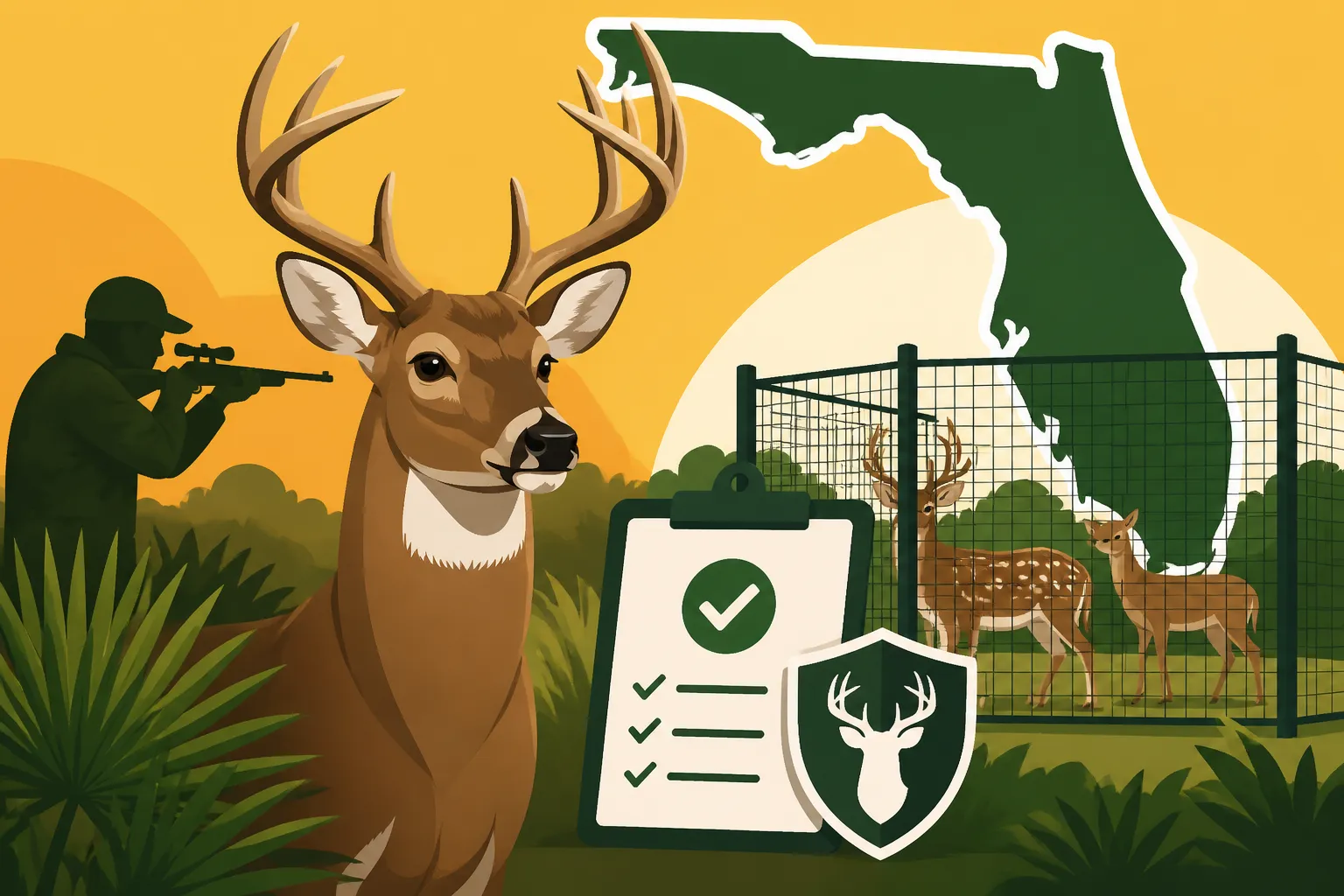
One of the most visible biosecurity measures is robust fencing. Captive cervid facilities must have perimeter fencing that is strong enough to prevent escapes and durable enough to withstand Florida's sometimes harsh weather conditions. We're talking about high fences that make it nearly impossible for a captive animal to get out or a wild animal to get in. This physical barrier is the first line of defense, crucial for preventing direct contact and potential disease transmission between captive and wild populations. Many private landowners, whether managing a captive herd or simply trying to improve habitat for wild deer, often use advanced mapping tools like GoHunt to keep track of their property lines and adjacent lands, ensuring their efforts align with FWC fencing standards.
Beyond physical barriers, identification of individual animals is mandatory. This usually involves ear tags, microchips, or other permanent markers that allow FWC and FDACS to track each animal’s origin, health history, and movement. This traceability is critical for disease outbreak investigation. If an animal tests positive for CWD, regulators can quickly identify its herd of origin and any other facilities it may have visited, allowing for rapid containment and further testing.
Then there's the linchpin of the whole system: mandatory CWD testing. All cervids that die or are harvested within a captive facility, regardless of cause, must be tested for CWD. This post-mortem testing is vital for early detection. If a facility has an infected animal, it’s far better to know sooner rather than later to prevent wider spread. Facilities are also subject to regular inspections, often unannounced, where FWC and FDACS staff can assess the health of the herd, examine records, and ensure compliance with all biosecurity protocols. Think of the meticulous effort involved in Florida's Deer Disease Monitoring Program; these captive cervid facilities are under similar, if not more intense, scrutiny for CWD. The overall goal is simple but incredibly challenging: to create a contained, monitored environment that poses minimal risk to Florida’s invaluable wild deer populations.
Permitting and Compliance for Captive Cervid Facilities
Operating a captive cervid facility in Florida isn't a casual endeavor. It involves navigating a detailed permitting process and adhering to a strict set of compliance standards designed to ensure animal welfare and, critically, protect the state's wild deer population from disease risks like CWD. This isn't just about getting a piece of paper; it's about making a commitment to responsible animal stewardship and public safety.
The Application Process and Renewal
The journey to legally operate a captive cervid facility begins with a comprehensive application process, typically managed by both the FWC and FDACS, depending on the nature of the operation. It's not as simple as filling out a single form; there's a whole review process involved. Potential operators must submit detailed plans outlining their facility's design, including fencing specifications, housing arrangements, and waste management. They also need to provide information on the source of their cervids, ensuring they come from CWD-free herds and meet all import requirements. For instance, any animal being brought into Florida from out of state must meet specific health testing standards, particularly for CWD, before it can even cross the state line. This rigorous vetting process is meant to catch potential issues before a single animal sets foot on the property.
Once the initial application is submitted, FWC and/or FDACS staff will conduct an on-site inspection of the proposed facility. This isn't just a cursory glance; they're looking at everything from the structural integrity of the fences, the availability of clean water and appropriate feed, to the overall layout for animal handling and isolation if necessary. They want to see that the operator has thought through all the potential challenges and has robust plans in place. This might involve demonstrating an understanding of Florida Hunter Education Requirements in the context of animal handling, even if it’s for captive animals. If everything meets the stringent criteria, a permit is issued, usually for a set period, after which it must be renewed. Renewal isn't just an automatic rubber stamp; it often requires another inspection and a review of compliance history, ensuring the facility has maintained its standards over time. Any violations or issues during the permit period can impact renewal, making ongoing compliance absolutely essential.
Strict Operational Standards and Inspections
Once a captive cervid facility is permitted, the real work of compliance begins. Florida sets forth a comprehensive array of operational standards that cover nearly every aspect of animal care and facility management. These standards are constantly reviewed and updated based on scientific advancements in disease management and best practices in animal husbandry.
Animal Welfare: This is paramount. Standards dictate minimum enclosure sizes, ensuring animals have adequate space to move and behave naturally. They cover proper nutrition, including specific feed types and quantities, and access to fresh, clean water at all times. Veterinary care is also a major component, requiring facilities to have a licensed veterinarian on call and to maintain detailed health records for each animal, including vaccination schedules and any treatments administered. The goal is to prevent disease and stress, which can make animals more susceptible to illness.
Biosecurity and Disease Prevention: Beyond the fencing and CWD testing, facilities must implement daily biosecurity protocols. This can include controlling access to the facility, disinfecting equipment, and managing waste effectively to prevent disease transmission. They must have clear plans for isolating sick animals and for the humane disposal of carcasses, especially in the context of CWD testing. For those managing larger tracts that might border public hunting grounds, understanding property boundaries is paramount. Apps like GoHunt offer detailed parcel data that can be invaluable in maintaining these biosecurity zones.
Inspections and Enforcement: FWC and FDACS conduct routine, and often unannounced, inspections of captive cervid facilities. These aren't visits to say hello; they are thorough examinations to ensure continuous compliance with all permit conditions and operational standards. Inspectors will check fencing, examine animal health records, verify identification tags, and observe animal behavior. They might even review visitor logs if it’s an exhibition facility. If non-compliance is found, the consequences can range from written warnings and mandates for corrective action to significant fines or, in severe or repeated cases, the revocation of the facility's permit. This level of oversight is robust because the stakes are incredibly high – the health of Florida’s wild deer herd rests on the diligent adherence of these captive operations. It’s a serious business, much like the responsible management of our Florida Wildlife Management Areas.
Ethical Considerations and Public Perception
The presence of captive cervid operations in Florida, particularly deer farms, often sparks lively debate among conservationists, hunters, and the general public. It's a complex issue with deeply held beliefs on all sides, grappling with questions of animal welfare, commercial interests, and the inherent value of wildness. Understanding these ethical currents is crucial to appreciating the full scope of Florida's oversight challenges.
Balancing Agricultural Interests with Wildlife Conservation
At the heart of the debate is the tension between treating cervids as livestock for agricultural purposes and valuing them as wild animals integral to Florida's natural heritage. On one hand, deer farming can be seen as a legitimate agricultural enterprise. Farmers invest in breeding, feeding, and managing their herds, contributing to local economies and sometimes providing venison or antler products. They argue for their right to raise animals on private land, much like cattle or hogs. These operations can even serve as a controlled environment for genetic research or specific breeding programs, potentially helping wild populations indirectly through scientific understanding.
However, many conservationists and hunters view captive cervids with apprehension. The primary concern, as we've discussed, is the risk of disease transmission, especially CWD, to the wild herd. There's also the ethical question of commercializing an animal that many hold sacred as a symbol of wilderness. The idea of deer being bred and raised solely for human consumption or antler sales can feel antithetical to the spirit of fair chase hunting and wildlife conservation. Furthermore, if captive deer escape, they could introduce new genetics or even compete with local wild deer for resources, potentially weakening the integrity of the native herd. This balancing act – allowing for legitimate agricultural pursuits while rigidly protecting wild populations – is a constant challenge for FWC and FDACS. It's a delicate dance where the long-term health of our wild deer, like those found in Hunting Florida's Green Swamp or other natural areas, must always take precedence.
The Role of Responsible Ownership
For those who choose to operate a captive cervid facility, the responsibility is immense, extending far beyond merely complying with the letter of the law. It's about a deep, ethical commitment to preventing harm to both the animals in their care and the wild populations outside their fences. Responsible ownership is the bedrock of effective oversight.
This means consistently maintaining the highest standards of biosecurity, even when it's inconvenient or costly. It means being proactive about animal health, working closely with veterinarians, and staying informed about the latest research on diseases like CWD. It also involves a vigilance against escapes, understanding that even a single breach could have long-lasting consequences for Florida's ecosystem. Owners must ensure their staff are thoroughly trained in animal handling, disease prevention, and emergency protocols. They need to keep impeccable records, making traceability straightforward for regulators. This level of dedication is not unlike the commitment a hunter makes when meticulously preparing for a season, perhaps by consulting guides like Scouting Florida Public Land Before Season or understanding specific deer behaviors during Hunting the Zone B Rut in November. Just as we obsess over the nuances of the wild, captive owners have a different, but equally vital, set of obsessions.
Ultimately, the integrity of Florida's captive cervid oversight system relies heavily on the ethical conduct and diligent stewardship of its permit holders. Without their unwavering commitment to responsible practices, the regulatory framework, no matter how robust on paper, would struggle to truly protect Florida's wild, cherished deer. Even for folks just following regulations, being able to quickly reference and understand rules, something that platforms like GoHunt often compile, is a huge help in staying compliant.
Overview of Florida's Captive Cervid Requirements
To simplify some of the key regulations for captive cervids in Florida, here's a general overview. It’s important to remember that specific requirements can vary based on the type of facility, the species of cervid, and any updates to state law. Always refer to the latest FWC and FDACS regulations for definitive guidance.
| Feature | General Requirements for Captive Cervid Facilities | Key Rationale | Oversight Agency (Primary) |
|---|---|---|---|
| Permitting | Required for all captive cervid operations. Includes application, site inspection, and approval. | Ensures facilities meet minimum standards before operation. | FWC / FDACS |
| Fencing | Double-perimeter, escape-proof fencing; specific height and material requirements. | Prevents interaction between captive and wild cervids; primary CWD prevention. | FWC |
| CWD Testing | Mandatory post-mortem testing for all cervid deaths (over 12 months). | Early detection of CWD to prevent spread to wild populations. | FWC |
| Identification | Individual animal tagging (ear tags, microchips) for traceability. | Tracks animal origin, movement, and health history for disease management. | FDACS |
| Veterinary Care | Regular veterinary oversight and health management plans. | Ensures animal welfare and early detection of diseases. | FDACS |
| Record Keeping | Detailed records of animal acquisition, sales, deaths, health, and CWD test results. | Facilitates disease tracking, compliance monitoring, and enforcement. | FWC / FDACS |
| Biosecurity Plan | Written plan for disease prevention, visitor control, waste management, and sanitation. | Reduces risk of disease introduction and spread within and outside the facility. | FWC / FDACS |
| Inspection | Routine and unannounced inspections by state officials. | Ensures ongoing compliance with all regulations and standards. | FWC / FDACS |
| Movement Permits | Required for transporting cervids between facilities or into Florida. | Prevents movement of diseased animals and ensures proper documentation. | FDACS |
This table provides a snapshot, but the depth of the regulations means that owners must be intimately familiar with the full body of rules and be prepared for rigorous enforcement.
Disclaimer
Please remember that this article provides general information and is not a substitute for professional legal advice or the official regulations published by the Florida Fish and Wildlife Conservation Commission (FWC) and the Florida Department of Agriculture and Consumer Services (FDACS). Regulations regarding captive cervids, CWD, and related issues are subject to change. Always consult the most current state laws and speak directly with the relevant agencies for specific guidance regarding permits, compliance, and legal requirements for operating a captive cervid facility in Florida.