How Florida Detected Its First CWD Case
The news hit Florida hunters like a gut punch – Chronic Wasting Disease (CWD) had finally been detected within our borders. For years, we'd watched the disease spread through other states, always with a nagging fear that it was only a matter of time before it found its way here. That day, unfortunately, came, marking a significant shift in how we approach deer management and hunting in the Sunshine State. This guide will walk you through the specifics of how Florida confirmed its first CWD case, what led up to it, and the immediate actions taken to contain its spread.
The Long Shadow of CWD: Understanding the Threat
Before we dive into the specifics of Florida's detection, it's crucial to understand why CWD is such a profound concern for anyone who cares about wildlife and hunting. This isn't just another deer disease; it's a neurological disorder affecting cervids – deer, elk, moose, and reindeer – that is always fatal. It's caused by abnormal proteins called prions, which slowly accumulate in the brain and other tissues, leading to a host of debilitating symptoms like extreme weight loss, stumbling, listlessness, and behavioral changes. The scariest part? These prions can persist in the environment for years, even decades, resisting conventional disinfectants and freezing. That means an infected area remains a risk long after the deer that carried the disease are gone.
Imagine spending years scouting, practicing, and pouring your heart into a hunting season, only to worry about the health of the game you pursue. That's the reality CWD introduces. It impacts not just the individual animal, but the long-term health of entire deer herds, and subsequently, the hunting traditions we hold so dear. The thought of CWD taking hold in Florida, with its unique ecosystems and abundant White-Tailed Deer Across Florida, was a heavy burden on many minds. The disease doesn't just affect deer; it affects the entire landscape of hunting, from management strategies to how hunters interact with their harvest and the land itself.
Why Florida Was on High Alert
Florida's wildlife agencies, particularly the Florida Fish and Wildlife Conservation Commission (FWC), were never caught off guard by the potential arrival of CWD. They had been actively monitoring the situation in other states for years, understanding that our state's interconnectedness with the rest of the country, through both natural deer movement and human-assisted transport (like moving harvested deer or captive cervids), made us vulnerable.
The FWC understood the critical importance of early detection. The sooner CWD is found, the better the chances of containing its spread and mitigating its long-term impacts. This proactive stance meant that even before the first case, Florida had a robust surveillance program in place, designed to identify the disease if and when it appeared. This wasn't a "wait and see" approach; it was a "be prepared and act swiftly" strategy. The sheer volume of deer harvested annually across our state, combined with the efforts of hunters who serve as eyes and ears on the ground, provided a vast dataset for monitoring deer health. Knowing where deer move and what their typical behaviors are is crucial, and resources like GoHunt mapping tools can be invaluable for hunters and managers alike in understanding landscape features that might influence disease spread or surveillance efforts.
Florida's Proactive CWD Surveillance Program
For years leading up to the detection, the FWC maintained a vigilant CWD surveillance program. This wasn't just a casual glance; it was a systematic, science-backed effort involving thousands of samples taken from deer across the state. The goal was simple: to get a baseline understanding of deer health and to quickly identify any abnormalities that might suggest the presence of CWD. Think of it as a comprehensive annual check-up for Florida's deer herd.
This surveillance involved multiple methods to collect samples. Road-killed deer, sick or symptomatic deer reported by the public, and hunter-harvested deer all contributed to the sample pool. Hunters, in particular, played a crucial role, as their harvests provided a significant number of samples from healthy-looking animals that might otherwise go untested. These samples, primarily brainstem and lymph node tissues, were then sent to specialized laboratories for analysis. It was a painstaking, continuous effort, requiring dedicated personnel and significant resources, but it was absolutely essential in establishing a baseline and setting the stage for detection.
Targeted Testing and Public Involvement
The FWC didn't just test randomly. They often focused testing efforts on areas with higher deer densities, areas near known CWD-positive states, or locations where deer showed symptoms consistent with the disease. This targeted approach increased the likelihood of early detection while optimizing resources. Hunters, too, were actively encouraged to participate, especially in specific areas or during certain seasons. Imagine being asked to drop off a small tissue sample from your harvested buck at a designated FWC check station – that was part of the process, and many hunters embraced it as their part in protecting Florida's deer.
The public's role in reporting sick or unusual-acting deer cannot be overstated. A local resident observing a deer that looked unusually thin, disoriented, or exhibiting strange behavior in their backyard could be the first critical link in the detection chain. These reports, followed by FWC investigation and sampling, have been vital in other states where CWD has been found. It's a true community effort, blending scientific methodology with the boots-on-the-ground knowledge of hunters and concerned citizens.
| CWD Surveillance Method | Description | Key Benefit |
|---|---|---|
| Hunter-Harvested Samples | Tissue samples collected from deer taken by hunters during season. | Provides widespread coverage of healthy-looking deer. |
| Road-Killed Deer Samples | Tissue samples from deer involved in vehicle collisions. | Access to areas not typically hunted, year-round. |
| Symptomatic Deer Reports | Investigation and sampling of deer reported exhibiting CWD-like symptoms. | Direct detection of potentially infected animals. |
| Targeted Surveillance Zones | Increased sampling in high-risk areas or near state borders. | Focuses resources for more efficient detection. |
The Moment of Detection: Holmes County
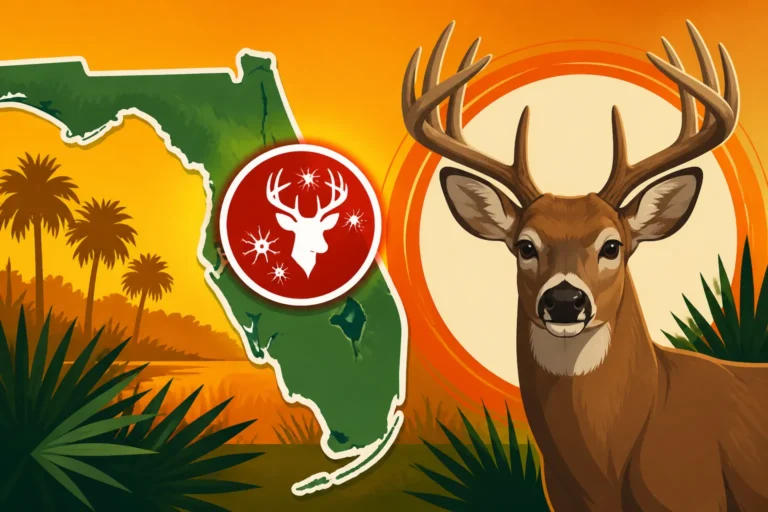
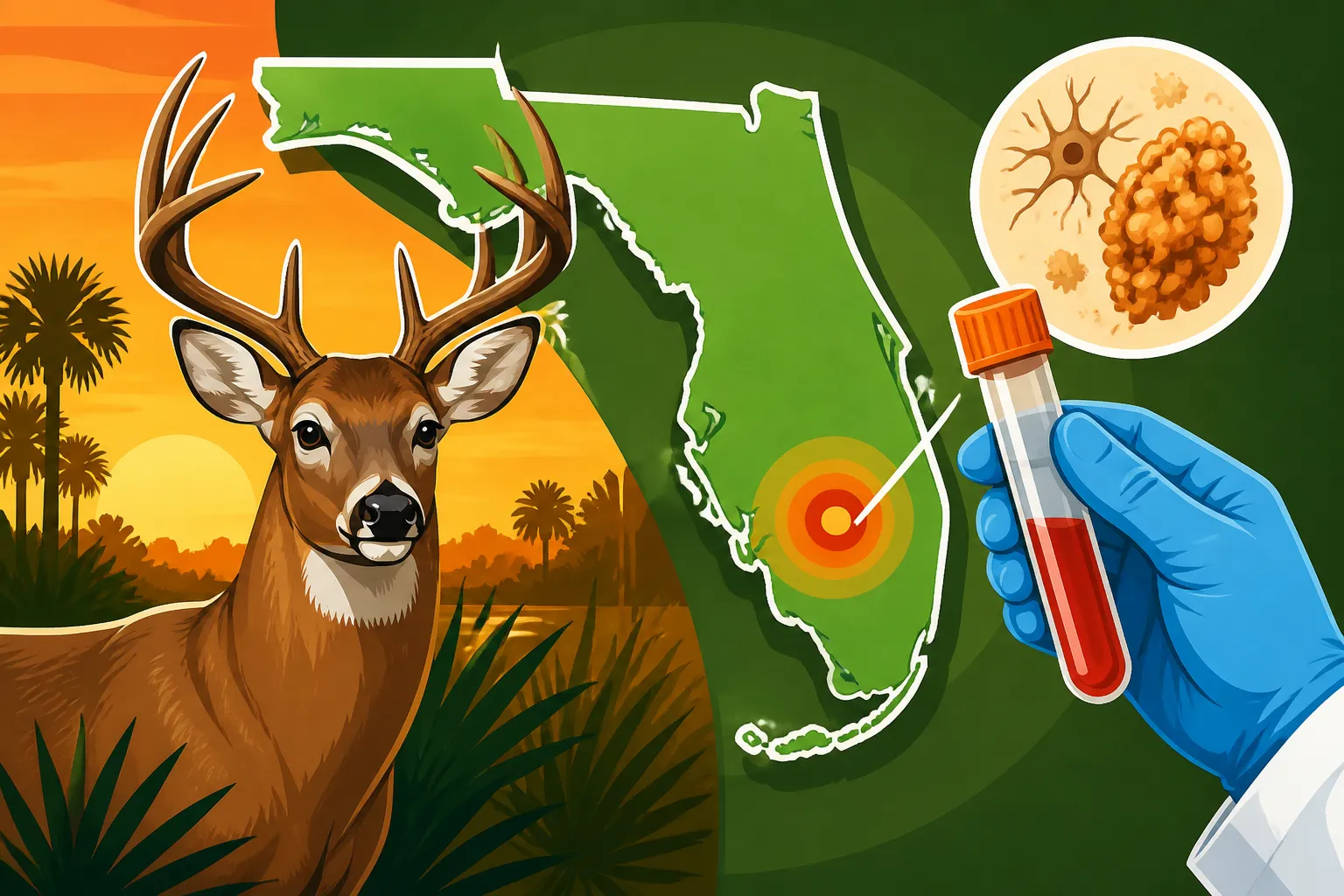
The call came in, as it often does in these situations, from a routine surveillance sample. In June of a recent year, the FWC announced that a single white-tailed deer from Holmes County, located in the Florida Panhandle, had tested positive for CWD. This wasn't a surprise born of neglect; it was the result of a robust system doing exactly what it was designed to do. The deer, a 4-year-old doe, was taken during the regular hunting season and submitted for testing as part of the FWC's ongoing statewide surveillance program. Her test came back "positive."
For countless hunters and wildlife enthusiasts, this was the moment everyone had dreaded. It meant CWD was no longer a distant problem for other states; it was here, on Florida soil. The specific location was critical: Holmes County borders Alabama, a state where CWD had already been detected, which immediately raised questions about the potential source and spread of the disease across state lines. This connection underlined the immense challenge of managing wildlife diseases that don't respect political boundaries.
Confirming the Diagnosis
When an initial test comes back positive for CWD, it's not immediately declared a confirmed case. There's a stringent protocol for confirmation. The initial sample goes through a preliminary screening test. If that test is reactive, meaning it suggests the presence of prions, then a second, more definitive confirmatory test is performed at a specialized diagnostic laboratory. In Florida's case, the FWC utilized the National Veterinary Services Laboratories (NVSL) in Ames, Iowa, which is the official reference laboratory for CWD testing in the United States. This rigorous process ensures accuracy and prevents false positives, which is crucial given the severe implications of a CWD detection.
The confirmation from NVSL was the definitive stamp. It meant that this single deer in Holmes County was indeed CWD-positive. This wasn't just a lab result; it was a trigger for a cascade of predefined actions and management protocols designed to respond to exactly this scenario. The FWC immediately pivoted from "surveillance" mode to "response" mode, knowing that every hour counted in mitigating the potential spread of this insidious disease. Hunters using apps like GoHunt might suddenly find new regulations or advisories appearing on their maps for the affected areas, underscoring the immediate impact on local hunting.
Immediate Response and Management Zone Establishment
As soon as the CWD confirmation came back, the FWC sprung into action. Their response plan, honed over years of anticipation and preparation, was immediately put into motion. The first, and arguably most critical, step was to establish a CWD Management Zone (CMZ) around the detection site. This zone is a geographically defined area where special regulations and surveillance efforts are intensified to prevent the further spread of the disease. The boundaries are carefully drawn based on factors like deer movement patterns, habitat, and road networks, aiming to encompass the highest risk areas.
For hunters, this meant new rules for the upcoming seasons. Restrictions on moving certain deer parts out of the CMZ, mandatory harvest reporting, and increased opportunities for CWD testing became the new normal. It was a lot to take in, and understandably, it caused a stir among the hunting community. But these measures, while inconvenient, are absolutely essential. The goal is to prevent infected deer or deer parts from being transported to new areas, inadvertently seeding new outbreaks. Hunters are the first line of defense in implementing these critical regulations. Information about these zones, including maps and specific rules, were quickly disseminated through FWC channels and local media. This is where hunters often turn to digital tools and platforms, including those like GoHunt, to stay updated on critical regulations specific to their hunting areas.
Enhanced Surveillance and Containment Strategies
Within the newly established Florida's CWD Management Zone Boundaries, surveillance efforts were dramatically ramped up. This included increased sampling of hunter-harvested deer, targeted removal of deer showing symptoms, and even proactive testing of deer that appeared healthy. The FWC worked closely with landowners and local communities to ensure cooperation and understanding. They held public meetings, provided clear guidelines, and offered resources for hunters to comply with the new regulations, such as Finding a Florida CWD Sampling Location.
Containment strategies also included strict rules about the movement of deer carcasses and certain deer parts. For example, hunters harvesting a deer within the CMZ were generally restricted from taking the whole carcass outside of the zone. Only boned-out meat, cleaned skull plates, or taxidermied capes might be allowed to cross the boundary, as these parts are considered to have a very low risk of carrying CWD prions. These regulations are designed to minimize the risk of human-assisted spread, which is a major pathway for CWD to jump to new areas. Understanding Moving a Deer Carcass Out of a Surveillance Zone is paramount for any hunter in or near the CMZ.
The Aftermath: Ongoing Monitoring and Hunter's Role
The detection of CWD in Holmes County wasn't an isolated event with a quick resolution; it ushered in a new era of deer management in Florida. The FWC's work didn't end with establishing the CMZ; it intensified. Ongoing surveillance, consistent with Florida's Deer Disease Monitoring Program, became a permanent fixture, with thousands of deer continuing to be tested annually across the state, especially within and adjacent to the established CWD Management Zone. This continuous monitoring is vital to track the disease's potential spread, assess the effectiveness of management strategies, and inform future decisions.
For hunters, the landscape has changed permanently. The knowledge that CWD is present means an added layer of responsibility and awareness. When you're out in the woods, whether you're Scouting Florida Public Land Before Season or actually pursuing game, you're now also an important part of the state's CWD defense. Reporting sick deer, understanding carcass movement restrictions, and participating in voluntary testing programs are all critical ways hunters contribute to the health of the herd. The FWC regularly updates its guidelines, and staying informed is a year-round commitment for any responsible hunter.
Adapting to a New Reality
Hunters in Florida now need to adapt to this new reality. This means not only being aware of the general CWD threat but also understanding the specific regulations that might apply to their hunting areas, especially if they are within or near a CWD Management Zone. Resources like the FWC website, local news, and even trusted hunting platforms are essential for staying up-to-date. Hunters should also consider what they do with their harvest. While there's currently no evidence of CWD transmitting to humans, health agencies still recommend against consuming meat from CWD-positive animals. Knowing how to properly Handling Venison From a CWD Surveillance Zone is now an important part of a hunter's skillset.
The first detection of CWD in Florida was a sobering reminder of the challenges facing wildlife management in the 21st century. It underscored the importance of proactive science, dedicated professionals, and an engaged hunting community. While it's a difficult reality to face, Florida's prompt detection and robust response demonstrate a commitment to protecting our deer herds and hunting heritage for generations to come. Every hunter has a role to play in this ongoing effort, ensuring we remain vigilant and responsible stewards of our precious wildlife resources.
Disclaimer
This article is for general informational purposes only and does not constitute professional advice. Laws, prices and regulations vary by location and change over time. Consult a qualified professional for guidance on your specific situation.