Florida Key Deer Population and Protection
When you picture Florida's wildlife, you might think of alligators lurking in marshes or whitetail deer Ghosting through cypress swamps. But tucked away in the southernmost reaches of the state, specifically the Lower Florida Keys, lives a truly distinctive and incredibly vulnerable creature: the Florida Key deer. These miniature whitetails face an uphill battle for survival in their shrinking island habitat, and this guide will delve into their population status, the myriad threats they encounter daily, and the vital protection measures in place to ensure their future.
The Unique World of Florida Key Deer
Most folks unfamiliar with the Keys might assume all Florida deer are alike, but nothing could be further from the truth. The Key deer are a world unto themselves, a testament to how isolation and specific environmental conditions can shape a species. They're not just small deer; they are a distinct subspecies that has adapted to an incredibly fragile and limited ecosystem.
A Tiny Subspecies with a Big Story
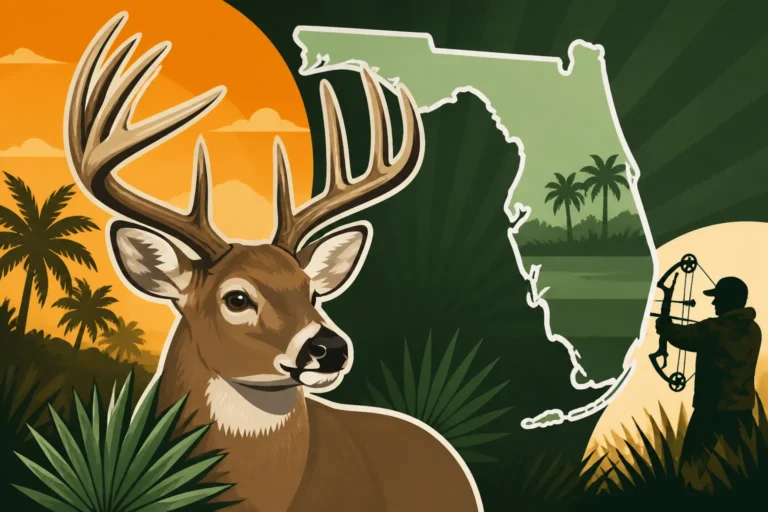
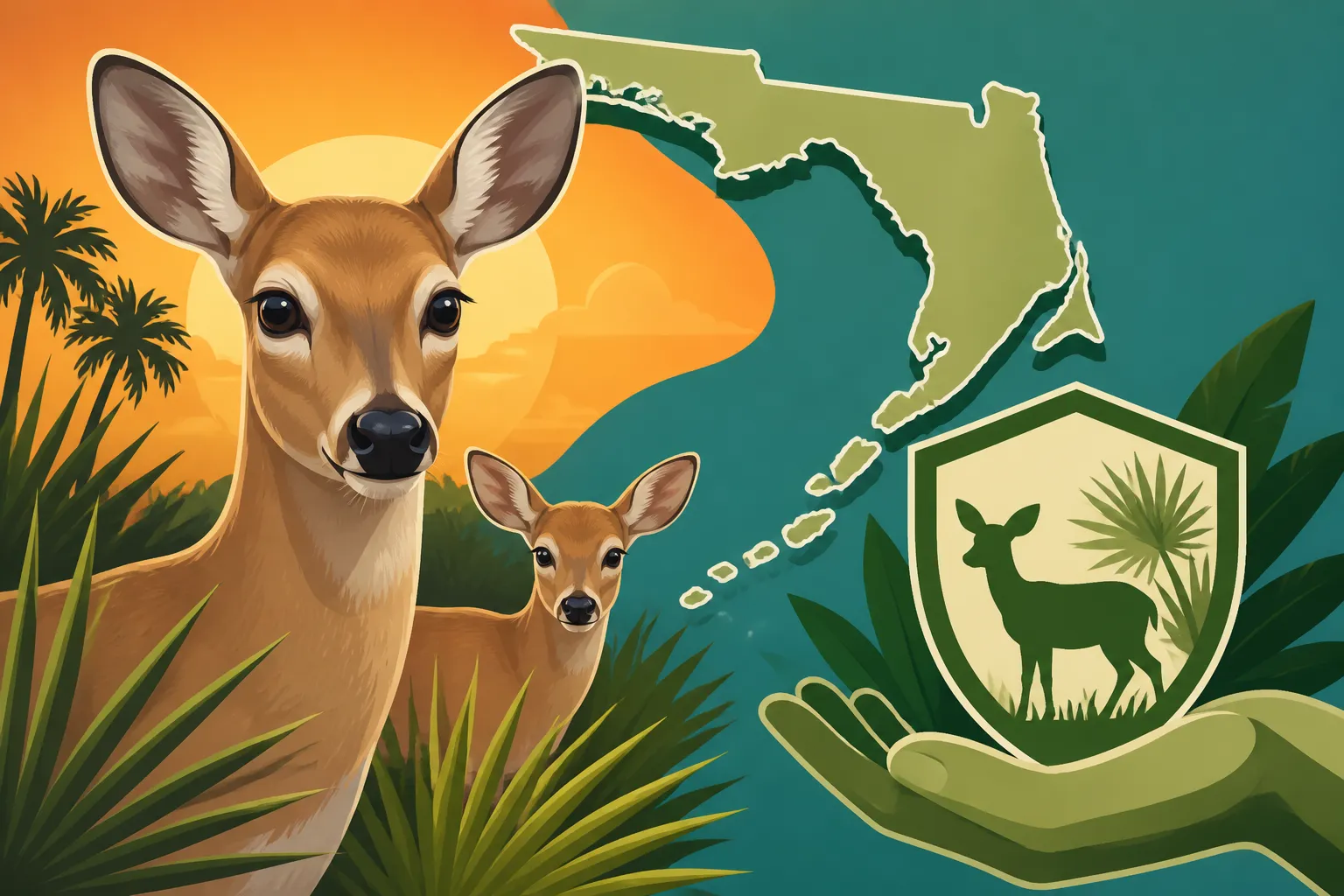
The Florida Key deer ( Odocoileus virginianus clavium) is a federally endangered subspecies of white-tailed deer. They're considerably smaller than their mainland cousins, standing perhaps two to three feet at the shoulder and weighing in around 50 to 80 pounds for bucks, with does being even smaller. Imagine a deer roughly the size of a large dog, but with the elegant features of a mature whitetail, complete with small, typically three-pointed antlers on the males. This diminutive size is a classic example of "island dwarfing," an evolutionary process where animals isolated on islands tend to shrink over generations due to limited resources and fewer predators. Their story is one of adaptation, survival, and now, intense conservation.
Their unique physical characteristics are directly tied to their environment. Their smaller stature allows them to navigate dense mangrove thickets and palmetto scrub more easily, and they can subsist on a diet of native vegetation that larger deer might struggle with. They are surprisingly tolerant of saltwater, often observed foraging for food among the salt-tolerant plants along the shoreline, and they've even been known to swim between islands. These adaptations highlight just how specialized and precious this population truly is. If you're accustomed to White-Tailed Deer Across Florida, you'll instantly notice the striking difference.
Their Exclusive Island Home: The Lower Keys
The Florida Key deer are found exclusively in the Lower Florida Keys, primarily inhabiting Big Pine Key and No Name Key, with smaller populations scattered across surrounding islands like Little Pine Key, Sugarloaf Key, and Cudjoe Key. This is a very specific, fragmented landscape that presents both opportunities and severe limitations for their survival. Their range is bounded by saltwater on all sides, meaning they can't simply move north if their habitat becomes unsuitable.
This unique geography means their survival is inextricably linked to the health of these particular islands. Their habitat consists of a mosaic of pine rocklands, mangrove forests, freshwater wetlands, and even residential areas. The pine rocklands, elevated and offering freshwater, are crucial for bedding and fresh water sources, especially during the dry season. The mangroves provide shelter and forage, acting as vital corridors. Understanding the specific land designations here is critical, and a tool like GoHunt can sometimes help decipher different ownerships or managed areas, though specific Key deer protection zones will be clearly marked by federal and state agencies. For those used to Public Hunting Land in Florida, the concept of managing a small, isolated, and highly sensitive deer population requires an entirely different approach than what's seen on a vast WMA.
Understanding Key Deer Population Dynamics and Threats
The story of the Key deer is one of incredible resilience in the face of immense pressure. Their population, once teetering on the brink of extinction, has seen some recovery thanks to dedicated efforts, but they remain highly vulnerable to a host of ongoing threats.
The Fragile State of Their Numbers
Historically, Key deer numbers plummeted due to overhunting and habitat destruction, reaching a low of perhaps only 25-50 animals by the 1950s. This near-extinction event spurred the establishment of the National Key Deer Refuge in 1957, which has been instrumental in their recovery. Thanks to decades of conservation, their population has rebounded significantly, though specific numbers fluctuate. While it's not like monitoring Florida Deer Herd Size across vast zones, every individual Key deer carries immense weight in the overall population health.
Despite the comeback, their population remains fragile and highly susceptible to sudden declines. A single major event, like a powerful hurricane or a disease outbreak, could devastate their numbers. The limited gene pool within such an isolated population also presents long-term challenges for genetic diversity and resilience to environmental changes. This constant monitoring and delicate balance means that every life matters, underscoring the vital work done by biologists and volunteers in the Keys.
The Gauntlet of Challenges: From Cars to Climate
Life in the Lower Keys is beautiful, but it's also fraught with danger for these small deer. Their biggest and most consistent threat comes from humans, specifically vehicle collisions. The Overseas Highway and various local roads cut right through their core habitat. Despite numerous warning signs, fences, and speed limits, deer-vehicle collisions account for a significant portion of Key deer mortality each year. It’s a heartbreaking reality that these gentle creatures often meet their end on the pavement.
Beyond road mortality, habitat loss and fragmentation continue to be a pressing issue. Development pressures in the Keys mean less natural space for the deer, forcing them into closer proximity with human activity. Freshwater access is also a constant concern, particularly during droughts or after saltwater intrusion from storm surges. Additionally, climate change poses a long-term existential threat. Rising sea levels could permanently inundate significant portions of their low-lying island habitat, and increased storm intensity means greater risks of habitat destruction and freshwater contamination. For this reason, protecting every remaining acre of their land is paramount.
Disease and Habitat: Constant Vigilance
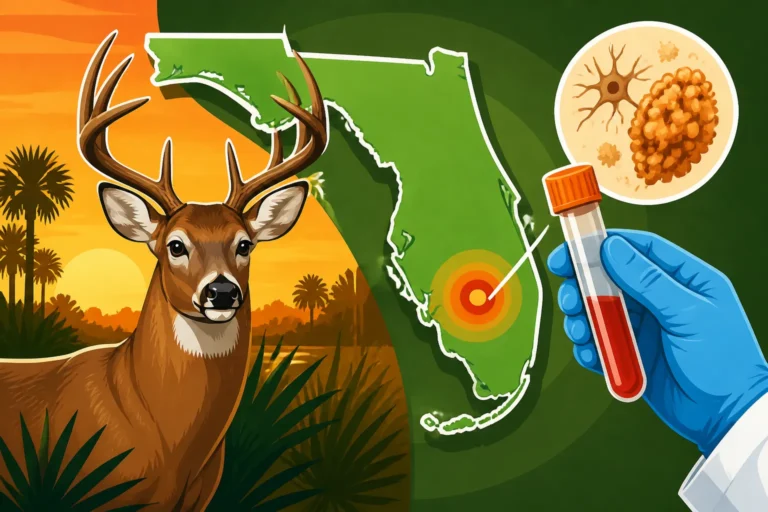
Like any deer population, Key deer are susceptible to diseases and parasites, which can be particularly devastating in a small, isolated herd. Historically, screwworm outbreaks have been a major concern, requiring intense intervention to prevent catastrophic losses. While not directly related to Florida's Single Confirmed CWD Case in the Panhandle, the vigilance around disease management for Key deer highlights the importance of wildlife health monitoring across Florida's diverse ecosystems.
| Factor | Typical Florida Whitetail Deer | Florida Key Deer |
|---|---|---|
| Size (Adult Buck) | 100-200+ lbs, 3-4 ft shoulder height | 50-80 lbs, 2-3 ft shoulder height |
| Primary Range | Statewide (mainland Florida) | Lower Florida Keys (Big Pine Key, No Name Key, surrounding islets) |
| Habitat | Forests, swamps, agricultural fields, pine flatwoods | Pine rocklands, mangrove forests, freshwater wetlands, residential areas |
| Population Status | Abundant, managed through hunting seasons | Federally Endangered, highly protected |
| Major Threats | Habitat loss, disease, vehicle collisions (regional) | Vehicle collisions, habitat loss, sea level rise, disease, human interaction |
| Legal Status | Game animal (with licenses and tags) | Fully protected, hunting strictly prohibited |
Habitat quality itself is a continuous management challenge. Invasive species can outcompete native plants that form the Key deer's diet, reducing food availability. Furthermore, human disturbances, even unintentional ones, can stress the deer. Feeding Key deer, for example, is illegal and detrimental. It acclimates them to humans, draws them closer to roads, and can lead to digestive issues from inappropriate food, making them even more vulnerable. This is a common problem when Hunting Small Private Tracts in Florida, where human interaction is more frequent.
The Extensive Protection Efforts for Florida Key Deer
The survival of the Florida Key deer is a testament to persistent conservation efforts. Multiple agencies, non-profits, and dedicated individuals work tirelessly to manage and protect this unique subspecies, ensuring they have a fighting chance against the many challenges they face.
Legal Safeguards and Enforcement
At the heart of Key deer protection are strong legal frameworks. As a federally endangered species, Key deer are protected under the Endangered Species Act, making it illegal to harass, harm, hunt, capture, or kill them. This protection extends to their habitat as well. The National Key Deer Refuge, managed by the U.S. Fish and Wildlife Service, encompasses much of their crucial habitat on Big Pine Key and No Name Key, as well as several smaller islands. These refuge lands are managed specifically for the benefit of the deer and other native wildlife. This is one of the key differences from Hunting Florida's Four Deer Zones where deer populations are managed for sustainable harvest.
Enforcement of these laws is critical. Refuge officers, state law enforcement, and other agencies work to deter poaching, enforce speed limits in critical deer zones, and investigate incidents involving the deer. There are specific regulations about driving speeds in certain areas of the Keys, particularly at night, that are vital for reducing deer-vehicle collisions. Understanding these rules is a fundamental part of Florida Hunter Education Requirements, even if you're not hunting Key deer directly, it instills a sense of responsibility for all wildlife.
Habitat Preservation and Management
Protecting the land where Key deer live is paramount. This involves not only setting aside land as part of the National Key Deer Refuge but also active habitat management. This includes prescribed burns to maintain healthy pine rockland ecosystems, invasive species removal, and freshwater management to ensure year-round access to clean water sources. These efforts are similar in principle to broader habitat management seen in places like Florida Wildlife Management Areas, but on a much smaller, more concentrated scale, with the specific needs of the Key deer at the forefront.
Conservation organizations and government agencies also work on land acquisition, purchasing privately owned parcels within the deer's range to expand and connect protected habitats. This helps reduce fragmentation and provides the deer with more safe spaces away from human development. Efforts also focus on creating wildlife corridors and underpasses to allow deer to safely cross busy roads, though this is a complex and expensive endeavor. Being able to visualize these efforts can sometimes be done with mapping tools like GoHunt, which shows land ownership and protected areas, allowing you to see where these critical habitats are located.
Community Involvement and Public Awareness
The success of Key deer conservation relies heavily on the local community and visitors to the Keys. Public awareness campaigns educate people about the deer's endangered status, the dangers of vehicle collisions, and the importance of not feeding wild animals. These campaigns emphasize that "a fed deer is a dead deer," as habituating them to human food leads them directly into harm's way. This makes Key deer a prime example of Game You Cannot Hunt in Florida and underscores why their management differs dramatically from game species.
Volunteers play a vital role in various aspects of conservation, from habitat restoration projects to assisting with educational outreach. Reporting injured or deceased deer to the National Key Deer Refuge or other appropriate authorities is also crucial for monitoring the population and addressing immediate threats. It’s a collective effort, demonstrating that when a community truly cares about its unique wildlife, powerful conservation outcomes are possible.
Living Alongside Key Deer: Visitor and Resident Responsibilities
Being in the Florida Keys means being a neighbor to a truly special and endangered animal. Whether you're a long-time resident or just visiting this beautiful part of the world, you have a direct role to play in the continued survival of the Florida Key deer.
What You Must Know When Visiting the Keys
When you drive into the Lower Keys, particularly Big Pine Key, you'll immediately notice the signs. Speed limits are strictly enforced, especially during dawn and dusk hours when the deer are most active. These reduced speeds aren't just suggestions; they are critical for saving lives. Deer-vehicle collisions are the leading cause of Key deer mortality, and slowing down is the single most effective way to prevent them. Pay attention to your surroundings, especially on roads like U.S. 1, Key Deer Boulevard, and Watson Boulevard.
Beyond driving carefully, never, under any circumstances, feed the Key deer. It might seem harmless, or even kind, to offer them a snack, but it's incredibly damaging to their health and survival. Human food can cause digestive problems, and more importantly, it teaches them to associate humans with food. This draws them into residential areas and closer to roads, increasing their risk of collision, dog attacks, and disease transmission. Observe them from a distance, enjoy their presence, but let them remain wild. For anyone interested in Reading Aerial Photos for Florida Deer to understand habitat, you'll quickly see how intertwined residential zones are with their natural range, making human interaction inevitable and responsible behavior even more important.
Respecting Their Space and Their Future
Respecting Key deer extends to all aspects of your presence in their habitat. Keep pets on a leash, especially dogs, as even a playful dog can stress or injure a Key deer. Be mindful of trash and litter, as deer can ingest harmful materials. Report any injured or dead deer, or anyone harassing the deer, to the National Key Deer Refuge or the Florida Fish and Wildlife Conservation Commission (FWC). These reports are vital for monitoring the population and addressing issues promptly.
Your responsible actions contribute directly to the conservation efforts. While you might be more familiar with regulations for Hunting Florida Cypress Swamp Edges or other specific hunting scenarios, the spirit of responsible interaction with wildlife applies universally. The future of the Florida Key deer depends on every person who shares their unique island home understanding and respecting their needs. By doing so, we ensure that these enchanting, miniature deer continue to be a cherished part of Florida's natural heritage for generations to come.
Disclaimer
This article is for general informational purposes only and does not constitute professional advice. Laws, prices and regulations vary by location and change over time. Consult a qualified professional for guidance on your specific situation.