Florida Gopher Tortoise Protection Status
It's incredibly frustrating when you're trying to enjoy Florida's beautiful outdoors, whether you're hunting, hiking, or just living on your own property, and you come across wildlife that you know is special but aren't entirely sure how to interact with it. The gopher tortoise is one of those creatures that often sparks a lot of questions. This guide is here to clear up the mystery around their protected status, helping you understand what it means to coexist with these incredible reptiles and what responsibilities come with sharing their sandy habitat.
Understanding the Gopher Tortoise and Its Ecological Role
The gopher tortoise is more than just a slow-moving reptile you might spot by the side of a country road or ambling through a pine forest. They are truly an emblem of Florida's unique natural heritage, and their very existence underpins the health of many ecosystems. Without them, a whole host of other critters would struggle to survive. It's a prime example of how interconnected life in Florida truly is, and why understanding their role is so vital for anyone who spends time in our wild spaces.
What Makes a Gopher Tortoise Unique in Florida?
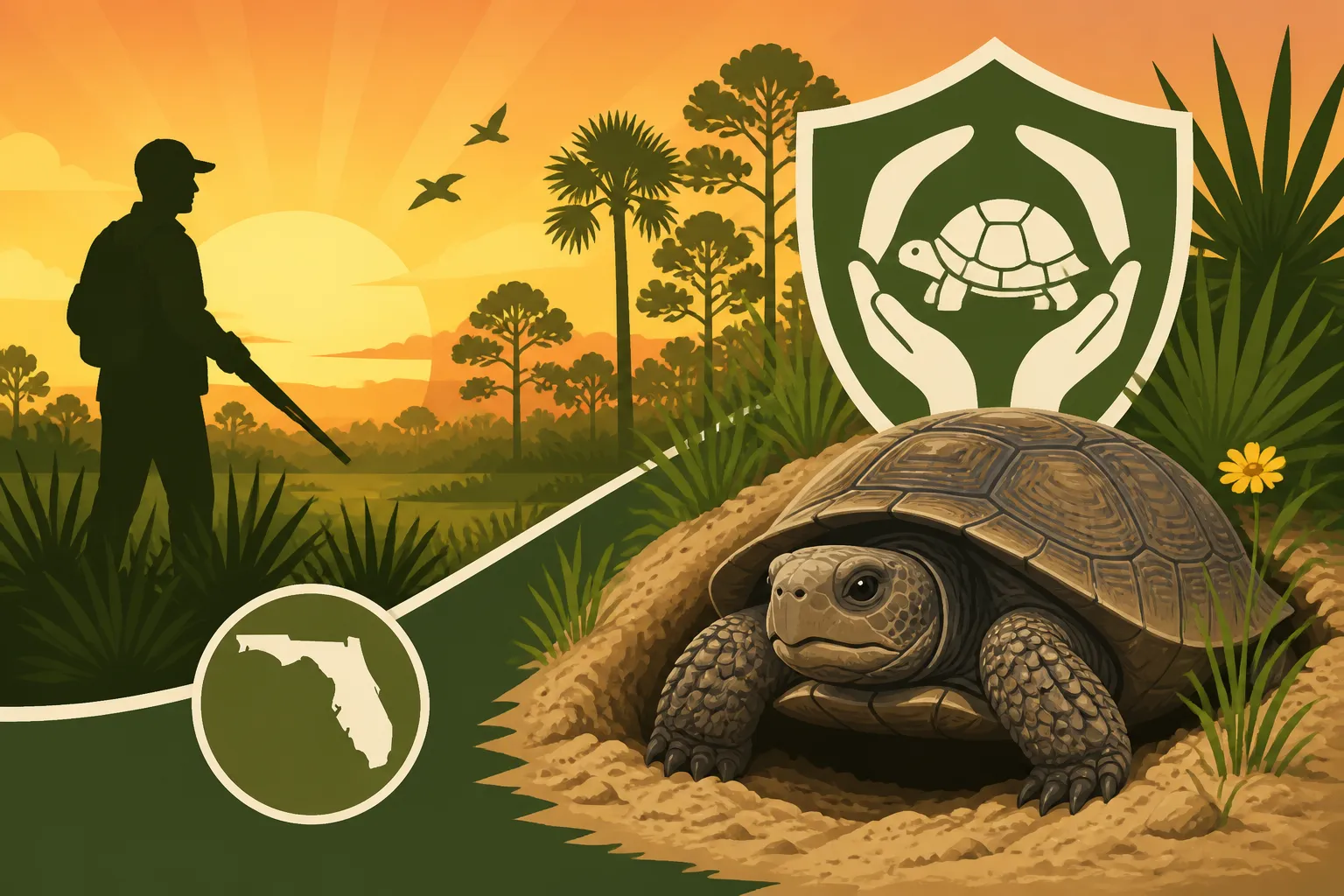
First off, let's get one thing straight: the gopher tortoise (Gopherus polyphemus) is the only native tortoise in the entire southeastern United States, and Florida is a major stronghold for them. They're not sea turtles, they're not freshwater turtles – they are land-dwelling reptiles built for digging. You can tell them apart by their stumpy, elephantine legs and flattened, shovel-like forelimbs, which are perfectly adapted for excavating their elaborate underground homes. Their shells are domed, but not as high-domed as some other turtle species, offering a streamlined profile for burrowing. These creatures are long-lived, sometimes reaching 60-80 years in the wild, slowly but surely shaping their environment throughout their lives. They are primarily herbivores, munching on a variety of grasses, leaves, fruits, and flowers, effectively acting as natural landscapers in their sandy habitats.
Their presence is an indicator of healthy, well-drained upland habitats, often associated with longleaf pine forests, sandhills, and scrub. These are often the same areas we find ourselves exploring when Scouting Florida Public Land Before Season or enjoying the tranquility of Florida State Forests and Environmental Areas. Recognizing these unique characteristics helps us appreciate just how special these native Floridians are and why they need our careful attention.
The Importance of Their Burrows: Keystone Species Status
If you've ever heard the term "keystone species," the gopher tortoise is a perfect living example. Imagine a grand archway: remove the keystone, and the entire structure collapses. In the same way, if you remove gopher tortoises from an ecosystem, countless other species would lose their primary refuge and struggle to survive. Their burrows are not just personal homes; they are underground condominiums that provide shelter from predators, extreme weather, and, crucially in Florida, wildfires.
Over 360 other animal species have been documented using gopher tortoise burrows. This incredible list includes everything from the gopher frog and Florida mouse to federally protected Eastern indigo snakes, burrowing owls, rabbits, various insects, and even some species of salamanders. When a wildfire sweeps through a longleaf pine forest – a natural and often necessary process in Florida's ecosystem – these burrows become essential fire shelters for all sorts of creatures. It’s a stark reminder that when we protect the gopher tortoise, we're not just protecting one species; we're protecting an entire community that relies on their diligent digging. This understanding is key for anyone involved in land management, whether it's a private landowner or the agencies managing Florida Wildlife Management Areas.
Deciphering the Gopher Tortoise's Protected Status
Navigating the rules and regulations around protected species can feel like trying to untangle a ball of fishing line after a long day on the water. It’s easy to get confused, and frankly, some of the legal jargon doesn't make it any simpler. But when it comes to the gopher tortoise, understanding their protected status is incredibly important, not just for their survival but also to avoid potential legal headaches. These aren't just suggestions; they are laws designed to ensure these crucial animals continue to thrive.
From Candidate to Threatened: A History of Protection
The journey of the gopher tortoise to its current protected status reflects a growing understanding of its ecological value and the threats it faces. Historically, they were much more widespread, but habitat loss and fragmentation, coupled with past practices like using them for food, took a heavy toll on their populations. Over time, Florida’s wildlife agencies recognized the severity of their decline. They were initially designated as a "Species of Special Concern," which served as a warning sign. However, as the pressures continued, it became clear stronger protections were needed.
Today, the gopher tortoise is officially listed as a State-designated Threatened Species by the Florida Fish and Wildlife Conservation Commission (FWC). This means that while they might not be listed as "federally threatened" across their entire range (though certain populations in the western part of their range are), Florida has taken a robust stance to protect them within its borders. This designation brings with it a specific set of rules and responsibilities for everyone in the state, from developers to individual property owners, ensuring their long-term viability in the Sunshine State.
The Legal Ramifications: What You Can and Cannot Do
This "threatened" designation isn't just a label; it carries serious legal weight. Under Florida law, it is illegal to harm, harass, capture, kill, or possess a gopher tortoise or any part of it. This includes taking them home as pets, which is a common misconception, or moving them without the proper authorization. More importantly, it is also illegal to disturb, damage, or destroy their burrows. This last part is particularly significant, as the burrow itself is considered an extension of the tortoise and is essential for its survival and the survival of all those other species that rely on it.
So, what does this mean for you? If you're a landowner, particularly one considering any sort of land alteration or development, knowing if gopher tortoises or their burrows are present on your property is paramount. Any activity that might impact a tortoise or its burrow – be it construction, clearing land, or even certain types of heavy equipment operation – will likely require a permit from the FWC. Failure to obtain such permits and follow the prescribed guidelines can result in hefty fines and penalties. It’s not just about avoiding punishment; it’s about upholding our responsibility to protect these animals. This information is crucial for those who own land or are looking to develop it, much like understanding Florida Trespass and Permission Law is important for land access.
| Action | Legal Status for Gopher Tortoises & Burrows | Typical Permitting/Action Required |
|---|---|---|
| Capturing/Possessing | Illegal | None (strictly prohibited) |
| Harming/Killing | Illegal | None (strictly prohibited) |
| Disturbing/Destroying Burrows | Illegal | FWC Incidental Take Permit or Relocation Permit |
| Relocating without Authorization | Illegal | FWC Relocation Permit via Authorized Agent |
| Accidental encounter (no harm) | Legal (if no harm occurs) | Observe from a distance, report injured |
Living Alongside Gopher Tortoises: Best Practices and Conservation
Living in Florida means sharing our space with incredible wildlife, and the gopher tortoise is a prime example of a creature that needs our mindfulness. It’s not always easy, especially when development presses into their traditional habitats, but with a little knowledge and some common sense, we can all contribute to their survival. It’s about being a good neighbor to these ancient residents of the sandy uplands.
Coexisting on Your Property and Public Lands
Finding a gopher tortoise on your property can be a delightful surprise, but it also means you've got a responsibility. If you encounter a tortoise or its burrow on your land, the best thing to do is simply leave it be. They're often just passing through or have decided your sandy soil is perfect for a new home. Avoid driving heavy equipment over burrows, and be mindful when doing any landscaping that involves significant ground disturbance. If you’re mowing, trim around burrows, and consider planting native vegetation that provides them with natural food sources rather than invasive species.
When you're out enjoying Florida’s vast public lands, whether you're navigating Ocala National Forest Hunting trails or exploring a new section of Public Hunting Land in Florida, keep an eye out for their distinctive burrows. Sometimes, they're not immediately obvious, often just a half-moon shaped entrance in sandy soil, sometimes marked by a pile of excavated dirt. Respect these spaces; avoid disturbing the burrows, and never try to coax a tortoise out of its home or move it. Observational tools, like those found on platforms such as GoHunt, can often help identify different habitat types, which in turn can help you predict where you might encounter gopher tortoise burrows when you're scouting. Understanding these features enhances your overall appreciation of the land and helps you act responsibly.
Relocation and Permitting Processes
There are times, particularly with land development projects, when direct impacts to gopher tortoises or their burrows simply cannot be avoided. This is where the FWC's strict permitting process comes into play. You can't just pick up a tortoise and move it; that's illegal and can be detrimental to the tortoise itself. Instead, if a tortoise or its burrow is directly threatened by authorized human activity, a special permit from the FWC is required. This permit typically involves hiring an FWC-authorized gopher tortoise agent. These agents are trained professionals who can safely capture and relocate the tortoise to a designated, approved recipient site.
Recipient sites are specially managed conservation areas that have suitable habitat for gopher tortoises and are set aside for relocated animals. This entire process is designed to minimize stress on the tortoise and maximize its chances of survival in a new home. For anyone involved in significant land clearing or construction, understanding these requirements upfront is crucial to avoid costly delays and legal issues. While GoHunt might help you analyze potential land features, for actual permitting and relocation, you'll need to consult with FWC directly and their authorized agents. This ensures compliance with regulations that protect vital species like the gopher tortoise, much like you'd look into specifics for Florida Landowner Deer Permit Rules when managing game species.
The Future of Gopher Tortoise Conservation in Florida
The gopher tortoise holds a special place in Florida’s natural landscape, acting as a living symbol of our wild spaces. Their future, however, is a delicate balance between natural processes and human impact. As Floridians, we all have a role to play in ensuring these remarkable reptiles continue to dig their burrows and support their vast communities for generations to come. It’s a collective effort that requires ongoing vigilance and a commitment to understanding and protecting our natural world.
Current Conservation Efforts and Challenges
The FWC, alongside numerous private landowners, non-profit organizations, and federal partners, is actively engaged in a variety of conservation efforts for the gopher tortoise. These include habitat restoration, prescribed burns (which benefit tortoise habitat by maintaining open, sunny conditions), and the acquisition of new lands to protect existing populations. Educational outreach is also a big component, helping people understand the tortoise's importance and protected status. Projects focus on creating wildlife corridors, trying to link fragmented habitats so that tortoises can move safely between areas, which is vital for maintaining genetic diversity and healthy populations.
However, significant challenges persist. Florida's rapid growth means continued habitat loss and fragmentation, often cutting off tortoise populations from each other. Vehicle collisions are another constant threat, especially as tortoises cross roads. Diseases, while not always widespread, can also pose a risk to dense populations. Furthermore, managing protected lands for optimal tortoise habitat requires ongoing resources and dedicated personnel. Keeping tabs on wildlife health, much like Florida Wildlife Disease Monitoring Program for deer, is an important part of ensuring the long-term viability of the gopher tortoise.
How Individuals Can Contribute to Protection
Every single one of us can make a difference in the ongoing conservation of the gopher tortoise. It starts with awareness: knowing what they are, why they're important, and what their protected status means. If you see someone harming a tortoise or disturbing a burrow, report it to the FWC. Your observation could prevent a serious violation and save a life. Consider native landscaping on your property; plants that are indigenous to Florida often provide food for tortoises and reduce the need for intensive maintenance that might impact burrows.
Support local conservation organizations that are actively working to protect tortoise habitats. Even simple actions like properly disposing of litter can help, as tortoises can sometimes ingest harmful plastics. When exploring areas like Apalachicola National Forest Hunting or other public access points, use tools like GoHunt to familiarize yourself with the terrain and potential tortoise habitats, which empowers you to tread lightly and responsibly. The more people who understand and appreciate the gopher tortoise, the stronger their future will be in Florida. They are a treasure, and their continued presence is a testament to our commitment to wildlife conservation.
Disclaimer
This article is for general informational purposes only and does not constitute professional advice. Laws, prices and regulations vary by location and change over time. Consult a qualified professional for guidance on your specific situation.