Florida Diamondback Rattlesnake Range
Florida, with its incredible biodiversity, often brings us into close contact with wildlife that demands respect, and sometimes, a little caution. One creature that often conjures a mix of awe and apprehension is the Eastern Diamondback Rattlesnake. Many folks wonder exactly where these formidable reptiles roam and how to safely share the landscape. This guide will help you understand the common range and habitats of the Eastern Diamondback in our beautiful state, so you can enjoy the outdoors with greater awareness and confidence.
Understanding the Eastern Diamondback Rattlesnake in Florida
The Eastern Diamondback Rattlesnake (Crotalus adamanteus) is truly an iconic species in Florida, and unfortunately, often misunderstood. It's the largest venomous snake in North America, and its presence is a natural and vital part of our ecosystem. Seeing one can be a startling experience, especially if you're not expecting it, but understanding their habits and habitats can greatly reduce any potential risk.
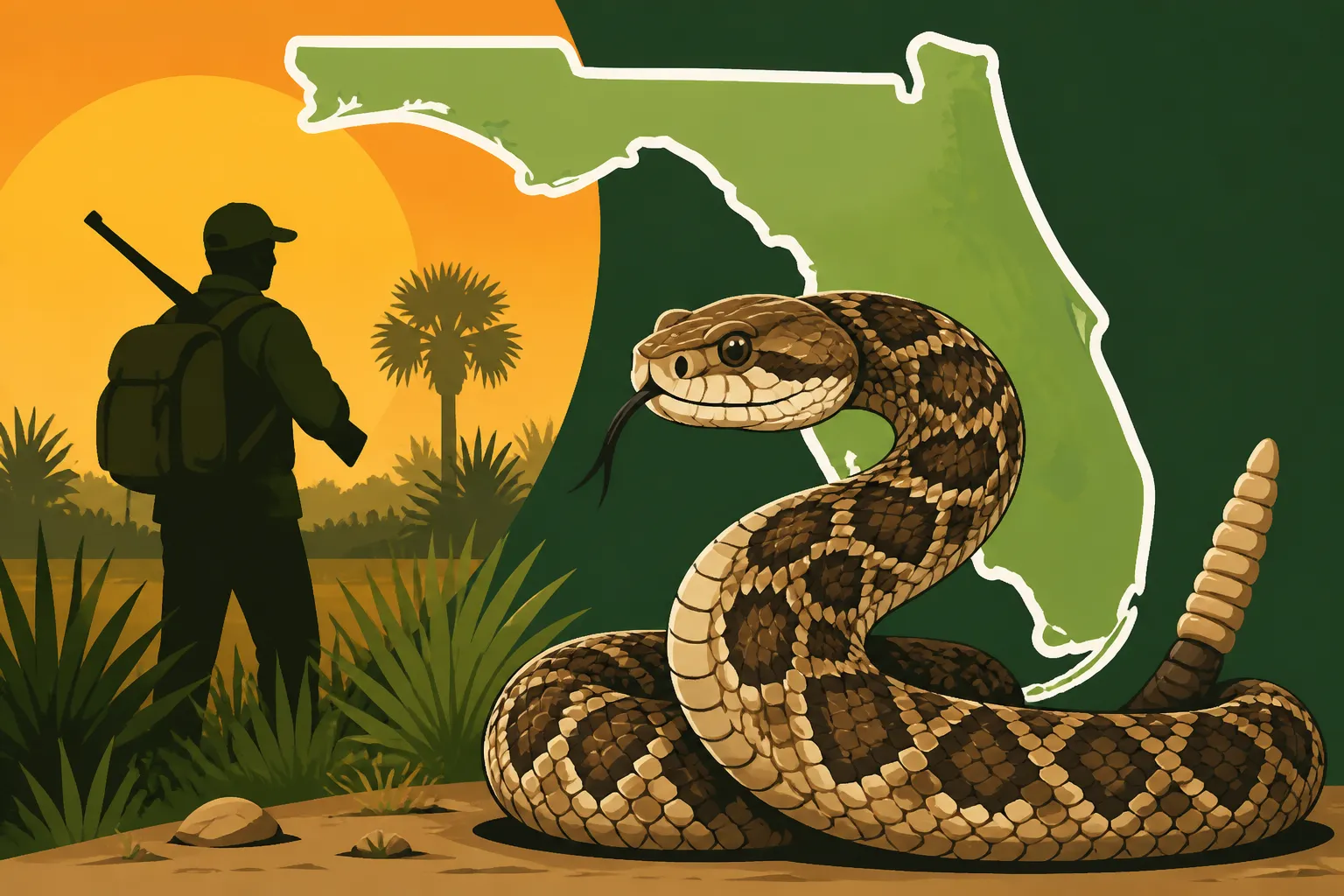
These magnificent serpents are easily identified by the distinct diamond-shaped patterns down their back, often outlined in yellow or cream. They also have a dark stripe running through their eye, and, of course, the characteristic rattle on their tail, which they use as a warning when they feel threatened. It’s important to remember that a rattlesnake rattling is giving you a clear signal to back off, not an immediate attack. They’d much rather you leave them alone than have a confrontation. Their average length can be anywhere from 3 to 6 feet, though larger specimens have certainly been documented. Imagine walking through the palmettos and stumbling upon one of these — it's enough to make anyone's heart skip a beat!
The Role of Rattlesnakes in Florida's Ecosystem
It's easy to focus on the "danger" aspect of rattlesnakes, but they play a crucial role in maintaining healthy ecosystems. As apex predators in their micro-habitat, they help control populations of rodents, rabbits, and other small mammals. Without them, these populations could explode, leading to widespread environmental damage, particularly to agricultural lands and sensitive natural areas.
Their diet primarily consists of small mammals like rabbits, rats, and squirrels, which they ambush and subdue with a venomous bite. This makes them important natural pest control agents. Plus, they themselves are a food source for other predators, like birds of prey and even wild hogs, though adult diamondbacks have few natural predators. They are an integral part of the intricate web of life that makes Florida's wilderness so unique and vibrant.
Where You'll Find Them: Eastern Diamondback Rattlesnake Habitats
When we talk about the range of the Eastern Diamondback Rattlesnake in Florida, we're essentially talking about most of the state's drier, upland habitats. While they can be found throughout mainland Florida, they are most prevalent in specific types of terrain. This isn't a snake that thrives in deep swamps or consistently wet areas; they prefer high, dry ground where they can bask, hunt, and find shelter.
Think about the classic Florida landscape: vast pinelands, scrubby flatwoods, and sandy areas. These are prime diamondback territories. If you're out Hunting Florida Panhandle Pine Plantations or exploring the Hunting Florida Central Ridge Sandhills, you're in areas where these snakes are very much at home. They blend in remarkably well with the leaf litter and pine needles, making them incredibly difficult to spot until you're quite close.
Geographic Distribution Across Florida
The Eastern Diamondback Rattlesnake is found throughout mainland Florida, extending from the Panhandle down to the central and southern parts of the peninsula. However, their populations are more concentrated and robust in certain regions.
| Region of Florida | Typical Habitats | Likelihood of Encounter (General) | Notes |
|---|---|---|---|
| Panhandle | Pine forests, sandhills, dry scrub | Moderate to High | Abundant in longleaf pine ecosystems. |
| North Central | Pine flatwoods, oak hammocks, dry prairies | Moderate | Common in areas with gopher tortoises. |
| Central Florida | Sand pine scrub, dry flatwoods, pasture edges | High | Well-adapted to human-altered landscapes near natural areas. |
| South Florida | Pine rocklands (rare), dry prairies, hammocks | Moderate to Low (but present) | Fewer overall, but still found in suitable dry habitats. |
| Coastal Barrier Islands | Dunes, maritime forests (isolated populations) | Low to Moderate | Can be found on some barrier islands if suitable habitat exists. |
They are less common in the Everglades' deepest wetlands or the most heavily urbanized areas, but even in suburban fringes, if there's an adjacent natural preserve with suitable habitat, you could encounter one. When you're Scouting Florida Public Land Before Season or just enjoying a hike, being aware of the types of terrain you're in can give you a better idea of what wildlife you might encounter.
Preferred Microhabitats and Cover
Within these broader regions, diamondbacks gravitate towards specific microhabitats. They are masters of camouflage, and their coloration allows them to disappear among pine needles, fallen leaves, and palmetto fronds. They often seek shelter in gopher tortoise burrows, which provide excellent protection from predators and temperature extremes. This is why you'll often find discussions linking rattlesnake presence to Florida Gopher Tortoise Protection Status – where you find one, you might find the other.
Other common hiding spots include dense palmetto thickets, brush piles, hollow logs, and even under elevated structures like sheds or porches, especially if there's a good food source nearby. They also love basking in sunny spots on dirt roads, firebreaks, or open clearings to regulate their body temperature. This is where many encounters occur, as they might be less visible in the open. Imagine you're out Reading Aerial Photos for Florida Deer trying to pinpoint a thicket or an old logging road; those same areas could be prime real estate for a diamondback looking for a sunny spot or a meal. Using tools like the GoHunt app can help you visualize these different habitat types as you plan your outdoor adventures.
Coexisting Safely with Eastern Diamondbacks
Encountering an Eastern Diamondback Rattlesnake in the wild is a truly memorable experience. While it's natural to feel a jolt of fear, remember that these snakes are not aggressive hunters of humans. They are defensive animals that will only strike if they feel directly threatened or cornered. The vast majority of snake bites happen when people attempt to handle, harass, or kill a snake.
The best defense is awareness and respect. When you're out in known snake habitat, whether you're deer hunting, bird watching, or just hiking, it's wise to be mindful of your surroundings. This proactive approach can make all the difference, transforming a potentially dangerous situation into a simple wildlife sighting.
Best Practices for Avoiding Encounters
Prevention is always better than reaction, especially when it comes to venomous snakes. Here are some practical steps you can take to minimize your risk:
- Watch Your Step: This might sound obvious, but it's the most critical advice. Always look where you're putting your feet, especially when stepping over logs, rocks, or through tall grass and palmetto heads. Many bites occur when a person steps on or very near a coiled snake that hasn't had time to react.
- Wear Appropriate Footwear: High-top, thick leather boots (like snake boots) offer significant protection. While not foolproof, they can prevent a strike from reaching your skin. Regular hiking boots are better than sneakers, but snake boots are truly designed for this specific protection.
- Use a Stick or Trekking Pole: When walking through dense vegetation, gently tap the ground ahead of you with a long stick or trekking pole. This creates vibrations that can alert a snake to your presence, giving it a chance to move away before you get too close. This is particularly helpful when navigating areas like Hunting a Funnel Between Two Palmetto Heads.
- Be Cautious Around Cover: Logs, brush piles, rock crevices, and gopher tortoise burrows are all potential hiding spots. Never put your hands or feet into areas you can't see. If you're using your GoHunt app to find promising terrain, pay extra attention when you approach areas marked as dense cover.
- Listen for the Rattle: While not all rattlesnakes rattle before striking, many will. If you hear that distinctive sound, freeze, identify the direction, and slowly back away. Don't try to locate the snake out of curiosity, just retreat.
What to Do If You See a Rattlesnake
If you do encounter an Eastern Diamondback Rattlesnake, the most important thing is to remain calm and give it space.
- Stop, Assess, and Retreat: As soon as you see or hear one, freeze. Try to locate the snake without making sudden movements. Once you've identified its position, slowly and deliberately back away, maintaining a safe distance. Remember, it's not looking to chase you.
- Give it a Wide Berth: Diamondbacks can strike about half their body length, so a 6-foot snake can strike 3 feet. A good rule of thumb is to stay at least twice that distance away. Never try to pick it up, poke it, or move it.
- Do Not Attempt to Kill It: Not only is attempting to kill a venomous snake extremely dangerous and the cause of most bites, but Eastern Diamondbacks are a native species that should be respected. Unless it poses an immediate and unavoidable threat to human life or pets in an enclosed space, leave it alone.
- Educate Yourself and Others: Share this knowledge with anyone you explore Florida's wild spaces with. Understanding helps everyone stay safer.
Being prepared and knowledgeable means you can better enjoy Florida's incredible outdoor opportunities. The key is to respect the wildlife, understand their habitats, and practice sensible precautions. This allows us to share our beautiful state with all its inhabitants, even the ones that might make us a little nervous.
Disclaimer
This article is for general informational purposes only and does not constitute professional advice. Laws, prices and regulations vary by location and change over time. Consult a qualified professional for guidance on your specific situation.