Florida Deer Weight Averages by Zone
Every Florida deer hunter eventually wonders, "Just how big are the deer around here, really?" It’s a common frustration to see massive bucks from up north splashed across magazines and social media, then head out into the palmettos and wonder if you're even in the same country. You might hear anecdotes about tiny Key deer or monster panhandle bucks, but getting a clear, realistic picture of average deer weights across our diverse state can feel impossible. This guide is here to cut through the guesswork, breaking down the typical field-dressed weights for Florida whitetails by management zone, and exploring the fascinating factors that cause these variations.
Understanding Florida's Deer Management Zones
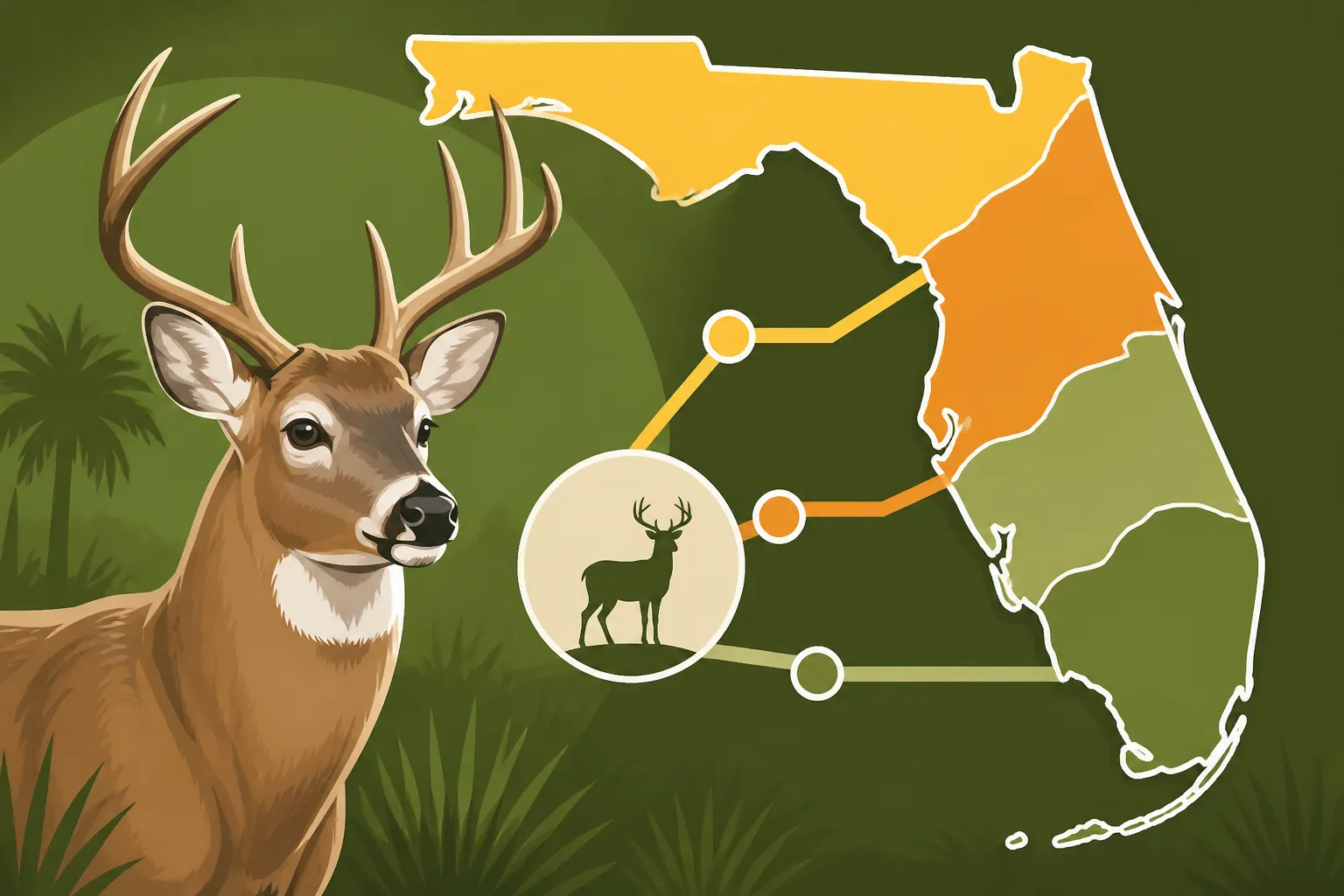
Florida isn't a one-size-fits-all state when it comes to deer. Our landscape, habitat, and even the rut itself vary dramatically from the Panhandle down to the Everglades. To manage deer populations effectively, the Florida Fish and Wildlife Conservation Commission (FWC) has divided the state into four distinct Deer Management Zones: A, B, C, and D. Each of these zones has unique characteristics that directly influence the size and health of its deer herd. Understanding these zones is the first step to truly grasping why average deer weights can differ so much, and you can get a deeper dive into their specifics by checking out Florida's Four Deer Management Zones Explained.
Zone A: The Panhandle Powerhouses
Ah, Zone A – the northernmost reaches of Florida, encompassing much of the Panhandle. When folks talk about the "biggest" deer in Florida, they're usually thinking of this area. The habitat here often resembles more of what you'd find in Alabama or Georgia, with a mix of pine plantations, hardwood hammocks, and agricultural fields. This environment typically offers richer soils and a more consistent mast crop from oaks, leading to better nutrition for the deer.
The whitetails in Zone A tend to be larger-bodied compared to their southern counterparts. Bucks in this zone might average field-dressed weights in the 120-160 pound range, with some mature animals pushing well over 180 pounds, especially early in the season before the rigors of the rut take their toll. Does are also noticeably larger, often weighing in at 80-110 pounds field-dressed. It's a noticeable difference when you're dragging one out of a creek bottom, let me tell you. The abundance of quality forage and often cooler weather contribute significantly to these higher averages. It's truly where you start to understand Why Panhandle Deer Grow Bigger Than South Florida Deer.
Zone B: Central Florida's Mixed Bag
Moving south into Zone B, which covers a large swath of central Florida, things start to shift. This zone is a mosaic of habitats, from dense pine flatwoods and cypress swamps to pastures and some agricultural lands. While still offering good deer habitat in many areas, the soils can be sandier and less fertile than in the Panhandle, and the temperatures are definitely warmer.
Deer in Zone B generally come in a bit lighter than those in Zone A. A mature buck here might average 110-140 pounds field-dressed, with some exceptional individuals breaking that upper mark. Does typically range from 70-95 pounds. You'll still find healthy deer, especially in areas with good habitat diversity and limited pressure, but the overall average trend is a slight decrease in body size. This is often where the typical "Florida deer" stereotype of a smaller-bodied animal starts to emerge for many hunters. The variability within the zone also means that deer from a rich oak hammock bordering a ranch might be heavier than one from a vast, nutrient-poor palmetto flat.
Zone C: South Central and Agricultural Influence
Zone C, primarily covering the south-central portion of the peninsula, including the Lake Okeechobee region, presents another distinct set of conditions. This area is characterized by vast cattle ranches, citrus groves, and some significant agricultural operations, alongside extensive wetlands and pine flatwoods. The warm climate and often year-round growing season can be a double-edged sword for deer. While there's plenty of green browse, the nutritional value might not always be as high as in more temperate climates.
Here, the average field-dressed weight for a mature buck might be closer to 100-130 pounds, with does ranging from 60-85 pounds. However, there are exceptions. Deer living on or near well-managed agricultural lands, particularly those with nutrient-rich forage like peanuts or winter food plots, can show impressive body weights. This zone can be surprising, as a local rancher meticulously managing his property for cattle also inadvertently provides excellent conditions for deer, leading to pockets of larger animals. But on average, you're looking at a slightly lighter frame than further north.
Zone D: The Deep South's Unique Challenge
Zone D is the southernmost deer management zone, encompassing the deep southern tip of the Florida peninsula, including parts of the Everglades and Big Cypress. This is a truly unique environment, famous for its vast wetlands, cypress swamps, and saw palmetto scrub. The intense heat, high humidity, and often challenging terrain make life tough for deer, and consequently, for hunters as well.
Deer in Zone D are typically the smallest-bodied in the state. A mature buck might only average 90-115 pounds field-dressed, and it's not uncommon to see adult does in the 50-75 pound range. These deer are often referred to as "swamp deer" or "coastal plain deer," and they've evolved to thrive in this challenging landscape, trading sheer size for resilience. The limited nutrient availability in many of these wetland areas, combined with the energy demands of existing in such a hot, humid environment, contributes to their smaller stature. It's a testament to their adaptability, but it means managing your expectations if you're used to bigger deer.
Factors Influencing Deer Weight Beyond Zones
While the deer management zones provide a great baseline, it's crucial to understand that many other factors contribute to a deer's weight. A single number can never tell the whole story, and the best hunters are always observing and analyzing these subtle influences in their specific hunting grounds. Knowing these can help you better interpret what you see in the field and understand Florida Deer Population Estimate fluctuations.
Habitat and Nutrition
This is arguably the most significant factor after location. Just like us, deer are a product of what they eat. Areas with rich, diverse forage — think hardwood hammocks full of acorns, planted food plots, or even agricultural waste fields — will generally produce heavier deer with better antler growth. Conversely, deer in vast, uniform pine plantations or deep swamps with limited browse options will often be smaller, even within the same management zone.
For instance, a particular WMA known for its deep sandy soils might have deer averaging on the lower end for its zone, simply because the natural vegetation struggles to provide the necessary nutrients. On the other hand, a private ranch actively managing its habitat, providing mineral supplements, and cultivating diverse forage could yield significantly larger deer. Paying attention to Late-Season Food Sources for Florida Whitetails is critical, as a strong late-season food source can help deer recover weight lost during the rut and prepare them for winter.
Age and Genetics
It might seem obvious, but an older deer has had more time to grow and pack on the pounds. A 1.5-year-old buck, no matter how good his genetics, simply won't weigh as much as a 4.5-year-old mature buck from the same area. This is why many hunters and wildlife managers focus on encouraging an older Florida Buck Age Structure within the herd. When bucks are allowed to mature, they not only achieve larger body sizes but also typically grow bigger antlers.
Genetics also play a subtle but important role. While Florida deer generally belong to a smaller subspecies compared to northern deer, there are still genetic variations within the state. Some family lines might naturally produce slightly larger or smaller individuals, although habitat and nutrition usually override minor genetic differences in overall body weight.
Hunting Pressure and Herd Health
Believe it or not, hunting pressure and herd health directly impact average weights. In areas with extremely high deer densities, where competition for food is fierce, individual deer may struggle to reach their full potential body weight. It's a classic case of too many mouths to feed. Conversely, in areas with a balanced buck-to-doe ratio and a healthy population size, deer have ample resources, leading to better body condition.
High Hunting Pressure on Florida Public Land can sometimes lead to younger bucks being harvested before they reach their full body weight potential, potentially skewing average weights downward on a landscape scale. Disease outbreaks, while less common for body weight specifics, can also impact overall herd health and individual deer condition. The FWC continually monitors Deer Density by Florida Zone to help inform management decisions aimed at promoting healthy, robust deer populations, which in turn influences average body weights.
Practical Implications for Florida Hunters
Knowing these average deer weights isn't just trivia; it's valuable information that can directly impact your hunting strategy and post-harvest activities. It helps you set realistic goals, plan for the logistics of your hunt, and even better appreciate the deer you do harvest, regardless of their size.
Setting Realistic Expectations
One of the biggest benefits of understanding these weight averages is managing your expectations. If you're hunting in Zone D, expecting to consistently encounter 150-pound field-dressed bucks might lead to disappointment. Instead, knowing that a 100-pound buck is a mature, healthy animal for that region can help you appreciate the unique challenges and rewards of hunting there.
It allows you to adjust your perception of a "trophy" to the local context. A heavy, healthy 110-pound Zone D buck, especially one you worked hard for in the swamp, is every bit as much a trophy as a 160-pound Panhandle deer. It encourages you to focus on the experience and the specific conditions of your hunt rather than a universal, often northern-biased, standard of deer size.
Field Dressing and Meat Yield
Practicality is key in Florida's warm climate. Knowing the approximate size of the deer you might encounter helps you prepare for the field dressing and meat processing stage. A 150-pound deer requires different handling, cooling, and transport considerations than a 70-pound deer, especially when it's still 80 degrees outside. Understanding these averages means you can anticipate the amount of venison you'll take home. A lighter deer will, naturally, yield less meat. This knowledge can also inform your gear choices, from the size of your cooler to the type of game cart you might use. You can learn more about specific techniques in Field Dressing a Deer in Hot Weather and Butchering a Deer at Camp.
| Deer Management Zone | Average Mature Buck Field-Dressed Weight (lbs) | Average Mature Doe Field-Dressed Weight (lbs) | Typical Habitat |
|---|---|---|---|
| Zone A (Panhandle) | 120-160 | 80-110 | Pine plantations, hardwood hammocks, agriculture |
| Zone B (Central) | 110-140 | 70-95 | Pine flatwoods, cypress swamps, mixed agriculture |
| Zone C (South Central) | 100-130 | 60-85 | Ranches, citrus groves, wetlands, some agriculture |
| Zone D (Deep South) | 90-115 | 50-75 | Everglades, Big Cypress, extensive wetlands, scrub |
Note: These are average ranges for healthy, mature animals and individual weights can vary greatly based on specific conditions, age, and health.
Using Data for Scouting and Management
For the truly dedicated hunter, these average weights can be another piece of the puzzle when scouting and making management decisions, especially on private land. If you're consistently harvesting deer that are significantly below the average weight for your zone and age class, it might be a sign of poor habitat quality, overpopulation, or a lack of older age classes in your herd.
Tools that aggregate data, like a robust mapping and analytics platform such as GoHunt, can sometimes help visualize these trends on a micro-level if enough harvest data is available for specific areas. While GoHunt is excellent for overlaying public land boundaries, habitat types, and accessing aerial imagery, a serious hunter can use it to pinpoint potential areas of better nutrition by examining agricultural fields, mast-producing timber, and water sources. Analyzing Reading Aerial Photos for Florida Deer in conjunction with local harvest data can reveal patterns you might otherwise miss. Knowing how your deer stack up against regional averages can inform decisions about planting food plots, selective harvesting, or even just adjusting your hunting expectations. It helps you become a more informed steward of the land and a more successful hunter.
Disclaimer
This article is for general informational purposes only and does not constitute professional advice. Laws, prices and regulations vary by location and change over time. Consult a qualified professional for guidance on your specific situation.