Florida’s Key Deer Subspecies
Florida's delicate ecosystem is home to some truly remarkable wildlife, and few species capture the imagination quite like the Key Deer. These diminutive whitetails face immense pressures living in one of the most developed and environmentally sensitive areas of our state, the Florida Keys. This comprehensive guide will immerse you in the world of the Key Deer, exploring their unique biology, the fascinating history of their survival, the fragile habitat they depend on, and the crucial conservation efforts that ensure their future in the Sunshine State.
Understanding the Unique Key Deer Subspecies
When you picture a white-tailed deer, you likely envision a creature of respectable size, perhaps even a hefty buck. But the Key Deer is a stark departure from that image, a testament to nature's incredible ability to adapt. These are not just small deer; they are a distinct subspecies, uniquely evolved for their island home.
What Sets Key Deer Apart
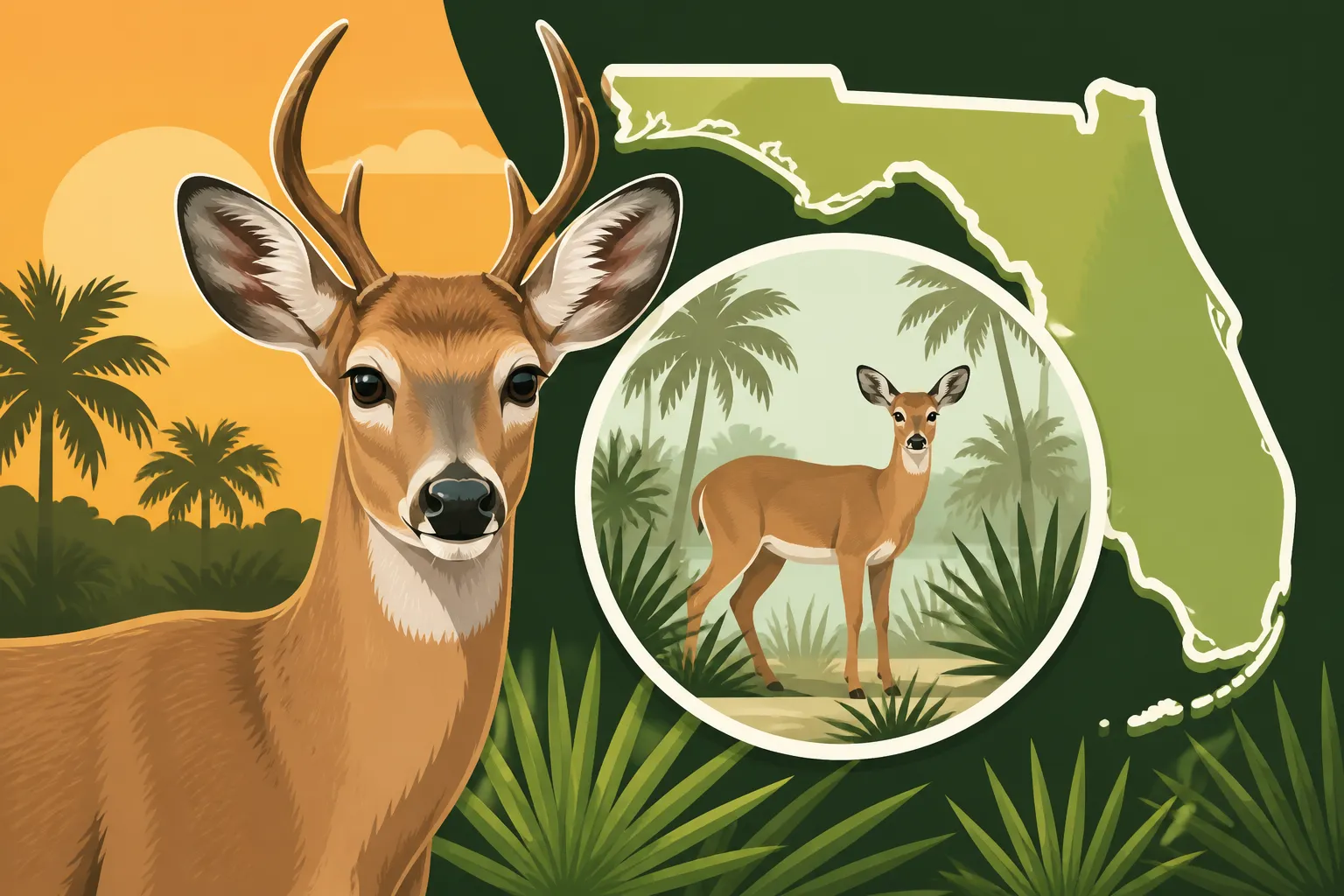
The most striking characteristic of the Key Deer, scientifically known as Odocoileus virginianus clavium, is their diminutive size. They are the smallest subspecies of white-tailed deer in North America. An adult buck typically weighs between 55 to 75 pounds and stands about 28 to 32 inches tall at the shoulder. Does are even smaller, usually weighing 45 to 65 pounds. Compare this to the average mainland Florida whitetail buck, which can easily tip the scales at 100-150 pounds or more, and you begin to appreciate just how unique these island deer are. This dwarfism is a classic example of insular or island dwarfism, a phenomenon where species isolated on islands evolve smaller body sizes due to limited resources and fewer predators.
Beyond their size, Key Deer share the same general appearance as other whitetails, sporting a reddish-brown coat that fades to gray in winter, with the characteristic white tail flag. Bucks grow antlers annually, though they are proportionally smaller and less complex than those of their mainland cousins, usually consisting of small spikes or a modest fork. Their delicate features, large ears, and expressive eyes contribute to their endearing appeal, making them instantly recognizable and beloved by residents and visitors alike. Their adaptations for life in the Keys include a tolerance for saltwater, which often mixes with their freshwater sources during high tides or storm surges, and their ability to navigate dense, low-lying island vegetation.
A Brief History of the Key Deer
The story of the Key Deer is one of remarkable resilience in the face of near annihilation. These deer are believed to have colonized the Florida Keys thousands of years ago when sea levels were lower, allowing them to traverse land bridges from the mainland. As sea levels rose, they became isolated on the Keys, leading to their unique evolutionary path and the development of their smaller size. For centuries, they coexisted with the indigenous peoples of the Keys and later with early European settlers.
However, the 20th century brought them to the brink. Unregulated hunting, combined with habitat destruction as the Keys began to be developed, devastated their numbers. By the 1950s, the Key Deer population plummeted to a mere 25-50 individuals, facing imminent extinction. Imagine trying to track down a deer herd of that size in the wild; it was truly a desperate situation. It was at this critical juncture that dedicated conservationists and concerned citizens rallied, leading to the establishment of the National Key Deer Refuge in 1957. This landmark decision marked a turning point, providing the much-needed legal protection and a secure habitat for the beleaguered subspecies, allowing them a fighting chance at recovery.
Habitat and Range: Life in the Florida Keys
To understand the Key Deer, you must understand their home. The Lower Florida Keys, with their unique blend of pinelands, hardwood hammocks, and saltwater marshes, provide a challenging yet essential environment for these specialized deer.
Where Key Deer Call Home
The Key Deer's range is incredibly restricted, primarily encompassing the central and western islands of the Lower Florida Keys, a small chain of islands off the southern tip of Florida. Their core habitat is centered on Big Pine Key and No Name Key, though smaller populations or transient individuals can be found on surrounding islands like Sugarloaf Key, Cudjoe Key, and even as far as Marathon. These islands are characterized by a mosaic of habitats, including pine rocklands, which are elevated limestone formations supporting slash pine forests, and freshwater wetlands, which are crucial for their survival.
Unlike the vast expanses where you might find a general Florida Deer Herd Size, the Key Deer are confined to these relatively small, low-lying islands. The presence of adequate freshwater is the single most critical factor determining where they can survive. While they can tolerate some brackish water, their bodies require regular access to fresh water, which often collects in limestone depressions called "solution holes" or in man-made canals and ditches. Navigating this intricate landscape, often intertwined with human development, is a daily challenge for these deer.
Critical Habitat Components
The various habitat types within the Key Deer's range each play a vital role in their life cycle. The pine rocklands offer cover and browse, particularly during the dry season. Hardwood hammocks, dense tropical forests, provide dense shelter from the sun and wind, as well as a variety of forage, including berries and leaves. Mangrove forests along the coast offer refuge from storms and high tides. However, it's the availability of freshwater that truly dictates their distribution.
During the dry season, Key Deer populations can become concentrated around the remaining freshwater sources, making them more vulnerable. The encroachment of human development has fragmented their habitat, leading to a loss of natural feeding grounds and corridors. This fragmentation forces deer to cross busy roads, increasing their risk of vehicle collisions. Conservationists, much like hunters using platforms such as GoHunt to understand game movement, meticulously map these critical habitat components to identify areas needing protection or restoration. Efforts to protect and restore freshwater lens areas, which are underground pockets of freshwater floating on denser saltwater, are paramount for their long-term survival in an environment constantly threatened by rising sea levels and saltwater intrusion.
Population Dynamics and Conservation Challenges
The story of the Key Deer is an ongoing saga of recovery and the continuous battle against both natural and human-induced threats. Their population, though stable, requires constant vigilance and active management.
Tracing the Key Deer Population
From a low of just 25-50 individuals in the 1950s, the Key Deer population has seen a remarkable turnaround. Intensive conservation efforts, spearheaded by the U.S. Fish and Wildlife Service (USFWS) and the National Key Deer Refuge, allowed their numbers to rebound significantly. By the early 2000s, estimates hovered around 800-1,000 deer. While the exact methodology differs from the comprehensive surveys used to determine the Florida Deer Population Estimate across the mainland, the Refuge employs various techniques, including spotlight counts, trail cameras, and population modeling, to track their progress.
However, growth hasn't been without its setbacks. In 2016, a devastating screwworm outbreak, a parasitic fly infestation, wiped out a significant portion of the population, reducing their numbers by an estimated 20-25%. This tragic event underscored the fragility of their recovery and the importance of continued monitoring for diseases and other threats. Since then, careful management, including a sterile insect technique to eradicate the screwworm, has allowed the population to rebound once again, demonstrating their resilience and the effectiveness of coordinated conservation strategies. Understanding these population dynamics is key to informing future management decisions.
Major Threats to Key Deer Survival
Despite the dedicated efforts, Key Deer face a daunting array of threats, predominantly stemming from human activity in their fragile island habitat. The most significant threat, by far, remains vehicle collisions. With U.S. Highway 1 traversing the heart of their range, deer are frequently hit by cars, especially during dawn and dusk. This mirrors the broader issue of Florida Deer Vehicle Collisions seen across the state, but with a much higher impact due to the Key Deer's limited numbers and restricted range. The National Key Deer Refuge has implemented measures like fencing, speed limits, and educational campaigns to mitigate this, but it remains a constant challenge.
Habitat destruction and fragmentation are also pressing concerns. As the Keys continue to develop, valuable pineland and hammock habitats are lost or broken into smaller, isolated patches. This not only reduces available food and cover but also makes it harder for deer to move safely between areas. Furthermore, freshwater sources are vulnerable to saltwater intrusion due to sea-level rise and storm surges, exacerbated by climate change. Predation by domestic dogs and feral cats, while less impactful than vehicle collisions, can also affect Florida Fawn Survival Rates in the Key Deer population. The threat of introduced diseases, like the historical screwworm outbreak or even the potential for something like Florida's Single Confirmed CWD Case (though not detected in Key Deer) underscores the need for robust wildlife health monitoring.
| Characteristic | Key Deer (Odocoileus virginianus clavium) | Mainland Florida Whitetail (e.g., O. v. seminolus) |
|---|---|---|
| Average Weight (Adult Buck) | 55-75 lbs | 100-150 lbs+ |
| Average Shoulder Height | 28-32 inches | 36-40 inches+ |
| Antler Size | Small spikes or modest forks; proportionally small | Medium to large racks; typical 8-10 points |
| Habitat | Lower Florida Keys pinelands, hammocks, freshwater sources | Diverse habitats across Florida (forests, swamps, agriculture) |
| Conservation Status | Federally endangered | Least Concern (within Florida) |
| Hunting Status | Fully protected; illegal to hunt | Regulated hunting season |
Conservation Efforts and Management Strategies
The survival of the Key Deer is a direct result of ongoing, intensive conservation efforts. These efforts combine federal protection, scientific research, and active community engagement to address the multifaceted challenges these deer face.
The National Key Deer Refuge
Established in 1957, the National Key Deer Refuge is the cornerstone of Key Deer conservation. Spanning over 9,200 acres across 20 islands, primarily on Big Pine Key and No Name Key, the refuge provides vital protected habitat for the deer and numerous other endangered species unique to the Keys. The refuge is managed by the U.S. Fish and Wildlife Service, whose staff are responsible for habitat restoration, freshwater management, law enforcement, and public education. They actively manage the land to maintain and enhance pinelands through prescribed burns, similar to how Hunting Florida Panhandle Pine Plantations might be managed, and work to control invasive species that can outcompete native forage.
One of the most critical aspects of their work involves ensuring adequate freshwater resources. This includes managing existing natural and artificial water sources, as well as protecting the delicate freshwater lens from saltwater intrusion. The refuge also spearheads efforts to reduce human-wildlife conflicts, particularly related to vehicle collisions. They've implemented wildlife crossings, fencing along roadsides, and collaborated with local authorities to enforce reduced speed limits in key deer zones. These comprehensive strategies are paramount to ensuring the long-term viability of the population and are far more specific than the broad guidelines governing Florida's Four Deer Management Zones Explained on the mainland.
Community Involvement and Public Awareness
Effective conservation isn't just about federal agencies; it requires the active participation of the local community and public awareness. Residents of the Florida Keys, especially those on Big Pine Key, play a crucial role in protecting Key Deer. Educational campaigns focus on simple but vital actions: driving slowly, especially at dawn and dusk, reporting injured or dead deer, and refraining from feeding them. Feeding Key Deer, while seemingly benevolent, can lead to habituation, drawing them into residential areas where they are more vulnerable to vehicles and domestic animals, and can disrupt their natural foraging behaviors.
Organizations like the "Save Our Key Deer" group work tirelessly alongside the refuge to raise awareness, conduct outreach, and support volunteer initiatives. Volunteers assist with habitat restoration, clean-up efforts, and even act as deer monitors. The presence of numerous wildlife cameras, often similar to those used by hunters for scouting (though Key Deer are not a game species), helps in monitoring deer movement and identifying problem areas. For anyone passionate about wildlife, understanding the role of community in conservation is as important as understanding hunting regulations or game populations, and platforms like GoHunt that emphasize data and spatial awareness can offer insights into the importance of detailed ecological understanding, even for protected species.
What the Future Holds for Key Deer
The future of Florida's Key Deer is a testament to the power of dedicated conservation, yet it remains intrinsically linked to the ongoing challenges of climate change and human population growth in a sensitive environment.
Ongoing Research and Monitoring
The long-term survival of the Key Deer hinges on continuous scientific research and vigilant monitoring. Researchers are constantly studying their genetics, population health, disease prevalence, and habitat use. Understanding their genetic diversity, for instance, is crucial for assessing their ability to adapt to environmental changes and resist diseases. This kind of detailed study goes beyond simply How FWC Counts the Florida Deer Herd and delves into the nuanced health of the population. Collaborative efforts between the USFWS, Florida Fish and Wildlife Conservation Commission (FWC), and academic institutions are vital for collecting and analyzing this data.
Monitoring for potential diseases and parasites is also a high priority, especially after the devastating screwworm outbreak. While Key Deer are not a hunted species that contributes to the Florida Deer Reporting Requirements, the principles of wildlife health surveillance are universally applied to protected species as well. Researchers also explore the impacts of various environmental factors, such as changes in rainfall patterns, increased salinity in freshwater sources due to sea-level rise, and the frequency and intensity of hurricanes, all of which directly affect their limited habitat.
Coexisting with Humans in a Changing Landscape
The ultimate challenge for the Key Deer is learning to coexist with a rapidly expanding human population in the fragile Florida Keys. This means finding sustainable solutions that balance development with conservation. One critical aspect is ongoing public education. Ensuring that both residents and the millions of tourists who visit the Keys understand the unique needs of the deer is paramount. This includes adhering to speed limits, especially in designated Key Deer protection zones, and understanding the detrimental effects of feeding wild animals.
Looking ahead, climate change presents an existential threat. The low-lying islands of the Keys are highly vulnerable to sea-level rise, which could inundate vital freshwater sources and reduce their already limited habitat. Stronger hurricanes also pose a significant risk, both directly through storm surge and indirectly by damaging vegetation and fresh water availability. Conservationists and land managers are exploring strategies to adapt to these changes, including habitat restoration in higher elevations where possible and advocating for broader climate action. The perseverance of the Key Deer is a powerful reminder that even the smallest creatures can hold immense ecological and cultural significance, and their continued existence depends on our collective commitment to protecting Florida's unique natural heritage.
Disclaimer
Please remember that hunting regulations and wildlife management practices are subject to change. Always consult the latest rules and regulations published by the Florida Fish and Wildlife Conservation Commission (FWC) before engaging in any hunting activities. This guide is for informational purposes only and does not constitute legal advice.