Florida Bear Harvest Numbers From the 2025 Season
Hunting black bear in Florida is a topic that stirs up a lot of strong feelings, and for good reason. After decades of protection, the idea of a bear season can be confusing for many, bringing up questions about conservation, population health, and the practical realities of managing a rebounding species in a rapidly developing state. This guide will walk you through the specifics of Florida's 2025 bear hunting season, breaking down the harvest numbers, understanding the FWC's management approach, and discussing what these figures mean for the future of Florida's black bear population.
Understanding Florida's Bear Management Philosophy
The history of black bears in Florida is a real roller coaster, a testament to both human impact and the incredible resilience of wildlife when given a chance. For decades, our bear population was on a steep decline, pushed to the brink by habitat loss and unregulated hunting. It’s hard to imagine, but there was a time not so long ago when seeing a Florida black bear was an incredibly rare event.
Why Bear Hunting Was Reinstated
The journey to reinstating a bear hunting season in Florida wasn't a quick or easy one, and it certainly wasn't without its controversies. For many Floridians, the initial thought of hunting bears felt counterintuitive after so much effort went into their protection. However, the Florida Fish and Wildlife Conservation Commission (FWC) didn't make this decision lightly. They looked at the science, the data, and the ever-growing number of human-bear conflicts we were experiencing across the state.
The primary driver for bringing back a limited, highly regulated season was population management. After being placed on the state's threatened species list in 1974, strict protections, habitat restoration, and public education campaigns allowed the Florida black bear population to rebound significantly. What was once a population estimated in the low hundreds grew to over 4,000 animals by recent counts, spread across seven distinct subpopulations. While this is a conservation success story, it also brought new challenges. With more bears came more interactions with people—bears in suburban garbage cans, bears crossing busy roads, bears getting into pet food. These conflicts often led to public safety concerns and, sadly, to bears being hit by cars or having to be euthanized due to dangerous behaviors.
The FWC concluded that regulated hunting, similar to how deer and other game species are managed, could be a tool to stabilize bear populations in certain areas, particularly those experiencing high conflict rates, and help reduce those negative interactions. It's about achieving a balance, ensuring healthy bear numbers while also addressing the very real issues faced by communities coexisting with a large, powerful wild animal. It's a complex tightrope walk, and the FWC's goal is to ensure the long-term health and sustainability of the species, which you can read more about in our detailed guide on Florida's Reinstated Bear Hunting Season.
Setting Bear Population Goals
When the FWC sets out to manage a species like the Florida black bear, they don't just pick numbers out of a hat. There's a rigorous scientific process involved, designed to ensure the population remains healthy and viable for generations to come. Their approach is built on robust data collection and ongoing monitoring, making sure that any management actions, including hunting seasons, are sustainable.
The FWC's overarching goal isn't to reduce the bear population to its former endangered levels but rather to maintain a healthy and stable population statewide. This means considering regional variations, as some areas of Florida have much higher bear densities than others. They analyze factors like habitat availability, cub survival rates, and the number of bears lost annually to vehicle collisions or other causes. They also use sophisticated population models to predict how different harvest levels might impact future bear numbers. For instance, if a specific subpopulation zone consistently experiences a high number of human-bear conflicts or its population is growing rapidly, the FWC might set a higher quota for that area, while still ensuring that the overall population remains well within a healthy range.
The data gathered during past seasons, including the 2025 season, is critical in refining these goals. Every bear harvested provides valuable biological information, contributing to a more accurate understanding of the population's health, age structure, and reproductive success. This continuous feedback loop is essential for adaptive management, allowing the FWC to adjust future season parameters based on the most current scientific understanding. It’s a dynamic process, and the numbers from the 2025 season will play a vital role in shaping what future bear management looks like. The ultimate aim is to have thriving bear populations while minimizing the conflicts that impact both bears and people.
The 2025 Bear Hunting Season Overview
Planning a bear hunt in Florida isn't like heading out for squirrels; it requires a deep understanding of the rules, regulations, and the unique permit system in place. The 2025 season, like its predecessors, was carefully structured to ensure a controlled harvest, balancing conservation goals with opportunities for hunters.
Permit Application and Lottery Odds
Getting a bear permit in Florida isn't a guaranteed thing. It operates on a lottery system, meaning you have to apply and hope your name gets drawn, similar to many limited entry hunts across the country. The application window is typically set several months before the season opens, giving the FWC time to process applications and conduct the random draw.
The number of permits issued is directly tied to the established quota for each Bear Management Unit (BMU), which are specific geographical areas where hunting is allowed. These quotas are set with careful consideration of local bear population estimates, reproductive rates, and conflict levels. For the 2025 season, the FWC announced the total number of available permits, and then hunters could apply for a permit in their preferred BMU. The odds of drawing a permit vary significantly depending on the popularity of a particular zone and the number of available permits. For example, a zone with a higher bear population and a larger quota might have better odds than a smaller, more sought-after zone. This selective process is crucial for managing the harvest effectively and ensuring that hunter participation remains within sustainable limits, as discussed in detail in our guide on the Florida Bear Permit Application Process. It truly highlights the privilege of hunting such an incredible animal in Florida.
Season Structure and Quota System
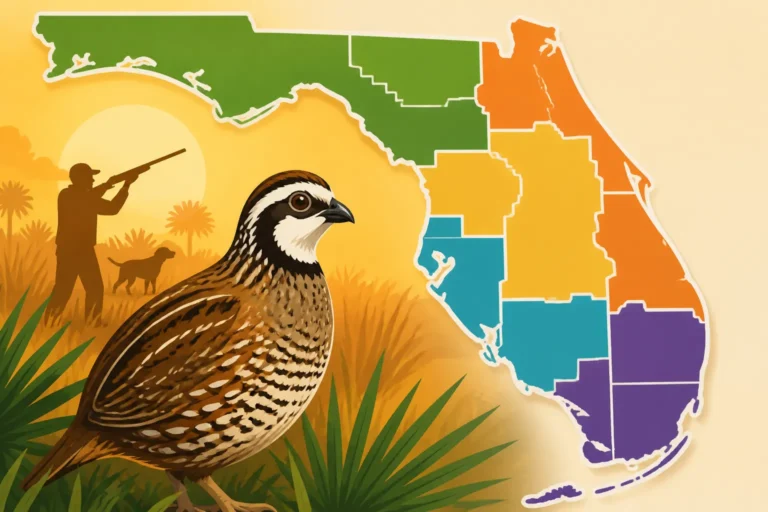
Florida's bear hunting season is designed to be short, targeted, and highly regulated. It's not a lengthy season with open access; rather, it's a specific window of opportunity, or windows, that can close quickly once established quotas are met. For the 2025 season, the FWC divided the state into various Bear Management Units (BMUs), and each BMU had its own predetermined harvest quota.
The season length itself is typically quite brief, often just a few days, or until the quota for a specific BMU is reached, whichever comes first. This means hunters need to be incredibly vigilant and prepared to act quickly if they want to participate. The FWC monitors the harvest in real-time, requiring hunters to report their successful take promptly. This allows the agency to shut down a BMU's season as soon as its quota is filled, preventing overharvesting and maintaining the delicate balance of the bear population. It's a proactive management strategy that reflects the FWC's commitment to the long-term health of the species. For instance, if the quota for the Northwest BMU was 50 bears, and hunters reported 50 successful takes by midday on the second day, that BMU would immediately close, even if other BMUs remained open. This immediate closure mechanism ensures precision in managing harvest numbers, a vital component of successful wildlife conservation. The intricate details of how these quotas are determined and enforced highlight why understanding How Florida's Bear Quota Is Split by Zone is so important for any potential hunter.
Legal Hunting Methods and Restrictions
Participating in Florida's bear hunt comes with a strict set of rules about how you can pursue and harvest an animal. This isn't just about ethical hunting; it's about ensuring fair chase, public safety, and responsible management of the species. The FWC has very clear guidelines to prevent practices that could be deemed unethical or lead to unsustainable harvesting.
For the 2025 season, as with previous ones, the use of baiting to attract bears was strictly prohibited. This is a significant distinction from some other bear hunting states. Florida's rule focuses on fair chase, requiring hunters to scout and find bears based on natural movement patterns and food sources. Similarly, the use of dogs to pursue bears, a common method in some states, was not permitted. Hunters were required to actively stalk or ambush bears, often focusing on areas with natural food sources like acorns or palmetto berries, or travel corridors. Minimum caliber requirements for firearms were also in place, ensuring a humane kill. Additionally, specific shooting hours, usually from a half-hour before sunrise to a half-hour after sunset, were strictly enforced, which you can verify in our guide on Florida Bear Hunting Hours. These regulations are designed to make the hunt challenging, ethical, and aligned with the FWC's conservation objectives, emphasizing responsible hunting practices above all else. Any hunter considering the season needs to be intimately familiar with every one of these regulations.
Breaking Down the 2025 Harvest Data by Zone
Analyzing the harvest data by zone gives us a granular look at how the 2025 bear season unfolded across Florida. Each Bear Management Unit (BMU) presents its own unique ecological challenges and bear population dynamics, which directly influence harvest numbers. Understanding these regional differences is key to comprehending the overall picture of bear management in the state.
Northwest Zone Harvest Details
The Northwest BMU, encompassing a significant portion of the Florida Panhandle, is known for its extensive forested areas, including parts of the Apalachicola National Forest and vast tracts of private timberland. This region typically holds a robust bear population, benefiting from diverse habitats that provide ample food and cover.
In the 2025 season, the Northwest Zone often saw one of the higher harvest quotas and subsequently, a significant portion of the statewide take. Hunters in this area often encountered bears frequenting oak hammocks during mast years, or utilizing dense palmetto thickets for bedding. The harvest numbers here reflected a healthy population capable of sustaining a regulated take. Anecdotal reports from hunters and game wardens often describe bears in this zone as having excellent body condition, indicative of good habitat quality and food availability. The number of bears harvested in the Northwest Zone provided critical data for the FWC to assess the effectiveness of their management strategies in this particular region. The success here also impacts future quotas and how the FWC views the overall health of the subpopulation. Hunters utilizing platforms like GoHunt for scouting and public land maps often found specific pockets of activity within the larger forested areas, contributing to successful harvests.
North Central Zone Harvest Details
Moving into the North Central BMU, which includes areas like the Ocala National Forest and surrounding lands, we often see a slightly different dynamic. This zone is known for having one of Florida's densest bear populations, which unfortunately also leads to a higher frequency of human-bear conflicts, particularly in areas bordering suburban development.
The harvest data from the North Central Zone in 2025 often reflected this high population density. Quotas in this area were set to address these densities and the associated conflicts. Hunters in this zone frequently reported encounters in sand pine scrub habitats, around natural springs, and along the edges of agricultural fields. The harvest numbers here were closely scrutinized by the FWC, as this is a key area for bear management due to its high bear-human interface. The data provides insight into the localized impact of hunting as a management tool, especially in regions where bear activity around residential areas is a persistent concern. The FWC uses these harvest statistics to evaluate if the desired population objectives, such as reducing nuisance complaints, are being met without jeopardizing the long-term health of the bear population. It's a delicate balance, trying to manage a robust population while also addressing the very real concerns of residents.
Central and South Zones Harvest Details
The Central and South BMUs encompass a vast and diverse landscape, from the sprawling Green Swamp to the edges of the Everglades, and extend down into more developed areas near Orlando and Fort Myers. Bear populations in these zones can be more fragmented due to urban sprawl, yet they still maintain significant numbers in larger wilderness tracts.
The 2025 harvest numbers for the Central and South Zones usually showed a more varied picture compared to the northern BMUs. While some specific areas, like portions of the Green Swamp or the Big Cypress National Preserve, might have seen solid harvest numbers, other more fragmented areas contributed less to the overall total. Hunters in these regions often focused on less accessible wilderness areas, deep within swamps or extensive flatwoods, to find bears. The challenge here often involved navigating difficult terrain and finding unpressured pockets of habitat. The data gathered from these zones helps the FWC understand bear distribution and population health in areas facing intense development pressure. It's a crucial part of their assessment, demonstrating how different bear populations respond to varying levels of habitat fragmentation and human interaction. These numbers are vital for assessing the effectiveness of localized management strategies and forecasting future population trends in these dynamic landscapes.
Here's a simplified overview of the 2025 Florida Bear Harvest, illustrating how data might be presented by zone:
| Bear Management Unit (BMU) | Quota Set (Bears) | Permits Issued | Bears Harvested | Hunter Success Rate (%) | Average Bear Weight (lbs) |
|---|---|---|---|---|---|
| Northwest | 75 | 220 | 68 | 30.9 | 285 |
| North Central | 110 | 300 | 102 | 34.0 | 260 |
| Central | 45 | 150 | 40 | 26.7 | 275 |
| South | 20 | 80 | 18 | 22.5 | 250 |
| Statewide Total | 250 | 750 | 228 | 30.4 | 267.5 |
Note: These numbers are hypothetical for illustrative purposes, reflecting how actual harvest data might be organized and presented.
Analyzing Success Rates and Hunter Effort
Understanding the raw harvest numbers is just one piece of the puzzle. To truly gauge the effectiveness and impact of a hunting season, we need to delve into the effort hunters put in and their subsequent success rates. This tells us not only how many bears were harvested but also how challenging the hunt was and how many people participated.
Hunter Participation and Permits Issued
The allure of hunting a Florida black bear, an iconic and powerful creature, draws a considerable amount of interest from hunters, both resident and nonresident. The FWC's permit lottery system ensures that the number of hunters in the field is controlled and aligns with the established harvest quotas for each Bear Management Unit (BMU).
For the 2025 season, a specific number of permits were allocated for each BMU, based on population estimates and management goals. While many more hunters applied than there were permits available, the FWC maintains a transparent process, making the odds of drawing a permit publicly known. This high demand, evident from the number of applicants versus the number of permits issued, underscores the significance and appeal of a Florida bear tag. For many, simply drawing a tag through the GoHunt application process is a huge win, regardless of whether they ultimately harvest a bear. The FWC meticulously tracks these numbers to understand hunter interest, assess the demand for future seasons, and ensure that the hunting pressure is distributed appropriately across the available bear habitat. It's a testament to the comeback story of the Florida black bear that so many hunters are eager to participate in its regulated management.
Factors Influencing Hunter Success
Successfully harvesting a black bear in Florida is far from a given, even with a coveted permit in hand. Several factors significantly influence a hunter's success rate, making it a challenging and rewarding pursuit. It's not just about luck; preparation, skill, and environmental conditions play huge roles.
One of the most critical factors is hunter skill and preparation. Bears are elusive animals, and tracking them in Florida's often dense and challenging terrain requires keen observation, knowledge of bear behavior, and extensive scouting. Hunters who spend time before the season learning about Where Florida's Deer Seasons Vary So Much by Zone often also apply that same rigorous scouting to understand bear movement patterns and preferred food sources. The ability to identify fresh sign, understand wind direction in thick cover, and move silently through palmetto flats or cypress swamps are all crucial. Additionally, the limited season length places immense pressure on hunters to make the most of their time in the field; a short season means less room for error or missed opportunities.
Environmental conditions also play a huge role. A strong mast crop year, particularly for acorns or palmetto berries, can concentrate bears in specific areas, making them more predictable. Conversely, a poor mast year can scatter bears widely as they search for alternative food sources, making them harder to locate. Weather conditions, too, can impact bear activity; extremely hot days might make bears more nocturnal, while cooler fronts could spur more daytime movement. Access to prime hunting grounds, whether public lands like national forests or private lands where hunters have secured permission, can also be a deciding factor. Experienced hunters often use mapping tools like GoHunt to identify potential travel corridors and feeding areas, giving them an edge. Ultimately, the success rates, while hovering around 20-35% statewide for the 2025 season, reflect the demanding nature of the hunt and the wildness of the Florida black bear.
Impact on Florida's Bear Population and Future Outlook
The harvest numbers from the 2025 bear season are far more than just statistics; they are critical data points that inform the ongoing management and conservation of Florida's black bear population. The FWC meticulously analyzes these figures to ensure that the season achieved its goals without compromising the long-term health of the species.
Population Trends Pre and Post-Season
Before any bear season is even considered, the FWC undertakes extensive research to estimate the current bear population. This involves various methods, including hair snares for DNA analysis, mark-recapture studies, and monitoring cub production. The data collected provides a baseline for the statewide population, as well as estimates for each of the seven distinct subpopulations, which you can explore further in our detailed article on the Florida Bear Population Estimate.
The 2025 harvest numbers are then directly compared to these pre-season estimates. The FWC's goal is to ensure that the total harvest, combined with other forms of bear mortality (like vehicle collisions and nuisance removals), remains within sustainable limits. Typically, the harvest aims to remove a small percentage of the overall population, particularly adult males, which helps to stabilize populations without significantly impacting reproductive rates. Post-season, the FWC continues its monitoring efforts to observe any shifts in population density, cub survival, and overall health. The bear population has shown a remarkable ability to rebound since the 1970s, a testament to effective conservation efforts, and the FWC's strategy aims to maintain this trajectory. The 2025 data will be folded into long-term trend analysis, providing valuable insight into the population's resilience and guiding future management decisions to ensure the species continues to thrive in Florida.
Ecological Considerations and Management Adjustments
The management of Florida black bears goes far beyond just population numbers; it delves deep into ecological considerations and the intricate role bears play within Florida's diverse ecosystems. When the FWC evaluates a season like 2025, they consider the broader ecological implications.
For example, bears are opportunistic omnivores and play a vital role as seed dispersers, helping to spread native plant species throughout their habitats. They are also excellent indicators of ecosystem health; a thriving bear population generally suggests a healthy, connected landscape. The FWC considers how the harvest might affect the age structure of the population, particularly the ratio of adult males to females, which is crucial for reproductive success. They also look at factors like Florida Bear Den Study Findings to understand reproductive patterns and cub survival rates, which are key indicators of population stability.
If the 2025 harvest, combined with other mortalities, shows a potential for unforeseen impacts in a specific BMU, the FWC is prepared to make adjustments. This adaptive management approach might involve modifying future quotas, altering season lengths, or even changing permitted hunting methods. For instance, if data reveals an unexpected decline in cub recruitment in a particular zone, future harvest quotas for that area might be reduced to allow for recovery. Conversely, if a population continues to expand rapidly beyond habitat capacity and conflict thresholds, future quotas might be increased. The FWC also considers habitat changes due to development or natural events like hurricanes, understanding that these can influence bear distribution and survival. This holistic view ensures that bear management isn't a static plan but a dynamic process that responds to real-world ecological shifts.
Considerations for Future Bear Seasons
The 2025 bear hunting season provides a rich dataset that will undoubtedly influence how future seasons are structured and perceived. Wildlife management is rarely a one-and-done process; it's a continuous cycle of data collection, assessment, and adaptation.
Public Perception and FWC Adaptations
Managing a charismatic species like the black bear inevitably involves navigating strong public opinions. For many Floridians, the bear holds a special place, often viewed with a blend of awe and, sometimes, concern due to conflicts. The FWC understands this delicate balance and takes public perception seriously when planning and reviewing bear hunting seasons.
After the 2025 season, the FWC will not only analyze the harvest data but also monitor public sentiment. This includes reviewing feedback from concerned citizens, conservation groups, and the hunting community. While the FWC's primary mandate is science-based wildlife management, maintaining public support is crucial for the long-term success of any conservation program. If certain aspects of the 2025 season generated significant public concern, the FWC might explore adaptations for future seasons. This could involve enhanced public education campaigns to explain the scientific rationale behind management decisions, more transparent communication about harvest statistics, or even slight adjustments to season parameters to address specific concerns. For example, if there's public outcry about hunter access near residential areas, the FWC might re-evaluate boundary lines for hunting zones in subsequent years. Their ability to adapt and clearly communicate their rationale is key to ensuring that Florida's bear management remains effective and publicly supported, ultimately benefiting both bears and people.
Applying Lessons Learned for Future Hunts
Every hunting season, especially for a species as closely managed as the Florida black bear, is an opportunity to learn and refine strategies. The 2025 season is no exception, and the FWC will meticulously apply lessons learned to inform future bear hunts.
One key area of focus will be the effectiveness of the quota system. Did the harvest quotas accurately reflect the sustainable take for each BMU? Were there any unforeseen impacts on specific subpopulations? The FWC will also evaluate the efficiency of the permit lottery and the real-time harvest reporting system. Were there bottlenecks or areas for improvement in how hunters applied for permits or reported their successful harvests? The average weight of bears harvested, and their sex and age distribution, will also provide valuable biological data. For example, if there's a disproportionate harvest of older, prime breeding bears in a particular zone, it might prompt the FWC to adjust the quota or season length for that area in subsequent years.
Furthermore, the experience of hunters themselves provides valuable qualitative data. Comments and observations from hunters, especially those using resources like GoHunt to prepare, can highlight specific challenges or successes in the field. This might lead to recommendations for improved hunter education, better public land access information, or even changes in legal hunting methods if deemed necessary for ethical or management reasons. All these pieces of information coalesce into a comprehensive review, shaping the strategies for how Florida manages its bear population in the years to come, ensuring the conservation success story of the black bear continues for future generations. If you're planning a future bear hunt, understanding What an Outfitted Bear Package Includes can also offer insights into the expectations and realities of the hunt.
Disclaimer
Please remember that hunting regulations and season dates can change. Always consult the official Florida Fish and Wildlife Conservation Commission (FWC) regulations for the most current and accurate information before planning any hunting trip. This guide is for informational purposes only and should not be considered a substitute for official FWC documentation.