Florida Bear Den Study Findings
Many Floridians, hunters and non-hunters alike, often wonder about the health and habits of our black bear population. The dense scrub and cypress swamps of our state hide a lot of secrets, making it tough to truly grasp how these magnificent animals are faring. It's a common frustration to hear about increasing bear sightings or management decisions without understanding the deep scientific backbone behind them. This comprehensive guide will dive deep into the fascinating world of Florida bear den study findings, revealing the critical insights these research efforts provide into bear reproduction, cub survival, and the overall trajectory of our state's black bear population.
The Vital Role of Florida Bear Den Studies
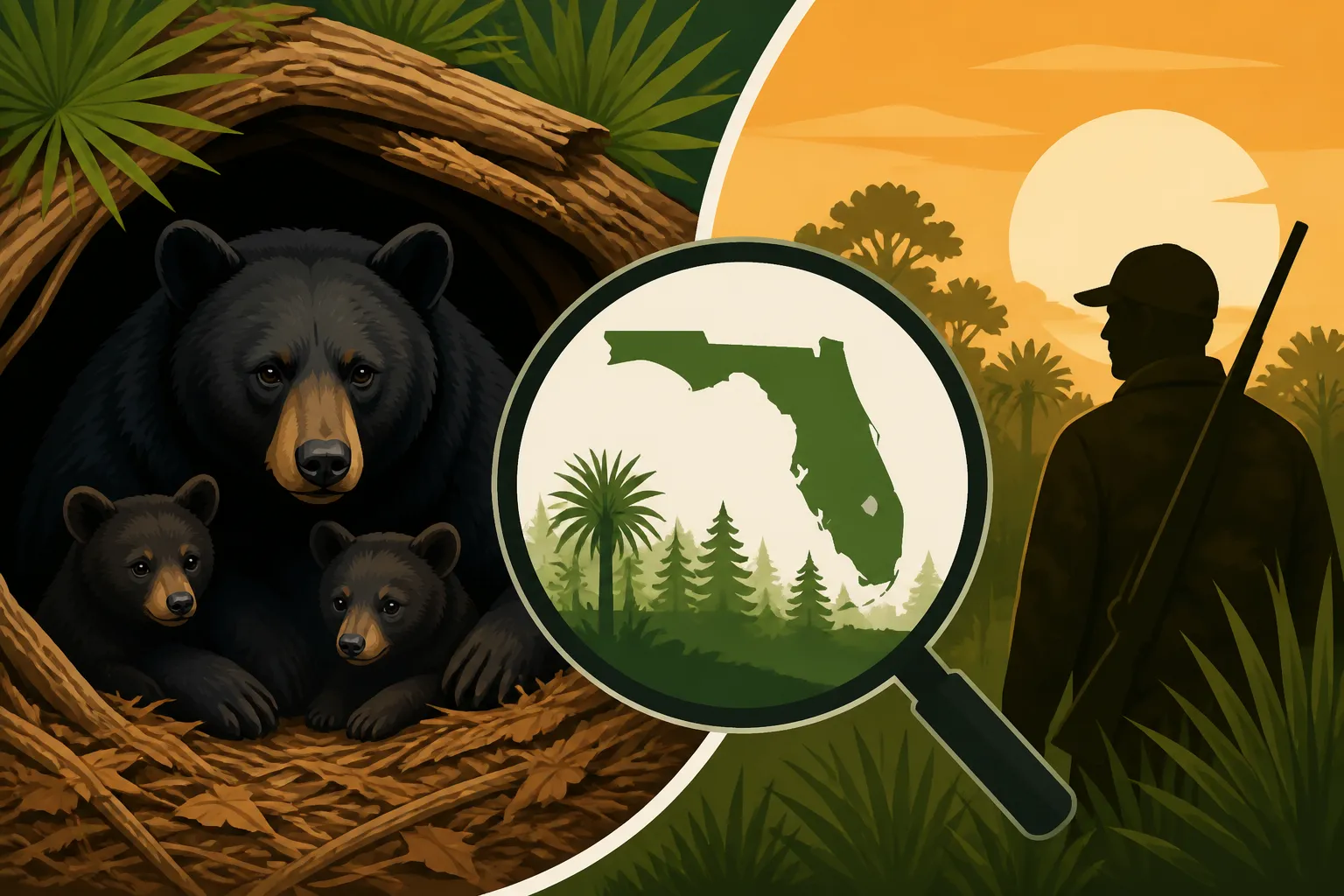
Understanding a wildlife population means looking beyond just sightings; it requires digging into the most intimate parts of their life cycle. For black bears in Florida, the denning period, when sows give birth and raise their newborn cubs, is arguably the most critical phase for the population's future. Bear den studies are the cornerstone of this understanding, offering a rare glimpse into the health and reproductive success of the Florida black bear, which is crucial for informed conservation and management decisions.
Unraveling the Mystery of Bear Reproduction
Imagine trying to count newborn bears in the wild. It’s an impossible task without dedicated research. This is precisely why bear den studies are so vital. Wildlife biologists undertake the challenging work of locating bear dens, often in incredibly dense and remote areas of Florida, to gather direct data on cub production and initial survival. Researchers are typically looking for several key pieces of information: the number of cubs born in a litter, their individual weights and health status, and their sex ratios. This snapshot provides invaluable baseline data that can be extrapolated across different subpopulations, giving us a clearer picture of the statewide reproductive output.
The goal isn't just about counting; it's about understanding the factors that influence these counts. Are litter sizes decreasing in certain areas? Are cubs surviving their first few weeks at a lower rate than in others? These questions drive the research. For hunters using modern tools like GoHunt, understanding these natural patterns can inform scouting efforts for other game, as healthy bear populations often indicate a robust ecosystem with ample food and cover, which benefits deer and hogs too. The insights gleaned from these hidden nurseries illuminate the very foundation of the bear population, telling scientists whether it's growing, stable, or facing challenges.
Methods and Challenges in the Field
Locating a bear den in Florida is far from an easy stroll through the woods. It's a testament to the dedication of wildlife biologists and their field teams. The primary method often involves tracking female bears that have been fitted with GPS or VHF radio collars. Researchers monitor these collared sows closely as the denning season approaches, looking for prolonged periods of inactivity in a specific location, which indicates she might have chosen a den site. Once a potential den is identified, a team must carefully approach it. This is a delicate operation, requiring specialized knowledge and safety protocols, as a mother bear can be extremely protective of her cubs.
The dens themselves are often hidden deep within palmetto thickets, beneath root balls of fallen trees, inside hollow logs, or simply as shallow ground depressions in dense scrub. Florida's varied terrain, from the vast stretches of the Ocala National Forest to the sprawling wetlands of the Big Cypress, presents unique challenges. Accessing these sites can involve slogging through swamps, navigating thick undergrowth, or even using specialized vehicles. Once at the den, researchers gently tranquilize the sow (if she's present) to safely process the cubs and the mother. The cubs are weighed, measured, sexed, and often given a small ear tag for future identification, all while minimizing disturbance before they are returned to the den with their waking mother. This painstaking process, often carried out in cold, wet winter months, provides the critical direct observations needed to assess the health of Black Bears in Florida.
Key Findings and Insights from Den Research
Florida's black bear population has seen a remarkable recovery over the past few decades, a testament to conservation efforts. The bear den studies have played a pivotal role in tracking this recovery and providing the data necessary to understand the dynamics of bear growth and survival across the state. These studies offer insights into everything from litter size to the preferred denning habitats.
Cub Survival and Litter Sizes
One of the most significant findings from Florida's bear den studies revolves around cub survival and litter sizes. Generally, Florida black bears exhibit healthy reproductive rates, with sows typically giving birth to litters of two to three cubs. While a single cub or even four cubs can occur, the average hovers in that two-to-three range. This is often seen as a robust indicator of a healthy population, especially when compared to bear populations in other parts of North America that might face harsher winters or more intense resource competition.
The survival rate of these cubs from birth through their first few weeks in the den is also a key metric. Researchers assess the health and vitality of the cubs, noting any potential issues. Factors influencing cub survival often include the mother's age, her overall health, and the availability of food resources in the preceding months. A sow that entered denning in prime condition, with sufficient fat reserves, is more likely to have a successful birth and lactate effectively to support her litter. Conversely, a poor mast crop year, for instance, could lead to less robust sows and, potentially, smaller or less healthy litters. The consistent monitoring through den studies allows biologists to identify these trends and correlate them with environmental factors, contributing to a more accurate Florida Bear Population Estimate.
Maternal Health and Denning Habits
The physical condition of the mother bear, or sow, during the denning period is a direct reflection of the health of the broader ecosystem she inhabits. Studies confirm that sows in good condition produce larger, healthier litters and are better equipped to care for them. Researchers often measure the sow's weight, body condition, and even collect samples for health analysis during den visits. This data helps track long-term trends in bear health and identify potential stressors like disease or nutritional deficiencies.
Florida bears display a fascinating adaptability in their choice of den structures, a behavior heavily influenced by the state's unique subtropical environment. Unlike their northern counterparts who often dig deep into earth, Florida sows frequently utilize surface dens. These include thick palmetto or saw palmetto patches, dense thickets of brush, hollow portions of large fallen logs, or the base of large trees, especially live oaks or cypress. These natural shelters provide concealment and protection from predators, as well as insulation from Florida's mild but sometimes chilly winters and the occasional heavy rain. The choice of den site can vary greatly depending on the specific Florida Bear Population by Subpopulation Zone, with bears in the Ocala region sometimes using slightly different den types than those in the Big Cypress.
Population Growth Indicators
The cumulative data from bear den studies across various regions serve as powerful indicators of the overall growth and stability of Florida's black bear population. By consistently tracking litter sizes, cub survival, and the number of denning sows, biologists can estimate recruitment rates – the number of new bears successfully entering the population each year. A consistent pattern of healthy litter sizes and high cub survival points to a thriving, reproducing population.
These findings directly inform population models, helping the state's wildlife agencies understand the trajectory of bear numbers. For example, if den studies show an increase in cub production over several years, it contributes to the understanding that the population is expanding, potentially leading to adjustments in management strategies. Aggregating and visualizing this kind of ecological data is something platforms like GoHunt excel at, providing a clearer picture of wildlife patterns for those interested in the broader ecosystem. This long-term data collection is essential for making informed decisions regarding population management, particularly concerning events like Florida's Reinstated Bear Hunting Season.
The Impact of Den Study Findings on Bear Management
The meticulous work conducted during bear den studies isn't just for academic curiosity; it forms the scientific bedrock for Florida's bear management policies. Every piece of data, from the number of cubs to the health of the sow, contributes to a holistic understanding that guides conservation efforts and helps mitigate human-bear conflicts. Without this kind of direct insight, management would be based on speculation rather than sound ecological principles.
Informing Conservation Strategies
The insights gleaned from bear den studies are fundamental to shaping effective bear conservation strategies. By understanding where sows den, what types of habitat they prefer, and what contributes to successful cub rearing, wildlife managers can prioritize critical habitats for protection and restoration. For instance, if studies reveal that certain dense palmetto stands are consistently used for denning, those areas might receive special consideration in land management plans, whether they are on public lands like the Apalachicola National Forest or private tracts. This helps ensure that the future generations of bears have safe places to be born and raised.
Furthermore, den study data helps assess the impact of habitat fragmentation or loss. If denning success declines in areas undergoing rapid development, it signals a need for enhanced wildlife corridors or stricter protections for remaining bear habitat. This granular understanding, much like the detailed mapping and data layers available through GoHunt, allows for more precise and effective strategies. It helps state agencies make crucial decisions about land acquisition, zoning, and public education to ensure the long-term viability of the Florida black bear.
Understanding Human-Bear Interactions
Another crucial aspect informed by den studies is understanding and managing human-bear interactions. Bear cubs typically remain in the den with their mother for about two to three months before emerging in late winter or early spring. Knowing the timing of this emergence is vital, as it often correlates with an increase in bear activity outside of secluded areas. Hungry sows emerging with new cubs might be more prone to seek out easily accessible food sources, potentially leading to increased encounters with people, especially if natural foods are scarce or if attractants like garbage or pet food are left unsecured.
The data on cub survival also has future implications for managing these interactions. A consistently high cub survival rate means more bears will reach adulthood in the coming years, potentially leading to a larger overall population and, without proper preventative measures, more frequent human-bear encounters. This information helps drive public awareness campaigns about securing attractants and understanding bear behavior, aiming to minimize conflicts and promote coexistence. It underscores the importance of public education, especially in areas bordering Florida's Thirty-One Bear Hunting Counties.
Data-Driven Policy Making
Ultimately, the rigorous scientific data derived from bear den studies translates directly into policy and management decisions. When the state decides on topics such as bear population objectives, habitat management plans, or even the criteria for Florida Bear Permit Application Process, these decisions are backed by years of accumulated den study findings. For example, the decision to pause bear hunting for a decade, and subsequently to reinstate it, was heavily influenced by the population growth trends revealed through research, including denning success rates.
| Denning Characteristic | Typical Location | Average Litter Size | Cub Survival Rate (Est.) | Typical Denning Period (Weeks) |
|---|---|---|---|---|
| Florida Black Bear | Palmetto thickets, hollow logs, ground dens, dense brush | 2-3 cubs | High | 10-12 weeks |
This table illustrates the general parameters observed. Such insights, often compiled into accessible formats, can even be found on advanced mapping applications like GoHunt, helping hunters and outdoor enthusiasts alike visualize where healthy bear populations exist and understand the science behind their management. It's this commitment to science-based decision-making, rather than emotional responses or anecdotal evidence, that allows Florida to responsibly manage its iconic black bear population, ensuring their presence for generations to come, while also understanding Why Florida Paused Bear Hunting for a Decade.
Disclaimer
This article is for general informational purposes only and does not constitute professional advice. Laws, prices and regulations vary by location and change over time. Consult a qualified professional for guidance on your specific situation.