Florida Alligator Population Estimate
It's no secret that Florida is synonymous with alligators. You see them on postcards, in nature documentaries, and sometimes, much closer than you’d like, right in your local canal or golf course pond. But the sheer number of these ancient reptiles can feel overwhelming to contemplate, and it’s natural to wonder just how many gators are actually out there. This guide dives deep into Florida's remarkable alligator population, exploring their incredible comeback, how we estimate their numbers, and what it means for hunting and coexistence.
The Alligator's Incredible Comeback Story
When we talk about Florida's alligator population today, it's easy to forget that not too long ago, these magnificent creatures were on the brink. Their story is a powerful testament to successful conservation efforts, transforming them from a threatened species to one of Florida's most iconic and abundant residents.
From Endangered to Abundant: A Conservation Success Story
I remember hearing stories from my granddad about alligator hunting being completely unrestricted in the early to mid-20th century. People took them for their hides and meat with little to no regulation, and their numbers plummeted dramatically. It’s hard to imagine now, but by the mid-1960s, the American alligator was so severely depleted that it was placed on the federal endangered species list. This wasn't just a Florida problem; it was a nationwide concern for alligator populations. It was a dire situation, and many feared we might lose them entirely.
The listing was a game-changer. It brought a whole host of protections, making it illegal to hunt or harass alligators. The shift was dramatic, going from open season to complete closure, and it allowed the remaining populations to stabilize and slowly begin to recover. It was a long road, but with dedicated conservationists, scientists, and state agencies like the Florida Fish and Wildlife Conservation Commission (FWC) at the helm, the tide began to turn. This period of protection, combined with habitat preservation, laid the groundwork for one of the most remarkable wildlife recoveries in North American history.
How Science Brought Them Back: Early Management Efforts
The recovery wasn't accidental; it was a carefully planned and executed strategy rooted in scientific management. When the alligator was listed, biologists immediately began studying their habits, reproductive rates, and habitat needs. They started monitoring remaining populations, trying to understand what factors were contributing to their decline and, more importantly, what could help them rebound. This involved extensive field surveys, nesting studies, and behavioral observations, all designed to build a comprehensive picture of alligator ecology.
One of the most crucial early insights was understanding the importance of their habitat. Alligators thrive in Florida's diverse wetland ecosystems – marshes, swamps, rivers, and lakes. Protecting these areas from development and pollution became paramount. The FWC, working with federal partners, implemented strict regulations to safeguard critical alligator habitats. As the population slowly grew, the focus shifted from pure protection to sustainable management. This meant reintroducing a carefully regulated harvest program in the late 1980s, which many initially viewed with skepticism. However, this program, which allowed for a limited, controlled take, was designed not to deplete the population but to help manage it and address nuisance alligator issues, ultimately contributing to the long-term health and public acceptance of a thriving alligator population. It's a complex balance, but it's worked wonders.
Understanding Florida's Alligator Population: The Numbers Game
So, how many alligators are we actually talking about? It’s a question every Floridian and visitor has likely pondered while enjoying a lakeside stroll or paddling a canoe. While getting an exact, real-time count of every single gator is impossible, wildlife biologists have developed robust methods to provide remarkably accurate estimates.
What the Latest Estimates Tell Us: Current Population Figures
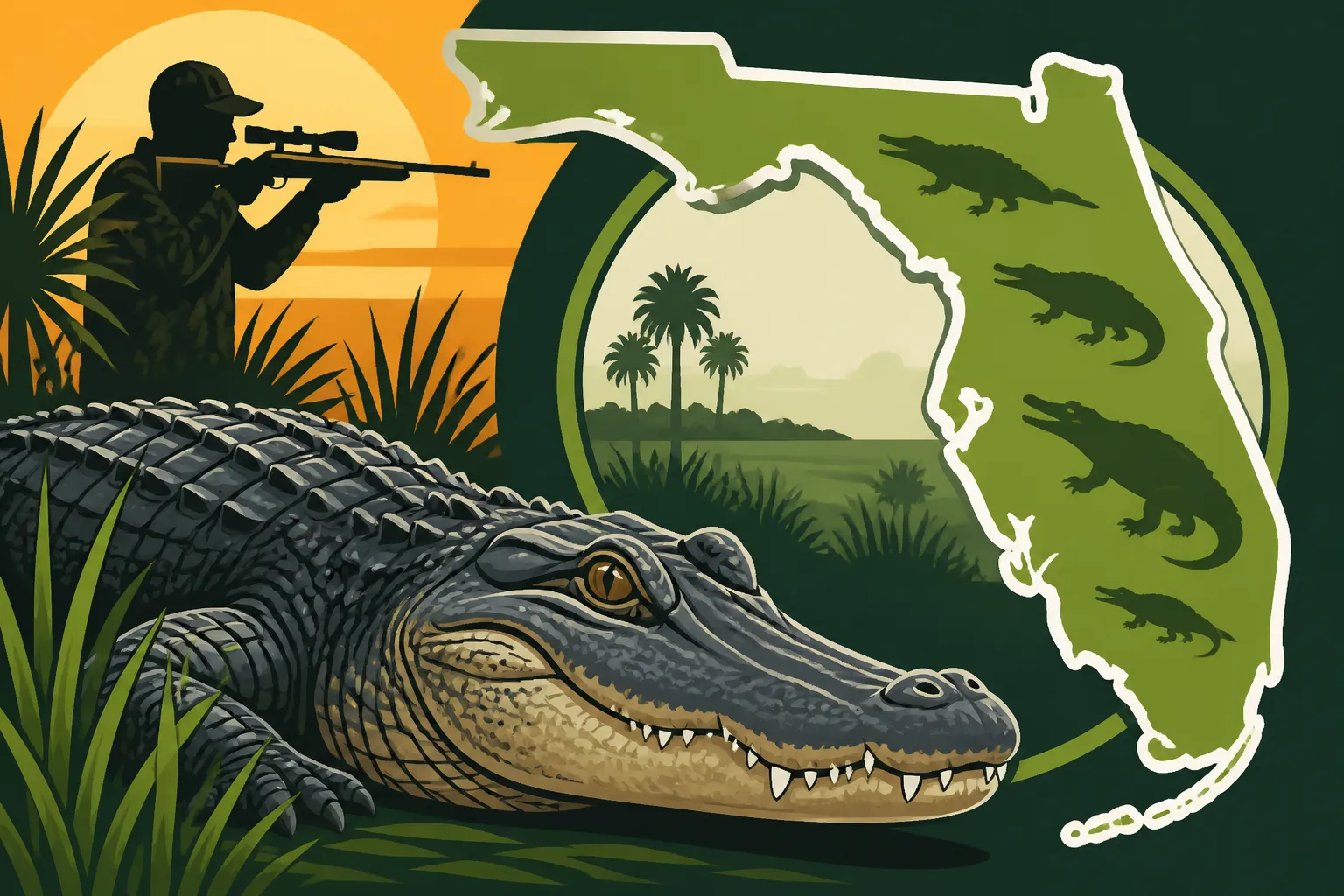
Let's cut right to it: the current estimate for Florida's American alligator population is somewhere around 1.3 million alligators. Yes, you read that right – over a million. This number firmly establishes Florida as the state with the highest alligator population in the country, a true gator stronghold. It's a figure that consistently surprises people, yet it makes perfect sense when you consider the vast expanse of wetlands, lakes, and rivers that crisscross our state.
This isn't just a static number; it's a dynamic, healthy population that supports both a thriving ecosystem and a highly regulated hunting season. The fact that we can sustain such a large population while also allowing for a harvest speaks volumes about the success of Florida's conservation and management programs. It's a far cry from the nearly extinct status they held just a few decades ago. These numbers are regularly reviewed and updated by FWC biologists, ensuring that management strategies are always based on the most current data available. You can even use resources like GoHunt to scout potential areas where these densities might be higher, based on habitat characteristics.
The Art and Science of Counting Gators: Survey Methods
You can't exactly send out a census form to a million alligators, right? So, how do wildlife agencies arrive at these impressive figures? It's a fascinating blend of scientific rigor and practical field work. The primary method used by the FWC is called "spotlight night count surveys." This involves biologists going out after dark, usually in airboats or small vessels, and shining bright spotlights across the water. Alligator eyes reflect light with an eerie, reddish glow, making them visible even from a distance.
These surveys are conducted along established routes in various water bodies across the state, from the sprawling Everglades to smaller lakes and rivers. By consistently surveying the same routes over time, biologists can track population trends. They don't just count; they also record the size class of the alligators observed (hatchlings, juveniles, subadults, adults). This data, combined with knowledge of alligator behavior, habitat use, and reproductive rates, allows them to extrapolate from the surveyed areas to estimate the total population across larger regions. It's a sophisticated statistical model, constantly refined, that gives us that 1.3 million figure. This careful data collection is crucial for understanding Florida Alligator Population Estimate and ensuring the health of the species.
Why Exact Numbers Are So Tricky: Challenges in Estimation
Despite the sophisticated methods, getting an exact number for Florida’s alligator population is practically impossible. There are several inherent challenges that make it more of an art than a precise science. First, alligators are masters of camouflage and spend a significant amount of time submerged or hidden in dense vegetation. You're simply not going to see every single one during a survey. Their nocturnal habits, while exploited by spotlight surveys, still mean that day counts are less effective, and even at night, some individuals remain hidden.
Second, alligator movement can complicate things. They’re not static creatures; they move between water bodies, especially during dry seasons or for breeding. A gator counted in one lake might move to an adjacent canal before the next survey, potentially leading to double-counting or missed counts depending on the timing. Then there's the sheer size of their habitat. Florida's wetlands are vast and often inaccessible, making comprehensive surveys incredibly difficult. The FWC has to rely on sampling, and while statistical modeling is robust, it still comes with a margin of error. However, these estimates are consistently reliable enough to inform critical management decisions, like determining the number of available tags for the statewide alligator permit lottery.
The Role of Habitat in Alligator Abundance
Florida’s incredible biodiversity, particularly its wetlands, is the backbone of the alligator's success story. These unique environments provide everything an alligator needs to thrive: food, shelter, and breeding grounds. Understanding these habitats is key to appreciating why Florida holds so many of these ancient reptiles.
Prime Real Estate for Gators: Where They Thrive
Think about Florida’s landscape, and you probably conjure images of palm trees and beaches. But beyond the coastlines, lies an expansive network of freshwater systems – the lifeblood for alligators. From the vast, sprawling sawgrass marshes of the Everglades to the intricate cypress swamps of the Green Swamp Wilderness Preserve, and the countless lakes, ponds, rivers, and canals that crisscross the state, Florida is essentially one giant, interconnected alligator haven.
These habitats provide several critical elements for alligator survival. The abundant aquatic vegetation offers excellent cover for ambush predators and safe havens for hatchlings. The warm, humid climate allows for year-round activity and a long nesting season, contributing to higher reproductive success. And, of course, these waters are teeming with prey – fish, turtles, snakes, small mammals, and birds – ensuring a constant food supply for gators of all sizes. The diverse and plentiful nature of these environments is why Florida’s alligator population estimate remains so robust. Places like the St. Johns River system and Lake Okeechobee are particularly known for their dense alligator populations, offering ideal conditions for these apex predators.
Development and Displacement: Human Impact on Habitat
While Florida's natural landscape is a gator paradise, human development poses an ongoing challenge. As more people move to the Sunshine State, urban sprawl inevitably encroaches upon natural wetlands. Housing developments, roads, and agricultural expansion all contribute to habitat loss and fragmentation. When a marsh is drained for construction, or a river is channelized, prime alligator territory is altered or destroyed.
This displacement often brings alligators into closer contact with humans, leading to increased nuisance alligator calls and potential conflicts. It’s a classic man-versus-wild scenario that plays out daily across the state. While the FWC has regulations to protect critical wetlands, the cumulative effect of smaller development projects can still have a significant impact on local alligator populations and their movement patterns. It's a constant balancing act between accommodating a growing human population and preserving the natural ecosystems that allow species like the alligator to flourish. Recognizing the importance of these habitats is crucial, especially when discussing Florida Alligator Nesting Season Timing, as undisturbed areas are vital for successful breeding.
Alligator Management and Its Impact on Population
Florida's alligator population is a testament to successful wildlife management, transitioning from endangered status to a thriving, huntable resource. This wasn't by accident; it's the result of carefully crafted programs designed to maintain a healthy balance between alligators and people.
The Statewide Alligator Harvest Program: A Tool for Balance
The FWC’s Statewide Alligator Harvest Program is a cornerstone of this success. It’s a highly regulated, quota-based system that allows for a limited, controlled harvest each year. The general public can apply for permits through the annual Florida's Statewide Alligator Permit Lottery, and if drawn, they receive specific harvest areas and CITES tags to legally take alligators. This isn’t a free-for-all; it’s a scientific management tool. Each harvest quota is determined annually by FWC biologists, based on population estimates, habitat health, and nuisance alligator data from each specific management unit.
The season typically runs from August 15th to November 1st, providing ample opportunity for permit holders. The beauty of this program is its dual purpose: it manages alligator numbers to minimize human-alligator conflicts in areas where populations are dense, and it also provides economic benefits through hunting opportunities and the sale of alligator meat and hides. Furthermore, the fees from permits and tags directly fund alligator research and conservation efforts, creating a self-sustaining management model. For those new to the process, resources like GoHunt can be invaluable for understanding application deadlines and drawing odds.
How Harvest Contributes to Healthy Populations
It might seem counterintuitive to harvest animals to help their population, but in the case of alligators, it’s a proven strategy. A controlled harvest helps maintain a healthy age and sex structure within the alligator population. Without natural predators (aside from other large alligators, especially on hatchlings), alligator populations can sometimes become overpopulated in certain areas, leading to increased competition for food and habitat. This can result in smaller, less healthy animals and even increased instances of cannibalism.
By removing a limited number of alligators, particularly larger, dominant males, the harvest program can reduce pressure on resources and allow smaller alligators to grow. It also encourages dispersal into new areas, maintaining genetic diversity. Moreover, the regulated harvest allows the FWC to gather valuable data on alligator health, growth rates, and reproductive success through mandatory reporting. Every harvested alligator must be reported, providing biologists with crucial insights that inform future management decisions. This ensures the long-term sustainability of the species and demonstrates how Florida's alligator population recovered.
Regional Differences in Alligator Density
While Florida boasts a statewide population of over a million alligators, their distribution isn't uniform. Certain regions are gator hotbeds, teeming with these reptiles, while others have fewer, dictated by habitat, human presence, and food availability.
Hot Spots and Hidden Gems: High-Density Areas
When you picture an alligator-rich environment in Florida, your mind probably goes straight to the Everglades. And you wouldn't be wrong! The vast, interconnected wetland system of the Everglades and Big Cypress National Preserve is arguably the highest density alligator habitat in the state. The sheer expanse of shallow, warm water, dense sawgrass, and cypress domes creates an ideal environment for alligators to thrive, with an abundant food supply of fish, birds, and other reptiles. If you ever find yourself in South Florida, a guided airboat tour in the Everglades will undoubtedly show you more gators than you can count.
Other notable hot spots include large freshwater lakes like Lake Okeechobee, the St. Johns River Basin, and numerous smaller lakes and river systems throughout Central and North Florida. These areas feature extensive marshy edges, slow-moving water, and plenty of aquatic prey, making them prime alligator habitat. Even smaller, seemingly innocuous retention ponds in suburban areas can harbor surprisingly large alligators, especially if they are connected to larger water systems. Understanding these regional differences is vital, whether you're just observing or considering Alligator Hunting Florida's Lakes and Rivers.
Factors Influencing Localized Populations
Several factors contribute to the varying alligator densities across Florida. The most significant, as we've discussed, is habitat quality and availability. Regions with extensive, undisturbed wetlands will naturally support more alligators than highly developed urban areas. Water levels also play a crucial role. During prolonged droughts, alligators concentrate in remaining water bodies, sometimes leading to higher visible densities and increased interactions with humans. Conversely, abundant rainfall and high water levels can spread them out, making them seem less numerous.
Food availability is another key factor. Areas with a rich supply of fish, amphibians, and other small prey will sustain a healthier and more numerous alligator population. Human activity also influences local densities. While alligators are remarkably adaptable, heavy boat traffic, constant human presence, and illegal feeding can impact their behavior and distribution. Areas with higher nuisance alligator removal rates might temporarily see a dip in visible numbers, though the overall population quickly fills those vacancies. This is why when you're Scouting Florida Public Land Before Season, you should pay close attention to water features and surrounding cover.
| Region | Typical Alligator Density | Notable Features | Human Interaction Level |
|---|---|---|---|
| South Florida | Very High | Everglades, Big Cypress, Lake Okeechobee | Moderate to High |
| Central Florida | High | St. Johns River, Kissimmee Chain, smaller lakes | High |
| North Florida | Moderate to High | Apalachicola River, Okefenokee Swamp (bordering) | Moderate |
| Coastal Urban Ponds | Variable, can be High | Retention ponds, canals near developed areas | Very High |
Coexisting with Florida's Apex Predator
Living in Florida means sharing the landscape with its native wildlife, and that prominently includes alligators. Understanding how to coexist safely with these magnificent reptiles is an essential part of the Florida experience.
Safety First: Living Alongside Alligators
With over a million alligators sharing our state, encounters are inevitable. The good news is that serious alligator attacks are rare, but they do happen, and almost all can be attributed to human error or carelessness. The FWC has some very clear and important guidelines for alligator safety that every Floridian and visitor should internalize.
Firstly, never feed alligators. This is illegal and incredibly dangerous. When alligators associate humans with food, they lose their natural fear and become more aggressive, often leading to their removal and euthanasia. Secondly, keep your distance. If you see an alligator, admire it from afar. A safe distance is at least 30 feet, but more is always better. Don't let pets swim or drink in waters where alligators might be present, especially at dawn, dusk, or night when gators are most active. And speaking of pets, don't walk your dog near the water's edge. A dog's size and behavior can unfortunately resemble natural prey to an alligator. Finally, only swim in designated swimming areas during daylight hours. Never swim alone in natural waters, especially not after dark. Knowing these simple rules can drastically reduce your risk and ensure that both you and the alligators remain safe. These precautions are even more vital considering Florida Alligator Attack Statistics.
The Future of Florida's Alligator Population
The future of Florida's alligator population looks incredibly bright, thanks to decades of diligent conservation and management. From the brink of extinction to over 1.3 million strong, the American alligator stands as one of the great success stories in wildlife recovery. The FWC continues to monitor their numbers, assess habitat health, and adapt management strategies, including the regulated harvest, to ensure their long-term sustainability. The challenge moving forward will continue to be balancing human population growth and development with the preservation of critical alligator habitat.
Education plays a massive role here. By understanding alligator behavior, respecting their space, and adhering to safety guidelines, residents and visitors can continue to coexist peacefully with these ancient predators. The alligator is not just a symbol of Florida; it's an integral part of our ecosystem, playing a vital role in the health of our wetlands. With continued vigilance and responsible stewardship, we can ensure that future generations will also marvel at the sight of a wild alligator basking in the Florida sun. For those interested in participating in the regulated harvest, knowing Judging a Legal-Size Florida Alligator is crucial, and it’s a good idea to research outfitters that can guide you, like those specializing in Booking a Guided Florida Alligator Hunt, to ensure a responsible and ethical experience.
Disclaimer
Please remember that hunting regulations and wildlife management practices can change. Always consult the latest Florida Fish and Wildlife Conservation Commission (FWC) regulations before planning any hunting or outdoor activities. The information provided here is for general guidance and educational purposes only.