Why Panhandle Deer Grow Bigger Than South Florida Deer
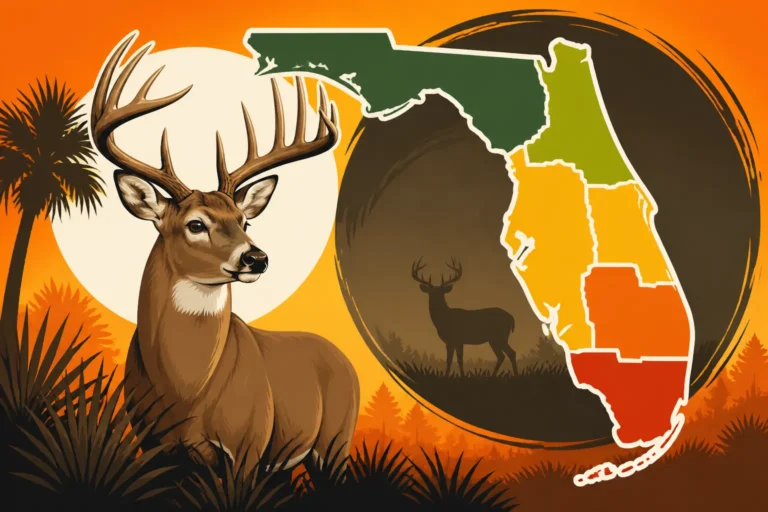
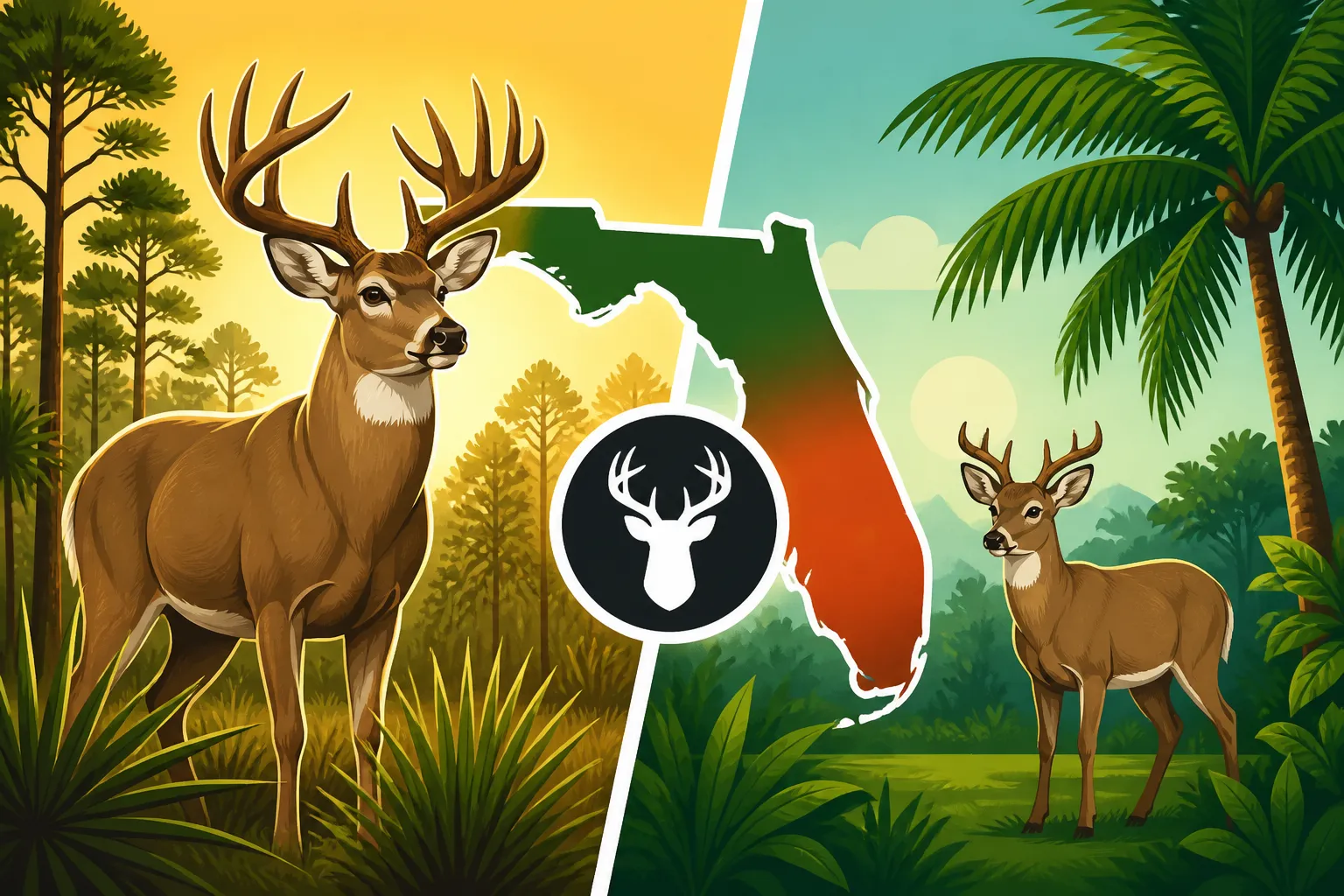
It's a question I hear all the time from folks new to Florida hunting, or even seasoned hunters who've only ever focused on one part of our diverse state: "Why do the deer up in the Panhandle seem so much bigger than the ones down south?" It's a valid observation, and one that often leads to frustration if you're expecting a massive typical 10-point in the Everglades. The truth is, there are some fundamental differences at play, from the soil to the supper plate of a whitetail, and understanding them can completely change your approach to hunting these unique animals. This guide will dive deep into the environmental, nutritional, and genetic factors that contribute to the noticeable size difference in Florida's whitetail deer, helping you appreciate the distinct challenges and rewards each region offers.
The Lay of the Land: Environmental Differences
When you travel from the Florida Panhandle down to the southern tip of the peninsula, you're not just changing counties; you're essentially transitioning through several distinct ecological zones. These subtle yet significant shifts in environment play a colossal role in dictating the overall health, body mass, and antler development of the resident whitetail deer herds. It’s not just about one or two factors, but a complex interplay that creates fundamentally different conditions for deer to thrive, or simply survive.
Soil and Rainfall's Impact on Forage
One of the most critical, yet often overlooked, factors is the soil itself. The Panhandle, particularly the western and central parts, generally boasts richer, more fertile soils compared to much of South Florida. These northern soils tend to be deeper, with more organic matter, and are often better at retaining moisture and nutrients. This translates directly into the quality and quantity of forage available to deer. Imagine a garden planted in rich topsoil versus one in sandy, nutrient-poor ground; the difference in plant growth is stark.
In areas like the Apalachicola National Forest, you'll find a greater abundance of diverse plant life that’s packed with the essential minerals deer need for optimal growth. These nutrients are absorbed by the plants, and then passed on to the deer when they browse. Adequate rainfall, which is generally consistent across most of Florida, still plays a role, but it's the soil's ability to hold onto that moisture and make its nutrients bioavailable that truly matters. When a deer consistently consumes high-quality forage throughout its life, it naturally develops a larger body frame and, consequently, has the potential for larger antlers. This isn't just about survival; it's about reaching their genetic potential, something easier to achieve in the richer soils up north.
Climate and Growing Seasons
While all of Florida is considered a warm-weather state, there's a significant climatic gradient from north to south. The Panhandle experiences more distinct seasons, including cooler winters with occasional frosts that trigger leaf senescence and a more pronounced period of dormancy for many plant species. This might sound counterintuitive for deer growth, but it actually benefits the ecosystem by promoting a flush of new, highly nutritious growth in the spring. This new growth is typically very palatable and digestible, providing a critical boost of protein and minerals just when bucks are starting to grow their antlers and does are nursing fawns.
South Florida, with its subtropical to tropical climate, has a less defined winter. While this means plants grow year-round, the forage quality can be consistently lower due to the rapid growth of fibrous, less nutritious vegetation. Think of it like a continuous buffet, but sometimes the options are less appealing or less nutrient-dense. The constant heat and humidity can also contribute to higher metabolic rates in deer, requiring more energy just to maintain body temperature, leaving less for growth. Additionally, the dominant vegetation in many parts of South Florida, like vast palmetto flatwoods, provides cover but often lacks the high-protein, easily digestible browse found in the northern hardwood forests.
A Deer's Dinner Plate: Nutritional Disparities
The old adage "you are what you eat" holds incredibly true for whitetail deer, perhaps more so than for many other species. The nutritional content of the available food sources is the single most important factor determining a deer's health, body size, and antler development. While deer are adaptable browsers, the specific diet available to them in the Panhandle versus South Florida presents a clear advantage for the northern deer.
Panhandle: Acorns and Richer Browse
Deer in the Florida Panhandle often benefit from a more traditional whitetail diet, heavily influenced by the presence of mature hardwood forests. These forests, especially those dominated by various oak species, provide an incredible bounty of acorns, a critical fall and winter food source. Acorns are high in carbohydrates and fats, giving deer a crucial energy boost as they head into the breeding season and prepare for cooler weather. This calorie-rich food allows bucks to put on significant weight, which is directly correlated with antler mass.
Beyond acorns, the Panhandle's forest understory typically offers a broader array of high-quality browse, including forbs and tender shoots that are more digestible and nutrient-dense. Think of areas near Florida Panhandle Pine Plantations or mixed hardwood hammocks. The combination of these rich food sources means that Panhandle deer often enjoy a more consistent and higher-quality diet throughout the year. For hunters looking to maximize their chances at a larger buck, understanding these food sources is paramount. Tools like GoHunt can be invaluable for pinpointing areas with good mast crops or diverse browse, allowing you to scout smarter and understand where the deer are finding their best meals.
South Florida: Palmetto and Subtropical Forage
Now, contrast that with much of South Florida. While there are certainly pockets of good habitat, vast expanses are dominated by palmetto, saw palmetto, and other tough, fibrous subtropical vegetation. While deer will certainly eat palmetto berries and browse the tender shoots, these plants are generally lower in protein and digestible energy compared to acorns and the diverse forbs found further north. It’s like eating roughage for every meal – it fills you up, but it doesn't always provide the concentrated nutrition needed for exceptional growth.
The sheer volume of palmetto can also make it harder for deer to find alternative, higher-quality food sources without expending significant energy. The challenge for a deer in South Florida isn't usually starvation, but rather consistently obtaining the specific micronutrients and protein levels required to grow a large body and impressive antlers. This is why you'll often hear discussions about Why South Florida Deer Run Smaller – it's a direct consequence of their everyday diet. Hunters in these regions need to be even more diligent in identifying food plots or natural openings where better forage might be available.
Genetic Blueprint and Herd Dynamics
While environment and nutrition are huge players, we can't ignore the role of genetics and how local hunting pressure and management strategies interact with those genes. Deer are, after all, living organisms with inherited traits, and how a herd is managed can greatly influence the size and quality of the bucks available.
Subspecies and Regional Genetics
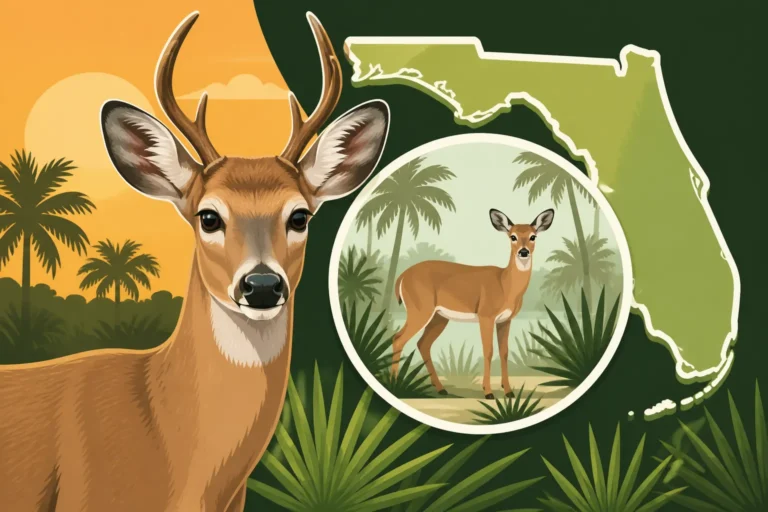
It's important to remember that Florida's whitetail deer are all the same species, Odocoileus virginianus. However, within this species, there can be regional variations or subspecies. While the scientific community sometimes debates the exact classifications, it's generally accepted that the deer in South Florida, particularly the Everglades and surrounding areas, are often smaller-bodied and have smaller antlers, even when nutritional conditions are good. This isn't solely due to their environment, but also to a long history of adapting to that unique, often nutrient-poor, subtropical landscape. Over generations, natural selection has favored smaller, more agile deer that can thrive on less robust forage and navigate dense, often wet, habitats.
Conversely, the deer in the Panhandle tend to share more genetic lineage with the larger-bodied whitetails found in states like Alabama and Georgia, where larger deer are the norm. This genetic predisposition for larger body size and antler growth is a significant head start that deer in the Panhandle possess. Even with identical nutrition, a genetically larger deer will likely grow bigger than a genetically smaller one. Understanding these subtle genetic differences helps explain why even in prime habitats, a South Florida buck might rarely reach the antler potential of its northern counterpart.
Hunting Pressure and Management Strategies
The way humans interact with deer herds through hunting regulations and land management also plays a crucial role. Florida's FWC implements different deer management zones, each with unique season dates and bag limits, which can subtly influence herd demographics and the age structure of bucks. For instance, in areas with intense hunting pressure, young bucks might be harvested before they have a chance to reach their full antler potential. In contrast, areas with more private land and less hunting pressure, or where landowners actively implement quality deer management (QDM) practices, can allow bucks to mature, leading to larger animals.
Many of the Best Florida Counties for Big Bucks in the Panhandle benefit from a mix of private land management and public land that, due to various factors like access or habitat, allows some bucks to reach older age classes. When a buck lives longer, it has more years to develop its body and antlers, regardless of its genetic potential. This is why paying attention to regional bag limits, buck-to-doe ratios (something you can glean from FWC reports on Florida Deer Population Estimate and Florida Buck-to-Doe Ratio by Zone), and overall hunting pressure is just as vital as understanding the natural environment. Scouting tools like GoHunt can help identify public land areas that might receive less pressure, giving older bucks a better chance to escape the early season rush. It's about finding that sweet spot where genetics, nutrition, and age all align.
Comparing Florida's Deer Regions
To summarize the key differences influencing deer size across Florida:
| Feature | Florida Panhandle (North) | South Florida (South) |
|---|---|---|
| Soil Quality | Generally richer, more fertile, higher organic matter | Predominantly sandy, lower organic matter, often acidic |
| Dominant Forage | Diverse hardwoods, acorns, nutritious forbs, pine browse | Palmetto, saw palmetto, tough subtropical grasses/shrubs |
| Nutrient Density | Higher protein and carbohydrates, critical minerals | Lower protein and carbohydrates, often less digestible |
| Climate Influence | More distinct seasons, cooler winters, spring flush growth | Subtropical/tropical, year-round growth of fibrous plants |
| Genetic Predisposition | Aligned with larger regional whitetails (GA/AL) | Adapted to subtropical conditions, often smaller stature |
| Antler Potential | Higher potential for larger, heavier antlers | Lower potential for large antlers, often smaller mass |
| Hunting Opportunity | Excellent opportunities for mature bucks | Challenging, smaller average buck size, focus on habitat |
This table illustrates the fundamental ecological divergences that lead to the observable differences in Florida's deer herds. While hunting any whitetail in Florida is a fantastic experience, managing expectations based on these regional realities can make your hunt more enjoyable and successful. Whether you're chasing the impressive racks of the Panhandle or the elusive, hardy bucks of the southern swamps, understanding why they are the way they are is the first step to becoming a more informed and respectful hunter. You can use platforms like GoHunt to research specific areas and understand the habitat differences before you even set foot in the woods, helping you plan your hunt more effectively.
Disclaimer
This article is for general informational purposes only and does not constitute professional advice. Laws, prices and regulations vary by location and change over time. Consult a qualified professional for guidance on your specific situation.