Florida Quail Habitat Restoration Efforts
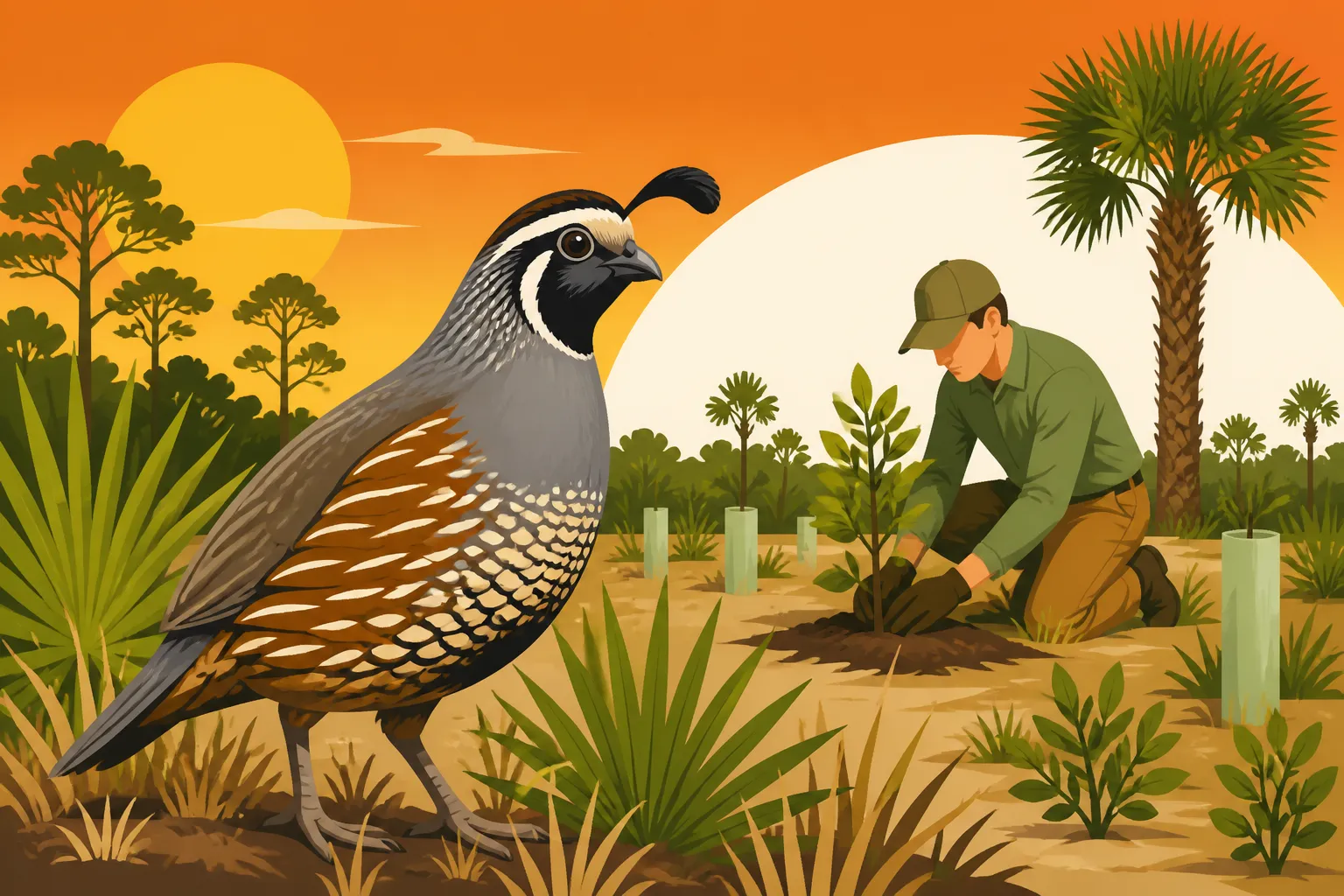
For many of us who grew up in Florida, the distinct call of a bobwhite quail was a familiar sound across our landscapes. But for decades now, that whistle has grown quieter, leaving a void for hunters and wildlife enthusiasts alike. The good news is, dedicated folks across the Sunshine State are pouring their energy into bringing these iconic birds back. This guide will dive deep into the crucial efforts being made to restore Florida's quail habitat and how these initiatives are making a tangible difference.
Understanding the Decline of Florida's Bobwhite Quail
It's heartbreaking to witness the decline of a native species, and the bobwhite quail in Florida is a prime example. What was once an abundant game bird, a staple of our rural heritage and a delight to hear, now requires significant, proactive intervention to thrive. Understanding why they declined is the first step toward effective restoration.
Historical Abundance and Modern Challenges
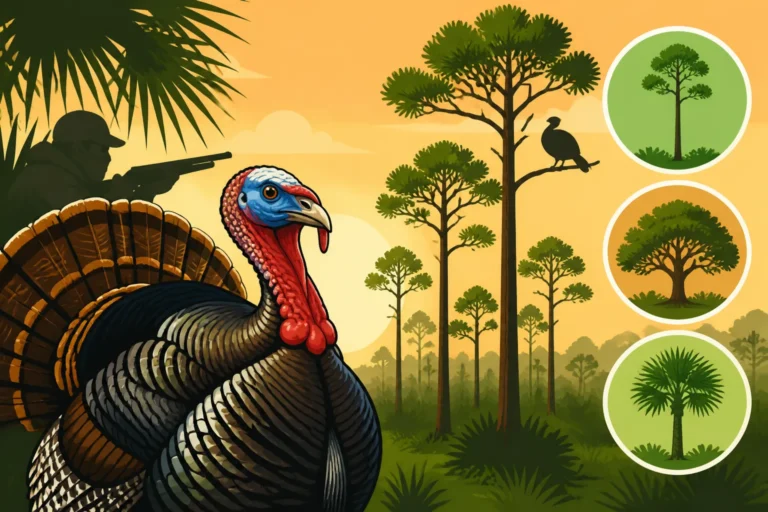
Back in the day, much of Florida's landscape, particularly the pine flatwoods, sandhills, and open agricultural fields, was naturally perfect for bobwhites. Frequent lightning-strike fires kept the understory open, creating a mosaic of grasses, forbs, and scattered pines. This diverse habitat offered everything a quail needed: nesting cover, food-producing plants, and open ground for foraging and dust bathing. The patchwork of small farms, often rotating crops, also contributed to this ideal environment.
But times have changed dramatically. Massive shifts in land use are the primary culprits. Large-scale agriculture, while necessary, often involves vast monocultures and intensive practices that leave little room for diverse quail habitat. Fields are tilled clean, fencerows are removed, and pesticides reduce the insect populations that young quail depend on. Urban and suburban sprawl eats up immense tracts of land, replacing natural ecosystems with concrete and manicured lawns. On public and private lands, the suppression of natural fire cycles for decades led to dense, choked understories where quail simply couldn't survive. Predator populations, sometimes subsidized by human development, also contribute to the pressure. It's a complex web of factors that has made survival incredibly difficult for these resilient little birds.
The Importance of Prime Quail Habitat
So, what exactly is prime quail habitat? It’s far more than just "some trees" or "a grassy field." For bobwhites, it's a specific recipe of diverse vegetation structure, food sources, and protective cover, all within a relatively small area. They are birds of the edge, needing open areas for foraging right alongside dense, protective cover.
Imagine a quail's day: they need thick, waist-high native grasses for nesting and roosting at night, providing camouflage from aerial predators. During the day, they need open, bare ground under scattered pines or oaks to move freely and peck for seeds and insects. Crucially, they need a constant supply of seeds from native forbs (wildflowers and broadleaf plants) and insects, especially for chicks, which rely almost exclusively on bugs for the first few weeks of their lives. Interspersed thickets of shrubs, briars, or palmetto provide crucial escape cover from hawks or coyotes. Think of it as a series of connected "rooms"—the nesting room, the dining room, the escape room—all easily accessible. When any one of these elements is missing or too far apart, the quail struggle to survive and reproduce. This is why initiatives focused on Florida Quail Habitat Restoration Efforts are so vital.
Key Strategies for Quail Habitat Restoration in Florida
Restoring quail habitat isn't a quick fix; it's a long-term commitment that often involves reversing decades of ecological changes. However, there are proven strategies that, when implemented consistently, can bring those bobwhites back.
Prescribed Fire and Timber Management
Perhaps no single tool is as important to Florida's ecosystems, and by extension, its quail, as prescribed fire. Florida is a fire-adapted state, and many of our native plant communities require fire to stay healthy and productive.
For quail, controlled burns are absolutely essential. They clear out dense, woody undergrowth that chokes out beneficial native grasses and forbs, creating the open, bare ground quail need for foraging and movement. Fire also stimulates the growth of new, tender shoots and seeds, providing a fresh burst of food sources. Without fire, pine forests become dark and overgrown, and palmetto flats become impenetrable fortresses where quail can't move, let alone find food. The trick is understanding the right frequency and intensity for burns – it's not a "set it and forget it" kind of thing. Different habitat types and management goals call for varying fire regimes.
Hand-in-hand with prescribed fire is responsible timber management, especially in pine forests. Dense pine plantations, while commercially valuable, can create a uniform, shaded environment that's poor for quail. Techniques like thinning pines allow more sunlight to reach the forest floor, promoting the growth of native grasses and forbs. This creates a more diverse understory, providing both food and cover. Selective logging can also create open patches and edges that quail utilize. It’s about managing the forest not just for timber, but as a holistic ecosystem where wildlife can thrive.
Native Grassland and Forb Restoration
Beyond fire, actively restoring native plant communities is a cornerstone of quail recovery. This often means converting areas back from non-native pastures or monoculture fields to diverse, native grasslands and areas rich in forbs.
The process usually begins with site preparation, which might involve herbicide application, disking, or a combination, to remove undesirable invasive plants. Then comes the careful selection and planting of native seed mixes. We're talking about grasses like wiregrass, indiangrass, and bluestem, alongside a variety of native wildflowers and broadleaf plants that produce seeds and attract insects. These plants are adapted to Florida's soils and climate, require less water and fertilizer once established, and provide superior food and cover for quail compared to non-native alternatives. The goal is a diverse plant community that offers year-round sustenance and protection. This kind of active restoration requires a good understanding of local ecology, and it’s a commitment that pays dividends in terms of wildlife benefit.
Edge Feathering and Hedgerow Creation
Quail are masters of using habitat edges. The transition zone between two different habitat types, like a field and a wood line, provides both cover and food. However, often these edges are too abrupt or lack sufficient cover, making quail vulnerable. That's where edge feathering and hedgerow creation come in.
Edge feathering involves gradually transitioning the habitat along a field or timber edge, rather than an abrupt cutoff. This might mean selectively cutting or planting shrubs and smaller trees along the perimeter, creating a softer, wider buffer zone of dense cover. These feathered edges offer excellent escape cover and travel corridors, allowing quail to move safely between different parts of their home range. Similarly, creating hedgerows – linear strips of dense shrubs, small trees, and herbaceous cover – through larger fields or open areas can serve as vital travel lanes and additional cover. These features provide protection from predators, especially aerial ones, and allow quail to expand their foraging range more safely. Think of it as connecting the dots for the quail, giving them safe passage across otherwise exposed areas.
Collaborative Efforts and Resources for Landowners
Nobody can do quail restoration alone. It takes a village, or at least a dedicated network of agencies, non-profits, and passionate landowners, to make a real impact. Thankfully, Florida has a robust support system in place.
Government Programs and Assistance
Both state and federal agencies offer a wealth of programs and technical assistance to help private landowners implement quail habitat improvements. The Florida Fish and Wildlife Conservation Commission (FWC), for example, provides valuable resources and guidance on species management, including bobwhite quail. They understand the challenges landowners face and often have biologists who can offer site-specific advice.
On the federal side, agencies like the Natural Resources Conservation Service (NRCS) and the Farm Service Agency (FSA) through the U.S. Department of Agriculture (USDA) administer programs designed to incentivize conservation practices. Programs like the Environmental Quality Incentives Program (EQIP) or the Conservation Reserve Program (CRP) can provide financial assistance for activities such as prescribed burning, native grass plantings, and timber stand improvement, all of which directly benefit quail. These programs are often competitive, but for landowners committed to conservation, they represent a significant opportunity to offset the costs of restoration.
Non-Profit and Local Initiatives
Beyond government programs, numerous non-profit organizations play a critical role in Florida's quail restoration efforts. Groups like Quail Forever and Tall Timbers Research Station and Land Conservancy are leaders in the field, conducting research, advocating for sound land management, and working directly with landowners. They often host workshops, field days, and provide practical advice based on the latest science. Local hunting clubs and conservation groups also contribute, sometimes by coordinating volunteer efforts for habitat work or raising funds for specific projects. These grassroots efforts are crucial, as they foster a sense of community and shared responsibility for Florida’s wildlife. Getting involved with a local chapter or attending a field day can be an incredibly rewarding way to learn more and connect with like-minded folks. You might also learn about Quail Hunting Behind Pointing Dogs at these events!
Technology and Tools for Habitat Planning
In today's world, technology has become an indispensable aid in planning and implementing habitat restoration projects. Gone are the days of relying solely on paper maps and guesswork. Modern mapping software and aerial imagery allow landowners and biologists to precisely plan and monitor their efforts.
Tools like GoHunt, for instance, can be incredibly useful. While often associated with finding hunting spots, its mapping capabilities extend far beyond that. Landowners can use such platforms to map out proposed burn units, identify areas for native grass plantings, or delineate zones for edge feathering. You can visualize how different habitat types connect, identify potential travel corridors, and even mark areas for future monitoring. This kind of detailed planning helps ensure that efforts are efficient and effective, allowing you to maximize the impact of your work. Being able to see your property from an aerial perspective and layer on different habitat features can truly transform your restoration strategy. You can track progress over time, seeing how areas respond to fire or planting, and make informed adjustments.
| Restoration Method | Primary Benefit for Quail | Key Activities Involved |
|---|---|---|
| Prescribed Fire | Clears dense undergrowth, stimulates native plants, creates bare ground | Controlled burning at specific intervals and intensities |
| Timber Management | Increases sunlight, promotes understory growth, opens foraging areas | Selective thinning, prescribed cuts, creating canopy gaps |
| Native Grassland/Forb Planting | Provides diverse food sources (seeds, insects), nesting/brooding cover | Site preparation, planting native grasses (e.g., wiregrass), wildflowers, legumes |
| Edge Feathering | Creates safe travel corridors, escape cover, expands foraging range | Gradual transition of habitat along field edges, brush piles, planting shrubs |
| Hedgerow Creation | Connects habitat patches, offers linear cover and food | Planting dense linear strips of shrubs/trees within open fields |
| Invasive Species Control | Eliminates plants that outcompete natives and offer poor cover | Herbicide application, mechanical removal, consistent monitoring |
Long-Term Commitment to Quail Recovery
It's important to remember that quail habitat restoration isn't a one-and-done project. It's an ongoing, dynamic process that requires patience, persistence, and a willingness to adapt.
Sustaining Restoration Efforts
Nature is constantly evolving, and so must our approach to habitat management. A prescribed burn this year might need to be followed by another in a few years, or perhaps a different management technique like disking or spot herbicide treatment in certain areas. Native plantings need time to establish, and sometimes invasive species will try to creep back in. This isn't a failure; it's simply the reality of ecological management.
Maintaining equipment, staying up-to-date on the latest best practices, and regularly monitoring your property for changes are all part of the long-term commitment. Think of it like gardening: you don't just plant once and expect a perennial bounty without continued care. The same goes for wildlife habitat. It often means a seasonal rotation of tasks – burning in winter, planting in spring, monitoring in summer, and planning in fall. For those interested in improving their land, continuous learning is key. You might find resources on Shed Hunting on Florida Public Land or other methods of year-round land scouting to help inform your plans.
Measuring Success and Adapting Strategies
How do you know if your efforts are actually working? Measuring success in quail restoration involves more than just seeing a few birds. It's about systematically assessing both the habitat and the quail population itself.
Habitat assessments might involve walking transects to record plant species composition, measuring vegetation height and density, and evaluating the presence of key food plants and cover types. For the quail themselves, techniques like call counts (listening for bobwhite whistles at dawn) or flush counts (walking specific routes and recording flushed birds) can provide valuable data on population trends. Trail cameras can also offer insights into predator presence and general wildlife activity, though less directly for quail numbers. Keeping detailed records of your management activities and observations is critical. If your strategies aren't yielding the desired results after a few years, it's not a reason to give up, but rather an opportunity to adapt. Perhaps a different burn frequency is needed, or a new native plant mix might be more effective in a particular area. The beauty of ecological management is its iterative nature – learn from what you do, and adjust your approach for even greater success down the line.
Disclaimer
This article is for general informational purposes only and does not constitute professional advice. Laws, prices and regulations vary by location and change over time. Consult a qualified professional for guidance on your specific situation.