Shed Hunting on Florida Public Land
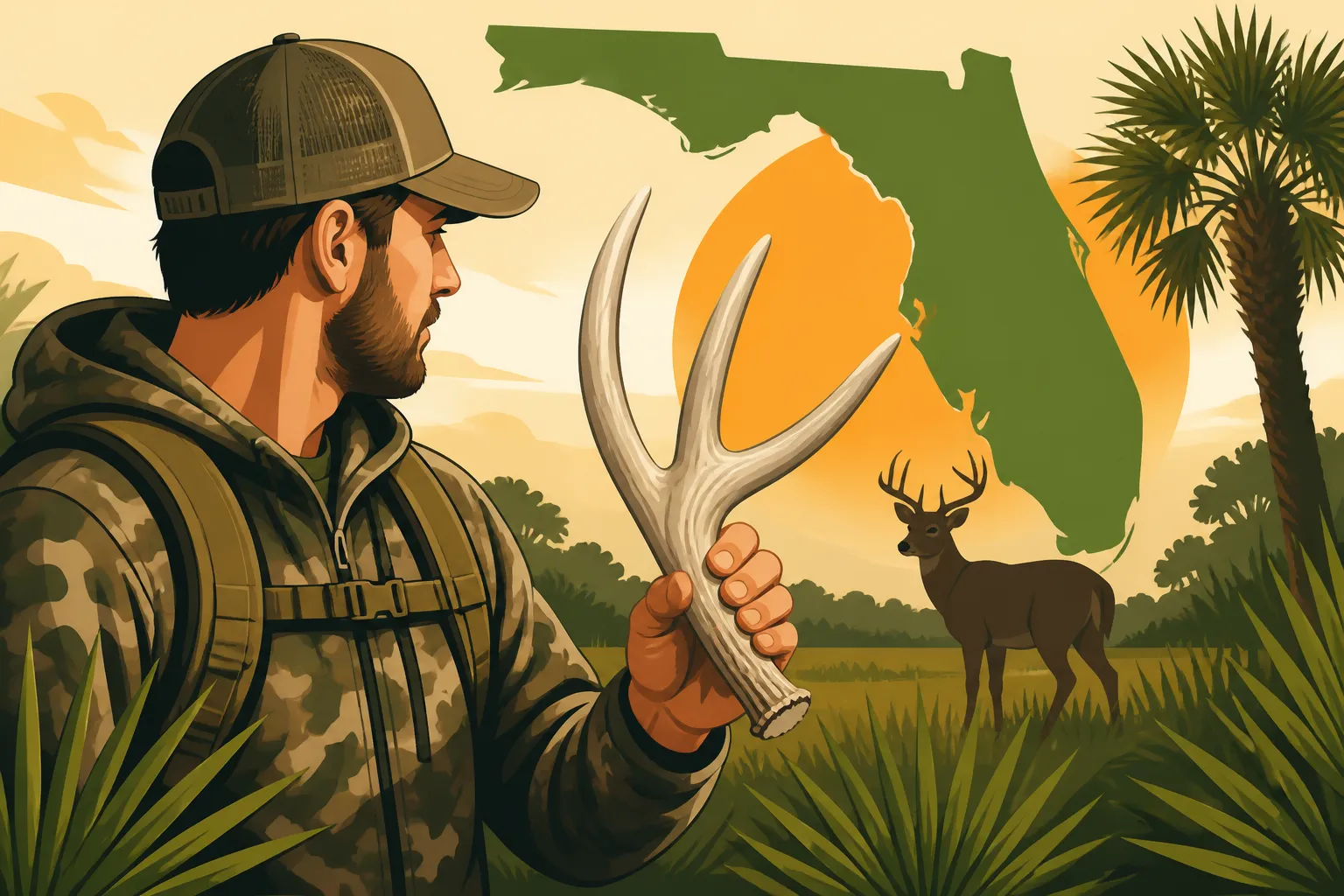
For many of us who love chasing whitetails, the post-season blues can hit hard. You're left with memories of crisp mornings and rattling antlers, but the woods feel empty without a tag in your pocket. That's where shed hunting comes in, offering a fantastic excuse to get back out there, keep those scouting muscles limber, and maybe even find a tangible piece of next year's trophy. However, shed hunting on Florida public land isn't like strolling through corn stubble in the Midwest. It presents its own unique set of challenges, from our elusive deer to the relentless environment, and this guide is here to help you navigate those specific frustrations and increase your odds of finding that prized dropped antler.
Understanding Florida's Unique Deer Dynamics for Shed Hunting
Florida's whitetail deer are a fascinating creature, especially when it comes to their antler cycles. Unlike their northern cousins who often drop antlers in late winter after a harsh breeding season and food scarcity, Florida's milder climate and diverse rut timings throw a curveball to traditional shed hunting wisdom. You can't just pick a weekend in February and expect to hit the peak drop across the entire state.
The Florida Rut and Antler Drop Timing
One of the biggest hurdles for Florida shed hunters is the highly varied rut across our state. Florida's four deer management zones each have distinct rut periods, which directly impacts when bucks will shed their antlers. For example, in Zone A, which covers much of the Panhandle, the rut typically peaks in late September and October. This means that bucks in that area, after expending significant energy during the breeding season, might start dropping their antlers as early as late December or January. This timing allows for a decent window of opportunity before new growth begins.
Compare that to Zone C, encompassing a large chunk of Central and South Florida, where the rut often doesn't kick into high gear until late July and August. Bucks here are under far less nutritional stress during the rut itself, and the post-rut period stretches into the fall. Consequently, you'll often find that bucks in these southern regions hold their antlers much later, sometimes well into March, April, or even early May. It's not uncommon to see a buck with hard antlers in Zone C during the early archery opener, while a buck up in the Panhandle might already be growing velvet. This wide variation means you really need to understand why Florida's deer seasons vary so much by zone when planning your shed hunting trips, and calibrate your expectations based on where you're actually searching. Ignoring these zonal differences is a surefire way to come home empty-handed and frustrated.
Why Florida Sheds Are So Elusive
Beyond the tricky timing, finding shed antlers in Florida is inherently difficult due to our environment. Our thick, dense cover, coupled with a high density of scavengers, makes sheds disappear quickly. It's not uncommon for a shed to be found by a coyote, raccoon, or even a feral hog before a human ever lays eyes on it. Hogs, in particular, are notorious for chewing on antlers for calcium, leaving behind nothing but splintered nubs if you're not quick enough. The humid climate also accelerates decomposition, and sheds exposed to the elements can break down or become overgrown with vegetation far faster than in drier regions.
Furthermore, Florida's deer populations, while healthy in many areas, don't always reach the same densities you might find in prime agricultural country elsewhere. This means fewer antlers on the ground per acre, increasing the challenge. You might spend hours traversing a palmetto flat, only to find nothing, simply because there aren't as many deer using that specific parcel of public land as you might hope. This isn't to say it's impossible, but it demands a different mindset and a lot more patience than many hunters are accustomed to when chasing sheds. You really have to get in tune with where Florida bucks bed in thick palmetto and focus your efforts on those specific, dense pockets.
Essential Strategies for Locating Sheds on Public Land
Given Florida's unique challenges, a targeted approach is crucial for shed hunting success on public land. You can't just wander aimlessly; you need to think like a deer and understand where they spend their time during and after the antler drop. This involves careful scouting, strategic habitat selection, and smart use of modern technology.
Targeting Key Habitats and Features
When you're out there looking for sheds, you're essentially looking for where deer live, eat, and travel during the late winter and early spring. Start by focusing on established bedding areas. These are often thick palmetto heads, dense pine thickets, or cypress heads that offer security and thermal cover from cold fronts. Bucks will often drop antlers right where they bed down. If you've been Hunting Florida's Zone A Split Gun Season, think about the areas where you consistently saw deer entering or exiting cover.
Next, shift your attention to food sources. While acorns might be long gone by the time most bucks shed, deer are still browsing on various native plants. Look for areas with heavy browse lines or signs of recent feeding. Creek bottoms, edges of sloughs, and areas with oak hammocks can be productive. Travel corridors are another high-yield spot. Deer frequently drop antlers when jumping fences, crossing roads, or navigating tight funnels between thick cover and feeding areas. Pay close attention to sand roads, old logging trails, and any pinch points you can identify on a map. Think about how deer move from a bedding area to a water source or a limited food patch. These transitions are prime spots.
The Importance of Post-Season Scouting
Shed hunting isn't just about finding bone; it's arguably one of the best forms of post-season scouting you can do. Every shed you find, every rub line you identify, and every trail you walk gives you invaluable information about deer movement patterns that you can use for the upcoming season. If you find a shed in a particular thicket, it tells you that a buck spent time there. If you find multiple sheds along a specific trail, you've identified a consistent travel route. This is gold.
During your shed hunt, don't just look down. Look for fresh rubs from the past season, old scrape lines along a sand road, and areas of heavy browsing. Take note of old beds. This gives you a complete picture of how deer utilized the habitat. When you find a shed, try to visualize what the buck was doing in that exact spot. Was he walking, feeding, or just standing around? This helps you understand the context of the drop. Even if you don't find a shed, the knowledge you gain about deer activity, entry routes through a Florida food plot, and general habitat use is priceless for improving your chances during the next hunting season. It's a direct investment in your future success.
Using Technology to Your Advantage
In today's world, ignoring the power of technology in your shed hunting endeavors would be a disservice to your efforts. Mapping applications are a game-changer for navigating Florida's often trackless public lands and for systematically breaking down large areas. Apps like GoHunt or onX Hunt are fantastic resources. They allow you to view detailed aerial photos that reveal subtle terrain features, identify property lines (crucial on public/private boundaries), and mark potential hot spots from home. You can often see the distinct edges of palmetto thickets, the winding paths of sand roads, and the locations of water sources that might not be obvious on a topo map.
Before you even step foot in the woods, use these apps to study the land. Look for changes in vegetation, bottlenecks, and areas that look particularly thick for bedding cover. When you're on the ground, use the GPS function to track your path, mark sheds you find, and pinpoint other sign like significant rub lines or heavily used trails. This data accumulates over time, building a comprehensive understanding of your hunting grounds. Some hunters even utilize trail cameras in areas where permitted on public land, though you must know the specific rules for using a trail camera on Florida public land. A well-placed camera in late winter can confirm if bucks are still holding antlers or if they've already dropped, giving you a better idea of when to focus your ground efforts.
Practical Tips and Best Practices for Florida Shed Hunters
Shed hunting in Florida isn't just about knowing where to look; it's also about being prepared for the environment and respecting the regulations that govern our public lands. Our state's unique climate and abundant wildlife require a thoughtful approach to gear and etiquette.
The Right Gear for Florida's Environment
Florida's natural environment can be unforgiving, especially off-trail in thick cover. The right gear isn't just about comfort; it's about safety. First and foremost, snake boots or snake gaiters are non-negotiable. Our state is home to several venomous snakes, and venturing into thick palmetto or cypress swamps without protection is asking for trouble. Long pants made of durable material are also a must to protect against thorns, briars, and insects.
Hydration is critical, even in cooler winter months. Always carry plenty of water, and consider electrolytes if you'll be out for several hours. Insect repellent, particularly with DEET, is your best friend against mosquitoes, ticks, and chiggers that are active year-round. A reliable GPS device or a fully charged smartphone with a mapping app like GoHunt is essential for navigation, as it's incredibly easy to get turned around in vast tracts of public land. Finally, a good pair of binoculars can help you spot sheds from a distance in open pine woods or across a field edge, saving you unnecessary steps.
Here's a quick reference for essential gear:
| Item | Purpose | Why it's Crucial in Florida |
|---|---|---|
| Snake Boots/Gaiters | Leg protection from snakebites | High population of venomous snakes in dense cover |
| Durable Long Pants | Protection from thorns, briars, insects | Thick, thorny vegetation is common |
| Hydration Pack/Water | Stay hydrated | High humidity and exertion lead to rapid dehydration |
| Insect Repellent | Prevent bites from mosquitoes, ticks | Insects are active year-round |
| GPS/Mapping App | Navigation and marking discoveries | Easy to get lost in vast, featureless public lands |
| Binoculars | Spot sheds from a distance | Aids in scanning open areas, reduces unnecessary walking |
| Small First-Aid Kit | Treat minor injuries | Scratches, bug bites, and unexpected cuts are common |
| Whistle | Emergency signaling | Useful if lost or in distress, especially on solo trips |
Respecting Regulations and Wildlife
Hunting or even simply scouting on public land means adhering to specific rules and regulations. Before you head out, always check the Florida Fish and Wildlife Conservation Commission (FWC) regulations for the specific Wildlife Management Area (WMA) or national forest you plan to visit. Some WMAs might have different rules regarding public access during certain times of the year, or require a Florida WMA Management Area Permit just for entry, even if you're not hunting. Others might have specific restrictions on vehicle use, or even prohibit the collection of sheds if they're considered "parts of wildlife." It's your responsibility to know the local rules.
Beyond regulations, remember that you are in nature's home. Be mindful not to disturb wildlife, especially during the critical post-rut period when bucks are recovering and may be more vulnerable. Avoid chasing deer or intentionally stressing them. Keep dogs on a leash or ensure they are well-trained if allowed, to prevent them from harassing wildlife or straying into unsafe areas. Practicing Leave No Trace principles is also paramount: pack out everything you pack in, and leave the woods cleaner than you found them. Our public lands are a shared resource, and responsible use ensures they remain healthy and accessible for everyone, whether you're shed hunting, scouting with the Florida FWC App, or simply enjoying the outdoors.
Managing Expectations and Enjoying the Process
Let's be real: shed hunting in Florida is often tough, and you might not find a shed on every outing, or even most outings. It's easy to get discouraged when you've walked miles through unforgiving terrain and found nothing but spiderwebs and palmetto thorns. This is where managing your expectations becomes crucial. Don't go into it expecting to fill a bucket with matching sets. Instead, view it as an opportunity for advanced scouting, physical exercise, and spending quality time in Florida's beautiful, wild places.
Celebrate the small victories: finding a fresh rub line, confirming a new deer trail, spotting a hidden food source, or simply enjoying a quiet morning in the woods. Every outing, successful or not in terms of sheds, adds to your knowledge of the landscape and the deer that inhabit it. It sharpens your tracking skills, helps you understand deer behavior, and keeps you connected to the hunting lifestyle during the off-season. Ultimately, the true reward of shed hunting in Florida isn't just the bone you might bring home, but the deeper understanding you gain of our unique ecosystem, making you a more skilled and connected hunter for seasons to come.
Disclaimer
The information provided in this article is for general guidance and informational purposes only. Hunting regulations and conditions can change. Always consult the latest Florida Fish and Wildlife Conservation Commission (FWC) regulations and local WMA rules before engaging in any hunting or shed hunting activity on public lands. Safety should always be your top priority.