Hunting Hogs on WMA Land in the Off-Season
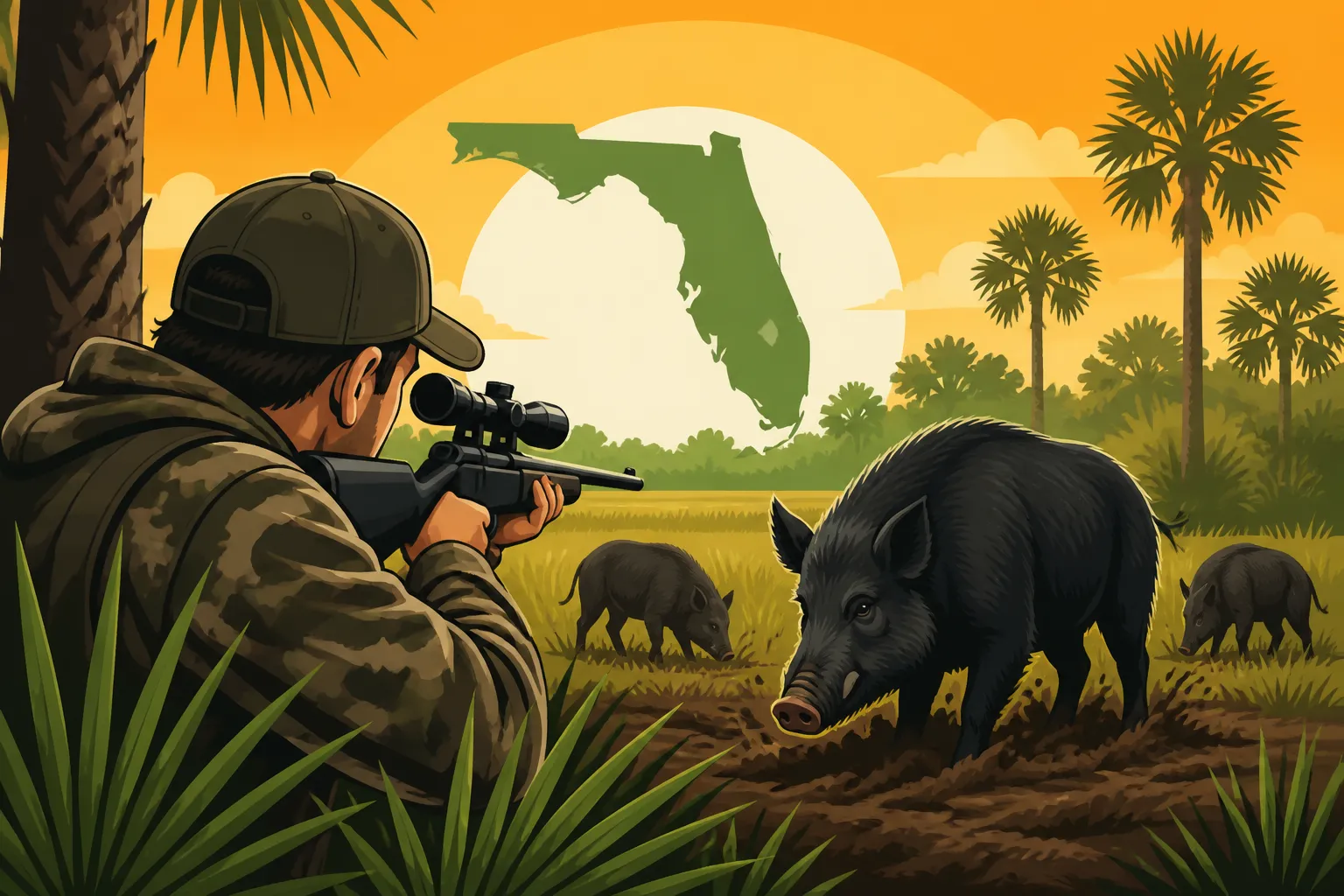
Hunting hogs on Florida's Wildlife Management Areas (WMAs) during the off-season can feel like cracking a secret code. Many hunters assume that once deer or turkey season wraps up, the woods close down, leaving them itching for action. But the truth is, feral hogs are an invasive species, and the Florida Fish and Wildlife Conservation Commission (FWC) encourages their removal year-round, even on public lands, creating a unique opportunity for dedicated hunters. This guide will walk you through the specifics of chasing these wily critters on WMAs when most other game seasons are quiet.
Understanding Florida's WMA System and Off-Season Hog Rules
The allure of hunting Florida's public lands for hogs in the off-season is strong. While many hunters are packing away their gear for the summer, these determined individuals are still hitting the woods, often finding less pressure and more active hogs. However, WMAs aren't a free-for-all. They come with their own set of rules, which can vary significantly from one area to another. It’s not just about knowing that Florida has Why Florida Hogs Have No Closed Season; it's about understanding the nuances of where and how you can pursue them on public ground.
The Allure and Challenge of WMA Hogs
Feral hogs are a prolific and destructive force in Florida’s ecosystems, causing extensive damage to native habitats, agricultural crops, and even preying on vulnerable native wildlife. This is precisely why the FWC has established year-round hunting regulations for them across most of the state, including many WMAs. The off-season, generally outside of regular deer or turkey hunts, often means cooler mornings or evenings, fewer mosquitoes (sometimes!), and the thrill of having vast tracts of public land mostly to yourself. This lower hunter pressure can translate into hogs that are less wary and more predictable in their movements.
However, the challenge is real. Unlike private land where you might have consistent baiting programs or extensive scouting history, WMAs require adaptability and a deep understanding of ever-changing natural food sources. You're dealing with free-ranging animals that cover huge distances, and without the primary draw of bait, you need to become a master of reading sign and understanding their natural behavior patterns. Success on a WMA in the off-season hinges on diligent scouting and a willingness to cover ground.
Navigating Permits and Regulations
Before you even think about lacing up your boots, you need to ensure you have the proper permits and understand the specific regulations for the WMA you plan to hunt. The most fundamental requirement for hunting on most WMAs is The Florida WMA Management Area Permit. This permit is typically an add-on to your base Florida hunting license and provides access to most managed public lands. Without it, you’re simply out of bounds.
Beyond the general WMA permit, each individual WMA will have its own set of specific rules, often outlined in a detailed brochure or online section on the FWC website. Crucially, these rules will dictate whether hog hunting is allowed outside of regular quota or general gun seasons, what weapons are permitted, if baiting is allowed, and even specific times of day or areas that are open or closed. Some WMAs might restrict hog hunting to archery only during certain periods, while others might allow centerfire rifles year-round. Always double-check the specific WMA’s regulations – a quick search on the FWC site for your chosen area is absolutely essential. A common mistake is assuming that because one WMA allows it, all do. This is definitely not the case.
Scouting and Locating Hogs in the Off-Season
Finding hogs in the off-season, especially on sprawling WMAs, is a different ball game than during primary hunting seasons. You're largely relying on natural patterns, current habitat conditions, and diligent detective work. The animals aren't just going to show up in your food plot like they might on private land during deer season.
Reading the Land for Hog Sign
Hogs are creatures of habit, driven by food, water, and cover. In the off-season, these needs become even more pronounced. Your scouting efforts should focus on identifying areas that offer all three. Look for rooting, which is arguably the most obvious sign. Hogs use their powerful snouts to dig up roots, tubers, and invertebrates, leaving behind churned-up earth that can range from small disturbed patches to acres of turned-over soil. Fresh rooting, where the soil is still dark and moist, is a clear indicator of recent activity.
Beyond rooting, keep an eye out for wallows—muddy depressions where hogs cool off and coat themselves to deter insects. These are especially common near water sources like creek beds, ditches, or low-lying swampy areas. Rubs, where hogs scratch themselves against trees, fence posts, or logs, can also point to their presence, often leaving mud or hair behind. And of course, tracks in soft soil or mud around water sources are undeniable evidence. Understanding Finding Sign in a Florida Oak Hammock or similar rich habitats can provide valuable clues about where hogs might be focusing their feeding efforts.
Utilizing Technology and Topography
In today's hunting world, technology is your best friend, especially when navigating vast WMA landscapes. Mapping applications like GoHunt offer invaluable tools for off-season hog scouting. You can use their satellite imagery to identify prime hog habitat features: dense palmetto thickets for bedding, oak hammocks with potential acorn crops, wet lowlands for wallows, and access points. Layering in public land boundaries is critical to ensure you're always within legal hunting areas.
Beyond simply identifying features, these apps allow you to mark potential hotspots, track your movements, and navigate silently in the field. When analyzing aerial photos, look for changes in vegetation density, transition lines between different habitat types, and proximity to water. Hogs often travel along these natural corridors. Consider how Reading Aerial Photos for Florida Deer can be adapted to locating hogs, focusing on similar principles of travel corridors, food sources, and bedding areas. The more you "hunt" with your app before you even step foot in the woods, the more efficient your actual scouting and hunting trips will be.
Effective Off-Season Hog Hunting Strategies on WMAs
Once you've done your homework and identified some promising areas, it's time to put boots on the ground. Off-season hog hunting on WMAs demands a flexible and often aggressive approach, as you're typically not sitting over a dedicated food plot or bait site.
Stalking and Still-Hunting Tactics
Because active baiting is often prohibited or severely restricted on most Florida WMAs, stalking and still-hunting become your primary methods. This involves moving slowly and deliberately through the woods, stopping frequently to glass, listen, and scan for movement or fresh sign. Pay close attention to wind direction; hogs have an incredible sense of smell, and a misplaced wind will bust your hunt every time.
Focus your efforts around known bedding areas early in the morning or late in the afternoon when hogs are most active. During the heat of the day, they will often retreat into the densest cover. This means you might need to embrace the challenge of still-hunting thick palmetto flats, an endeavor that requires patience and keen observation, much like Still-Hunting Florida Palmetto Flatwoods for deer. Look for subtle movements, a flick of an ear, or the dark outline of a hog against the green undergrowth. Expect close-quarters encounters; be ready to shoot quickly and accurately.
Baiting Regulations and Alternatives
As mentioned, baiting rules on WMAs are very strict. Generally, placing out corn or other attractants is not allowed. Always consult the specific WMA regulations, but operate under the assumption that baiting is prohibited. This means you need to think like a hog, not a farmer. What are they eating naturally?
Florida's natural landscape provides a smorgasbord for hogs. Acorns, especially from live oaks and water oaks, are a huge draw when available. Palmetto berries, roots, fungi, and even small invertebrates are all on the menu. Focus your hunting around areas with these natural food sources. Creeks and sloughs provide not only water but also rich, moist soil for rooting and cool bedding. In the off-season, when things are heating up, hogs will congregate in these cooler, wetter areas. Knowing Late-Season Food Sources for Florida Whitetails can give you an idea of what might also attract hogs.
Gear Considerations for Hot Weather
Off-season in Florida often means hot, humid conditions, sometimes with relentless mosquitoes and biting flies. Your gear choices can make or break your comfort and focus. Lightweight, breathable clothing is a must. Synthetics that wick moisture away from your body are preferable to cotton. Long sleeves and pants, despite the heat, offer protection from sun, thorns, and insects. A good quality Thermacell or similar insect repellent device can be a game-changer.
Hydration is absolutely critical. Carry more water than you think you’ll need, and consider electrolyte supplements. A comfortable backpack for carrying water, snacks, a first-aid kit, and your game processing supplies is essential. Footwear should be rugged, waterproof, and comfortable for covering miles of uneven terrain. Lastly, if you’re planning on Night Hunting Hogs With Lights in Florida (where permitted on private land, but generally not on WMAs), you’ll need specific night vision or thermal gear, but for off-season WMA hunts, daylight is your main opportunity.
Post-Harvest Care and Ethical Considerations
Successfully harvesting a hog on a WMA in the Florida heat is only half the battle. What you do next is crucial for meat quality and upholding ethical hunting standards.
Rapid Field Dressing and Cooling
Florida's heat is no joke, and bacteria multiply rapidly in warm conditions. As soon as you recover your hog, proper field dressing is paramount. Get the guts out quickly to allow the carcass to begin cooling internally. If you're deep in a WMA, consider quartering the animal in the field to make extraction easier and to facilitate faster cooling.
Pack plenty of game bags and ice chests with ice. Once the animal is field-dressed or quartered, get it on ice as quickly as possible. This might mean having a cooler ready at your vehicle, or even carrying a dedicated game cart to get the animal out fast. For more specific advice on handling game in warm weather, consider resources like Field Dressing a Deer in Hot Weather, which offers principles that directly apply to hogs. The goal is to drop that internal temperature as fast as you can.
Respecting the Resource and Other Users
Hunting on WMAs means sharing the outdoors with a diverse group of users: hikers, birdwatchers, photographers, and other hunters. Being a good steward of the land and a considerate recreationist is part of the hunting ethos. Pack out everything you pack in, and then some. Leave no trace of your presence other than tracks.
Ethical hunting also means making clean, humane shots and making every effort to recover your animal. Hogs can be incredibly tough, so shot placement is vital. Be prepared for a blood trail, even if it's minimal in sandy Florida soil. Finally, understanding Florida's Year-Round Hog Hunting Rules and adhering to them fully ensures that these public land opportunities remain available for future generations. Utilize resources like GoHunt to mark your vehicle, your trail, and your animal's recovery location, helping you stay oriented and efficient.
| WMA Type / Feature | Common Hog Presence | Best Off-Season Strategy | Primary Challenge |
|---|---|---|---|
| Pine Flatwoods | Moderate to High | Still-hunting travel corridors | Dense palmetto, heat |
| Oak Hammocks | High (seasonal) | Scouting for acorns & rooting | Thick understory, limited visibility |
| Cypress Swamps | High | Focus on edges, water sources | Difficult access, wet terrain |
| River Bottoms | Very High | Stalking along creek beds | High water, mosquitoes |
| Agricultural Edges | High (if WMA borders private ag) | Early/late still-hunting | Limited access, private land proximity |
Disclaimer
Always consult the latest Florida Fish and Wildlife Conservation Commission (FWC) regulations and specific WMA brochures before planning any hunting trip. Regulations can change, and it is the hunter's responsibility to know and follow all applicable laws. This guide is for informational purposes only and does not supersede official FWC rules.