How Many Coyotes Florida Has
It’s a question many Florida hunters, ranchers, and even homeowners have asked: just how many coyotes are roaming the Sunshine State? For a long time, coyotes weren’t even on most Floridians' radar, but they’ve established a significant presence, and understanding their numbers, where they came from, and their impact is crucial for anyone involved with our wild spaces. This guide will dive deep into Florida's coyote population, tracing their journey, assessing their ecological footprint, and exploring the ways hunters and land managers can approach their management.
Understanding Florida's Coyote Population
When we talk about "how many coyotes" are in Florida, it's not like counting oranges in a grove. Coyotes are incredibly adaptable, elusive, and their numbers fluctuate with habitat, food availability, and human pressure. While exact figures are notoriously difficult to pinpoint for any wild, wide-ranging carnivore, wildlife biologists use various methods to estimate populations and trends.
The Elusive Nature of Coyote Counts
Trying to get a precise headcount of coyotes across a state as diverse and vast as Florida is, frankly, a bit like trying to count grains of sand on our beaches. Unlike deer, which have regulated seasons and harvest reporting that can give us insights into populations, coyotes in Florida are often unregulated in terms of seasons and bag limits on private land, meaning no harvest data is consistently collected statewide. This lack of centralized data makes it challenging to provide a hard number. Instead, wildlife agencies rely on research studies, track counts, trail camera surveys, roadkill data, and public sighting reports to gauge population trends and densities rather than a fixed headcount. We know they're here, and their numbers are significant, but putting a single, concrete number on it is largely speculative. It's more accurate to think of them as widespread and thriving, rather than fixating on an impossible exact digit.
Estimated Numbers and Density Across the State
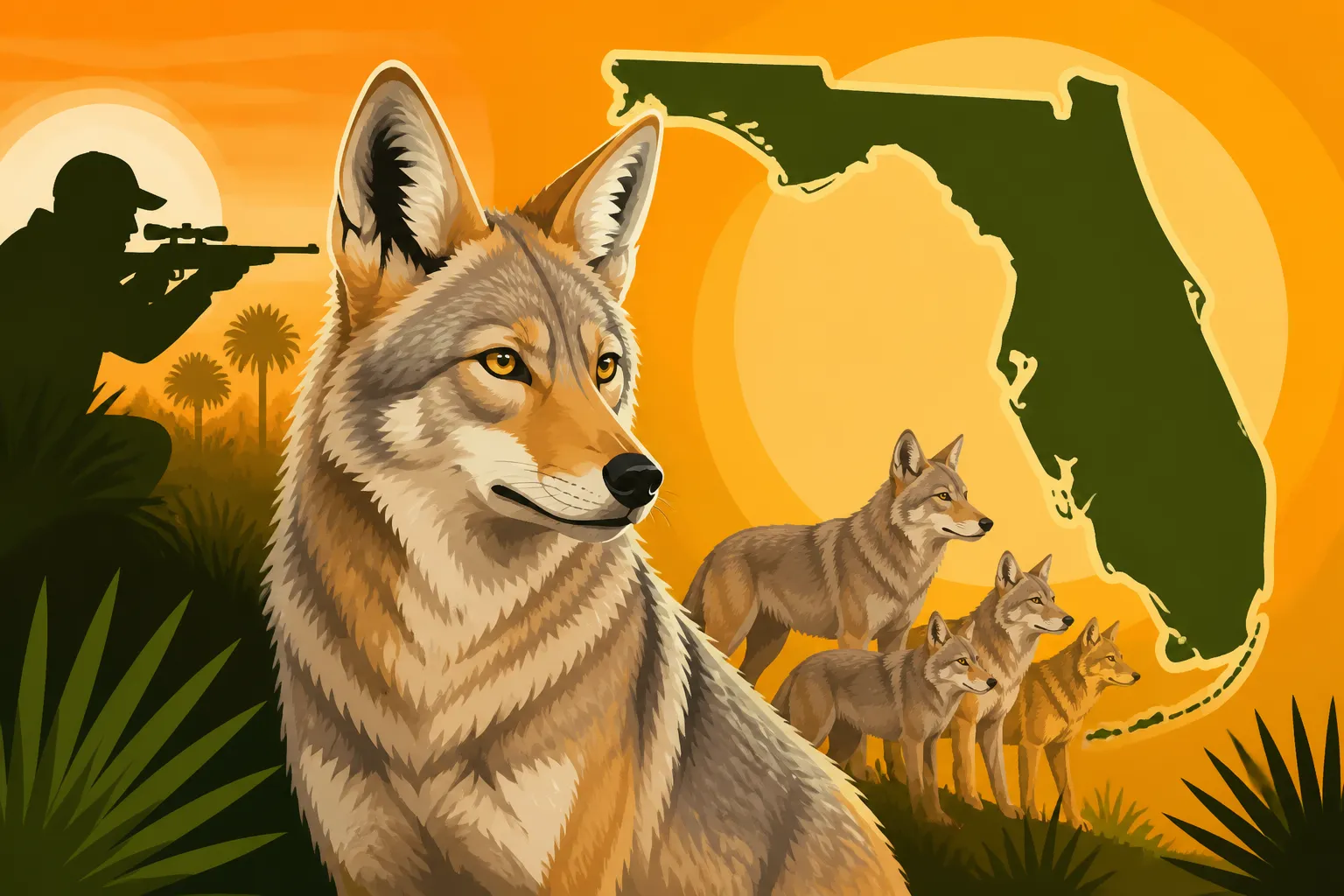
Despite the difficulty in an exact count, what we can say with confidence is that coyotes are present in all 67 counties of Florida. Their presence is no longer limited to the northern, more rural areas; they’ve successfully colonized everything from vast ranchlands and pine plantations to suburban green spaces and even the fringes of our major metropolitan areas. While specific population figures aren't usually released by the Florida Fish and Wildlife Conservation Commission (FWC) for coyotes due to their widespread and unregulated nature, the consensus among wildlife professionals is that Florida supports a robust and growing population. Studies indicate that their density can vary greatly depending on habitat. In areas with abundant prey (like deer fawns, rabbits, rodents, and even domestic refuse) and suitable cover, densities are naturally higher. Florida Coyote Range and Density is an excellent resource if you want to understand the finer points of their distribution. Think of it like this: if you find deer, hogs, or even significant rodent populations, chances are, coyotes are not far behind.
The History of Coyote Expansion in Florida
It’s easy to assume coyotes have always been part of the Florida landscape, but that’s actually not the case. They are relatively new arrivals, having spread into the state over the last century, making Florida one of the more recent additions to their continental expansion. Understanding this history helps explain their current distribution and impact.
Natural Migration and Spread
The narrative of the coyote in Florida is a testament to their incredible adaptability and resilience. Historically, coyotes were predominantly western North American canids, not typically found in the southeastern United States. Their expansion eastward is a fascinating story, largely attributed to two main factors: habitat alteration and the extirpation of larger predators. As eastern forests were cleared for agriculture and development, it created more open, fragmented habitats that favored coyotes. Simultaneously, the aggressive eradication of wolves and cougars from much of the eastern U.S. eliminated their primary competitors and predators. With these ecological vacancies, coyotes began to move in, pushing eastward across the continent. They entered Florida primarily from Georgia and Alabama, slowly but surely establishing territories. Their journey to becoming a ubiquitous Florida resident picked up significant pace in the latter half of the 20th century. Today, you'd be hard-pressed to find a corner of the state where they haven't been documented, truly solidifying their place in Florida's modern ecosystem.
Adaptation to Florida's Diverse Habitats
One of the most remarkable aspects of the coyote's success in Florida is their ability to thrive in an incredibly diverse range of habitats. From the longleaf pine forests and wiregrass prairies of the Panhandle to the palmetto scrub of Central Florida, and even the cypress swamps and agricultural lands of South Florida, coyotes have proven they can make a living almost anywhere. They are opportunistic predators and scavengers, capable of adjusting their diet to whatever is available. In rural areas, they might key in on deer fawns, rabbits, and small rodents, while closer to human settlements, they become adept at scavenging from garbage, preying on unsupervised pets, or utilizing abundant rodent populations found in suburban sprawl. Their smaller size compared to wolves, coupled with their intelligence and cunning, allows them to navigate fragmented landscapes and human-dominated environments with surprising ease. This incredible adaptability is why their numbers, though unquantified precisely, are certainly significant and why they've become such a consistent topic of discussion among hunters and landowners alike.
Ecological Influence and Impact on Florida's Wildlife
With coyotes now firmly entrenched across Florida, their presence has naturally led to shifts in the local ecology. As a relatively new apex predator in many areas, they interact with native species in ways that can be both beneficial and challenging, particularly concerning prey populations that evolved without their pressure.
Predation on Native Species
Coyotes, being opportunistic carnivores, certainly exert predatory pressure on a wide array of Florida's native wildlife. Their diet is incredibly varied, and they'll take what's easiest to catch. This often includes small mammals like rabbits, squirrels, and rodents, as well as ground-nesting birds and their eggs. They're particularly adept at targeting vulnerable young animals, like newborn fawns or turkey poults. For species that haven't historically faced significant pressure from a canid predator of the coyote's type, this can sometimes lead to localized population impacts. However, it's also important to remember that coyotes fill an ecological niche. They can help control rodent populations, for instance, which might otherwise become overabundant and cause agricultural damage. The impact isn't always one-sided, but the dynamics of this relatively new predator-prey relationship are something wildlife managers continue to study. When you're out in the woods, especially during fawning season, it's a constant reminder of the unseen struggles happening beneath the canopy.
Coyotes and Deer Fawn Survival
Perhaps the most significant and often debated ecological impact of coyotes in Florida, especially among the hunting community, revolves around their predation on white-tailed deer fawns. While adult deer are usually too large and agile for a single coyote to take down, newborn fawns are incredibly vulnerable. During the fawning season, coyotes can be highly effective predators, leading to concerns about deer recruitment and overall herd health. Studies in Florida and other southeastern states have shown that coyote predation can be a major factor in fawn mortality, sometimes accounting for a significant percentage of fawns lost before they reach adulthood. This doesn't mean coyotes are "wiping out" deer herds, as deer populations are resilient and impacted by many factors, including habitat quality, disease, and hunting pressure. However, it's a real factor that hunters consider, especially in areas where deer numbers seem to be struggling. Landowners interested in deer management often look at coyote control as part of a broader strategy to improve fawn survival rates. Knowing the coyote's habits around deer birthing areas is critical for understanding this dynamic, as detailed in articles like Florida Fawn Survival Rates.
Managing Coyote Populations Through Hunting
Given their widespread presence and the concerns some landowners and hunters have about their impact, particularly on deer and turkey populations, coyote management often includes hunting. Florida's approach to coyote hunting is quite different from regulated game species, offering unique opportunities for those looking to help manage their numbers or simply enjoy the thrill of predator hunting.
Florida's Unregulated Coyote Hunting Seasons
One of the most distinctive aspects of coyote hunting in Florida is its lack of traditional seasons or bag limits on private lands. For most game species, you'll consult a detailed calendar of specific dates, times, and harvest regulations. Not so with coyotes. On private land, they can generally be hunted year-round, day or night, with very few restrictions outside of general firearms safety and ethical hunting practices. This open-ended approach reflects their status as a non-native, unregulated species that wildlife managers often encourage hunters to help control. This flexibility is a huge draw for predator hunters and landowners alike, allowing them to pursue coyotes whenever the opportunity arises, whether it's an incidental encounter while deer scouting or a dedicated night hunt under the stars. Of course, public lands like Wildlife Management Areas (WMAs) often have specific regulations, so always check WMA rules before you go. This open season means that Florida Coyote Hunting Season Rules are relatively straightforward compared to other game.
When considering hunting on private land, you always need permission. Even if coyotes are unregulated, access to the land is paramount. If you're on public land, you'll need to be aware of the specific WMA regulations, which can change. It's not uncommon for WMAs to have specific rules about night hunting, weapon types, or even dates when predator hunting is allowed, usually to prevent conflicts with other hunting seasons. You can find up-to-date information through the Florida FWC, often using tools like the GoHunt app, which provides detailed WMA regulations and maps right on your phone, making it much easier to stay compliant.
Effective Hunting Strategies for Florida Coyotes
Hunting coyotes in Florida requires a blend of stealth, knowledge of their behavior, and often, specialized tactics. Because they are smart and wary, simply walking through the woods hoping to stumble upon one usually isn't the most effective strategy. Calling is perhaps the most popular and effective method. Both distress calls (mimicking an injured rabbit or fawn) and various coyote vocalizations (howls, barks, pup distress) can be incredibly effective at drawing them in. Early mornings and late evenings are prime times, especially in the cooler months, but coyotes can be called at any time of day. Coyote Calling Florida Ranch Land and Predator Calling Florida Palmetto Country delve deeper into these techniques.
Beyond calling, still-hunting and stand-hunting can also be productive, especially if you’ve scouted an area and identified travel corridors or denning sites. Thermal imaging and night vision optics have become game-changers for those hunting after dark, and Florida's regulations generally allow their use for coyotes on private land. The key is to be as quiet and scent-free as possible, paying close attention to wind direction. Coyotes have an incredible sense of smell and hearing, and they'll bust you long before you ever see them if you're not careful. Consider also using a reliable mapping application like GoHunt to identify potential ambush points or travel routes based on terrain features and past sightings, which can give you a crucial edge.
Ultimately, successful coyote hunting comes down to persistence and adapting to local conditions. They’re a challenging quarry, which is part of their appeal. Whether you're hunting them to protect fawns, manage livestock, or simply for sport, understanding their habits and utilizing the right strategies will greatly increase your chances of success. Don't forget that if you're out past dark, familiarize yourself with Night Hunting Rules for Florida Coyotes.
| Characteristic | Coyote | Bobcat | Gray Fox |
|---|---|---|---|
| Population Trend | Widespread, stable to increasing | Widespread, stable to increasing | Widespread, stable |
| Primary Diet | Opportunistic: deer fawns, rabbits, rodents, birds, carrion, insects, fruit | Rabbits, rodents, birds, small deer | Rodents, rabbits, birds, insects, fruit |
| Hunting Season | Year-round, no bag limit on private land | Regulated (check FWC for specific dates) | Regulated (check FWC for specific dates) |
| Typical Habitat | Highly adaptable: forests, swamps, ranchland, suburban areas | Forests, dense cover, swamps | Mixed forests, woodlands, agricultural edges |
| Active Hours | Primarily crepuscular/nocturnal, but active anytime | Primarily crepuscular/nocturnal | Primarily nocturnal |
Disclaimer
This article is for general informational purposes only and does not constitute professional advice. Laws, prices and regulations vary by location and change over time. Consult a qualified professional for guidance on your specific situation.