When Coyotes First Arrived in Florida
It wasn't that long ago that the howl of a coyote was a rare, almost unheard-of sound in the Florida wilderness. For generations, hunters and outdoors enthusiasts across the Sunshine State simply didn't encounter them. But times have changed, and if you spend any time in our wild spaces now, from dense swamps to suburban edges, you know coyotes are here. The question many of us ask, particularly those who grew up without them, is: when exactly did these cunning canids make Florida their home, and how did they get here? This guide will dive deep into the fascinating, and sometimes concerning, story of the coyote's arrival in our state.
The Journey South: How Coyotes Made it to Florida
For much of history, coyotes were primarily creatures of the American West. Their familiar range stretched across the plains and deserts, far from the humid forests and wetlands of Florida. But nature abhors a vacuum, and as landscapes changed and other apex predators declined, coyotes proved incredibly adaptable. Their journey to Florida wasn't a sudden invasion, but a gradual, persistent expansion driven by their opportunistic nature.
Tracing the Eastern Coyote's Journey
The coyotes we see in Florida today are often referred to as "Eastern coyotes," a distinct population that resulted from a fascinating biological journey. As the eastern forests were cleared for agriculture and human settlement, and as wolves were largely extirpated from much of their historical range, a pathway opened for coyotes to expand eastward from their ancestral Western territories. This wasn't a direct east-west migration in a straight line, but rather a slow, deliberate movement that fanned out over many decades. They moved through the Great Lakes region, then down through the Appalachian Mountains and into the southeastern states. This migratory process was incredibly effective because coyotes are generalists – they can eat almost anything, live almost anywhere, and reproduce prolifically. It's a testament to their resilience.
What makes the Eastern coyote unique is its genetic makeup. As they moved eastward, particularly through areas where red wolves and gray wolves had once roamed, they sometimes hybridized with these larger canids. This interbreeding gave some Eastern coyotes a slightly larger build, a broader skull, and perhaps even some different behavioral traits than their pure Western counterparts. This genetic mixing, while natural, added another layer of complexity to their adaptation and expansion, potentially making them even more successful in new environments. They weren't just moving; they were evolving as they spread, becoming perfectly suited for the changing Eastern and Southern landscapes.
Early Sightings and Confirmed Presence
Pinpointing the exact "first" coyote in Florida is a bit like trying to catch smoke. It wasn't a single event but a cumulative process. Anecdotal sightings likely began appearing in the northern Panhandle counties, bordering Alabama and Georgia, sometime in the 1960s or 1970s. These early reports were often met with skepticism; people thought they were seeing stray dogs or perhaps even a rare wolf, given that the state had not had a established coyote population. But as more and more reports filtered in, especially from trappers and rural landowners, it became clear something new was afoot.
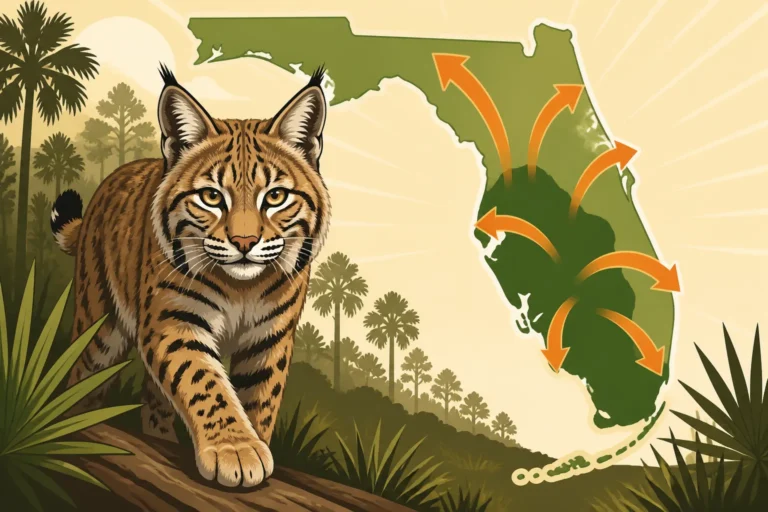
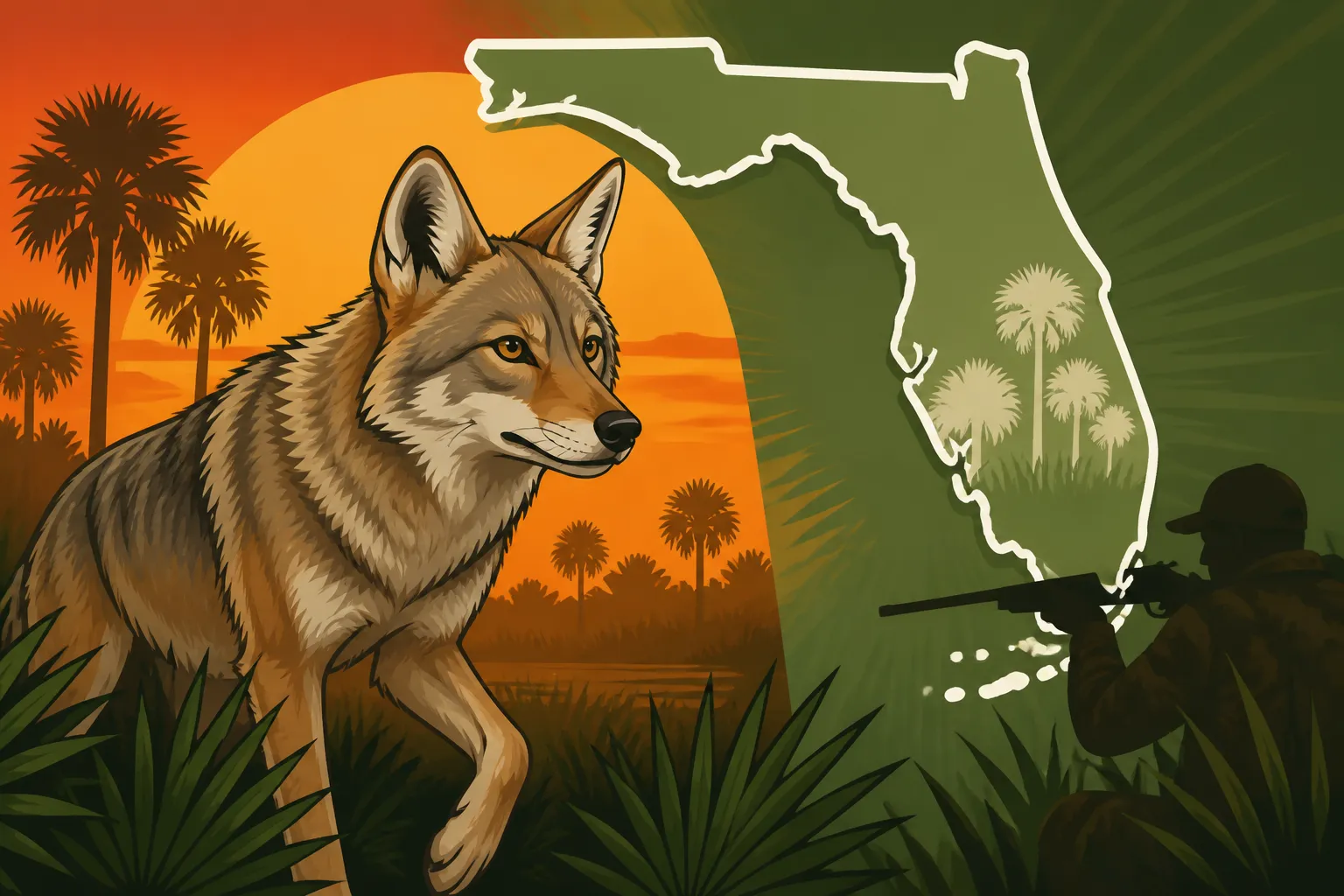
By the 1980s, the presence of coyotes in the Florida Panhandle was no longer debatable; they had firmly established themselves. The first confirmed breeding populations were noted in the late 1980s and early 1990s. From there, their spread accelerated. Using river corridors, abandoned railroad tracks, and even highway medians as travel routes, they pushed south. By the early 2000s, coyotes had been documented in every one of Florida's 67 counties, from the Panhandle to the Everglades. This remarkably rapid expansion across the entire state, considering they were absent just a few decades prior, highlights their incredible adaptability and the lack of significant barriers to their movement once they entered Florida's borders. Hunters exploring public lands often utilize tools like GoHunt to visualize game distribution, and it's clear that coyote range now overlaps with virtually all other game species across the state.
Signs of Arrival: Early Observations and Ecological Shifts
The arrival of a new, highly adaptable predator like the coyote doesn't happen in a vacuum. Their presence quickly brings about noticeable changes in the local ecosystem, affecting everything from small game populations to the behavior of larger animals like deer. For those of us who spend a lot of time in the woods, these shifts were the real indicators of their establishment, often long before official confirmations.
Habitat Alteration and Adaptation
Florida's landscape, while seemingly wild, has been significantly altered by human activity over the past century. Extensive timber clear-cutting, agricultural expansion, and the constant encroachment of suburban development create a patchwork of habitats. Far from deterring coyotes, this fragmented landscape actually benefited them. Coyotes thrive in edge habitats – the transitional zones between forest and field, or between wild areas and residential developments. These edges provide ample hunting opportunities for small mammals, birds, and even garden variety pests, along with cover for denning.
They quickly learned to navigate human-modified environments, becoming masters of stealth and opportunism. You might not think of a highway underpass as prime coyote real estate, but for a transient animal, it can be a vital thoroughfare, connecting otherwise isolated pockets of suitable habitat. This adaptation to various types of terrain, from dense palmetto thickets to open cattle pastures and even urban green spaces, allowed them to colonize Florida far more rapidly and effectively than many native species could. It meant that even in areas with significant human presence, a coyote could find a way to survive and thrive. Many hunters scouting for deer and hogs on public land, using apps like GoHunt, will inevitably notice how coyotes utilize these same diverse habitats.
The Absence of Apex Predators
One of the most significant factors contributing to the coyote's unchecked expansion into Florida was the absence of a top-tier predator. Historically, Florida's ecosystems were managed by a suite of large carnivores: the Florida panther, the Florida black bear, and prior to their extirpation, red wolves. While panthers and bears are still present, their populations are more localized or were severely reduced, leaving a large ecological niche open. Red wolves, once native to the southeastern United States including Florida, were completely wiped out from the wild in our state by the early 20th century.
Without these larger predators to compete with or prey upon them, coyotes faced very little natural resistance. In a healthy ecosystem, larger carnivores would naturally regulate coyote numbers through direct predation or by outcompeting them for food resources. When this natural check-and-balance system is removed, a highly prolific and adaptable species like the coyote can explode in numbers. This lack of competition and predation meant that once coyotes arrived, their populations could grow and spread without significant impediment, solidifying their place in Florida's food web. It's a classic example of how removing one piece of the ecological puzzle can have unforeseen ripple effects down the line.
Coexistence and Management: Living with Florida's New Predator
Now that coyotes are firmly established throughout Florida, we're all learning to live with them, whether we like it or not. For hunters, landowners, and even suburban residents, understanding their impact and how to manage interactions is crucial. Their presence has certainly changed the dynamics of Small Game and Predator Hunting in Florida.
Impact on Native Wildlife
The introduction of a new predator always raises concerns about native wildlife populations, and coyotes are no exception. They are highly efficient hunters and will prey on almost anything they can catch. This includes white-tailed deer, especially fawns, Florida Deer Population Estimate being one of their primary targets. Studies in other states have shown that coyote predation can have a significant impact on fawn survival rates, potentially influencing overall deer herd health, particularly in areas already stressed by habitat loss or disease.
Beyond deer, coyotes readily consume small game like rabbits and squirrels, as well as ground-nesting birds, including wild turkeys and our declining Florida Bobwhite Quail Decline populations. While a healthy ecosystem can often absorb some level of predation, the cumulative effect of widespread coyote presence, especially alongside other pressures, is a serious consideration for wildlife managers. For rural residents and farmers, coyotes also pose a threat to livestock, from calves to chickens, and tragically, even beloved pets. Understanding these impacts is vital for developing effective management strategies that balance the needs of all wildlife and human interests. You can often find detailed information on these topics by referencing wildlife management guides. For example, Florida Squirrel and Rabbit Populations might see local declines in areas with high coyote density.
Managing Florida's Coyote Population
Given their prolific nature and wide-ranging diet, managing coyotes in Florida is a complex task. Unlike many other game animals, coyotes are classified as an unprotected species in Florida, meaning there is generally no closed season or bag limit on private lands. This offers significant opportunities for hunters and trappers to help manage local populations.
| Management Approach | Description | Key Considerations |
|---|---|---|
| Hunting | Legal year-round on private land, often with no bag limits. | Effective for localized control; requires consistent effort. |
| Trapping | Permitted with proper licenses and adherence to regulations. | Highly effective for removing specific problem animals; requires skill. |
| Exclusion | Fencing, secure pens for livestock/pets. | Prevents direct conflict; can be costly for large areas. |
| Habitat Control | Reducing dense cover, removing attractants (pet food). | Makes an area less appealing to coyotes; long-term strategy. |
| Lethal Removal | When posing a direct threat to livestock or pets. | Often a last resort; requires careful consideration and legal knowledge. |
For hunters, coyote hunting can be a challenging and rewarding pursuit. Techniques range from calling coyotes into range, often using distress calls, to still-hunting or even Night Hunting Rules for Florida Coyotes in some areas with proper permits. Utilizing scouting tools like GoHunt can help identify potential travel corridors or denning sites, increasing success rates. Education and consistent effort are key components in any effective management plan, whether you're a private landowner looking to protect your chickens or a public land hunter aiming to reduce predator pressure on fawns. Hunters interested in managing coyote populations have various methods at their disposal, from Coyote Calling Florida Ranch Land to Predator Calling Florida Palmetto Country.
Understanding Florida's Coyote: Behavior and Impact
To effectively coexist or manage coyotes, it's essential to understand their behavior, their physical characteristics, and how they interact with their environment. They are incredibly intelligent animals, and underestimating them is a common mistake. Knowing what signs to look for and how to interpret their actions can make a real difference, whether you're scouting for deer or protecting your pets.
Distinguishing Coyotes from Other Canids
In Florida, telling a coyote apart from other canids, particularly domestic dogs, can sometimes be tricky, especially at a distance or in fleeting encounters. However, there are some key characteristics that can help. Coyotes typically have a more slender, lanky build than most domestic dogs, with long legs and a relatively small, pointed head. Their fur is usually grayish-brown, often with rusty highlights on their legs and ears, and a lighter belly. The tail is one of the most reliable indicators: a coyote's tail is typically bushy, held low between its legs when it runs, and often has a black tip.
Their gait is also distinctive; they move with a characteristic loping trot. Domestic dogs, on the other hand, vary wildly in appearance, but often hold their tails higher and have a more varied range of colors and body shapes. Florida Coyote Range and Density maps can also help, as coyotes are now found statewide. While rare, it's also important to distinguish them from bobcats or even the very rare Florida panther, though those animals have distinctly feline characteristics. If you're using an app like GoHunt for identifying animal tracks or scat, understanding the subtle differences between canine tracks (coyotes typically have a more oval, compact track than many domestic dogs) can be immensely helpful.
Understanding Coyote Behavior
Coyotes are notoriously intelligent and adaptable creatures, which is a big part of why they've spread so successfully. They are primarily nocturnal or crepuscular (most active at dawn and dusk), though it's not uncommon to see them during the day, especially if food is scarce or they're undisturbed. Their diet is incredibly varied; they are true opportunists. While they'll hunt small mammals, birds, and fawns, they'll also readily consume insects, fruits, carrion, and human food waste. This flexibility in diet allows them to survive in almost any environment.
Their social structure is often misunderstood. While they can form family groups or small packs, especially during breeding season or when raising pups, they are often seen as solitary hunters. These family units typically consist of a breeding pair and their offspring, with older pups sometimes staying to help raise the next litter. They use a complex range of vocalizations, from yips and barks to the iconic howl, which serves multiple purposes including communication with other coyotes and territorial declarations. Understanding these behaviors helps hunters predict their movements and responses, which is crucial whether you're actively hunting them or simply trying to minimize their impact on other game. When Scouting Florida Public Land Before Season, recognizing coyote sign, such as tracks, scat, and even communication posts, can give you valuable insight into their local presence and movement patterns.
Disclaimer
This article is for general informational purposes only and does not constitute professional advice. Laws, prices and regulations vary by location and change over time. Consult a qualified professional for guidance on your specific situation.