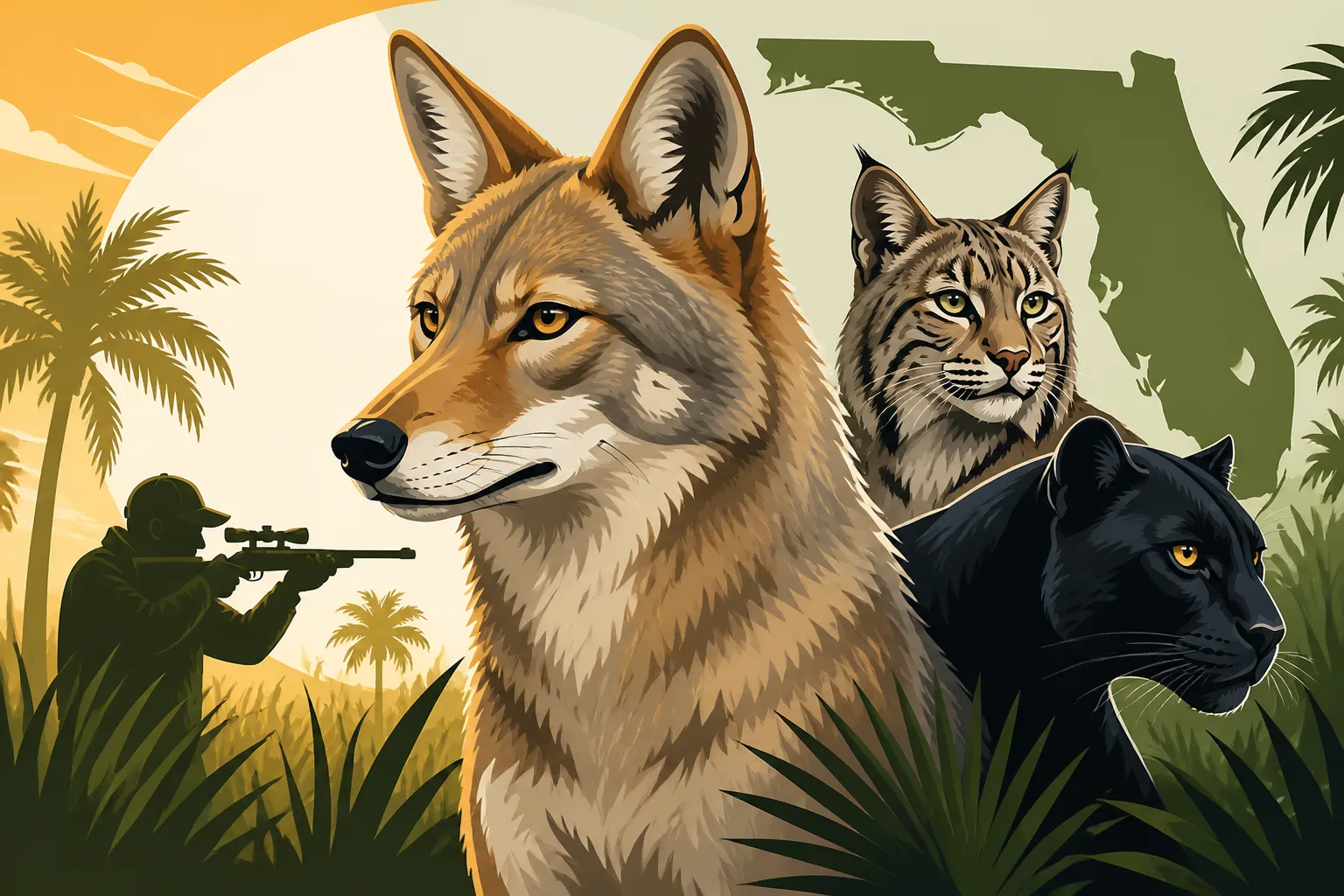
Coyotes and Predators in Florida
The presence of predators in Florida's wild spaces can be a real headache for hunters, landowners, and even folks just trying to protect their backyard chickens. It's tough to see game populations struggle, or to worry about livestock, and often the sheer adaptability of creatures like coyotes makes effective management feel like an uphill battle. This comprehensive guide will delve deep into Florida's primary predators, their impact on our cherished game species, and the most effective, legal, and ethical strategies for managing their populations.
Understanding Florida's Predator Landscape
Florida's wild heart beats to a complex rhythm, where the ebb and flow of prey animals are intrinsically linked to the presence and behavior of its predators. It's a dynamic system, constantly changing, and understanding these relationships is the first step toward effective wildlife management.
The Evolving Ecosystem of Florida
Our state is unique, a subtropical paradise with a mix of pine flatwoods, cypress swamps, vast marshes, and dense oak hammocks. This diverse habitat supports an equally diverse array of wildlife, from the smallest marsh rabbits to the largest whitetail deer. However, this ecosystem isn't static. Over the last century, human development, habitat fragmentation, and the introduction of new species have significantly altered the balance. For instance, the expansion of suburban areas has pushed some native predators into closer contact with humans, while creating new niches for adaptable species to thrive. Historically, Florida's top predators were bobcats and, in specific areas, Florida panthers, but the landscape has broadened considerably.
Furthermore, changes in land use, such as extensive timber harvesting or agricultural practices, can create ideal conditions for certain prey species, which in turn attracts predators. When you see a sudden influx of small game, you can almost guarantee that coyotes and bobcats won't be far behind. It’s a constant dance, and understanding the evolving nature of Florida's wild spaces is key to making sense of where and why predators are prevalent.
Distinguishing Native and Non-Native Predators
When we talk about Florida predators, it's important to differentiate between those that have always been part of the natural order and those that have established themselves more recently. Native predators, like the bobcat, the river otter, and various birds of prey, have evolved alongside their prey for millennia. They play a crucial role in maintaining ecosystem health, often culling weak or sick animals and preventing overpopulation. Their populations are generally self-regulating, balancing with available prey resources. For a deeper dive into many of these populations, you might want to read our article on Florida's Recovering Bobcat Population.
Then we have the non-native, or at least recently established, predators. The most prominent example is the coyote. While not truly "introduced" by humans in the same way as, say, invasive pythons, coyotes have expanded their range across the continental U.S. over the last century, effectively colonizing Florida by the 1980s. They filled an ecological niche left by the near extirpation of the Florida panther and the red wolf. Their arrival has had a significant impact on existing predator-prey dynamics, often adding another layer of pressure on game species that weren't historically adapted to their presence. Understanding this distinction helps us approach management strategies with the right perspective—conservation for natives, and often control for non-natives.
Florida's Predator Hotspots and Habitat
Predators, like all wildlife, are drawn to specific habitats that provide food, water, and cover. In Florida, this means you'll find different predator concentrations depending on the landscape. For example, extensive pine flatwoods and palmetto scrub, common in areas like the Ocala National Forest or some of our larger Wildlife Management Areas (WMAs), offer excellent cover for coyotes and bobcats, allowing them to stalk prey effectively. These open, yet dense, environments make it challenging for prey to detect them until it's too late.
River bottoms and cypress swamps are also prime locations, particularly for raccoons, opossums, and even bobcats. These areas provide abundant water, denning sites, and a consistent food supply of small mammals, birds, and amphibians. Agricultural lands, especially those bordering natural habitats, can become hotspots due to the concentration of easy prey, such as rodents and rabbits, and the occasional opportunity for livestock. Even suburban areas, with their abundance of trash, pet food, and easily accessible small game, can attract coyotes and foxes. Knowing these habitat preferences can be incredibly helpful for hunters and landowners trying to locate and manage predator populations, especially if you're using a mapping tool like GoHunt to scout public or private lands.
Coyotes: The Modern Apex Predator in Florida
Ask any deer or turkey hunter in Florida, and you'll quickly hear about coyotes. These adaptable canids have become a dominant force in our ecosystem, impacting everything from fawn recruitment to turkey poult survival. Their presence is undeniable, and understanding them is crucial for effective management.
The Arrival and Spread of Coyotes
It’s truly a remarkable story how coyotes (Canis latrans) colonized Florida. They weren't stocked here; instead, they expanded their range naturally from the western and midwestern states, pushing eastward as human development altered landscapes and eliminated their natural competitors, like wolves. By the 1980s, confirmed coyote sightings were becoming common across Florida, and by the turn of the millennium, they were firmly established in every single county.
This rapid expansion speaks volumes about their incredible adaptability. They can thrive in almost any environment, from dense wilderness to suburban neighborhoods. Florida's mild climate, abundant prey, and lack of historical large predator competition provided a perfect scenario for their proliferation. Today, the Florida Coyote Range and Density is widespread, making them a fixture in nearly every corner of the state, and a constant consideration for anyone involved in wildlife management or hunting. Their success story is a testament to their resilience, but it also presents significant challenges for native wildlife.
Coyote Behavior and Adaptability
What makes coyotes such formidable predators? It's their unparalleled intelligence and adaptability. They are highly opportunistic, capable of hunting alone or in small packs, depending on the prey. While they prefer smaller mammals like rabbits, rodents, and young deer, they will readily consume insects, fruits, carrion, and even domestic pets or livestock if the opportunity arises. This broad diet ensures their survival even when preferred prey is scarce.
Their social structure is also a factor. While often seen as solitary, coyotes typically live in family units or small packs, especially during the breeding season and when raising pups. This allows for cooperative hunting and defense of territory. They communicate through a complex array of howls, yips, and barks, which can be both eerie and informative if you know how to interpret them. Their nocturnal and crepuscular habits (most active at dawn and dusk) often make them difficult to detect, further contributing to their success. They learn quickly, avoid danger, and can rapidly adjust their behavior to human pressure, making them a continuous management challenge.
Assessing Coyote Impact on Deer and Turkey
The impact of coyotes on Florida's game populations, particularly white-tailed deer and wild turkeys, cannot be overstated. Research consistently shows that coyotes are significant predators of fawns and turkey poults. For deer, fawn recruitment—the number of fawns that survive to adulthood—can be severely suppressed by coyote predation, especially in areas with high coyote densities. This means fewer young deer make it to the breeding age, which can lead to declines in overall herd numbers or an aging buck-to-doe ratio. While adult deer are generally safe from coyotes, a pack can certainly take down an injured or very young adult.
For turkeys, coyotes are a major threat to nests and young poults. Turkey hens nest on the ground, making their eggs and newly hatched chicks highly vulnerable. A single coyote can wipe out an entire clutch of eggs or decimate a brood of poults in short order. This pressure, combined with other factors like habitat loss, contributes to concerns about Florida Turkey Population Trends. It's not uncommon for hunters to find evidence of coyote predation, like scattered feathers or fawn remains, in prime hunting areas. Understanding this impact is crucial for developing management strategies that aim to protect and enhance our game populations.
Other Significant Predators: Bobcats, Foxes, and Raccoons
While coyotes often steal the spotlight, Florida is home to several other important predators that also play vital roles in the ecosystem and can impact game species, particularly small game and ground-nesting birds.
Florida Bobcats: Elusive and Efficient Hunters
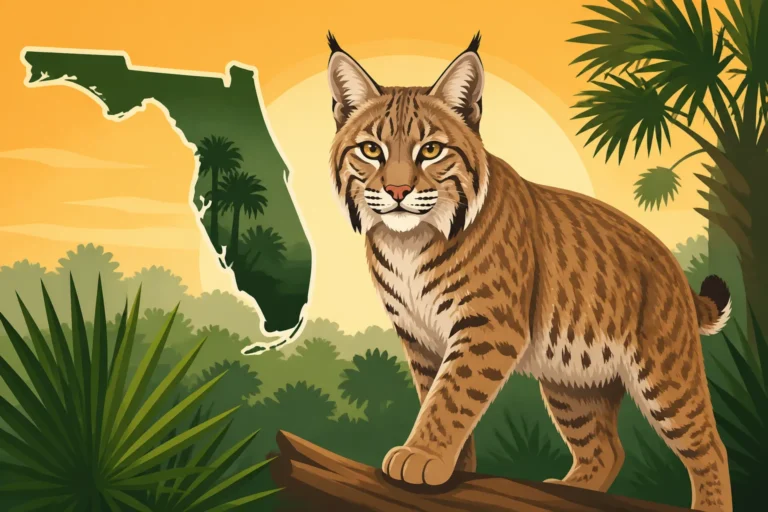
Bobcats (Lynx rufus floridanus) are Florida's native wild cats, and they are incredibly efficient predators. Smaller than their northern cousins, Florida bobcats are still formidable hunters, weighing typically between 15 and 30 pounds. They are largely solitary and nocturnal or crepuscular, making them elusive and difficult to observe. Their preferred habitats include dense thickets, palmetto hammocks, and cypress swamps, where they can find ample cover and prey.
Bobcats primarily feed on rabbits, rodents, and small birds, but they are also known to take young fawns and turkey poults when available. Their impact on game populations is generally less widespread than coyotes due to their more territorial and less prolific nature, but in localized areas, they can certainly contribute to predation pressure. Hunters often encounter bobcats incidentally while pursuing deer or turkeys, a fleeting glimpse of a beautiful and wild creature. Unlike coyotes, bobcats are a regulated furbearer in Florida, meaning there are specific seasons and limits for hunting and trapping them if you have the proper licenses, as outlined in our Florida Trapping License Requirements guide.
Foxes in Florida: Red and Gray Dynamics
Florida is home to two species of foxes: the native gray fox (Urocyon cinereoargenteus) and the less common, often non-native, red fox (Vulpes vulpes). Both are smaller than coyotes and bobcats, typically weighing between 7-15 pounds, but they are still effective predators of small game.
- Gray Foxes: These are truly arboreal foxes, meaning they can climb trees, a unique trait among canids. They prefer wooded habitats, dense scrub, and mixed forests. Their diet consists mainly of rabbits, rodents, birds, insects, and fruits. They are generally shy and mostly nocturnal. While not typically a threat to adult deer, they will readily take turkey eggs and poults, as well as young fawns if given the chance, especially during the nesting and fawning seasons. They contribute significantly to the predation pressure on small game animals like rabbits and squirrels in the local areas they inhabit.
- Red Foxes: While more common in northern states, red foxes have established populations in parts of Florida, particularly in more open, agricultural areas or suburban fringes. They are identifiable by their reddish-orange fur, white-tipped tail, and black "stockings" on their legs. Their diet is similar to the gray fox, focusing on small mammals and birds. They are notoriously clever and can be particularly troublesome for poultry farmers. Both fox species, like coyotes, require active management through hunting or trapping if their populations become problematic for specific game species or livestock.
Raccoons and Opossums: Opportunistic Egg Thieves
While not often thought of in the same predatory light as coyotes or bobcats, raccoons (Procyon lotor) and opossums (Didelphis virginiana) are incredibly significant predators, especially when it comes to ground-nesting birds and their nests. These highly opportunistic omnivores are abundant across Florida, thriving in almost every habitat type, including urban environments.
Raccoons, with their dexterous paws and keen sense of smell, are notorious nest robbers. They will systematically search for and devour the eggs and even young of ground-nesting birds like turkeys, quail, and ducks. During turkey nesting season, a single raccoon can destroy multiple nests. Opossums, while perhaps less agile, are equally persistent. They will scavenge anything edible and are also highly effective at finding and consuming eggs and young birds. Their combined impact on turkey and quail recruitment can be substantial, often equaling or even exceeding the impact of larger predators in certain areas. Managing these smaller, but no less impactful, predators is a key component of any comprehensive game management plan.
Impact of Predators on Florida's Game Species
The intricate dance between predators and prey is fundamental to any ecosystem. However, when predator populations surge or new predators arrive, the balance can shift, leading to noticeable impacts on cherished game species like deer and turkeys.
Predation on Fawns and Turkey Poults
One of the most concerning impacts of predators in Florida is the intense pressure placed on the youngest and most vulnerable game animals: deer fawns and turkey poults. Newly born fawns are particularly susceptible during their first few weeks of life, when they spend much of their time bedded down, relying on camouflage and remaining motionless. Coyotes, bobcats, and even black bears (especially in their range) actively hunt these defenseless newborns. Studies have shown that fawn survival rates can be drastically reduced in areas with high coyote densities, sometimes by 50% or more, even impacting the Florida Deer Population Estimate in localized areas. This isn't just about individual fawns; it directly affects the future health and growth of the entire deer herd.
Similarly, turkey poults are incredibly vulnerable immediately after hatching. They are small, flightless, and dependent on their mother for protection. Predators like coyotes, bobcats, raccoons, and even large birds of prey like great horned owls, can decimate a turkey brood in a matter of days. Hens typically lose a significant percentage of their poults to predation before they are old enough to fly and roost in trees. This predation pressure is a primary factor limiting turkey population growth and is a major concern for hunters and wildlife managers aiming to increase Florida Turkey Population Trends. Understanding these critical periods of vulnerability allows for targeted management efforts.
Impact on Small Game and Ground-Nesting Birds
It's not just the big game that feels the pressure. Smaller game animals and ground-nesting birds are also significantly impacted by Florida's diverse predator community. Rabbits, a staple food source for many predators, can see their populations fluctuate dramatically based on predator numbers. While rabbits are prolific breeders, sustained high predation can certainly suppress local populations, making them harder for small game hunters to find.
Quail populations, which are already struggling in many parts of Florida due to habitat loss, face immense pressure from virtually every predator on our list. Raccoons, opossums, foxes, coyotes, and bobcats all readily prey on quail eggs, chicks, and even adult birds. A ground nest is an easy target for a hungry predator, and the cumulative effect can be devastating for a species like the bobwhite. Similarly, ducks and other waterfowl that nest on the ground or in low vegetation are vulnerable to raccoons and other opportunistic predators, particularly in marshy areas or near farm ponds. Addressing this widespread predation is a complex but necessary part of habitat restoration and game management efforts for species like quail.
Predator Influence on Deer Herd Dynamics
Beyond direct fawn mortality, the presence of predators, especially coyotes, can influence the overall dynamics of a deer herd in more subtle ways. When predation pressure is high, does might alter their fawning patterns, sometimes giving birth in denser cover or in locations they perceive as safer, which can change deer distribution across a property. Over time, consistent heavy predation can lead to a skewed age structure in the deer herd, with fewer young deer surviving and potentially an older average age for bucks and does.
This can impact hunter success rates, as fewer younger animals are available for harvest. It can also lead to changes in sex ratios, though this is often more influenced by harvest management than by predation. Some theories suggest that chronic high predation pressure might even lead to a behavioral "hard-wiring" in deer, making them more wary and difficult to hunt. Ultimately, understanding how predators are shaping your local deer herd dynamics is critical for setting appropriate harvest goals and implementing effective habitat and predator management strategies. For example, if fawn recruitment is low due to predators, a landowner might consider reducing doe harvest for a few years while actively managing coyotes.
Legal and Ethical Predator Management in Florida
Managing predator populations in Florida is a nuanced issue, balancing ecological considerations with the practical needs of landowners and hunters. It’s critical to understand the legal framework and embrace ethical practices to ensure responsible management.
Florida's Regulations for Predator Hunting
Hunting predators in Florida is subject to specific regulations, and it's essential to be familiar with them to stay on the right side of the law. For species like coyotes, Florida considers them an unprotected species, meaning there is generally no closed season or bag limit on private lands, and they can be hunted year-round. This offers significant flexibility for landowners and hunters wishing to control their numbers. On public lands, however, rules can vary. Wildlife Management Areas (WMAs) often have specific seasons and restrictions for predator hunting that align with other hunting seasons, and some may require a WMA permit. Always check the specific regulations for the WMA you plan to hunt. A tool like GoHunt can be invaluable for pinpointing specific WMA rules and boundaries. Our guide on Small Game and Predator Hunting in Florida offers more general advice, but local rules are paramount.
For other predators, like bobcats and foxes, they are considered furbearers and are managed with specific hunting and trapping seasons, often with bag limits. It's crucial to consult the Florida Fish and Wildlife Conservation Commission (FWC) regulations each year for the most up-to-date information. Generally, a valid Florida hunting license is required, and for many migratory birds, additional federal duck stamps and HIP certification are necessary. It's also important to be aware of local ordinances regarding firearm discharge, especially near residential areas. Knowing the rules ensures your management efforts are both effective and legal.
Considering Trapping as a Management Tool
Trapping is an incredibly effective tool for managing predator populations, especially when dealing with specific nuisance animals or when hunting alone isn't sufficient to reduce numbers. For persistent coyotes or raccoons causing problems with game, poultry, or livestock, trapping can provide a targeted solution. In Florida, trapping furbearers like bobcats, otters, and foxes requires a specific Florida Trapping License. However, coyotes, raccoons, and opossums are often classified as nuisance wildlife, and trapping them may fall under different regulations, especially on private land. Always consult FWC regulations regarding specific trap types, setback distances from roads or dwellings, and reporting requirements.
There are various types of traps, including live traps (cage traps), foothold traps, and conibear traps, each suited for different situations and species. Ethical trapping emphasizes humane capture and dispatch, and proper training is highly recommended. Many state wildlife agencies and private organizations offer trapping workshops that cover best practices, animal handling, and legal compliance. Using trapping responsibly can be a powerful component of an integrated predator management plan, particularly for reducing localized pressure on game species or protecting agricultural interests. You can learn more about general trapping advice in our article on Trapping Florida Furbearers.
Best Practices for Responsible Predator Control
Responsible predator control goes beyond simply adhering to laws; it involves a commitment to ethical and effective practices that respect wildlife and ensure public safety. Here are some key best practices:
- Targeted Approach: Focus your efforts on specific problem predators or areas where game populations are being negatively impacted, rather than indiscriminate removal.
- Knowledge and Skill: Invest in learning about predator behavior, signs, and effective hunting and trapping techniques. This could include taking a hunter education course (Florida Hunter Education Requirements) or a trapping seminar.
- Safety First: Always prioritize safety for yourself, other people, and domestic animals. Be acutely aware of your surroundings, backstops for shots, and the placement of traps to avoid non-target captures.
- Ethical Dispatch: If trapping, be prepared for humane dispatch of captured animals. For hunting, strive for clean, quick kills.
- Carcass Management: Properly dispose of carcasses to prevent the spread of disease and avoid attracting more predators.
- Data Collection: Keep records of your efforts—how many predators removed, where, and when. This data can help you assess the effectiveness of your efforts and inform future strategies.
- Habitat Management: Remember that predator control is often most effective when combined with good habitat management. Healthy, well-managed habitat provides better cover and food for prey, making them more resilient to predation.
By adhering to these best practices, we ensure that predator control in Florida is conducted responsibly and contributes positively to overall wildlife management goals.
Tools and Tactics for Predator Hunting and Trapping
Successfully managing predators, especially cunning ones like coyotes, requires the right tools and a solid understanding of effective tactics. From calling them in to setting traps, there are many approaches to consider.
Calling Strategies for Coyotes and Bobcats
Calling predators is an exciting and effective way to manage their populations, offering a direct interaction that tests a hunter's skill and patience. The key is to mimic the sounds that predators find irresistible.
- Distress Calls: These are perhaps the most common and effective. Think about the sound of a rabbit, fawn, or bird in distress. Electronic callers like those from Foxpro or handheld reeds can reproduce these sounds with remarkable realism. Coyotes and bobcats are drawn to these calls, interpreting them as an easy meal or an opportunity to eliminate a competitor. Varying the call volume and cadence can make a huge difference, especially in Florida's diverse terrain.
- Pup Distress Calls: During late spring and summer, mimicking the distress of a coyote pup can be extremely effective, drawing in protective adult coyotes.
- Howling: Coyote howls can be used for locating animals or challenging dominant individuals. Soft howls can draw in curious coyotes, while aggressive challenge howls can provoke territorial responses. Knowing when to howl and when to switch to distress calls is an art form.
- Decoys: Visual aids can enhance calling success. A simple motion decoy, like a piece of fur on a spinning motor, can draw a predator's attention away from the hunter and closer into shooting range, especially when paired with an audio call.
- Location and Wind: Always position yourself downwind of where you expect the predator to approach. Coyotes and bobcats have incredible senses of smell, and a whiff of human scent will send them packing. Choose a calling stand that offers good visibility and a clear shooting lane, such as a field edge or a clearing within a palmetto head. Our article on Coyote Calling Florida Ranch Land provides specific insights for these settings. Success often hinges on being patient, staying concealed, and mastering the art of the call sequence.
Night Hunting and Thermal Optics for Control
Night hunting, particularly for coyotes, has become an increasingly popular and effective method for control, especially with advancements in technology. Florida allows night hunting for coyotes on private lands, but it's crucial to check local ordinances and FWC regulations regarding specific weapon types, lighting restrictions, and any required permits. Always be aware of your surroundings and ensure a safe backstop. For specifics, consult Night Hunting Rules for Florida Coyotes.
- Thermal Optics: Thermal imaging scopes and binoculars have revolutionized night hunting. They detect heat signatures, making it possible to spot coyotes, hogs, and other nocturnal animals in complete darkness, even when they're concealed by brush. While a significant investment, thermal optics provide an unparalleled advantage.
- Night Vision: Less expensive than thermal, night vision devices amplify ambient light, allowing you to see in low-light conditions. They can be very effective, though they don't perform as well in absolute darkness or dense fog as thermal units.
- Red or Green Lights: Many hunters use powerful red or green lights mounted on their firearms. These colors are less disruptive to a predator's vision than white light, allowing for target acquisition. However, predators can still become wary of consistent light use.
- Safety and Ethics: When hunting at night, safety is paramount. Always positively identify your target before shooting. Be certain of your background, especially if hunting near populated areas. Hunt with a partner for added safety and to help spot animals. Ethical night hunting involves the same respect for wildlife as daytime hunting—striving for clean kills and responsible practices.
Effective Trapping Methods for Nuisance Predators
Trapping, when done correctly, is a highly effective and targeted method for removing nuisance predators. It allows for continuous control over a period and can target specific animals causing problems.
- Location, Location, Location: The success of trapping hinges on placing traps in high-traffic areas where predators regularly travel. Look for pinch points, game trails, fencelines, creek crossings, or near den sites. Utilizing a mapping application like GoHunt can help you identify these natural funnels and travel corridors on your property.
- Bait and Lure: Attracting predators to your traps requires enticing bait and lures. Meat scraps, fish, commercial trapping lures (which often contain glands and urine from other predators), and even sweet treats like marshmallows for raccoons, can be effective. Rotate baits to keep animals interested.
- Trap Types:
- Live Traps (Cage Traps): Excellent for raccoons, opossums, and sometimes foxes. They allow for the release of non-target animals, which is crucial for ethical trapping. Check these traps frequently.
- Foothold Traps: Highly effective for coyotes and bobcats. These traps hold an animal by the foot, and modern versions are designed to be humane, minimizing injury. Proper setting and concealment are critical for success. Always check foothold traps daily.
- Conibear/Body-Grip Traps: Primarily used for raccoons and opossums, these traps are designed for a quick, humane kill. They are often placed in culverts, buckets, or cubbies to prevent non-target captures. Extreme caution must be exercised with these traps due to their power.
- Scent Control and Blending: Predators have an incredible sense of smell. Wear gloves, use clean tools, and rub traps down with natural scents (like pine needles or dirt) to minimize human odor. Blend your traps into the natural environment to avoid alerting wary animals.
- Regular Checks: All traps, especially foothold and conibear types, must be checked frequently (ideally daily) to ensure humane treatment of captured animals and to minimize suffering. This is often a legal requirement.
- Training: If you're new to trapping, seek guidance from experienced trappers or attend workshops. Proper technique is essential for humane and effective trapping. For more detailed information, our guide on Florida Trapping License Requirements can clarify the necessary steps.
Wildlife Conservation and Coexistence
While predator management is a necessary component of responsible wildlife stewardship, it’s equally important to consider the broader picture of conservation and how we can coexist with Florida's diverse wildlife.
The Role of Predators in a Healthy Ecosystem
It's easy to view predators solely as a threat to game species, but it's crucial to remember their indispensable role in maintaining a healthy, balanced ecosystem. Native predators like bobcats, otters, and raptors are vital components of the food web. They help regulate prey populations, preventing overpopulation that could lead to habitat degradation and widespread disease. For example, by culling weak, sick, or old animals, predators contribute to the overall health and genetic vigor of prey species. This natural selection helps ensure that the strongest and most adaptable individuals survive and reproduce.
Furthermore, predators can help control populations of smaller, nuisance animals like rodents, which can carry diseases and cause agricultural damage. While coyotes are non-native, they have filled a niche left by larger historical predators, contributing to certain aspects of ecosystem function. A truly healthy and resilient ecosystem needs its full complement of species, including predators, to function optimally. Our goal should always be a balanced approach: managing problem predators where necessary, but also appreciating the ecological services they provide.
Minimizing Human-Predator Conflicts
Living in a state as wild as Florida means that conflicts between humans and predators are inevitable, whether you're a hunter, a homeowner, or a rancher. Minimizing these conflicts is a key aspect of coexistence.
- Secure Food Sources: For homeowners, this means securing trash cans, bringing pet food indoors, and never intentionally feeding wildlife. For livestock owners, ensuring secure fencing and bringing smaller animals into predator-proof enclosures at night is critical.
- Protect Pets: Keep cats indoors and supervise dogs, especially in rural or wild-adjacent areas. Coyotes and bobcats view pets as potential prey or competition.
- Hazing: If a predator becomes too comfortable around human habitation, hazing techniques (making loud noises, waving arms, throwing small objects) can help instill a fear of humans.
- Education: Understanding predator behavior is powerful. Knowing that coyotes are more active at dawn and dusk, or that a bobcat might be attracted to a rabbit hutch, allows you to take proactive steps to prevent conflicts.
- Habitat Modifications: For landowners and hunters, strategic habitat management can create areas where game species feel safer and where predators might be less inclined to linger. This could include denser cover for fawns or poults, or clearing brush lines near human structures.
- Reporting: If you encounter an aggressive or excessively bold predator that poses a threat to humans, report it to the Florida Fish and Wildlife Conservation Commission (FWC). They can assess the situation and intervene if necessary.
By taking these preventative measures, we can reduce the likelihood of negative interactions and foster a more harmonious coexistence with our wild neighbors.
Supporting Florida's Wildlife Management Efforts
The FWC plays a vital role in managing Florida's diverse wildlife, including both game species and predators. Their work relies on sound science, public input, and the cooperation of hunters and conservationists alike.
- Licenses and Permits: Purchasing hunting and trapping licenses directly funds wildlife conservation efforts. These funds support habitat restoration, research, law enforcement, and population monitoring programs that benefit all wildlife, including the game animals we pursue and the predators that share their habitats. You can learn more about costs in Florida Hunting Licenses and What They Cost.
- Reporting Harvests: Accurately reporting deer and turkey harvests, as required by FWC, provides crucial data for biologists to assess population trends and make informed management decisions.
- Participating in Surveys: Occasionally, FWC might conduct surveys or request public input on specific wildlife issues. Participating in these opportunities is a way to have your voice heard and contribute to the decision-making process.
- Habitat Conservation: Supporting land conservation initiatives and practicing good habitat stewardship on private lands indirectly benefits predator management by creating more resilient ecosystems. Healthy habitats are less prone to imbalances caused by burgeoning predator populations.
- Volunteer Efforts: Many organizations and WMAs offer volunteer opportunities in habitat work or wildlife monitoring. Engaging in these activities helps on the ground and connects you with the broader conservation community.
By actively supporting FWC and other conservation groups, we ensure that Florida's wildlife, both predator and prey, continues to thrive for future generations.
Disclaimer
The information provided in this guide is for informational purposes only and is not a substitute for professional advice. Hunting and trapping regulations change frequently. Always consult the latest Florida Fish and Wildlife Conservation Commission (FWC) rules and local ordinances before engaging in any hunting or trapping activities. Safety should always be your top priority.