Which Florida Counties Have the Most Hogs
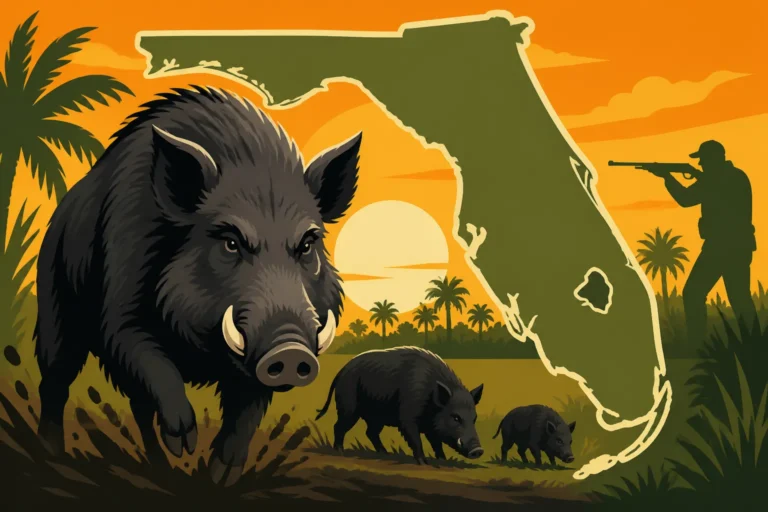
If you've ever driven through rural Florida, you know that feral hogs are a ubiquitous, often destructive, presence. They tear up fields, spread disease, and compete with native wildlife, making them a year-round challenge and an exciting opportunity for hunters. But if you're looking to consistently find hogs, you need to know where they concentrate, and pinpointing those high-density areas often comes down to understanding the landscape at a county level. This guide will dive deep into which Florida counties consistently boast the highest hog populations, helping you narrow down your search and increase your chances of a successful hunt.
Understanding Feral Hog Distribution in Florida
Feral hogs are incredibly adaptable, a big reason why they thrive across such a diverse state as Florida. From the pine flatwoods of the Panhandle to the sprawling wetlands of South Florida, these animals have made themselves at home. However, "thriving" doesn't mean "evenly distributed." Their numbers explode in areas that provide a perfect trifecta of food, water, and cover, which isn't always uniform from one county to the next.
Why Hogs Are So Widespread
Florida's mild climate and abundant natural resources are a paradise for wild hogs. Unlike colder climates where harsh winters can thin their numbers, Florida offers a year-round growing season for plants they forage on, and freezing temperatures are rare. This means sows can farrow multiple litters throughout the year, leading to rapid population growth. How Many Feral Hogs Florida Has is a staggering number, and it speaks to their incredible reproductive success here. They don't have many natural predators either, especially once they reach a decent size, so their populations largely go unchecked by anything other than human intervention.
General Patterns of Hog Activity
Hogs aren't picky eaters, but they do prefer certain environments. They love areas with access to water – cypress swamps, creek bottoms, and marshy edges are prime real estate. They also gravitate towards agricultural lands, where crops like corn, peanuts, and even citrus provide an irresistible buffet. Dense cover, such as palmetto thickets, dense oak hammocks, and overgrown fencerows, gives them places to bed down, escape the heat, and raise their young without disturbance. These elements, when present together, create ideal hog habitat, and the counties that contain a large proportion of these features are often hog heaven.
Key Factors Driving High Hog Populations
Identifying the counties with the most hogs isn't just about looking at a map; it's about understanding the ecological recipe that allows these animals to flourish. Several key factors combine to create these high-density pockets, and recognizing them will serve you well in your scouting efforts.
Agricultural Intensity
It's no secret that hogs love a good meal, and nothing provides a more consistent, high-calorie food source than agriculture. Counties with extensive farming operations, particularly those growing row crops like corn, soybeans, peanuts, or even root crops like potatoes and sweet potatoes, often host massive hog populations. These fields offer easy pickings, and the hogs will often reside in nearby woods, sloughs, or swamps, only venturing out under the cover of darkness to feed. The sheer abundance of food supports larger sounders and higher overall densities.
Wetland and Water Body Abundance
Water is another critical element for hogs, especially in Florida's warm climate. They need water to drink, to cool off by wallowing in mud, and often as a source of food like tubers, roots, and aquatic invertebrates. Counties crisscrossed by numerous rivers, large lakes, extensive swamps (like cypress or tupelo gum swamps), or vast marsh systems will invariably have higher hog numbers. These areas provide not only sustenance but also excellent escape cover and thermal regulation, keeping the hogs cool in summer and offering refuge during hunting pressure. Hunting Florida Cypress Swamp Edges can be incredibly productive for hogs due to this very reason.
Forested Cover and Diverse Habitat
While open fields provide food, hogs rely heavily on dense cover for safety and bedding. Counties with large tracts of undeveloped land, especially those featuring a mix of pine flatwoods, oak hammocks, palmetto scrub, and swampy areas, are prime hog territory. These diverse habitats provide a mosaic of resources: acorns from oaks, roots from palmettos, and security from dense thickets. The more fragmented the landscape, with small agricultural plots surrounded by dense woods, the more movement and interaction you'll see from hog populations, leading to localized concentrations. Using tools like GoHunt's mapping features to identify these habitat transitions can be incredibly effective.
Top Florida Counties for Hog Density
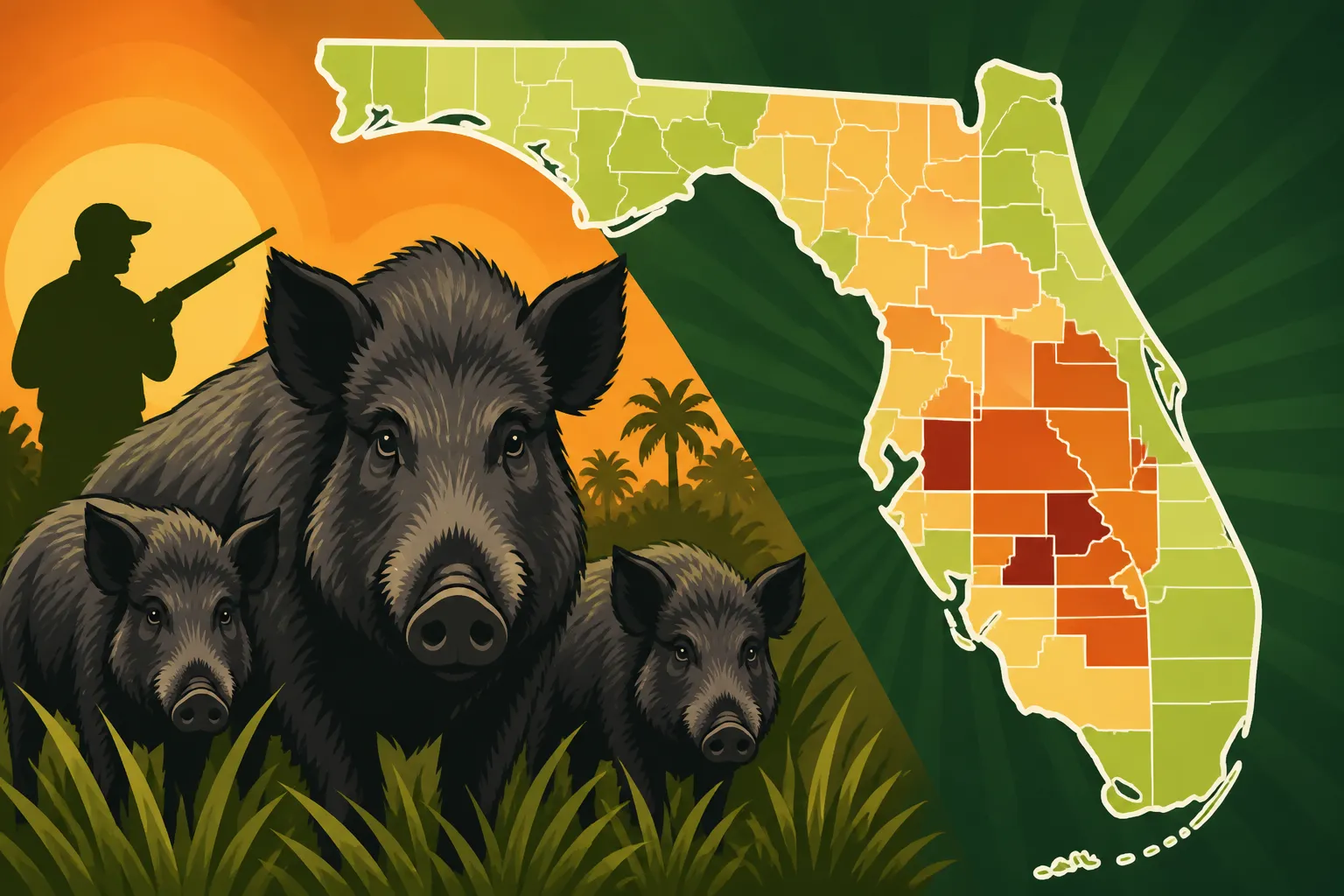
While hogs are virtually everywhere in Florida, some counties stand out as consistent hotspots for high populations. These areas often combine the favorable factors of agriculture, water, and dense cover in significant proportions.
North Florida Hog Havens
In North Florida, particularly the Panhandle, counties like Jackson, Calhoun, Gadsden, and Washington are often cited for their abundant hog populations. These counties feature a strong agricultural presence, particularly corn and peanut fields, interspersed with large tracts of timber and expansive river systems like the Apalachicola and Chipola.
- Jackson County: Known for its fertile agricultural lands and the Chipola River, Jackson County offers hogs both abundant food and excellent cover. Hunters often find success targeting hogs along creek bottoms leading to agricultural fields or within the dense swamps bordering the rivers.
- Calhoun County: Similarly, Calhoun County, with its mix of farming and riverine habitat, is a hotspot. The swamps and thickets along the Apalachicola River provide ideal bedding and escape routes, while surrounding fields offer consistent forage.
- Gadsden County: Situated in the heart of Florida's tobacco and agricultural belt, Gadsden County provides a smorgasbord for hogs. The combination of thick pine plantations and hardwood bottoms, coupled with extensive farming, keeps hog numbers high.
Central and South Florida Hotspots
Moving south, counties with significant wetland systems and agricultural operations also show consistently high hog densities. Osceola, Okeechobee, Polk, and Collier often come up in discussions about prime hog hunting.
- Osceola County: Home to vast ranchlands and the headwaters of the Everglades, Osceola County presents a different type of hog habitat. Large tracts of undeveloped land, interspersed with cattle operations and scattered wetlands, mean hogs have plenty of room to roam and abundant food sources.
- Okeechobee County: Bordering Lake Okeechobee, this county is synonymous with ranching and agriculture. The sheer scale of the cattle operations means plenty of forage, and the marshy edges of the lake and its feeder canals offer crucial water and cover. You'll often find hogs rooting up pastures or hiding in the dense cover along ditches and canals.
- Polk County: While more developed in some areas, Polk County still boasts extensive citrus groves, ranchland, and numerous lakes and wetlands. The hogs here often thrive in the dense cover surrounding these water bodies and venture into the groves, causing significant damage.
- Collier County: Deep in Southwest Florida, Collier County includes vast portions of the Everglades and Big Cypress Swamp. This incredibly wild landscape, with its cypress sloughs, palmetto prairies, and hammocks, supports immense hog populations. While access can be challenging, these remote areas are some of the best for finding truly wild hogs. Hunting the Everglades and Big Cypress is a prime example of where these hogs thrive.
Here's a quick look at some key counties and their primary hog-attracting features:
| County Name | Primary Attractor(s) | Key Features for Hogs |
|---|---|---|
| Jackson | Agriculture, Rivers | Corn/peanut fields, Chipola River swamps, hardwood bottoms |
| Calhoun | Agriculture, Rivers | Crop fields, Apalachicola River floodplain, dense bottomlands |
| Gadsden | Agriculture, Timber | Extensive row crops, pine plantations, creek drainages |
| Osceola | Ranchland, Wetlands | Large cattle ranches, prairie, scattered wetlands |
| Okeechobee | Ranchland, Lake Edge | Pastures, Lake Okeechobee marshes, dense canal banks |
| Polk | Citrus, Lakes, Wetlands | Citrus groves, numerous lakes, dense wetland fringes |
| Collier | Extensive Wetlands, Swamps | Everglades, Big Cypress, cypress sloughs, palmetto prairie |
| Levy | Agriculture, Coastal Marsh | Row crops, coastal swamps, WMA land, river floodplains |
| Suwannee | Agriculture, River | Farming, Suwannee River bottoms, mixed hardwoods |
Pinpointing Hog Hotspots Beyond County Lines
Knowing which counties are generally good for hogs is a fantastic starting point, but hogs are mobile, and their movements are often dictated by immediate food sources and pressure. To truly find the hogs, you need to think smaller scale.
Utilizing Topographic and Aerial Maps
Once you've identified a promising county, the real work begins with scouting, and that starts on a map. Look for the convergence of those key factors we discussed: water, dense cover, and potential food sources. Aerial photography, easily accessible through tools like GoHunt or other digital mapping platforms, can reveal hidden swamps, remote oak hammocks, and even subtle changes in vegetation that indicate hog activity. Look for pinch points where different habitat types meet, or areas where thick cover extends close to agricultural fields. Reading Aerial Photos for Florida Deer can be directly applied to locating hog concentrations as well.
Focus on Water Sources and Travel Corridors
Hogs will almost always be near a reliable water source, especially during the hotter months. Follow creek drainages, identify areas with standing water, or even look for small, isolated ponds within dense cover. These waterways often double as natural travel corridors, funneling hogs between bedding areas and feeding grounds. You might find hogs moving along a cypress edge next to a field, or using a dry creek bed as a highway through thick woods. Fresh tracks and rooting in these areas are unmistakable signs. Hunting a Cypress Head at Last Light is often a perfect scenario for catching hogs moving to feed.
Scouting for Fresh Sign on the Ground
There's no substitute for boots on the ground. Once you've identified potential hotspots on your map, go in and look for fresh hog sign. This includes:
- Rooting: Hogs use their powerful snouts to dig up roots, tubers, and invertebrates. Freshly disturbed earth is a huge indicator.
- Tracks: Look for distinct cloven hoof prints. Pay attention to their size and direction of travel.
- Wallows: Muddy depressions where hogs have cooled off are a sure sign of their presence.
- Rubs: Hogs will rub against trees, fence posts, or even power poles, often leaving mud and hair behind.
- Droppings: While less obvious than rooting, fresh scat can confirm their presence.
Remember, hogs are creatures of habit. If you find fresh sign, they're likely to be back. And with no closed season or bag limit on private lands, Hunting Hogs Without a Bag Limit means you can pursue them year-round. Public lands, however, often have specific regulations, so always check the WMA rules. For instance, Hunting Hogs on WMA Land in the Off-Season might have specific rules about weapons or hunting methods.
Disclaimer
This article is for general informational purposes only and does not constitute professional advice. Laws, prices and regulations vary by location and change over time. Consult a qualified professional for guidance on your specific situation.