Why Florida Treats Hogs as Unprotected
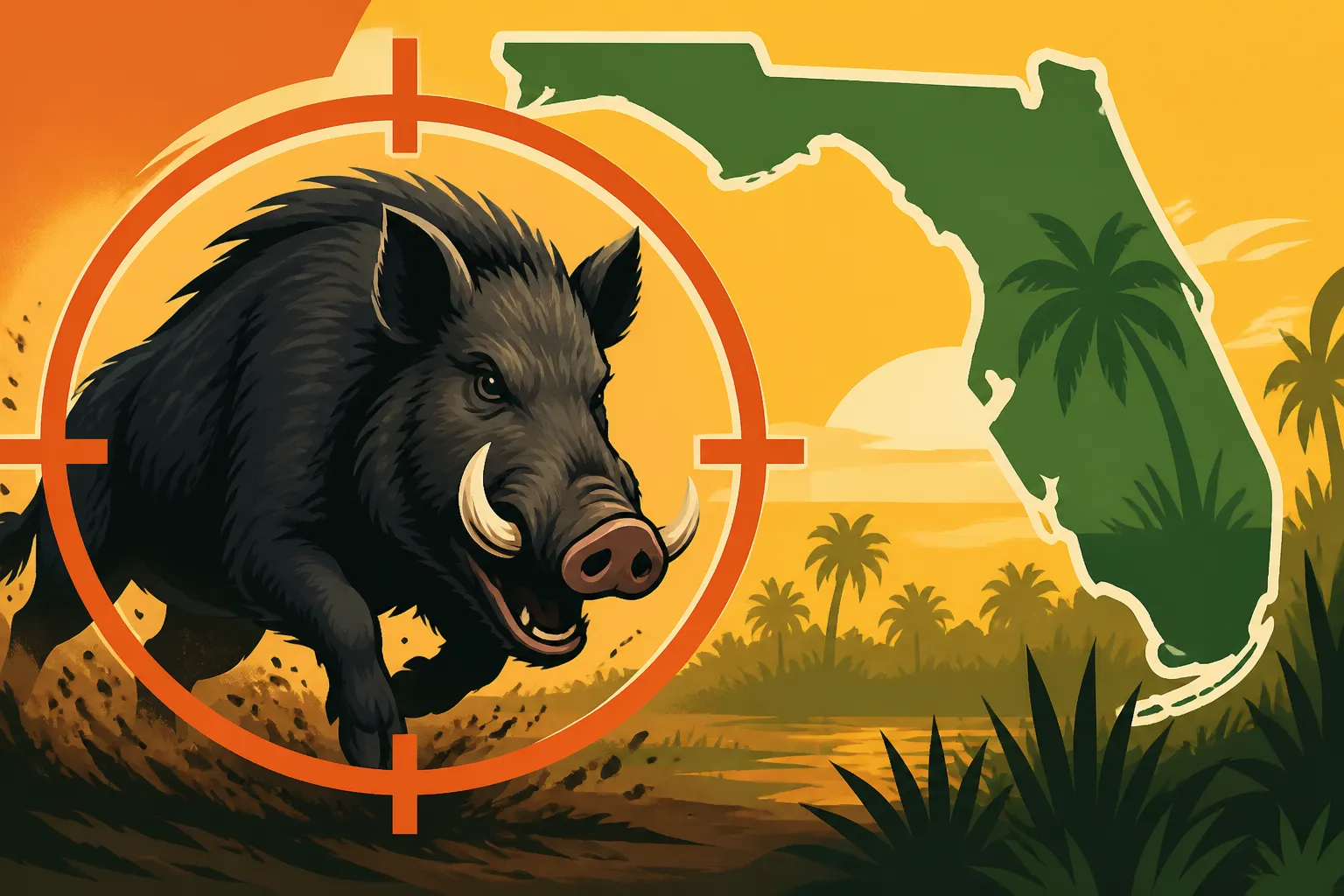
For many hunters, the idea of an "unprotected" game animal feels almost foreign, especially when we're so used to strict seasons, bag limits, and specific regulations for deer, turkey, and even alligator. But when it comes to feral hogs in Florida, this isn't just a quirk in the rulebook; it's a critical aspect of managing a pervasive problem that impacts our natural landscapes, agriculture, and even other native wildlife. This guide will dive deep into why Florida's approach to wild hogs is so different, what "unprotected" truly means for hunters and landowners, and how it shapes the unique challenges and opportunities that come with pursuing these intelligent, destructive creatures.
The Root of the Problem: Invasive Species Status
The designation of "unprotected" for feral hogs in Florida isn't a casual decision; it stems from their fundamental classification as an invasive species. Unlike native wildlife that is part of the ecological balance and requires careful management to thrive, wild hogs are considered detrimental to Florida's delicate ecosystems. Their presence causes widespread damage, and their populations reproduce at an alarming rate, making traditional game management strategies ineffective and even counterproductive.
A Brief History of Hogs in Florida
You might be surprised to learn that wild hogs aren't native to North America, let alone Florida. They were actually introduced by early European explorers, most notably Spanish settlers, as a food source back in the 1500s. Think about it: sailing across the ocean, you need a reliable food supply that can reproduce and forage on its own. Hogs fit the bill perfectly. Over centuries, these animals either escaped or were intentionally released, adapting remarkably well to Florida's diverse habitats, from the palmetto scrub of central Florida to the vast cypress swamps of the Everglades. Their resilience and adaptability allowed them to spread rapidly, establishing strongholds in nearly every corner of the state.
These aren't your typical farm pigs, though they share common ancestry. Generations of living in the wild have honed their survival instincts, making them tough, wary, and incredibly resourceful. They’ve developed thicker hides, longer snouts, and often impressive tusks, becoming truly wild animals distinct from their domestic cousins. Understanding this historical context helps to explain why they are treated so differently than, say, a white-tailed deer or an Osceola turkey, which have always been here and are integral to the native fauna. Their deep historical roots here are undeniable, but their status as introduced, rather than native, is the key.
The Ecological Impact of Feral Swine
The reason Florida, along with many other states, takes such a hard line on feral hogs is due to the absolutely devastating impact they have on the environment. These animals are true ecosystem engineers, but not in a good way. Their constant rooting and wallowing activity disrupts soil structure, destroys native plant communities, and contaminates water sources. Imagine a pristine hammock or a vital wetland being churned up by a sounder of hogs – the damage is immediate and often long-lasting. This rooting habit can wipe out sensitive native vegetation that other species rely on for food and cover, fundamentally changing the landscape.
Beyond habitat destruction, feral hogs are direct competitors with native wildlife for food sources. They’ll eat just about anything: acorns, palmetto berries, roots, fungi, eggs of ground-nesting birds, and even small reptiles and amphibians. This means less food available for deer, turkeys, squirrels, and other animals that are part of Florida's natural food web. They also prey on vulnerable fawns and turkey poults, adding another layer of pressure to already struggling native populations. Florida Hog Damage to Agriculture is another major concern, with farmers experiencing significant losses to their crops. The economic impact alone is staggering, let alone the immeasurable damage to natural resources.
Furthermore, wild hogs are vectors for numerous diseases that can spread to livestock, pets, and even humans. Diseases like pseudorabies, brucellosis, and leptospirosis are real threats that add to the urgency of managing these populations. This disease risk is a major reason why their populations are so aggressively targeted, as an outbreak could have serious consequences for Florida's agricultural industry and public health. All these factors combined paint a clear picture of why a species that offers some hunting opportunity is simultaneously considered a threat to be mitigated, rather than a resource to be carefully conserved.
Legal Implications of "Unprotected" Status
When a species is deemed "unprotected" in Florida, it's not just a fancy label; it comes with a distinct set of legal implications that dramatically change how hunters and landowners can interact with these animals. Essentially, it strips away many of the typical restrictions that govern the pursuit of game animals, turning the hunter into a participant in wildlife damage management rather than just a recreational harvester. This creates unique freedoms, but also responsibilities, for anyone engaging with feral hogs.
Year-Round Hunting and No Bag Limits
Perhaps the most significant consequence of the unprotected status is the ability to hunt feral hogs year-round, without any closed season. This is a game-changer for those who enjoy the pursuit of wild game, as it provides an opportunity to be in the woods even when deer or turkey seasons are long past. It means you don't have to wait for a specific date on the calendar; if you find hogs, you can pursue them. This is explicitly laid out in Florida's Year-Round Hog Hunting Rules.
Beyond the open season, there are no daily or seasonal bag limits for feral hogs. This means if you encounter a large sounder, and you have the means and desire, you could potentially harvest multiple animals in one outing. While most hunters aim for one or two for meat, the lack of a limit underscores the state's intent: reduce hog numbers. This freedom allows for more aggressive management efforts, particularly for landowners who are dealing with persistent hog issues. It’s a stark contrast to the stringent limits on deer, where even a bonus antlerless tag is a calculated management tool. The idea is simple: if you see a hog, you can remove it, regardless of the time of year or how many you've already taken. It's truly Hunting Hogs Without a Bag Limit.
Methods and Means for Hog Control
The "unprotected" status also extends to the methods and means allowed for taking feral hogs. While there are still some common-sense rules regarding safety and property, many of the restrictions found in traditional hunting regulations are relaxed. For instance, on private land, you can often hunt hogs at night, use artificial lights, or even employ specialized thermal or night vision equipment – tactics generally prohibited for deer and turkey. Night Hunting Hogs With Lights in Florida is a popular method that hunters use to capitalize on hogs' nocturnal habits.
Even the types of weapons allowed can be broader than for other species. While conventional firearms and archery gear are perfectly legal, other methods like trapping are also widely used and highly effective, especially for landowners looking to remove entire sounders. Trapping Feral Hogs on Florida Private Land is an incredibly efficient way to make a significant dent in local populations. The intent is to give people as many tools as possible to manage these animals. You can even use dogs to track and bay hogs, a method that is both traditional and highly effective in Florida's dense cover. Dog Hunting Hogs in Florida is a vibrant part of Florida's hog hunting culture. This flexibility allows for targeted and efficient removal strategies, reflecting the urgency of controlling their populations rather than simply managing them for sport.
The Hunter's Role in Management
Given the "unprotected" status and the ecological challenges posed by feral hogs, hunters in Florida play a crucial role beyond just recreation. They are, in essence, part of a statewide management effort, helping to mitigate the damage caused by these invasive animals. This dual role comes with both significant opportunities and important ethical considerations that every hunter should embrace.
Ethical Considerations for Hog Hunting
While the rules for hog hunting are more relaxed, it doesn't mean ethical considerations go out the window. Just because you can shoot every hog you see doesn't mean you should without thought. Responsible hunting practices are still paramount. This includes ensuring quick, humane kills, making every effort to recover harvested animals, and respecting private property and public land regulations. If you're on public land, many Wildlife Management Areas (WMAs) will still have specific rules, even for hogs, so always check the WMA regulations before you go. A great resource like GoHunt can help you navigate these specific WMA rules and overlay them on maps, ensuring you're always within legal boundaries.
Hunters should also consider the perception of hog hunting by the non-hunting public. Maintaining a high ethical standard helps to showcase hunters as responsible conservationists, even when dealing with an invasive species. This means taking good care of the meat, respecting the animals you harvest, and demonstrating safe hunting practices. While it's true that there's no legal requirement to remove a harvested hog from certain public lands, the ethical hunter will strive to utilize their harvest. Cooking a Wild Florida Hog provides an excellent way to make the most of your efforts.
Opportunities for Public and Private Land Hunters
The open season and liberal regulations create fantastic opportunities for hunters across Florida. For those who hunt public land, feral hogs can be found in many of Florida's Wildlife Management Areas, offering a chance to extend your hunting season well beyond the traditional deer or turkey dates. While general WMA permits are often required, Hunting Hogs on WMA Land in the Off-Season is a popular way to stay engaged and practice your skills. Using mapping tools like GoHunt can be incredibly helpful for scouting potential hog hotspots, identifying water sources, and understanding terrain features where hogs might concentrate, especially when navigating larger WMAs.
Private landowners, often plagued by hog damage, find immense relief in the ability to manage hogs aggressively. If you have permission on private land, you essentially have free rein to implement various control measures without worrying about seasons or bag limits. This is where methods like baiting become particularly effective. Baiting Hogs Legally in Florida on private property can draw in sounders, allowing for efficient removal. For non-residents, these liberal hog hunting rules can make Florida an attractive destination for an off-season hunting trip, often combined with other outdoor activities. Finding good private land access, either through personal connections or through a reputable outfitter, becomes a key to consistent success.
Whether you're a seasoned Floridian hunter or just visiting, understanding that feral hogs are treated as an unprotected, invasive species is crucial. It’s a unique situation that offers unparalleled hunting opportunities while serving a vital ecological purpose. So next time you're out in the Florida wilds, keep an eye out for those destructive, yet delicious, feral hogs – and remember, you're not just hunting, you're helping.
Disclaimer
This article is for general informational purposes only and does not constitute professional advice. Laws, prices and regulations vary by location and change over time. Consult a qualified professional for guidance on your specific situation.