Florida’s Recovering Bobcat Population
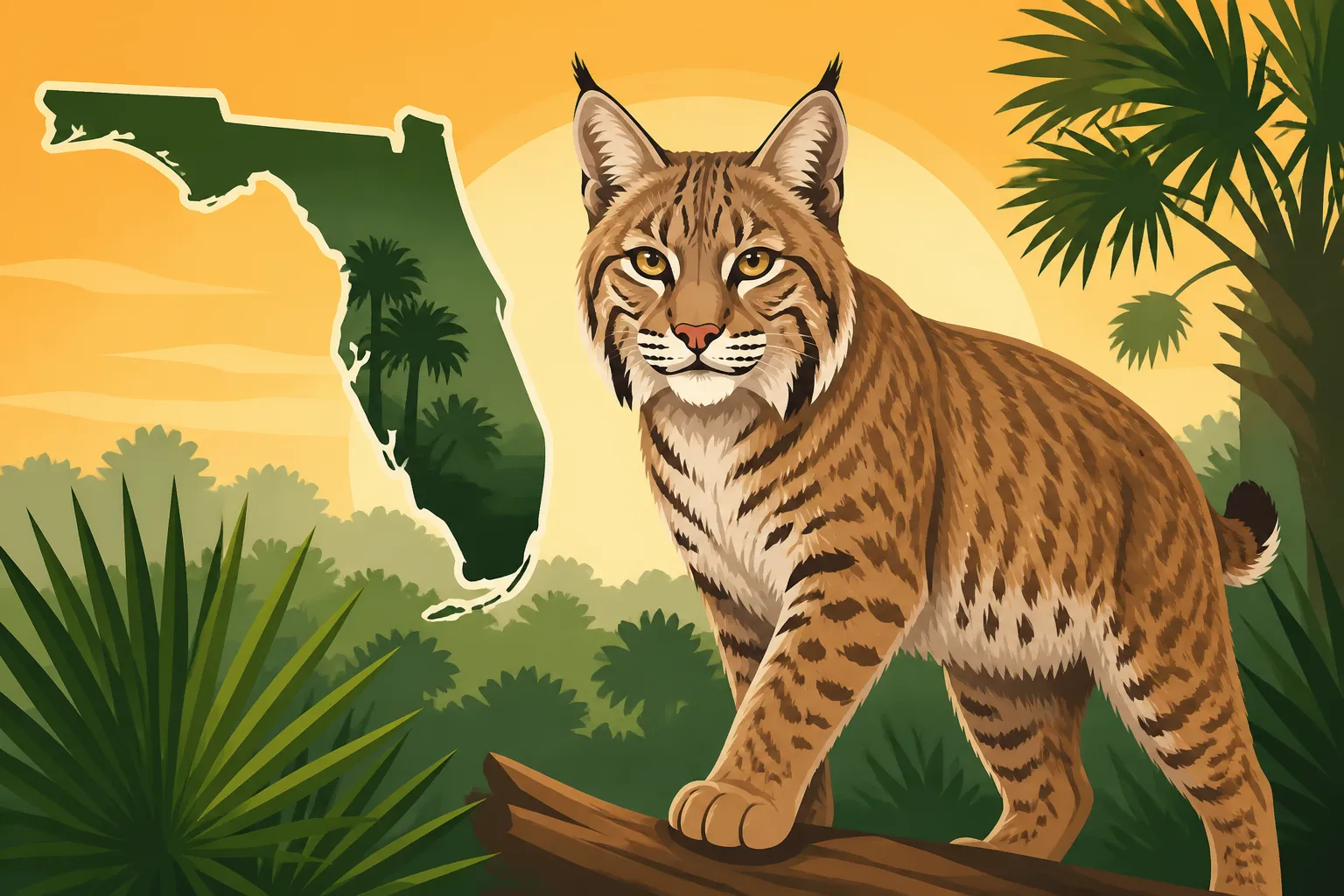
It’s easy to think of Florida as just beaches and theme parks, but for those of us who love the wild side, we know it’s so much more. Our swamps, pinelands, and scrub habitats are teeming with incredible wildlife, and sometimes, it can feel like certain species are just hanging on by a thread. But there’s a real success story unfolding right here in our backyard: the resurgence of Florida's bobcat population. This guide is dedicated to helping you understand the incredible journey these elusive felines have made, their vital role in our ecosystems, and how we can all contribute to their continued flourishing in the Sunshine State.
Understanding Florida's Bobcat Population Dynamics
For many years, like a lot of other native predators, bobcats faced their share of challenges in Florida. Habitat loss, changing land use, and a lack of understanding about their ecological value all contributed to a period where their numbers weren't as robust as they should have been. It’s hard to imagine a time when these beautiful, adaptable cats weren't a common sight (even if rarely seen) in our wild places, but there was certainly a period of concern among wildlife biologists and conservationists.
Historical Decline and Conservation Efforts
Back in the day, before we truly understood the intricate balance of our natural world, bobcats were often viewed simply as a nuisance or a threat to livestock, leading to unregulated hunting and trapping in some areas. As Florida developed rapidly, much of their prime habitat—the dense forests, wetlands, and scrublands—was converted for agriculture or urban expansion. This fragmentation of their territory made it harder for populations to thrive and connect, often isolating small groups of cats. The pressure was real, and without intervention, the story could have ended very differently.
Thankfully, as our understanding of ecology grew, so did the recognition of the bobcat’s importance. Conservation efforts began to focus on habitat preservation and restoration, as well as more regulated management strategies. Establishing and expanding Wildlife Management Areas (WMAs) and national forests played a crucial role, providing safe havens and large tracts of undisturbed land where bobcats could live and breed. Think about places like the Ocala National Forest Hunting or the vast stretches of the Apalachicola National Forest Hunting; these aren't just for human recreation, they're critical ecosystems for our native wildlife. These efforts, combined with a shift in public perception, gradually laid the groundwork for their comeback.
Current Population Estimates and Distribution
Today, the picture is much brighter. Florida's bobcat population is considered stable and healthy across most of the state, a testament to those past conservation efforts. While getting an exact headcount of such a secretive animal is always a challenge, wildlife biologists estimate a robust population, with bobcats found in all 67 counties, from the Panhandle to the Everglades. They're incredibly adaptable, thriving in a surprising variety of habitats—from dense pinewoods and cypress swamps to more open agricultural lands and even suburban fringes, as long as there’s enough cover and prey.
You might not see them often, given their shy nature and crepuscular habits (meaning they're most active at dawn and dusk), but they are out there. In fact, if you spend enough time in Florida's wilder areas, especially at first light or last light, you might just catch a glimpse of one slipping through the shadows. Their wide distribution speaks volumes about their resilience and the success of conservation efforts, proving that when we give nature a fighting chance, it often bounces back beautifully. Tools like GoHunt can even help you identify potential bobcat habitats when scouting public lands, showing you areas with good cover and proximity to water sources.
Factors Contributing to Recovery
Several key factors have contributed to the impressive recovery of Florida's bobcat population. Primarily, the protection and restoration of critical habitats have been paramount. Large contiguous tracts of land, free from excessive human disturbance, allow bobcats to establish territories and find mates without encountering significant barriers. Efforts to manage and control invasive species, which can compete with native wildlife or alter ecosystems, have also indirectly benefited bobcats by preserving the natural prey base.
Furthermore, a more enlightened approach to wildlife management has been instrumental. Modern hunting and trapping regulations, which we’ll dive into later, are carefully designed to ensure sustainable populations rather than depletion. There’s also been a greater public awareness and appreciation for predators, shifting away from historical misconceptions. Education about their ecological role and the dangers of habitat degradation has fostered a more protective attitude among Floridians, creating a more favorable environment for bobcats to thrive. This comprehensive strategy, combining habitat protection, responsible management, and public support, has truly turned the tide for these magnificent cats.
Bobcat Biology and Behavior in Florida
Understanding a bobcat’s natural instincts and habits is key to appreciating their role in the Florida ecosystem and knowing how to coexist with them. These aren't just pretty faces; they're finely tuned predators with specific needs that drive their daily lives. From their preferred lounging spots to their cunning hunting tactics, every aspect of their biology plays a part in their survival and the health of the broader environment.
Habitat Preferences Across the State
Florida bobcats are incredibly versatile when it comes to habitat, a trait that has undoubtedly contributed to their widespread recovery. While they prefer dense cover—think thick palmetto scrub, pine flatwoods, cypress swamps, and hardwood hammocks—they aren't exclusive to these pristine wilderness areas. You’ll find them in places where there’s a mosaic of forest, open fields, and wetlands. They are masters of blending in, using the dense undergrowth for stalking prey and escaping detection.
Even in more developed areas, if there are greenbelts, large drainage ditches with overgrown banks, or expansive ranch lands, bobcats can often be found. They adapt to fringes of urban environments if suitable cover and food are available. However, their true strongholds remain in the vast, wild expanses of our state forests and WMAs. Areas rich in water sources and dense vegetation, like those found when Hunting Florida Cypress Swamp Edges or deep within the Green Swamp Wilderness Preserve Hunting, provide ideal conditions for bobcats to thrive, offering both hunting grounds and secure denning sites.
Diet and Hunting Strategies
Bobcats are obligate carnivores, meaning meat is their primary food source, and they are incredibly efficient hunters. Their diet in Florida is diverse, largely depending on what’s abundant in their specific territory. Their mainstays include rabbits and rodents, but they’re not picky. They’ll readily take squirrels, small birds, reptiles, and even insects. Occasionally, they might target larger prey like young deer or wild turkeys, especially if those animals are sick, injured, or very young. They are opportunistic and will even scavenge if needed.
Their hunting strategy is primarily ambush and stalk. They possess incredible stealth, patience, and explosive speed over short distances. A bobcat will often use dense cover to approach its prey undetected, then pounce with lightning-fast reflexes. They have excellent hearing and vision, which are critical for detecting the subtle movements of prey in thick brush. Their short, powerful legs and sharp claws are perfectly adapted for seizing and subduing their catch. This efficient predation helps keep populations of their prey species in check, ensuring a healthy balance within the ecosystem.
Reproduction and Denning Habits
Bobcats in Florida typically breed once a year, with the peak breeding season usually occurring in late winter to early spring. However, given Florida’s mild climate, breeding can sometimes happen year-round, especially in the southern parts of the state. After a gestation period of about 60-70 days, a female bobcat will give birth to a litter of one to four kittens, though two or three is most common. These kittens are born blind and helpless, relying entirely on their mother for survival.
The mother will choose a secluded, secure den site for her kittens, which could be a hollow log, a rock crevice, a dense thicket, or even an abandoned burr. She’ll move the kittens periodically to new den sites to avoid predators and parasites. The kittens will remain with their mother for several months, learning crucial hunting and survival skills before dispersing to establish their own territories. This period is vital for their development, as they observe and mimic their mother's every move, preparing them for an independent life in the wild.
Role of Bobcats in Florida's Ecosystem
Every creature, no matter how small or large, plays a part in the intricate web of life. Bobcats, as mesopredators, hold a particularly important position in Florida’s ecosystems. Their presence, often unseen, has far-reaching effects on the health and balance of various habitats, influencing everything from plant communities to the populations of other wildlife.
Predator-Prey Relationships
Bobcats are critical components of Florida’s predator-prey dynamics. By preying on smaller mammals like rabbits, rats, mice, and squirrels, they help regulate the populations of these species. Without effective predators, herbivore populations can explode, leading to overgrazing, habitat degradation, and potential disease outbreaks within those populations. This natural control helps maintain a healthier, more resilient ecosystem.
Their hunting also often targets the weaker, sicker, or older individuals within a prey population. This natural selection process strengthens the overall gene pool of the prey species, as the most fit individuals are more likely to survive and reproduce. In this way, bobcats contribute to the long-term vitality of the animals they hunt, ensuring a robust and healthy food chain. It’s a harsh reality of nature, but a necessary one for ecological balance.
Impact on Game Species
While bobcats primarily focus on smaller prey, they do occasionally take game species. For hunters concerned about populations of deer or turkeys, it’s important to understand the scale of this impact. Generally, a healthy bobcat population has a relatively minor effect on robust game animal numbers. They are much more likely to target fawns or weak, injured adult deer, rather than healthy, prime individuals. Similarly, they might prey on turkey poults or hens, but these occurrences are not typically a significant threat to overall turkey populations.
In fact, by helping to control rodent and rabbit populations, bobcats can indirectly benefit game species by reducing competition for food resources or by preying on animals that might consume game bird eggs. The Florida FWC constantly monitors game species populations, like the Florida Deer Population Estimate and Florida Turkey Population Trends, and factors in natural predation by animals like bobcats when setting harvest regulations, ensuring sustainability for all. So, while a hunter might occasionally lose a fawn to a bobcat, the overall ecological benefits far outweigh any perceived negative impact on game numbers.
Managing Human-Bobcat Interactions
As Florida’s population grows and human development encroaches on wild spaces, encounters between people and bobcats are becoming more common. This can sometimes lead to concern, especially for those with small pets or livestock. The good news is that bobcats are naturally shy and generally avoid humans. Attacks on people are exceedingly rare. However, they are still wild animals and should be treated with respect and caution.
To minimize potential conflicts, it’s wise to take a few preventative measures. Don't leave pet food outdoors, secure garbage cans, and keep pets, especially small ones, indoors or in secure enclosures, particularly at night. If you encounter a bobcat, give it space. Do not approach it, and never try to feed it. If a bobcat appears unafraid or approaches, make yourself look large, make noise, and slowly back away. These steps help maintain the bobcat’s natural wariness of humans, which is crucial for their safety and ours.
Monitoring and Research Initiatives
The recovery of Florida's bobcat population isn't just a happy accident; it's the result of dedicated work by wildlife biologists and conservation agencies. Continuous monitoring and research are essential to understanding these elusive animals, tracking their health, and adapting management strategies as conditions change. It’s a scientific endeavor that often involves painstaking fieldwork and technological innovation.
How Wildlife Agencies Track Bobcats
State wildlife agencies, such as the Florida Fish and Wildlife Conservation Commission (FWC), employ a variety of methods to monitor bobcat populations. These methods often include remote camera trapping, where motion-activated cameras are strategically placed in potential bobcat habitats to capture images of passing animals. This provides data on presence, absence, and sometimes even individual identification based on their unique spot patterns.
Another crucial technique is telemetry, which involves capturing a bobcat, fitting it with a GPS collar, and then releasing it. These collars transmit location data, allowing researchers to track the animal’s movements, home range, habitat use, and interactions with other bobcats. Scat analysis (studying droppings) provides insights into their diet and overall health, while genetic analysis of hair or tissue samples can shed light on population connectivity and genetic diversity. All this data contributes to the broader Florida Wildlife Disease Monitoring Program, ensuring the health of the entire ecosystem.
Citizen Science and Public Involvement
You don't need to be a wildlife biologist to contribute to bobcat conservation. Citizen science programs offer opportunities for the public to get involved and provide valuable data. Reporting bobcat sightings, especially if you have photo or video evidence, can help agencies understand their distribution and activity patterns. Many wildlife agencies have online portals or apps where you can log these observations.
Educational programs also play a vital role. Learning about bobcat behavior, understanding their importance, and sharing that knowledge with others helps foster a more informed and appreciative public. This community engagement is crucial, as public support for conservation initiatives often dictates their success. Whether it's through a dedicated app or simply by being an observant and responsible outdoor enthusiast, every piece of information helps build a clearer picture of our bobcat populations. Using apps like GoHunt can also help you mark down potential bobcat sign you encounter while scouting, aiding in personal data collection.
Challenges in Bobcat Research
Despite the advances in technology and research methods, studying bobcats remains challenging. Their secretive and solitary nature makes them difficult to observe directly for extended periods. Their camouflage is excellent, allowing them to move through dense vegetation virtually unseen. Furthermore, they cover large territories, making comprehensive surveys across entire regions resource-intensive and time-consuming.
One significant challenge is accurately estimating population numbers, especially for a species that is not highly social or easily trapped. Researchers must rely on indirect methods and statistical models, which always come with a degree of uncertainty. Habitat fragmentation, while less of a decline factor now, still impacts how bobcats move and disperse, adding complexity to population dynamics studies. Overcoming these challenges requires continuous innovation, collaborative efforts among researchers, and long-term funding commitments to ensure we keep a watchful eye on Florida’s recovering bobcat population.
Legal Status and Management of Bobcats in Florida
Understanding the legal framework around bobcats in Florida is essential for anyone who lives, works, or recreates in areas where these animals reside. Unlike some other native species, bobcats are not federally protected, but they are carefully managed at the state level. This management aims to balance ecological health with human interests, including hunting and trapping, in a sustainable manner.
Hunting and Trapping Regulations
In Florida, bobcats are classified as a furbearer species, meaning they can be legally hunted and trapped under specific regulations. The FWC sets these regulations to ensure that harvests are sustainable and do not negatively impact the overall population. This is a far cry from the unregulated practices of the past. Hunters and trappers must possess the appropriate licenses and permits, and adhere to specific season dates, bag limits, and legal methods of take.
Typically, hunting methods might include calling, still-hunting, or using dogs in certain areas, while trapping involves specific types of traps designed to minimize harm to non-target species. It is crucial for anyone engaging in these activities to be thoroughly familiar with the current regulations, which can be found on the FWC website. These rules are in place not to restrict enjoyment, but to protect the resource for future generations. For those interested in this aspect, information about Florida Fox and Bobcat Trapping Season is critical for legal participation.
Permit Requirements and Seasons
To legally hunt or trap bobcats in Florida, you must first obtain a valid Florida hunting license and often a furbearer endorsement. Specific permits may also be required depending on the land you are hunting or trapping on, especially if it’s a Wildlife Management Area. The FWC clearly outlines these requirements, and it’s a hunter’s or trapper’s responsibility to know and follow them to avoid any Florida Wildlife Violation Penalties.
Bobcat hunting and trapping seasons are typically set during the cooler months, often running from late fall through early spring. These seasons are chosen to coincide with the period when pelts are in prime condition, and also when bobcat populations can best sustain harvest pressure. Again, these dates and rules are subject to change, so always check the most current FWC regulations before heading afield. Detailed information on Florida Trapping License Requirements will guide those interested in ethical trapping practices.
Conservation Status and Future Outlook
Currently, bobcats are not listed as a threatened or endangered species in Florida. Their population is robust and stable, a conservation success story when compared to other native feline species like the Florida Panther Recovery Numbers, which face much more critical challenges. The careful management by the FWC, combined with continued habitat protection and public awareness, paints a positive picture for the future of bobcats in the state.
However, vigilance is always necessary. Continued monitoring of habitat health, disease prevalence, and human-wildlife conflicts will be important. As development continues across Florida, maintaining corridors for wildlife movement and preserving large tracts of natural land will be crucial for ensuring bobcats can continue to thrive. The future of Florida's bobcat population looks promising, a testament to what can be achieved when science-based management and conservation efforts are consistently applied.
| Aspect | Description | Significance for Florida Bobcats |
|---|---|---|
| Current Status | Stable and widespread | Conservation success story, found in all 67 counties |
| Primary Habitat | Dense scrub, pinelands, cypress swamps, hardwood hammocks, agricultural fringes | Adaptable to diverse landscapes, relies on cover |
| Diet | Primarily rabbits, rodents, squirrels; opportunistic on birds, reptiles, occasional fawns/turkeys | Key predator controlling small mammal populations |
| Reproduction | 1-4 kittens (avg. 2-3), born late winter/early spring; gestation 60-70 days | Healthy reproductive rates support stable populations |
| Hunting/Trapping | Regulated furbearer status; specific seasons, licenses, and methods required | Managed for sustainability, contributing to responsible wildlife use |
| Conservation Outlook | Positive, but ongoing habitat preservation and monitoring are crucial | Continued efforts needed to maintain recovery amidst development pressure |
Disclaimer
This article is for general informational purposes only and does not constitute professional advice. Laws, prices and regulations vary by location and change over time. Consult a qualified professional for guidance on your specific situation.