Cooking a Wild Turkey Breast
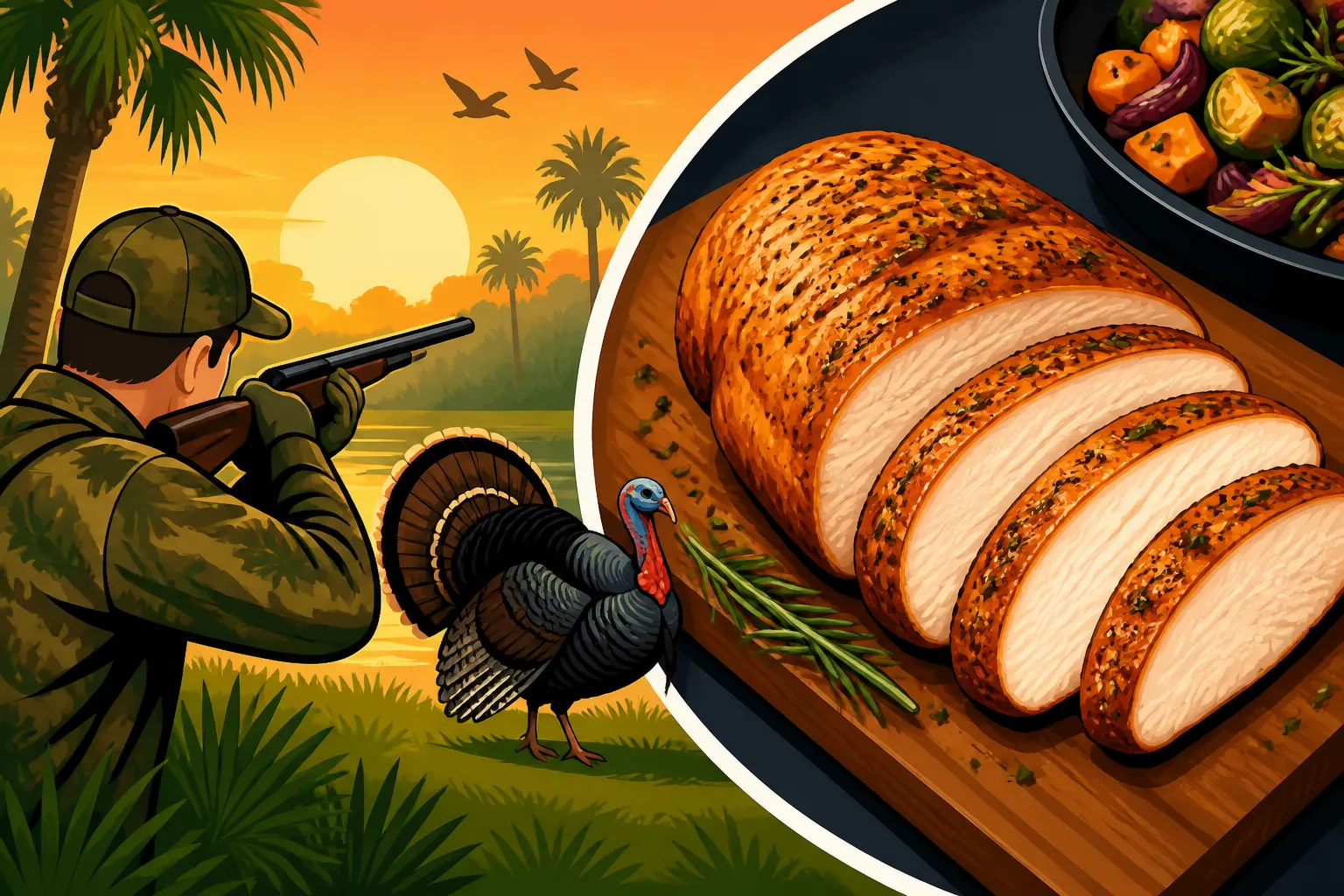
There's nothing quite like the pride of bringing home a wild turkey, knowing you've outsmarted one of the wariest birds in Florida. But let's be honest, the moment you carve into that hard-earned breast and find it dry, tough, and frankly, disappointing, it can be a real punch to the gut. This guide is here to ensure that your wild turkey goes from field to fork with all the juicy tenderness and flavor it deserves, turning your harvest into a culinary triumph.
Understanding the Wild Turkey Breast
Before we even think about spices or cooking temperatures, it's crucial to understand what makes wild turkey meat distinct. It's not your grocery store Butterball, and trying to cook it like one is a recipe for disappointment.
Why Wild is Different from Domestic
Wild turkeys are athletes, pure and simple. They spend their lives walking, running, flying short bursts, and scratching for food, constantly building lean muscle. Domestic turkeys, on the other hand, are bred for sedentary lives and maximum breast size, resulting in a much higher fat content and a softer, more forgiving texture. That inherent leanness in a wild bird means there's less intramuscular fat to keep things moist during cooking. The muscle fibers themselves tend to be tighter and denser, which translates to a firmer texture if not properly prepared and cooked. You'll also notice a richer, more pronounced flavor in wild turkey, thanks to its varied natural diet of acorns, insects, and vegetation. This isn't a bad thing at all – it's part of the appeal – but it does mean you need to approach cooking with a different mindset.
Beyond the physical differences, the very environment a wild turkey lives in contributes to its unique qualities. A turkey from the pine flatwoods of the Panhandle, foraging for insects and seeds, might have a slightly different flavor profile than one from a hardwood hammock further south, dining on acorns and berries. These subtle nuances are part of the joy of eating wild game, but the underlying challenge of leanness remains consistent across the species. You simply won't find the generous fat marbling that keeps a domestic bird so moist, which means we have to add moisture and protect it during the cooking process.
Field Care and Initial Preparation
The journey to a delicious wild turkey breast starts long before it ever hits your kitchen counter. Proper field care is paramount, just as it would be for any other game animal. As soon as you've celebrated your successful hunt, the clock starts ticking to cool down that bird. In Florida's warmth, this is especially critical. Rapid cooling helps prevent bacterial growth and can significantly impact the final flavor and texture of the meat. If you're planning to pluck the bird, get it home and processed quickly. However, many hunters, especially those focused solely on the breast, choose to skin the bird in the field. Carefully remove the breast meat from the bone, being mindful not to include any bruised or damaged areas.
Once the breast is removed, get it into a cooler with ice as soon as possible. Once back home, trim away any silver skin, connective tissue, or residual shot damage. A quick rinse under cold water, followed by patting it thoroughly dry with paper towels, is usually sufficient. Some hunters opt for a brief freshwater soak if there's any strong "gamey" odor, though this is less common with wild turkey than with some other species. Remember, how you handle that meat in the first few hours can make or break the meal, so don't rush this crucial step. Just like you'd meticulously Field Dressing a Deer in Hot Weather, the same care applies to your feathered prize.
Essential Techniques for Moist Wild Turkey
The biggest battle with wild turkey breast is keeping it from drying out. But with the right techniques, you can achieve incredibly tender and flavorful results. It's all about proactive moisture retention and precise temperature control.
The Art of Brining and Marinating
Brining is arguably the single most effective step you can take to ensure a juicy wild turkey breast. It works through osmosis: the salty water penetrates the meat, causing the muscle fibers to absorb moisture and swell. The salt also helps to break down some of the proteins, leading to a more tender finished product. A basic brine consists of water, salt, and often a little sugar, but you can get creative by adding herbs, spices, garlic, onion, or citrus peels. For a typical wild turkey breast, a brine of 1/4 cup kosher salt to 4 cups of water is a good starting point. Submerge the breast completely and refrigerate it for anywhere from 4 to 12 hours, depending on thickness. Rinse it thoroughly afterwards and pat it dry before cooking to remove excess salt.
Marinating, while also adding flavor, primarily works to tenderize the meat through acidic ingredients like vinegar, lemon juice, or buttermilk. These acids help to break down the surface proteins. Marinades often include oil to help carry flavors, along with herbs, spices, and aromatics. While brining focuses on internal moisture, marinating focuses on surface tenderness and flavor infusion. You can even combine the two approaches by brining first, then rinsing and patting dry, and finally marinating for a shorter period (1-2 hours) to add a final layer of flavor. Whether you choose a classic brine or a vibrant marinade, this initial step is a game-changer for wild turkey.
Preventing Overcooking
Even the best brine can't save an overcooked wild turkey breast. This is where precision comes in. Wild turkey breast is lean, and lean meats dry out quickly once they pass their ideal internal temperature. For poultry, that magic number is 165°F (74°C). The trick is to pull the meat just before it reaches that temperature, usually around 160-162°F (71-72°C), because it will continue to cook due to residual heat, a process known as carryover cooking. A reliable meat thermometer is your best friend here; don't guess! Insert it into the thickest part of the breast, avoiding bone.
Once your turkey breast hits temperature, remove it from the heat and let it rest, tented loosely with foil, for at least 10-15 minutes before carving. This resting period is critical. As the meat cooks, its muscle fibers tighten, squeezing out juices. Resting allows these fibers to relax and reabsorb those juices, ensuring they stay inside the meat where they belong, rather than running all over your cutting board. Finally, when it's time to carve, always slice against the grain. This shortens the muscle fibers, making each bite more tender and easier to chew. Ignoring any of these steps is a missed opportunity to truly celebrate your harvest.
Popular & Delicious Cooking Methods
Now that your wild turkey breast is properly prepared and you understand the importance of temperature, let's explore some fantastic ways to cook it. Each method offers a unique texture and flavor profile, so you can choose the one that best suits your mood or the occasion.
Pan-Seared Perfection
Pan-searing is a fantastic method for wild turkey breast, especially if you slice it into medallions or cutlets. It's quick, creates a beautiful crust, and allows for precise control over the internal temperature. Start by pounding your turkey breast pieces to an even thickness (around 1/2 to 3/4 inch). Season generously with salt, pepper, garlic powder, and perhaps some dried sage or thyme. Heat a heavy-bottomed skillet (cast iron works wonderfully) over medium-high heat with a tablespoon or two of high-smoke-point oil like avocado or grapeseed. Once the oil shimmers, carefully place the turkey pieces in the pan, ensuring not to overcrowd it. You want a good sear, not a steam bath.
Sear for 3-5 minutes per side, depending on thickness, until a golden-brown crust forms and the internal temperature reaches 160°F. Remove from the pan, tent with foil, and let rest for 5-10 minutes. While the turkey rests, you can create a quick pan sauce by deglazing the pan with a splash of broth or white wine, scraping up all those flavorful browned bits. This method is incredibly versatile and pairs well with a variety of flavor profiles, from simple herbs to richer mushroom sauces. It’s perfect when you're looking for a quick and satisfying meal after a long day in the field, perhaps after applying some Run-and-Gun Turkey Tactics on Florida Public Land.
Roasting for Tenderness
Roasting a whole or half wild turkey breast can yield wonderfully tender results, particularly if you take steps to add moisture and fat. After brining and drying, consider butterflying the breast to stuff it, or simply covering it with strips of bacon or prosciutto. The fat from the bacon will baste the lean turkey as it cooks, imparting flavor and moisture. Another popular technique is to create a compound butter (butter mixed with herbs, garlic, and spices) and spread it under the skin, or if skinless, directly over the meat. Roast in a preheated oven, typically around 325-350°F (160-175°C).
The roasting time will vary greatly depending on the size and shape of your breast, but plan for roughly 20-30 minutes per pound, or until your meat thermometer reads 160°F. Basting occasionally with pan juices or broth can also help. Just like with searing, resting is non-negotiable here. A good roast can be the centerpiece of a meal, offering slices that are both flavorful and fork-tender, a true testament to the bird you worked hard to get, perhaps from scouting with handy apps from companies like GoHunt.
Grilling with Care
Grilling adds a fantastic smoky flavor to wild turkey, but it's also one of the easiest ways to dry it out if you're not careful. Again, brining is your best friend here. After brining and patting dry, brush the breast with olive oil or a marinade to help prevent sticking and add another layer of moisture protection. Direct heat grilling is great for thin cutlets, while indirect heat is better for thicker, whole breasts.
For thin pieces, sear quickly over medium-high direct heat, turning frequently, aiming for those beautiful grill marks. For a thicker breast, start it over direct heat for a few minutes per side to get a nice char, then move it to the cooler side of the grill (indirect heat) and close the lid, allowing it to cook through slowly. Monitor the internal temperature closely, pulling it at 160°F. You can also try wrapping the breast in foil for part of the cooking process to help lock in moisture, especially if using indirect heat. Remember to let it rest before slicing against the grain. This is a great way to enjoy your turkey during Florida's warmer hunting seasons.
Slow Cooking & Braising
When you want an almost impossibly tender, fall-apart wild turkey breast, slow cooking or braising is the way to go. These methods use low, moist heat over an extended period, which breaks down those dense muscle fibers and connective tissues without drying out the lean meat. This is particularly forgiving and can turn even a slightly tougher breast into something incredibly succulent, perfect for shredding for sandwiches, tacos, or stews.
For slow cooking, simply place the turkey breast in a slow cooker with plenty of liquid – chicken broth, a can of crushed tomatoes, or even a beer or hard cider work well. Add aromatics like onions, garlic, carrots, and celery, along with your favorite herbs and spices. Cook on low for 4-6 hours or on high for 2-3 hours, until the turkey is fork-tender. Braising involves searing the breast first in an oven-safe pot (like a Dutch oven) to develop flavor, then adding liquid and aromatics, covering it, and finishing it slowly in a low oven (around 300°F/150°C) for several hours. Both methods are fantastic for creating rich, deeply flavored dishes where the turkey soaks up all the goodness of the cooking liquid, creating a meal that can rival the satisfaction of calling in a gobbler when Hunting an Osceola Gobbler in Palmetto Scrub.
Flavor Pairings and Serving Suggestions
You've put in the work, from the early morning hunt to careful preparation and precise cooking. Now it's time to truly enjoy the fruits of your labor! Complementing the rich flavor of wild turkey breast with the right accompaniments elevates the entire meal.
Complementary Herbs and Spices
Wild turkey, with its naturally robust flavor, stands up well to a variety of herbs and spices. Classic poultry seasonings like sage, thyme, and rosemary are always winners, evoking a sense of tradition and comfort. For a more "Florida" feel, consider incorporating citrus notes with lemon zest or orange peel, especially with roasted or grilled turkey. A touch of smoked paprika can add depth and a subtle smokiness that resonates with the outdoor origins of the bird. Garlic and onion, in powder or fresh form, are almost always welcome additions.
If you're feeling adventurous, explore spice blends that lean into the slightly gamey notes, rather than trying to hide them. A rub with a hint of cayenne pepper, cumin, or even a touch of chili powder can be fantastic, especially for grilled or pan-seared pieces. Think about what flavors you enjoy with other lean game meats; many of those will translate beautifully to wild turkey. And don't forget the power of fresh herbs as a garnish – a sprinkle of chopped parsley or chives at the end can brighten up any dish. When researching flavor profiles and new recipes, many hunters turn to online communities or resources like GoHunt to share ideas and discover new ways to prepare their harvest.
Side Dishes That Shine
Choosing the right side dishes can make your wild turkey breast truly sing. Since the turkey itself is lean, consider sides that offer a bit of richness or creaminess to balance the meal. Classic mashed potatoes, whether plain or infused with garlic and herbs, are always a hit. A creamy risotto, perhaps with mushrooms or butternut squash, can also be a wonderful pairing, especially if your turkey was slow-cooked or braised.
For vegetable sides, aim for something that provides a textural contrast and a fresh, vibrant flavor. Roasted root vegetables like carrots, parsnips, or sweet potatoes develop a natural sweetness that complements turkey beautifully. Braised greens, like collards or kale with a hint of bacon or ham hock, can add a distinctly Southern touch. A fresh green bean casserole or a simple side salad with a tangy vinaigrette can also cut through the richness of other components. Don't forget a good cranberry sauce, even if it's not Thanksgiving – the tartness is a perfect foil for savory turkey.
Here’s a quick glance at some popular cooking methods and their characteristics:
| Cooking Method | Best For | Key Benefits | Considerations | Flavor Profile |
|---|---|---|---|---|
| Pan-Searing | Thin cutlets, medallions | Quick, crispy exterior, easy pan sauce | Can dry out quickly if overcooked | Rich, browned, concentrated |
| Roasting | Whole/half breasts, larger cuts | Tender, even cooking, great for stuffing | Requires basting/covering to prevent drying | Savory, aromatic |
| Grilling | Cutlets, breast halves | Smoky flavor, beautiful char marks | Easy to overcook, requires attention to heat zones | Smoky, charred, robust |
| Slow Cooking | Tougher cuts, shredded turkey | Incredibly tender, forgiving, hands-off | Less crust/sear, longer cook time | Deeply flavored, moist |
| Braising | Whole/half breasts | Develops rich liquid, fall-apart texture | Longer cook time, typically stovetop-to-oven | Savory, saucy, melt-in-your-mouth |
Remember, a successful wild turkey meal is a combination of respect for the animal, careful preparation, and intelligent cooking. Enjoy every bite! Florida Deer Camp Traditions are about sharing these meals, after all.
Disclaimer
This article is for general informational purposes only and does not constitute professional advice. Laws, prices and regulations vary by location and change over time. Consult a qualified professional for guidance on your specific situation.