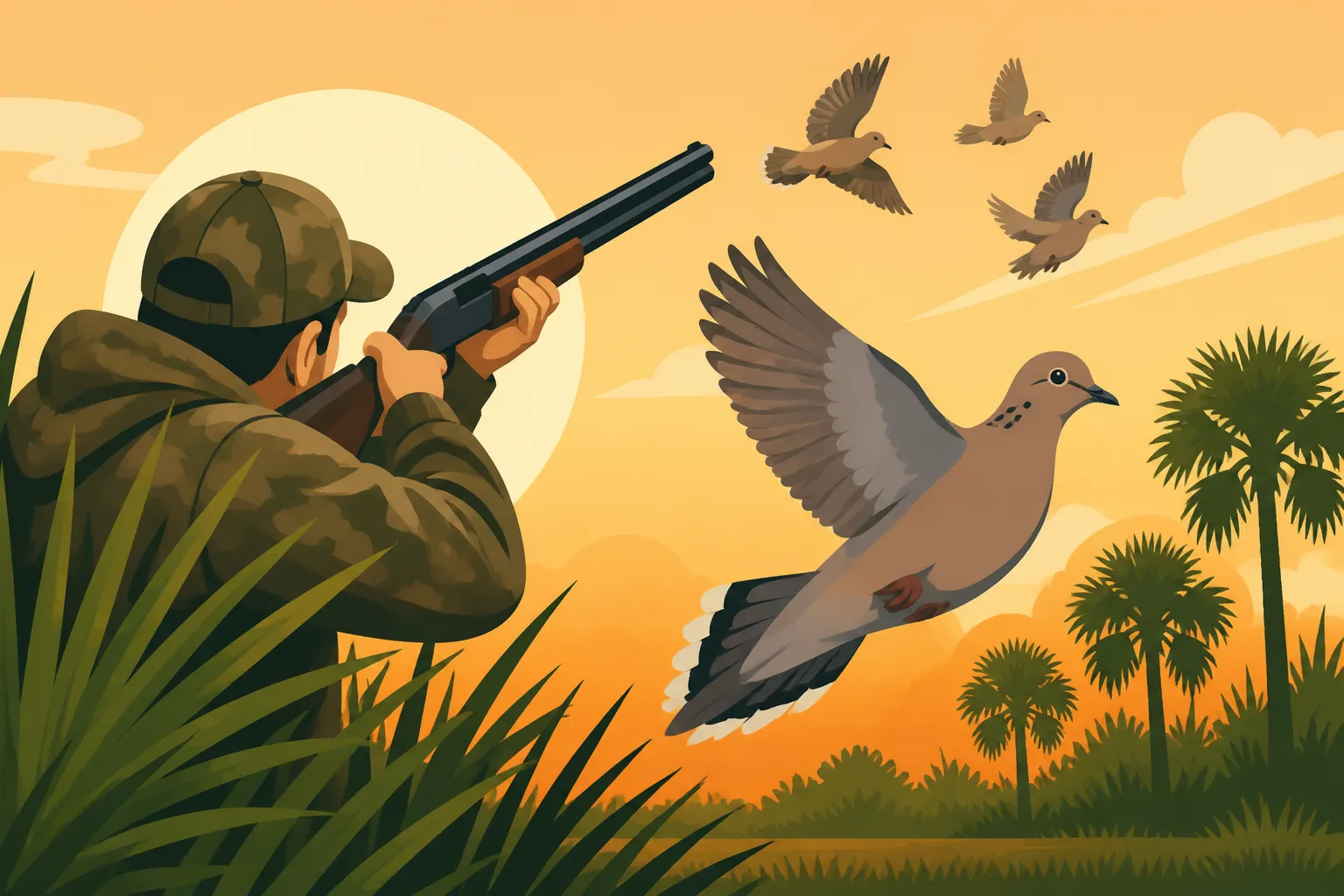
Florida Dove Season Opening Day
That first Saturday in September, for many of us, feels like a second New Year's Day. The anticipation builds for weeks, doesn't it? You're checking the forecast, eyeing those fields, and maybe even dusting off the shotgun. But diving headfirst into Florida's dove season opener without a solid plan can lead to frustration and missed opportunities. This guide is all about giving you the lowdown on what to expect, how to prepare, and how to make the most of that thrilling first day of dove hunting in the Sunshine State.
The Excitement and Reality of Opening Day Doves in Florida
There's something uniquely special about Florida's dove season opening day. It’s often the first real hunting opportunity for many after a long, hot summer, signaling the unofficial start of fall hunting traditions, even if the thermometer still reads 90 degrees. However, with that excitement comes a palpable buzz of activity, and sometimes, a bit of chaos if you're not prepared for the crowds, the heat, and the fast-flying action.
Why Opening Day is More Than Just a Date
For serious dove hunters, opening day isn't just another hunt; it's a social event, a tradition, and a test of skill. Fields across the state, from the Panhandle to the farmlands of South Florida, suddenly come alive with hunters, friends, and family. It's about reconnecting, sharing stories, and the pure joy of being out in the field. But it also means increased pressure on the birds, which can make things challenging. Those doves that flew so predictably during scouting suddenly become much warier once the guns start booming. You need to be ready for smarter birds and often, more competition for the best spots. This heightened activity level means that understanding the local dove population movements and having a well-scouted spot are even more critical.
Navigating Florida's Unique Dove Hunting Landscape
Florida's climate and agricultural practices create a distinct environment for dove hunting compared to other states. We don't have those vast, sprawling cornfields like the Midwest, but we have plenty of cut agricultural fields, pine flatwoods edges, and even smaller, less obvious food plots that can hold birds. Understanding these local nuances is key to success. The heat, too, is a major factor. Unlike a crisp autumn morning up North, a Florida September opening day can feel like the middle of summer, requiring careful consideration of hydration, dog safety, and even when the birds are most active. They often fly earlier and later to avoid the midday sun, which impacts when you need to be in position.
Essential Permits and Knowledge for Migratory Birds
Before you even think about loading a shell, you need to make sure your paperwork is in order. Florida has very specific requirements for hunting migratory birds, and doves fall squarely into that category. Getting caught without the right licenses and permits can quickly turn an exciting opening day into a costly one.
Understanding Your Florida Hunting License Requirements
First and foremost, you'll need a valid Florida hunting license. This is your foundation for any hunting activity in the state. Whether you're a resident or a nonresident, there are options available. If you're looking into Florida Hunting Licenses and What They Cost, it's always best to check the current FWC regulations online or through their app. You can pick up an annual license, or sometimes a shorter-term option if you're just visiting for a specific hunt. Make sure it's valid for the dates you plan to be in the field. Don't forget, these licenses often expire on a specific date, not necessarily a year from purchase, so double-check those expiration dates to avoid any unpleasant surprises on opening morning. Many hunters find it easiest to manage their licenses through digital platforms like GoHunt, which can help keep track of renewal dates and necessary permits.
The All-Important Harvest Information Program HIP Certification
This is where many new migratory bird hunters get tripped up. Beyond your base hunting license, you absolutely must have a Florida Migratory Bird Certification, which includes the Harvest Information Program (HIP) endorsement. This isn't just a Florida thing; it's a nationwide program designed to collect harvest data on migratory game birds. It's usually free or very low cost, but it's mandatory. Without it, your dove hunting license is incomplete. When you purchase your hunting license, you'll be prompted to complete the HIP survey. Don't skip it! It asks about the species you hunted last year and how many you harvested, which helps biologists make informed decisions about bird populations. If you want to know more about Florida HIP Certification for Bird Hunters, the FWC website is your best resource. It’s a simple step, but one that’s easily overlooked in the rush to get ready for opening day.
Deciphering the Federal Duck Stamp (and Why It Doesn't Apply to Doves)
Here's another common point of confusion. Many hunters hear "migratory bird" and immediately think "Federal Duck Stamp." While the Federal Migratory Bird Hunting and Conservation Stamp (the Duck Stamp) is absolutely essential for hunting ducks, geese, and swans, it is not required for hunting doves, coots, or rails. This is a crucial distinction that can save you an unnecessary purchase. The FWC clearly outlines these differences in their regulations. While it's a great conservation stamp to purchase if you plan on pursuing waterfowl later in the season, don't feel obligated to buy it just for doves. Focus on that HIP certification; that's the one that truly matters for opening day dove action.
Key Dates and Zones for Florida Dove Season
Florida's dove season isn't a single, continuous stretch of dates. It's structured into specific phases and often divided by geographical zones. Missing these details can mean showing up to a closed season or, worse, hunting illegally. Knowing the precise opening day for your area is paramount for planning your hunt.
Pinpointing the September Dove Opener
Historically, Florida's primary dove season typically kicks off on the first Saturday in September. This is the day everyone circles on their calendars, the one that usually sees the most hunters in the field. For instance, in the 2023-2024 season, that first phase ran from September 2nd to September 24th in the North Zone, and September 2nd to September 22nd in the South Zone. The difference in dates is slight but important, reflecting different migratory patterns and agricultural cycles across the state. Always confirm the exact dates for the current season directly from the FWC website or regulations handbook, as they can shift slightly year to year. That initial opening week can be some of the best hunting, as birds haven't been pressured yet and often stick to predictable patterns around food sources and roosts. For tactics on that initial push, checking out resources on Pass-Shooting Doves on a September Field can be incredibly helpful.
Navigating Florida's Dove Hunting Zones
Florida is divided into two main zones for doves: the North Zone and the South Zone. The dividing line usually follows a series of county lines and highways. For example, in recent years, the North Zone has generally encompassed areas north of a line running roughly from Levy to Marion to Flagler counties, while the South Zone covers everything south of that. These zones are established to account for variations in dove migration and breeding cycles across the state's diverse geography.
| Zone | General Area | Typical Opening Dates (Refer to FWC for current year) | Typical Bag Limit | Possession Limit |
|---|---|---|---|---|
| North Zone | Northern Florida, Panhandle, Gainesville area | First Saturday in September | 15 Doves | 45 Doves |
| South Zone | Central and South Florida, Orlando, Tampa area | First Saturday in September | 15 Doves | 45 Doves |
It's absolutely critical to know which zone your intended hunting area falls into. Don't just assume; look it up! A quick check on the FWC regulations will clearly outline the specific boundaries. Hunting in the wrong zone or outside its designated dates is a surefire way to run into legal trouble. Beyond the first segment, both zones often have additional, shorter seasons later in the fall and winter, which can also be fantastic hunting opportunities, often with cooler weather and different bird patterns. Keep an eye on those subsequent dates for more chances to fill your limit.
Legal Hunting Hours and Why They Matter
For doves, hunting hours are generally from one-half hour before sunrise to sunset. This means you can be set up and ready as the sun peeks over the horizon, and you can stay until the very last bit of light fades from the sky. On opening day, especially on public fields, you'll see hunters out there before the crack of dawn, staking out their spots. However, pay attention to specific WMA regulations, as some public areas might have slightly different rules regarding entry times or shooting hours. Always check the individual WMA brochure for the area you plan to hunt. The early morning and late afternoon are often the most productive times for dove activity, as they move from roosts to feeding areas and back again. The midday heat can sometimes slow things down significantly, making those prime hours even more valuable.
Finding Your Perfect Opening Day Dove Spot
One of the biggest challenges for any Florida hunter is finding a good, unpressured spot, especially on opening day. Doves, being highly migratory and focused on food sources, can be here today and gone tomorrow, making scouting crucial.
Public Dove Fields and Quota Hunts
Florida offers numerous public hunting opportunities, including designated dove fields on many Wildlife Management Areas (WMAs). These fields are often specifically planted with dove attractants like sunflowers, millet, or corn. The downside? They can get extremely crowded on opening day. Think dozens, sometimes hundreds, of hunters all vying for a slice of the action.
Some WMAs operate their dove fields on a quota hunt system, requiring a special permit drawn through a lottery system. If you're interested in Florida Wildlife Management Areas, you'll want to check the FWC website well in advance for application periods and draw results. Getting a quota permit guarantees you a spot, which can be a huge relief for opening day. Other public fields are first-come, first-served. For these, arriving early—and I mean early, like hours before legal shooting light—is essential to secure a desirable spot. Even then, you might be elbow-to-elbow with other hunters. Utilizing tools like GoHunt's mapping features can help identify potential public land access points and boundary lines, which can be invaluable when trying to find a less crowded corner of a popular WMA.
Gaining Access to Private Land
For many veteran dove hunters, private land is the holy grail. Less pressure, often more consistent bird numbers, and the ability to manage the habitat make it highly desirable. This usually means knocking on doors, asking farmers, or joining a hunting club. Farmers with cut corn, sunflower, or peanut fields are prime candidates. They often welcome hunters to help manage bird populations that can impact their crops.
When asking for permission, always be respectful, offer to share birds, and assure them you'll leave their property cleaner than you found it. Build relationships. A simple "hello" during the off-season can lead to an invitation when the doves start showing up. Scout these private lands discreetly, looking for flight paths, power lines where birds roost, and active feeding areas. Remember that Do You Need Written Permission in Florida? is a good question to ask any landowner you work with, as written permission protects both parties. Even if it's just a small patch of woods bordering a cow pasture, doves will use any available food source or water.
Scouting for Opening Day Success
You can't just drive up on opening morning and expect success, especially on public land. Scouting is absolutely critical. A few weeks before the season, start driving rural roads, looking for active dove fields. Pay attention to telephone lines and dead trees where birds perch. Watch their flight paths from feeding areas to water and roosts. Doves are creatures of habit. They'll follow the same lines of trees, ditches, or power lines day after day.
Look for key indicators:
- Whitewash: Droppings on power lines, fences, or tree limbs.
- Plumage: Feathers on the ground, especially near feeding areas.
- Active feeding: Doves on the ground, picking at seeds in cut fields.
- Water sources: Ponds or ditches where birds come to drink, particularly in the hot Florida sun.
Using an app like GoHunt can help you mark these potential hot spots and plan your access routes. Even if you've hunted a spot for years, conditions change. A field that was hot last season might have a different crop this year, or the surrounding cover might have changed. A few scouting trips can make all the difference between a frustrating bust and a successful opening day. Understanding Florida Dove Population Trends can also help inform your scouting strategy, knowing which areas are likely to hold more birds.
Gear, Safety, and Ethics for a Successful Opener
Opening day dove hunting, while exhilarating, demands preparation not just in terms of licenses and scouting, but also in the gear you bring and the mindset you carry into the field. Safety and ethical conduct are paramount, especially when sharing fields with many other hunters.
Shotgun and Shell Selection
For dove hunting, a fast-handling shotgun is ideal. Most hunters opt for a 12-gauge, 20-gauge, or even a 28-gauge. The key is finding one you can swing smoothly to track those erratic, fast-flying birds. Semi-automatics and over/unders are popular choices. As for shells, dove hunting usually calls for lighter loads with smaller shot sizes. Think 7 ½ or 8 shot. These tiny pellets provide a dense pattern, increasing your chances of connecting with a small, speedy target, and they're effective without being overkill for a bird the size of a dove. You don't need heavy, magnum loads; they just generate more recoil and expense. Bring plenty of shells – doves can be notoriously hard to hit, and you'll likely go through more ammunition than you expect. Running out mid-hunt is a common opening day woe.
Concealment and Comfort in the Field
While doves aren't typically as wary as turkeys or deer, a bit of concealment can go a long way, especially on pressured public fields. Simple camouflage clothing that blends with the local vegetation (greens, browns, tans) is usually sufficient. A comfortable stool or bucket to sit on is a must, as you'll be doing a lot of waiting between flurries of activity. Decoys can also be incredibly effective. A handful of spinning-wing decoys (like Mojo Doves) or static decoys placed in a cut field can draw birds in for closer shots. They give the birds a visual cue that it's safe to land, often resulting in birds circling within range. Remember the Florida heat! Lightweight, breathable clothing, a wide-brimmed hat, sunglasses, and plenty of water or electrolyte drinks are absolutely essential. Dehydration can sneak up on you quickly in our climate.
Safety and Ethical Hunting Practices
Opening day often means crowded fields, so safety cannot be stressed enough. Always know where other hunters are located, and maintain a safe zone of fire. Never swing your gun past other hunters. Wear eye and ear protection – the constant shooting can take a toll on your hearing. While Florida Blaze Orange Requirements generally don't apply to dove hunting, some hunters choose to wear a blaze orange hat or vest, especially if they are moving through brush or hunting in areas where deer hunting might also be occurring (though dove season precedes most Florida deer openers). However, when hunting migratory birds, blaze orange isn't usually a strict requirement, so blending in with your surroundings is often preferred for better concealment.
Beyond safety, uphold ethical hunting practices:
- Know your limits: The daily bag limit for doves is 15 birds, with a possession limit of 45. Don't exceed these.
- Retrieve all downed birds: Doves are small and can be hard to find in thick cover. Take the time to diligently search for every bird you shoot. A good retrieving dog is invaluable here. If you're Hunting a Cut Florida Field, retrieving can be easier, but in thicker cover, it's a real challenge.
- Respect property lines: Even if a bird falls on adjacent private land, you cannot trespass to retrieve it without permission.
- Be a good neighbor: Clean up all your shell casings, trash, and any other items you bring into the field. Leave no trace.
The Importance of a Good Bird Dog (and Their Safety)
A well-trained bird dog can transform your dove hunting experience. Not only do they make retrieving downed birds much easier, reducing lost game, but they also add an incredible dimension to the hunt. Retrievers like Labradors, Chessies, and Goldens are mainstays in the dove field. However, in Florida's early season heat, dog safety is paramount.
- Hydration: Bring plenty of water for your dog. They need more than you do. Offer it frequently.
- Cooling: Consider a cooling vest or dunking your dog in cool water periodically.
- Rest: Don't push your dog too hard. Take breaks, especially during the hottest parts of the day.
- Shade: Always ensure your dog has access to shade.
- Paw protection: Hot ground can burn paw pads. Be mindful of where your dog is walking.
A happy, healthy dog is a safe and effective hunting partner. Don't let the excitement of opening day compromise their well-being.
After the Hunt: Cleaning, Cooking, and Conservation
The shooting is over, the birds are bagged, and the sun is setting. Now comes the often-overlooked, but equally important, part of the dove hunting experience: processing your harvest and reflecting on the tradition.
Cleaning Your Doves Efficiently
Doves are small birds, and cleaning them can seem tedious, but with a good technique, it's quick and easy. Most hunters breast out their doves, removing just the breast meat. You can do this by laying the bird on its back, placing your thumbs on either side of the breastbone, and pushing outwards. The breast will separate, and you can then snip it off at the wing joints with shears. Many experienced hunters can do this in mere seconds. Keep your doves cool in a cooler with ice while you're in the field, and clean them as soon as possible after the hunt. This ensures the best meat quality. Freshly cleaned dove breasts are a delicious reward for a successful hunt.
The Delicious Rewards: Cooking Your Harvest
Dove meat is lean, dark, and flavorful. It’s incredibly versatile in the kitchen. Simple preparations are often the best. Marinating dove breasts in Italian dressing, wrapping them in bacon, and grilling or pan-searing them is a classic and delicious method. Other popular options include dove poppers stuffed with cream cheese and jalapeños, or adding the breasts to stews and gumbos. Don't be afraid to experiment! The effort you put into the hunt is truly rewarded at the dinner table. If you're looking for ideas, many hunting forums and cookbooks are dedicated to game bird recipes.
Reflecting on the Season and Conservation
Opening day is just the start. While the initial rush is exciting, Florida's dove season often has later phases that can offer different experiences, sometimes with larger numbers of migratory birds pushing through as cooler weather arrives up north. Keep an eye on the later dates, and consider planning a return trip.
Beyond the hunt itself, take a moment to appreciate the conservation efforts that make these seasons possible. The purchase of hunting licenses, the HIP certification, and even the optional Federal Duck Stamp all contribute directly to habitat preservation and research that benefits doves and countless other wildlife species. Your participation in hunting isn't just a recreational activity; it's a vital part of conservation in Florida and across the country. Every bird harvested is a testament to sustainable wildlife management, ensuring future generations can enjoy the same thrilling opening day experiences. Remember that when you're done with your hunt, if you want to share your experience with other hunters or plan future hunts, you can always refer to resources like Florida Deer Camp Traditions for that broader community feel, even if you're talking doves.
Disclaimer
Please note that hunting regulations, season dates, and license requirements are subject to change by the Florida Fish and Wildlife Conservation Commission (FWC). Always consult the most current FWC regulations handbook or website before engaging in any hunting activity. This guide is for informational purposes only and does not supersede official FWC rules and laws.