Florida Osceola Zone Turkey Permit Rules
Trying to navigate the complex world of Florida turkey hunting regulations can feel like deciphering ancient hieroglyphs, especially when you're dreaming of that elusive Osceola gobbler. The specific permits, zones, and deadlines can be a real headache, often leading to confusion and missed opportunities. This comprehensive guide will untangle the rules for Florida's Osceola Zone turkey permits, helping you understand exactly what you need to hit the woods with confidence and pursue one of North America's most sought-after game birds.
Understanding Florida's Distinct Turkey Zones
Florida is a unique state for turkey hunters, primarily because it's home to two distinct subspecies: the Osceola turkey and the Eastern turkey. The state thoughtfully divides its management strategy into corresponding zones to protect these populations and ensure sustainable hunting opportunities. This division is critical for understanding your permit requirements.
The Geographic Split of Turkey Subspecies
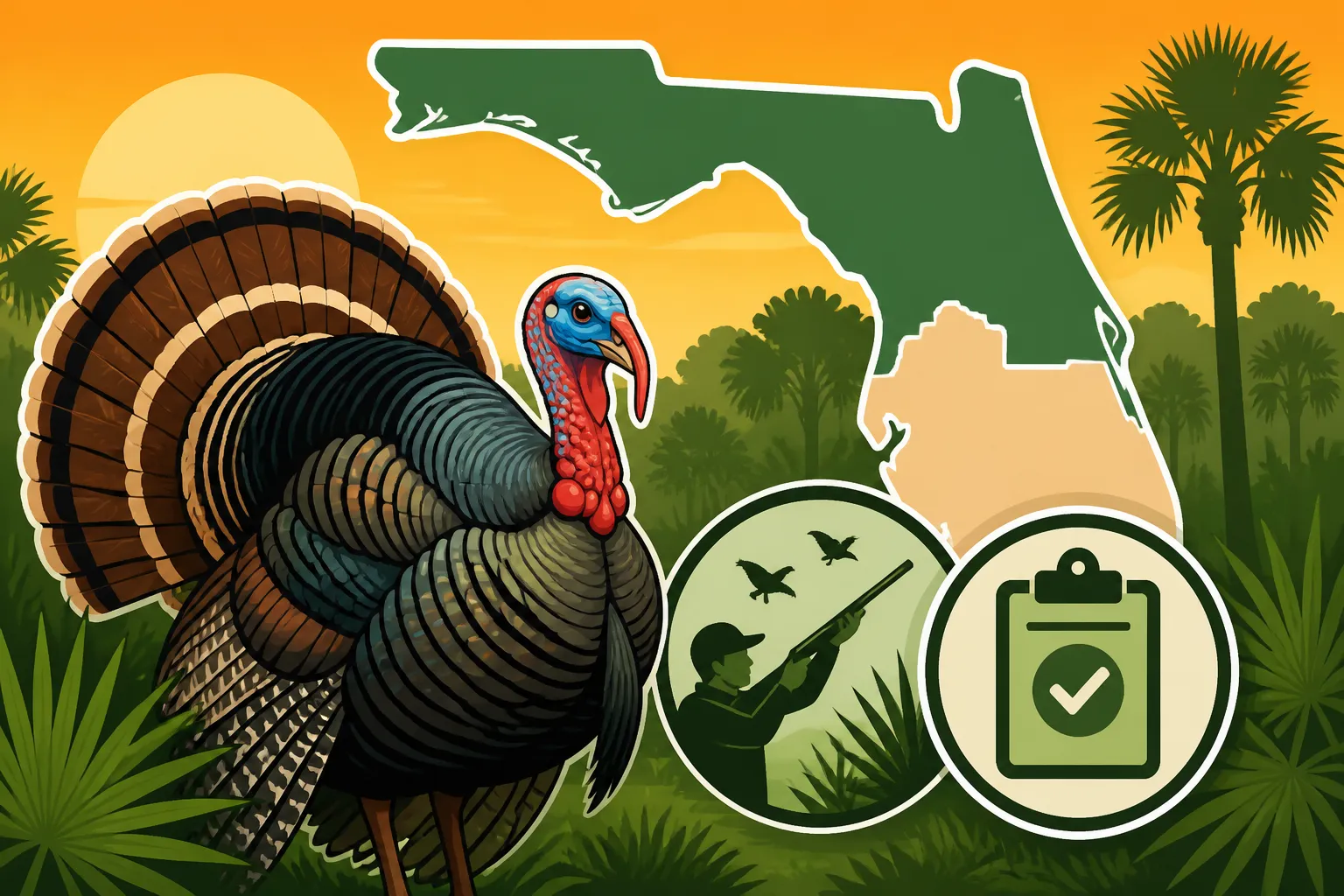
Imagine a line drawn across the state, roughly following State Road 70 from the west coast to the east. Everything south of that line is considered the Osceola Zone, which is the exclusive domain of the magnificent Osceola turkey. This subspecies is known for its darker plumage and smaller body size compared to its Eastern cousin, and it's a true Florida native, found nowhere else in the world. North of that imaginary line, extending up into the Panhandle, is where you'll find the Eastern turkey, which is common across much of the eastern United States. This geographical split isn't just a fun fact; it dictates everything from season dates to the specific permits you need. For more on this, you can check out where the Osceola and Eastern Turkey Zones Divide.
Knowing which zone you're hunting in is your first, most critical step. Mistaking one for the other could lead to permits for the wrong season or even unknowingly violating regulations, which is a headache no hunter wants. Always confirm the exact county or area you plan to hunt and refer to the Florida Fish and Wildlife Conservation Commission (FWC) regulations map. It's easy to get excited and overlook these details, but a quick check can save a lot of trouble later.
Why Zone Specificity Matters for Your Hunt
The FWC implements zone-specific regulations to account for differences in turkey populations, habitat, and even breeding cycles between the Osceola and Eastern subspecies. These birds, while both turkeys, have slightly different ecologies within Florida's varied landscapes. For example, the milder, more consistent weather patterns in peninsular Florida (the Osceola Zone) can influence when gobblers start strutting and breeding compared to the more pronounced seasonal changes in the Panhandle.
This zone-specific approach means that an Eastern turkey permit won't cut it if you're chasing an Osceola in Collier County, and vice-versa. It’s not just about what permit you hold, but which specific turkey permit. It also means that season dates for the Osceola Zone, such as the Florida Osceola Spring Season Dates, will differ from those in the Eastern Zone. Hunters often express frustration when they realize they've purchased the wrong permit, so taking a moment to confirm your target zone before anything else is paramount. Tools like the GoHunt app can be immensely helpful here, providing overlaid public land boundaries and species range maps that clarify these distinctions right on your phone.
The Importance of the Osceola Zone Turkey Permit
Once you've wrapped your head around the idea of different turkey zones in Florida, the next logical step is to understand the specific permit required for hunting within the Osceola Zone. This isn't just a bureaucratic formality; it's a vital part of conservation and ensuring that these unique birds thrive for future generations.
What the Osceola Turkey Permit Covers
The Florida Osceola Zone Turkey Permit, often referred to as simply the "Osceola Permit" or "Spring Turkey Permit," is your ticket to legally pursue wild turkeys specifically within the Osceola geographical zone during the spring season. This permit is an addition to your standard Florida hunting license, which is a foundational requirement for any hunting activity in the state. Think of it as a specialized endorsement that grants you access to hunt this particular subspecies during its designated season. Without it, even if you have a valid base hunting license, you are not legally permitted to harvest an Osceola turkey.
The permit essentially earmarks your right to hunt in those specific counties south of State Road 70. It helps the FWC manage harvest numbers for this unique bird, as the Osceola population is a jewel in Florida's wildlife crown. Many hunters travel from across the country, and even internationally, to complete their Grand Slam, with the Osceola often being the toughest piece of the puzzle. This demand makes careful management through permits even more crucial. For hunters passionate about Hunting Florida's Osceola Turkey, this permit is non-negotiable.
Distinguishing from General Hunting Licenses
It's a common misconception, especially for hunters new to Florida or those accustomed to other states' simpler licensing structures, that a general hunting license covers everything. In Florida, that's simply not the case for special game like turkeys and alligators. Your Florida Resident License Options or Florida Nonresident License Options provide the basic authority to hunt, but for turkeys, you need an additional permit. This distinction is often a source of frustration, as hunters might mistakenly believe they're fully compliant only to find out they're missing a critical piece of paperwork.
The "Florida Turkey Permit" in general terms often refers to the permit that covers all turkeys in the state. However, the Osceola Zone permit is specifically tied to that region and its season dates. It's designed to manage the specific pressure on the Osceola subspecies. So, while your base hunting license allows you to carry a weapon and be in the woods during open seasons for many species, it's the Osceola permit that makes your turkey hunting legal in those specific southern counties. Always double-check the FWC regulations to ensure you have the correct permit for the specific species and zone you intend to hunt. It's far better to spend an extra few minutes verifying than to face a citation in the field.
Application Process and Key Dates for Osceola Permits
Securing your Osceola Zone Turkey Permit isn't overly complicated, but it does require attention to detail and awareness of key timelines. Missing deadlines or misunderstanding the process can be a real letdown, especially when you've planned a hunt around a specific date.
How to Obtain Your Osceola Turkey Permit
The good news is that obtaining your Florida Osceola Zone Turkey Permit is relatively straightforward and can typically be done online, by phone, or in person at various license vendors, including tax collectors' offices and bait and tackle shops. The FWC makes an effort to make licenses accessible. For most hunters, purchasing it online through the FWC's Go Outdoors Florida portal is the easiest and quickest method. You'll first need a valid Florida hunting license. If you're a non-resident, you'll need to purchase the appropriate non-resident hunting license first.
Once you have your base hunting license, you can add the turkey permit. There isn't a lottery system for the general Osceola Zone Turkey Permit, unlike some other special hunts or species (like bear or alligators). This means that if you want one, you can buy one, up to the statewide bag limits. After purchase, you'll usually receive an electronic copy, or you can print a physical copy to carry with you. Many hunters find using the FWC app on their phone to carry digital proof of their licenses and permits incredibly convenient. Remember, you'll also need a Florida Migratory Bird Certification if you plan to hunt migratory birds, but for turkey, it's just the hunting license and turkey permit.
Important Season Dates and Application Windows
For the general statewide Osceola Zone spring turkey season, there isn't a specific "application window" in the sense of a limited draw. Permits are available for purchase leading up to and during the season. However, it's always wise to purchase your permit well in advance of your planned hunt. This ensures you're ready to go and avoids any last-minute technical glitches or forgotten steps that could delay your morning hunt.
The critical dates you absolutely need to etch into your memory are the season opening and closing dates for the Osceola Zone. These vary slightly from year to year but generally run from early March to mid-April. Always consult the most current FWC regulations for the precise dates, as they are subject to minor adjustments. For example, the Florida Osceola Spring Season Dates typically kick off in the first week of March. There are also specific Youth Turkey Weekend Dates by Zone, which usually precede the general opening, offering young hunters a special opportunity. Paying close attention to these dates is essential, as hunting outside of the legal season is a serious offense. Missing the peak gobbling period because you didn't buy your permit in time is also a frustration many hunters lament.
Rules and Regulations Specific to Osceola Zone
Beyond just having the right permit and knowing the dates, there are crucial rules and regulations that govern how you can hunt turkeys in Florida's Osceola Zone. These aren't just arbitrary guidelines; they're in place to ensure fair chase, promote ethical hunting, and maintain healthy turkey populations.
Bag Limits and Harvest Reporting
For the Osceola Zone, the general bag limit is typically two bearded turkeys per hunter per spring season. A "bearded turkey" is key here, meaning only male turkeys (gobblers) or hens with beards are legal to harvest. Hunters cannot exceed this two-bird limit across both private and public lands combined. It's a strict rule, and wildlife officers are vigilant about enforcing it. Once you've harvested a turkey, it's imperative to comply with Florida Turkey Checking Requirements. This usually involves reporting your harvest to the FWC within 24 hours via their website, mobile app, or by phone. This data is vital for wildlife biologists to monitor population trends and make informed management decisions.
I've heard stories from frustrated hunters who forgot to report their bird after a long day in the swamp, only to realize later they'd put themselves in a precarious position. It's a simple step, but easily overlooked in the excitement of a successful hunt. Always carry a small card with the reporting website or phone number, or better yet, use the FWC's convenient app right from the field if you have service. Understanding the Florida Turkey Population Trends relies heavily on accurate harvest data, so every reported bird contributes to better management.
Legal Weapons and Hunting Hours
When it comes to legal weapons for turkey hunting in Florida, you have several options. Shotguns are very popular, with common gauges like 10-gauge, 12-gauge, and 20-gauge being widely used. Rifles are generally not permitted for turkey hunting in Florida. Additionally, bows and crossbows are legal during the spring turkey season, offering a quieter, more challenging pursuit for many archers. Muzzleloaders are also permitted. The key is to use equipment appropriate for taking a turkey ethically and legally.
Hunting hours for turkeys in the Osceola Zone typically begin one-half hour before sunrise and extend until sunset. This allows for both roost hunts in the morning, where you try to Calling an Osceola Off the Roost as he flies down, and evening opportunities to catch birds heading back to roost. However, always double-check the specific regulations for any Wildlife Management Areas (WMAs) you plan to hunt, as some public lands may have more restrictive hours. It’s also crucial to remember that hunting from a vehicle is strictly prohibited, and hunters must adhere to all fair chase principles. Remember to wear appropriate blaze orange when on public lands during general gun seasons for other species, though it's typically not required for turkey hunting specifically outside of those contexts.
Private Land Versus Public Land Rules
The regulations can also differ slightly depending on whether you're hunting private land or a public Wildlife Management Area (WMA). On private land in the Osceola Zone, as long as you have the landowner's permission and your valid hunting license and turkey permit, you generally follow the statewide regulations regarding bag limits and season dates. This is often the most straightforward way to hunt, assuming you have access.
However, if you're planning to hunt on public land, specifically a WMA, you'll need to be aware of additional requirements. Many WMAs in the Osceola Zone require a Florida WMA Management Area Permit, which is an additional purchase. Furthermore, some WMAs implement a quota system for turkey hunting, requiring you to apply and be drawn for a specific hunt period. These Florida WMA Quota Permit System hunts are designed to limit pressure on certain areas and offer a higher quality hunting experience. Always check the specific WMA regulations before you go, as they can have unique season dates, bag limits, weapon restrictions, and even specific entry requirements. The FWC website or the GoHunt app are excellent resources for researching WMA-specific rules. It's easy to get frustrated when you arrive at a WMA only to find out you needed a quota permit you didn't apply for.
Strategies for a Successful Osceola Hunt
Now that you've got the permits and rules down, let's talk strategy. Hunting Osceolas presents its own unique set of challenges and rewards. Understanding the birds and their environment will significantly increase your chances of success.
Calling and Decoy Tactics
Osceolas, like all wild turkeys, are vocal birds, and mastering various turkey calls is fundamental to a successful hunt. However, Osceolas can be notoriously "heavily pressured," especially on public lands or easily accessible private tracts. This means they might be less responsive to aggressive calling. Often, a more subtle approach works best. Start with soft tree yelps or fly-down cackles to locate a bird on the roost, then switch to soft clucks and purrs once he's on the ground. Knowing when to call and when to keep quiet is a fine art. Sometimes, less is truly more when it comes to Rattling Volume in Thick Florida Scrub for deer, and for turkeys, it's often similar with calling.
Decoy placement is another critical element. A single hen decoy or a jake/hen combination can be effective. Position your decoys where they are visible to an approaching gobbler but also give you a clear shot. Remember that turkeys have excellent eyesight, so concealment is paramount. When setting up against a tree, choose one wider than your shoulders and with a clear view, as discussed in Setting Up Against a Big Live Oak. Early in the season, during the Florida Osceola Spring Season Dates, gobblers might be more eager to come to a decoy, but as the season progresses and they become more henned up, they can be harder to pull away.
Scouting and Habitat Considerations
Pre-season scouting is absolutely invaluable for Osceola turkeys. Unlike some other states with more open terrain, Florida's dense palmetto flats, cypress swamps, and pine forests can make finding birds a challenge. Look for signs like tracks, droppings, and dusting bowls. Listen for gobbling at dawn and dusk to pinpoint roosting areas. Pay attention to food sources; turkeys will frequent areas with acorns, chufas, and insects. Scouting also helps you identify potential setup locations and understand how birds move through the landscape. The Florida FWC App and online mapping tools like GoHunt are fantastic for identifying public land boundaries, potential roosting sites, and access points.
The habitat in the Osceola Zone is diverse, from vast open pine flatwoods to dense oak hammocks and swamps. Each habitat type requires a slightly different approach. In open pine woods, you might have more visibility and rely on long-range calling, while in dense palmetto scrub, stealth and close-quarters setups are key. Understanding where Florida bucks bed in thick palmetto can also provide clues for turkey movement, as these areas often offer cover that turkeys also utilize. As the season progresses, and When Osceola Gobblers Go Quiet in April, you might need to adjust your tactics, perhaps trying to intercept birds rather than calling them directly into your position.
Patience and Adaptability
Hunting Osceola turkeys often demands a hefty dose of patience and adaptability. These birds can be extremely wary, especially those that have been "educated" by previous hunting pressure. You might spend hours in a single setup, calling intermittently, only for a gobbler to circle wide or simply fade away without showing himself. Don't get discouraged! Persistence is key.
Weather in Florida can also be a significant factor. Hot, humid mornings can make birds less active or alter their routines. Be prepared for sudden thunderstorms, which are common in the spring. Being adaptable means having a backup plan, whether it's moving to a new location if a bird isn't responding, switching calling styles, or even changing your primary hunting area. Remember that every hunt is a learning experience, and sometimes the most valuable lesson comes from a difficult day in the field. Embrace the challenge, and the reward of tagging an Osceola will be all the sweeter.
Common Mistakes and How to Avoid Them
Even with the right permits and a solid understanding of the rules, hunters can still make mistakes. For Osceola turkey hunting in Florida, some errors are particularly common, leading to frustration, lost opportunities, or even legal trouble. Being aware of these pitfalls is the first step to avoiding them.
Misidentifying Turkey Subspecies or Zone
One of the most disheartening mistakes a hunter can make is harvesting a turkey in the wrong zone or misidentifying the subspecies. Imagine the excitement of calling in a beautiful gobbler, only to realize later you were just north of the SR-70 line and that bird was an Eastern, not an Osceola. While both are fantastic birds, if your permit is for the Osceola Zone, harvesting an Eastern turkey in the wrong area is a regulatory issue. This can lead to penalties and the forfeiture of your hard-earned bird.
To avoid this, always confirm your exact location on a detailed map before and during your hunt. Digital tools are a game-changer here. Before you leave home, use the FWC's public hunting map or a third-party app like GoHunt to clearly mark the dividing line for the turkey zones. When you're in the field, check your GPS location frequently, especially if you're hunting near the zone boundary. It's an easy error to make in the heat of the moment, so a proactive approach to knowing Which Zone Covers Your Florida County is your best defense.
Neglecting to Purchase the Correct Permits
Another common oversight is simply not having all the necessary permits. As we've discussed, a general Florida hunting license is not enough for turkeys; you need the specific Florida Turkey Permit for the Osceola Zone. On top of that, if you're hunting on a WMA, you'll likely need the Florida WMA Management Area Permit, and potentially a quota permit if it's a limited-entry hunt. Missing just one of these can turn a legal hunt into an illegal one.
I've seen hunters drive hours to a WMA, full of anticipation, only to be turned away at a check station or encounter an FWC officer who finds them lacking the proper paperwork. The frustration is palpable. To avoid this, create a checklist of all required licenses and permits well in advance of your hunt. Purchase them online, print copies, and save digital versions to your phone. Double-check your list against the current FWC regulations for your specific hunting location. It's a small administrative task that saves enormous headaches in the field.
Disregarding WMA-Specific Rules and Regulations
Public lands, while offering incredible hunting opportunities, come with their own set of unique rules that often go beyond statewide regulations. This is particularly true for Florida's extensive system of Wildlife Management Areas. Hunters often make the mistake of assuming general state turkey regulations apply universally, forgetting that WMAs frequently have different season dates, bag limits, weapon restrictions, and even specific entry/exit procedures.
For example, a WMA might have a shorter season, allow only specific types of shot, or require daily check-in and check-out at a specific station. Some WMAs might even prohibit certain calling methods or restrict vehicle access to specific roads. Not checking these WMA-specific rules can lead to citations, or at the very least, a ruined hunt because you're caught off guard. Always download or print the current WMA regulations handbook for the specific area you plan to hunt. Review it thoroughly, and don't hesitate to call the regional FWC office if you have any questions. It’s an extra step, but vital for successful and legal Hunting Florida Wildlife Management Areas.
Planning Your Osceola Turkey Hunting Trip
Now that you're well-versed in the permits and rules, it's time to pull all that knowledge together and plan your ultimate Osceola turkey hunting trip. Careful planning ensures a smoother, more enjoyable, and ultimately more successful experience.
Logistical Considerations for Florida Hunts
Hunting in Florida comes with its own set of logistical quirks that are worth considering. First, the weather can be a major factor. Early spring can be beautiful, but it can also be surprisingly hot, humid, and prone to afternoon thunderstorms. Pack accordingly with lightweight, breathable clothing, good rain gear, and plenty of water. Also, be mindful of insects; mosquitoes, ticks, and chiggers are plentiful in many areas. Insect repellent is your friend!
Accommodation is another point. If you're traveling from out of state or planning a multi-day hunt, think about where you'll stay. Are you camping on public land, booking a local hotel, or staying with an outfitter? Many national forests and WMAs allow primitive camping, but always check their specific rules. If you're booking a guided trip, consider the reputation and services offered by the outfitter, as discussed in Vetting a Florida Hunting Outfitter. Lastly, don't forget the practicalities of processing your bird; Florida's warm climate means you'll need a plan for quick cooling and processing to ensure the meat doesn't spoil.
Essential Gear for Osceola Gobblers
Beyond your weapon and ammunition, there's a list of essential gear that will make your Osceola hunt more comfortable and effective. Good camouflage is critical, especially head-to-toe coverage, as turkey vision is incredibly acute. A comfortable, supportive vest or backpack that allows you to carry calls, water, snacks, and any harvested bird is invaluable. Speaking of calls, bring a variety: diaphragm calls, slate calls, and box calls to mimic different sounds and adapt to various situations. A good rangefinder can help with accurate shot placement, and a headlamp is essential for walking in and out in the dark.
Don't underestimate the importance of reliable footwear. Florida's terrain can be wet, swampy, and uneven, so waterproof boots with good ankle support are a must. Also, a comfortable seat cushion or portable stool can make those long waits in a ground blind or against a tree much more bearable. For those hunting on WMAs or areas without cell service, a reliable GPS device or a mapping app like GoHunt with downloaded offline maps is crucial for navigation. Having the right gear won't guarantee a turkey, but it will certainly improve your chances and overall experience.
Embracing the Unique Florida Experience
Hunting Osceola turkeys in Florida is more than just bagging a bird; it's an immersive experience in a truly unique environment. From the sounds of sandhill cranes calling in the distance to the rustle of palmettos and the potential glimpse of other wildlife like alligators or wild hogs, Florida's backcountry offers a rich tapestry of nature. Embrace the heat, the humidity, and yes, even the bugs, as part of the adventure.
Take the time to appreciate the distinct challenges of Hunting Florida's Green Swamp or the quiet beauty of a pine flatwoods morning. The pursuit of an Osceola is often described as one of the most challenging turkey hunts, making the reward all the more satisfying. It's a chance to connect with a wild corner of the Sunshine State and create memories that will last a lifetime, whether you fill your tag or not. The true essence of Florida Deer Camp Traditions often extends to turkey season, fostering camaraderie and shared stories around the campfire, adding to the unforgettable experience.
| Permit Type | Required For | Cost (Resident) | Cost (Non-Resident) | Notes |
|---|---|---|---|---|
| Florida Hunting License | All hunting activities in Florida | $17.00 (Annual) | $49.00 (3-day) / $151.50 (Annual) | Prerequisite for all other hunting permits |
| Florida Turkey Permit | Hunting wild turkeys (Osceola & Eastern) | $10.00 (Annual) | $125.00 (Annual) | This is the specific permit for the Osceola Zone. |
| Florida WMA Permit | Hunting on most Wildlife Management Areas | $26.50 (Annual) | $26.50 (Annual) | Required in addition to hunting license & turkey permit for WMA hunts |
| Quota Permit (WMA-Specific) | Limited-entry WMA turkey hunts | Free (Application) | Free (Application) | Apply through lottery system, if applicable to desired WMA |
Disclaimer
Please remember that hunting regulations are subject to change. While this guide provides comprehensive and up-to-date information at the time of writing, it is always your responsibility to consult the most current Florida Fish and Wildlife Conservation Commission (FWC) regulations before engaging in any hunting activities. Always prioritize safety, ethical hunting practices, and compliance with all state and local laws.