Why Bear Dogs Wait Until 2027
It's completely understandable to feel a bit confused, maybe even frustrated, when you look at Florida's bear hunting regulations and see that using dogs is off the table, at least for now. For many of us, the tradition of hunting with hounds is deeply ingrained, a practice passed down through generations, making the current restrictions feel like a significant change to a cherished way of life. This guide is here to untangle the nuances of Florida's bear hunting rules, specifically why the use of dogs is currently prohibited and what factors are shaping the path forward toward 2027 and beyond.
The Reemergence and Regulation of Florida's Black Bears
The story of the Florida black bear is a remarkable testament to conservation efforts, but it also brings with it complex challenges, particularly when it comes to hunting regulations. Understanding how we got to this point helps explain the current rules.
A Remarkable Conservation Success Story
Not too long ago, the Florida black bear population was in dire straits. Decades of habitat loss, fragmentation, and unregulated hunting had pushed these magnificent animals to the brink. They were even considered endangered at one point. However, through dedicated conservation initiatives, habitat restoration, and careful management by the Florida Fish and Wildlife Conservation Commission (FWC), the bear population has seen an incredible resurgence. From a low of just a few hundred bears in the 1970s, their numbers have climbed to an estimated 4,000 or more today, spreading across much of the state where suitable habitat exists. This comeback is truly a feather in the cap for Florida wildlife management, demonstrating that focused efforts can bring species back from the brink. You can learn more about How Florida's Bear Population Rebounded Since the 1970s to appreciate the full scope of this success.
The Return of Bear Hunting: A Complex Decision
With the impressive growth in bear numbers came an increase in human-bear conflicts, especially in suburban areas where bears were becoming habituated to human food sources. These conflicts ranged from overturned trash cans to property damage and, occasionally, even dangerous encounters. In response, and after extensive public input and scientific review, the FWC made the difficult decision to reinstate a limited bear hunting season in 2015. This decision was not made lightly and was met with significant public debate, highlighting the passionate opinions on both sides of the issue. The FWC's aim was to manage the population, reduce conflicts, and provide a recreational hunting opportunity, much like they do for other game species in Florida. However, this initial season was very short-lived, closing quickly due to the quota being met rapidly, which further fueled public discussion and scrutiny over how future seasons would be structured.
Understanding the Current Bear Hunting Framework Until 2027
Since that initial hunt, Florida's bear hunting regulations have evolved, reflecting a cautious and highly scrutinized approach. The current framework, specifically for 2024 through 2026, lays out very clear rules about how and when bears can be hunted, and critically, what methods are strictly prohibited.
Strict Limitations on Hunting Methods
For the foreseeable future, Florida's bear hunting regulations are quite stringent when it comes to legal methods. Hunters are generally restricted to still-hunting or stalking. This means you need to be stationary, waiting for a bear to come into view, or actively moving through the habitat on foot, trying to spot and approach a bear without it detecting you. These methods require considerable skill, patience, and an in-depth understanding of bear behavior and habitat. Legal firearms are typically restricted to centerfire rifles, shotguns, muzzleloaders, and bows. Each of these weapon types has specific regulations regarding caliber, gauge, or draw weight, all designed to ensure a humane harvest. Baiting bears is also strictly prohibited, as is the use of traps or snares for hunting purposes. The intent is to provide a challenging, fair-chase hunting experience while maintaining control over harvest numbers and minimizing potential negative interactions.
The Absence of Hound Hunting in Current Seasons
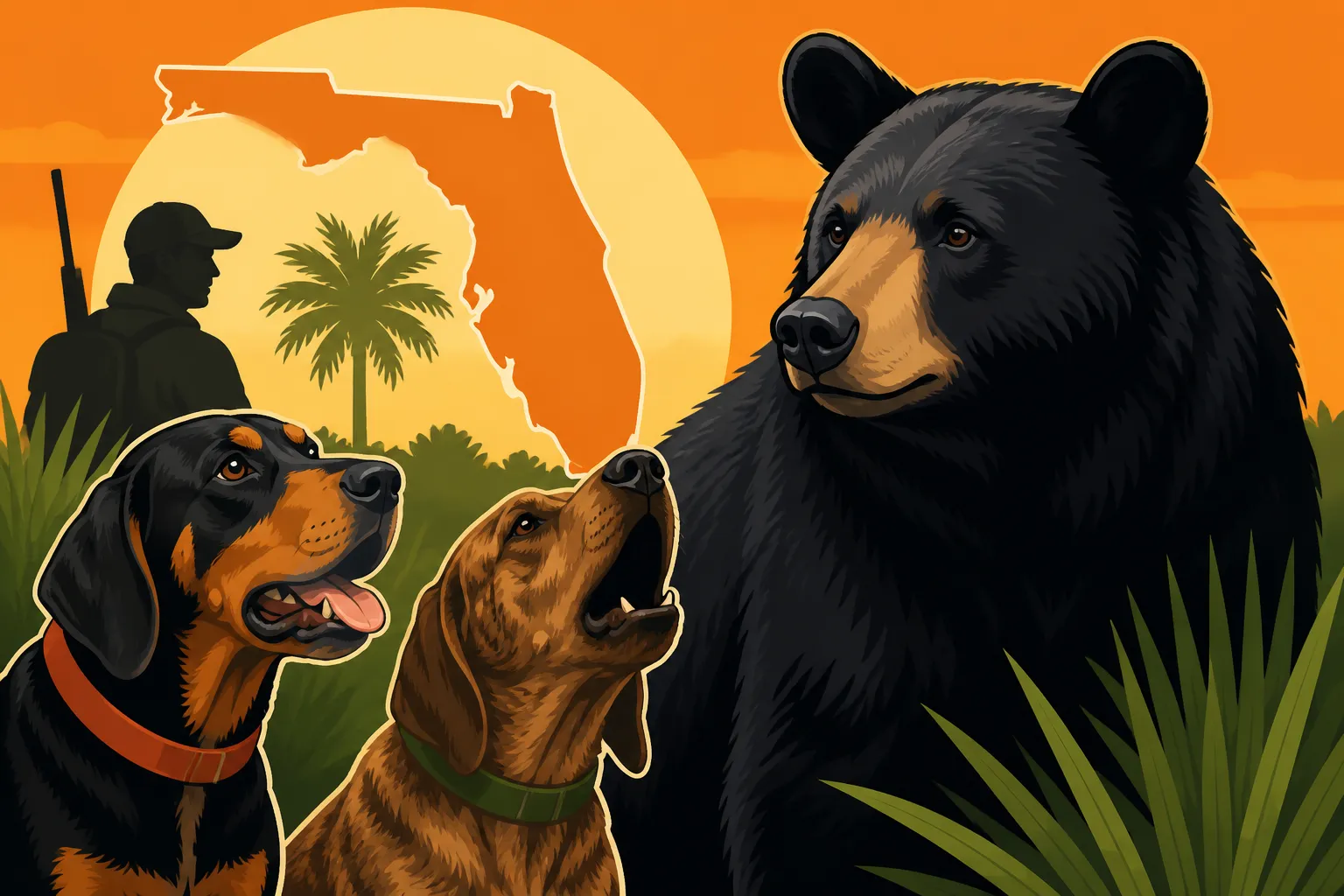
The most significant restriction that many traditional hunters keen on pursuing big game might notice is the explicit ban on using dogs for bear hunting. This isn't just a casual omission; it's a deliberate regulatory choice. When the FWC decided to restart bear hunting, they opted for a highly controlled approach, which included limiting methods that could potentially lead to widespread public opposition or management difficulties. Consequently, the use of dogs to trail, pursue, or bay bears is not permitted in Florida's bear hunting seasons currently approved through 2026. This means that if you're planning on Hunting the December Bear Season, you'll need to leave your hounds at home. This restriction applies statewide across all approved bear hunting zones and is a core component of how the FWC intends to manage the hunt in its early, re-established phases. The specific wording in the regulations leaves no room for ambiguity: no dogs allowed for bear hunting.
The Deliberate Reasoning Behind the Dog Hunting Ban
The decision to prohibit the use of dogs for bear hunting isn't arbitrary. It stems from a confluence of factors, including public perception, specific wildlife management goals, and practical safety considerations.
Public Perception and Ethical Debates
One of the most powerful influences on the FWC's decision-making process was, and continues to be, public perception. The hunting of bears with dogs, while a traditional and effective method in many parts of the country, often evokes strong negative reactions from non-hunting segments of the public. Images of bears being pursued or cornered by a pack of hounds can be viewed as inhumane or overly aggressive, leading to significant public outcry. In a state like Florida, with a large and diverse population, balancing the desires of hunters with broader public opinion is a delicate act. When bear hunting was reinstated, the FWC faced intense scrutiny. To mitigate widespread opposition and create a more widely accepted hunting framework, restricting controversial methods like hound hunting became a strategic necessity. The ethical debate surrounding fair chase, the perceived stress on the animals, and the potential for unintended conflicts between dogs and bears all played a role in this regulatory choice.
Wildlife Management Objectives and Bear Behavior
Beyond public sentiment, the FWC's management goals for Florida's black bear population also factored heavily into the decision. Bear populations, while robust, are still managed carefully, and the FWC wants to ensure the long-term health and stability of the species. Hunting with dogs can be an incredibly efficient method, sometimes leading to higher harvest rates and a broader distribution of hunter effort. In the initial phases of a re-established hunt, the FWC might prefer more precise control over the harvest to ensure quotas are met but not exceeded too rapidly, as happened in 2015. Still-hunting and stalking generally result in lower hunter success rates, which can be seen as a way to ease into a new hunting program. Furthermore, bears in Florida, particularly the Florida Black Bear Subspecies Explained, often inhabit dense, sprawling habitats like palmetto scrub, swamps, and pine forests. Using dogs in such environments can lead to bears being pushed long distances, potentially into populated areas, or resulting in lost dogs, creating additional management challenges and safety concerns for both humans and wildlife.
Safety Concerns for Hunters, Dogs, and the Public
Safety is another paramount concern. Hunting bears with dogs introduces several layers of risk. For the dogs themselves, encounters with a cornered bear can result in serious injury or even death. Bear attacks on dogs are not uncommon, and it's a risk that responsible hound hunters must always consider. For hunters, approaching a treed or bayed bear, especially in dense Florida cover, can be dangerous. Bears, even when stressed, are powerful wild animals. Moreover, in Florida's increasingly fragmented landscapes, there's always the risk of a chase leading bears and dogs onto private property without permission, into residential areas, or across busy roads, creating potential public safety hazards and legal complications. The FWC aims to minimize these risks by disallowing a method that could inadvertently put people, pets, and bears in harm's way, particularly as the state's human population continues to grow and expand into traditional bear habitats.
Navigating the Restrictions: Impacts and Alternatives for Hunters
For those accustomed to the tradition of hunting bears with dogs, the current ban is undoubtedly a significant shift. It requires adapting strategies and perhaps even rethinking the very nature of the hunt.
Challenges for Traditional Hound Hunters
The prohibition on using dogs presents a genuine challenge for hunters whose primary method for bear hunting has always involved hounds. This isn't just about a tool; it's about a hunting culture, a way of engaging with the landscape, and the deep bond formed between a hunter and their dogs. Without dogs, hunters lose the ability to efficiently track bears over long distances, push them out of thick cover, or bay them for a shot. This means that a significant portion of the skills and equipment associated with hound hunting are rendered unusable. It can feel like a part of the hunting experience has been removed, leaving a void for those who cherish the camaraderie of a pack and the thrill of the chase. This frustration is valid, especially for hunters who have spent years training their dogs and perfecting their craft. Many are left to wonder if the FWC's approach is fully inclusive of all hunting traditions, even as they acknowledge the reasons behind the rules.
Embracing Still-Hunting and Stalking Approaches
Despite the restrictions, bear hunting in Florida remains a challenging and rewarding pursuit, albeit one that demands different skills. Hunters must now rely heavily on traditional still-hunting and stalking techniques. This involves an intense focus on scouting, understanding bear travel patterns, identifying food sources, and recognizing fresh sign. Utilizing tools like scouting cameras can be invaluable for pinpointing bear activity. Hunters often look for areas with abundant mast crops like acorns or palmetto berries, which are key food sources for bears in Florida. They also focus on natural travel corridors between feeding and bedding areas, or along the edges of swamps and thickets. Being patient, stealthy, and mastering scent control become paramount. This style of hunting demands a deep connection to the environment and a quiet, observant approach. While it may not offer the same fast-paced action as a hound hunt, it provides a unique satisfaction in outsmarting a cunning animal on its own terms. If you're looking to enhance your scouting, tools like GoHunt can provide valuable mapping and data overlays that help identify prime bear habitat and travel routes, even without the aid of dogs. Learning to read the subtle signs of the forest, from scat to rubbed trees, becomes your new set of "hounds."
Staying Compliant and Ethical Under Current Rules
Regardless of personal preference for hunting methods, adherence to Florida's bear hunting regulations is absolutely critical. Ethical hunting means not only following the letter of the law but also understanding its spirit. Hunters must ensure they have all the necessary permits, including an Applying for Florida's Bear Permit Lottery application, and understand the specific rules for Florida's Thirty-One Bear Hunting Counties open to hunting. This means no attempting to use dogs, even indirectly, to assist in a bear hunt. It also requires meticulous attention to shot placement to ensure a humane kill, especially given the thick hide and bone structure of a bear. Knowing the legal weapons, hunting hours, and reporting requirements is non-negotiable. For many, this adjustment emphasizes a broader ethical responsibility: to represent the hunting community positively by demonstrating respect for wildlife, strict adherence to regulations, and a commitment to fair chase, even when traditional methods are restricted. Remember, the future of bear hunting, and potentially the reintroduction of certain methods, relies heavily on how current seasons are perceived by both the public and wildlife managers.
| Feature / Method | Current Florida Bear Season (2024-2026) | Potential for 2027 and Beyond |
|---|---|---|
| Hunting with Dogs | Prohibited | Under Review / Possible Reintroduction |
| Still-Hunting/Stalking | Permitted | Permitted |
| Baiting | Prohibited | Prohibited |
| Weapon Types | Centerfire rifle, shotgun, muzzleloader, bow | Likely similar |
| Primary Goal | Population Management, Conflict Reduction | Population Management, Sustainable Harvest |
| Harvest Quota | Specific annual county/zone quotas | Annual quotas based on population data |
| Public Acceptance | Highly sensitive to method | Continuous FWC evaluation |
Looking Beyond 2027: What the Future Might Hold
The "waiting period" for bear dogs until 2027 isn't an arbitrary date but rather signifies a window for evaluation and potential reconsideration. The FWC has a dynamic approach to wildlife management, and regulations can change based on new data, research, and public input.
The FWC's Ongoing Review and Data Collection
Florida's wildlife management is driven by science and continuous assessment. The FWC consistently monitors bear populations, habitat health, human-bear conflict rates, and hunter harvest data from current and past seasons. This data is crucial for making informed decisions about future regulations. During this period leading up to 2027, the FWC will be looking closely at how the current hunting framework impacts bear populations and management objectives. They will assess whether the current methods are effectively meeting their goals for population control and conflict reduction, and how the hunting public is adapting. They are also likely observing bear hunting practices in other states where dogs are used, weighing the pros and cons in different ecological and social contexts. Organizations like GoHunt often compile data and analysis from various state wildlife agencies, which can offer hunters insights into these evolving management strategies. This thorough review process is essential before any significant changes to hunting methods, such as reintroducing hound hunting, are considered.
Potential Changes and Community Input
The year 2027 isn't a guaranteed reintroduction date for bear dogs; rather, it marks a potential inflection point where the FWC might revisit the regulation. Any changes would likely come after a comprehensive review of the scientific data, significant public workshops, and opportunities for community input. Hunters and conservationists would have a chance to voice their opinions, present data, and advocate for their preferred methods. If the FWC determines that the current restrictions are overly limiting, or if new approaches to managing human-bear interactions are developed, the possibility of allowing dogs for bear hunting could be explored. This might not mean a complete return to how it was in other states, but perhaps a phased reintroduction with specific limitations, such as restricted areas, limited numbers of dogs, or specific types of chases. The decision will ultimately hinge on a complex balance of biological sustainability, public safety, and social acceptance.
Preparing for the Future: Resources and Engagement
Whether you're patiently waiting for 2027 or embracing the current still-hunting opportunities, staying informed and engaged is key to being a responsible and effective advocate for hunting in Florida.
Utilizing FWC and GoHunt Resources
The Florida Fish and Wildlife Conservation Commission (FWC) website is your absolute best source for up-to-date and official information regarding bear hunting seasons, regulations, and permit applications. They publish detailed brochures, news releases, and often host online Q&A sessions. Regularly checking their "Bear Hunting" section will keep you current on any proposed changes or application windows for permits. Beyond the FWC, hunting information platforms like GoHunt can be incredibly helpful. While not an official regulatory body, these platforms often aggregate hunting news, provide advanced mapping tools for scouting, and offer forums where hunters discuss tactics and share information. Using their mapping layers can help you identify public land opportunities and understand the terrain, which is vital for effective still-hunting. Consider looking into resources for Scouting Florida Public Land Before Season to maximize your chances, regardless of the method.
Becoming an Informed Advocate for Hunting Traditions
For many, the desire to use dogs in bear hunting isn't just about efficiency; it's about preserving a hunting heritage. If you feel strongly about the potential reintroduction of dog hunting for bears, it's vital to engage respectfully and constructively with the FWC and the broader public. This means staying informed about proposed rule changes, participating in public comment periods, and attending FWC meetings. Educating yourself and others about responsible hound hunting practices, the history of the tradition, and the role it plays in wildlife management in other states can help shift public perception. Demonstrating a commitment to ethical hunting, conservation, and safety in all your endeavors will strengthen the argument for responsible hunting practices in general. This includes understanding and complying with Florida Hunter Education Requirements and setting a good example in the field. Your voice, when informed and respectful, is a powerful tool in shaping the future of hunting regulations in Florida.
Disclaimer
The information provided in this guide is for general informational purposes only and does not constitute legal advice. Hunting regulations, permit requirements, and season dates are subject to change. Always consult the official Florida Fish and Wildlife Conservation Commission (FWC) website or printed regulations for the most current and accurate information before participating in any hunting activity. Failure to comply with all applicable laws and regulations may result in penalties.