Florida Zone C Season Dates
Navigating the myriad of hunting seasons and zone regulations in Florida can feel like trying to untangle a fishing net after a particularly wild cast. It’s a common frustration, especially when you’re trying to lock down your hunting plans for a specific area. If you’re a hunter setting your sights on Zone C, understanding the precise opening and closing dates for various game is absolutely crucial to a successful and legal season. This comprehensive guide will meticulously break down all the Florida Zone C season dates for deer and other popular game, ensuring you’re well-equipped with the knowledge you need before you ever step foot in the woods.
Understanding Florida's Deer Management Zones
Florida's diverse ecosystems and varying deer populations necessitate a carefully structured approach to hunting management, which is why the state is divided into four distinct deer management zones: A, B, C, and D. Each zone has its own set of rules and season dates tailored to the specific biological characteristics of the deer herd within that region, as well as ecological factors like habitat and climate. It’s not just arbitrary lines on a map; these zones reflect a deep understanding of Florida's wild landscapes.
Why Florida Divides the State into Zones
The primary reason for dividing Florida into these deer management zones is to optimize herd health and hunting opportunities by accounting for regional differences in deer biology, specifically the timing of the rut. You see, the rut – that magical, chaotic period of deer breeding – doesn't happen at the same time across the entire state. In South Florida (Zone A, for instance), the rut can peak as early as July or August, while in the Panhandle (Zone D), it might not kick in until late October or November. If FWC (Florida Fish and Wildlife Conservation Commission) had a single statewide season, it would either open too early for some areas, missing the best pre-rut action, or too late for others, long after the deer have settled back into their post-rut patterns.
Beyond the rut, habitat types and climate also play a significant role. Florida is a massive state with everything from vast pinewoods and palmetto flats to cypress swamps and agricultural fields. These varied environments influence deer density, nutrition, and overall behavior. By creating zones, wildlife managers can implement season dates and bag limits that align with local conditions, ensuring sustainable hunting practices and healthy deer populations for generations to come. It’s a complex dance, but it’s vital for the future of Florida hunting.
Identifying Zone C's Boundaries
Zone C, often referred to as the Central Florida Zone, covers a substantial portion of the peninsula, stretching from a line across north central Florida down to the southern half of the state, but excluding the far southern tip which falls into Zone A. Specifically, Zone C is generally bordered on the north by State Road 70 and on the south by State Road 70 as well, roughly encompassing counties such as Osceola, Polk, Hardee, Highlands, Okeechobee, and parts of others like St. Lucie, Collier, and Monroe. It can get a bit tricky when county lines and highway boundaries intersect, so it’s always a good idea to double-check the exact map provided by FWC.
To be absolutely certain you're within Zone C, especially if your hunting spot is near a boundary, using a reliable mapping tool like GoHunt's detailed land ownership and zone overlays is invaluable. These digital resources can pinpoint your exact location relative to the zone lines, removing any guesswork. There's nothing worse than thinking you're in one zone only to find out you've been hunting under the wrong set of dates. Always confirm your specific hunting location with the official FWC zone map to avoid any potential headaches or legal issues. If you're wondering Which Zone Covers Your Florida County, a quick check on the FWC website or a mapping app will clarify it instantly.
Archery Season in Florida's Zone C
Archery season is a special time for many Florida hunters, offering an early crack at deer before the general gun season kicks in. In Zone C, this means getting out into the woods during the hotter, more humid months, but also enjoying the peace and quiet of fewer hunters and deer that might be less pressured. It demands a different kind of preparation and patience, but the rewards can be immense.
The Thrill of Early Archery
For Zone C hunters, archery season typically kicks off in mid-September, offering a generous window of opportunity for bowhunters. This early start, often around September 14th or similar date, usually runs for about a month, ending in mid-October, like October 13th. What makes this period so thrilling is the chance to hunt deer that haven't yet been heavily pressured by firearms. While the rut might not be in full swing across all of Zone C during this time, deer are certainly active, establishing their patterns, and often still in summer feeding modes.
However, hunting in September and early October in Florida means dealing with significant heat and humidity. This isn't your crisp autumn morning hunt from up North; it's a sweat-inducing, bug-laden endeavor. Hunters must prioritize hydration, scent control, and quick game recovery. It's also an excellent time to pattern deer moving to and from water sources or early season food plots. Using your GoHunt app for satellite imagery and public land boundaries can really help you scout those crucial early season feeding and bedding areas before the season even starts. Understanding Legal Weapons During Florida Archery Season is paramount to ensure your equipment adheres to FWC regulations.
Crossbows and Other Archery Equipment
When it comes to archery equipment in Florida's Zone C, hunters have a bit of flexibility. You're allowed to use traditional bows, compound bows, and crossbows during the archery season. The key is to understand the specific regulations for each. For instance, broadheads must meet certain minimum cutting diameters, and crossbows have specific draw weight requirements. It’s important not to just assume; always check the current FWC regulations booklet for the exact specifications.
Many hunters, especially those looking for a bit more range or ease of use, opt for crossbows during the early season. They offer a great balance of power and precision, which can be particularly advantageous when trying to punch a tag through thick Florida palmetto or cypress. Just remember, regardless of your weapon of choice, practice is key. Florida deer are notoriously cagey, and clean shots are always the goal. If you're considering Crossbow Hunting During Florida's Archery Season, ensure you're familiar with all the gear requirements and ethical shot placement practices.
Muzzleloader Season in Zone C
After the archery season wraps up, Zone C transitions into a dedicated muzzleloader season. This offers hunters another fantastic opportunity to pursue deer with a primitive weapon, bridging the gap between archery and the general gun season. It's a chance to slow down, embrace the challenge, and connect with a more historical form of hunting.
Embracing the Primitive Weapon Hunt
For those who love the crack of black powder and the challenge of a single-shot hunt, Zone C's muzzleloader season is a real treat. This season typically follows directly after archery, usually opening in mid-October (around October 14th) and running for about two weeks, concluding at the end of the month (around October 27th). This period often coincides with a slight cooling trend, making for more comfortable hunting conditions compared to the sweltering archery opener.
Muzzleloader season in Zone C provides a fantastic opportunity to hunt deer that are becoming more active as temperatures drop and fall food sources become more prominent. While not the peak of the rut in most of Zone C, bucks are definitely moving and starting to show more interest in does. The limited range and single-shot nature of muzzleloaders mean stalking skills, scent control, and precise shot placement are even more critical. It's a truly immersive experience that many hunters cherish. For a deeper dive into this unique method, check out our guide on Muzzleloader Deer Hunting in Florida.
Muzzleloader Rules and Equipment
Florida has specific rules regarding the types of muzzleloaders and ammunition that can be used during this special season. Generally, you’ll be looking at firearms that load from the muzzle, including those with exposed hammers and fixed sights, or optics that don’t contain electronics. It’s important to note that many modern inline muzzleloaders with features like open breach plugs or electronic ignition might have restrictions, so always consult the FWC regulations.
Projectile-wise, you're usually limited to single projectiles like sabots or patched round balls. The use of pre-loaded cartridges or multiple projectile loads is strictly prohibited. You’ll want to ensure your powder is legal too—black powder or approved substitutes are the standard. Given the typical Florida weather, it’s also wise to practice in humid conditions and properly waterproof your powder and primers, as moisture can quickly render your muzzleloader useless in the field. Having a solid cleaning routine post-hunt is also essential to prevent rust from that corrosive black powder.
General Gun Season for Zone C Hunters
The general gun season is, for many, the main event. It's when most hunters head to the woods, and Zone C offers ample opportunity for pursuing deer with a wider range of firearms. This season is often divided into segments, so paying close attention to the specific dates is vital.
Key Dates for Modern Firearms
Zone C's general gun season is typically a robust period, offering multiple weeks of hunting. It generally opens in late October (often around October 28th) and continues through the Thanksgiving holiday and into December, usually closing around December 1st. This is a prime time for many hunters as the weather usually cools off considerably, and deer activity increases. While the rut timing varies within Zone C, the general gun season often catches the tail end of pre-rut activity in some areas and the peak of breeding in others, making for exciting hunting.
This extended period allows hunters flexibility in their schedule, whether they prefer to hunt earlier in the season or save their tags for late November. It’s also important to note that specific Wildlife Management Areas (WMAs) within Zone C might have different dates or quota hunt requirements, so always check the WMA-specific regulations. Using an application like GoHunt can help you overlay WMA boundaries and check their specific hunt dates right on your phone. If you're planning a trip to a WMA, make sure to understand The Florida WMA Management Area Permit requirements.
Understanding Bag Limits and Deer Reporting
One of the most critical aspects of Florida deer hunting, regardless of the zone, is adhering to bag limits and reporting requirements. For Zone C, the daily bag limit is generally two deer per day, but with specific stipulations. One of those deer must be an antlered deer, and the other can be an antlered deer or an antlerless deer. There are further restrictions on antler size (a minimum of one antler at least 5 inches in length for certain deer, unless hunting on certain properties where antler point restrictions don't apply). It's really important to know the Florida Buck Bag Limit and any local regulations.
Beyond the daily limit, there’s also an annual bag limit for antlered deer, which is five per hunter across all zones. Antlerless deer tags, if available, are typically issued for specific seasons or properties. What’s often overlooked, or at least causes a bit of a scramble for new hunters, is the mandatory deer reporting. All harvested deer in Florida, regardless of zone or weapon, must be reported within 24 hours of harvest. You can do this easily through the FWC’s app, online portal, or by phone. This data is crucial for wildlife managers to monitor the health and population of Florida’s deer herd. For more details on the process, check out Florida Deer Reporting Requirements or our guide on Reporting a Deer Through Florida's App.
Special Opportunities and Youth Hunts in Zone C
Florida offers some fantastic opportunities beyond the standard season dates, particularly for younger hunters and those looking for unique management antlerless tags. Zone C, with its diverse landscape, often sees these special hunts integrated into the overall season structure.
Youth Deer Hunting Weekends
For families eager to introduce the next generation to the joys of hunting, Florida's youth deer hunting weekends are invaluable. In Zone C, these special weekends typically occur before the main general gun season opens, often in mid-October (around October 12-13th). This timing provides a low-pressure environment for young hunters, allowing them to gain experience with less competition and typically more active deer.
During these youth-only hunts, supervised hunters 15 years old or younger can harvest antlered or antlerless deer using any legal method of take, including centerfire rifles, shotguns, muzzleloaders, or archery equipment. The adult supervising hunter must possess a valid Florida hunting license and all necessary permits but is prohibited from harvesting deer during these specific youth weekends. It’s an incredible program designed to foster ethical hunting practices and create lasting memories. You can find all the specific details and requirements in our article on Florida Youth Deer Hunt Rules. These weekends are vital for passing on our hunting heritage, and encouraging young people to participate is something we should all support.
Late-Season Antlerless and Other Permits
While the core deer season in Zone C concludes in early December, there can occasionally be special late-season antlerless opportunities or specific management permits. These are often tied to particular Wildlife Management Areas (WMAs) or private lands enrolled in specific deer management programs. For example, some WMAs might offer short, late-season antlerless-only hunts to help manage local deer populations, especially if harvest goals haven't been met.
These hunts often require special quota permits, which hunters must apply for well in advance through the FWC quota hunt system. The application periods are usually months before the season, so it's critical to plan ahead and check the FWC website or use a tool like GoHunt to stay on top of application deadlines. These opportunities are less about the general hunter and more about specific management needs, but they can be incredibly rewarding for those who participate. If you’re interested in Late-Season Food Sources for Florida Whitetails, knowing about these late-season tags might help you plan your scouting trips.
Beyond Deer: Other Game Seasons in Zone C
While deer hunting often takes center stage, Zone C is a vibrant ecosystem supporting a variety of other game species. Understanding these overlapping seasons is crucial for hunters who like to diversify their pursuits or simply know what else might be moving through the woods.
Turkey Season Considerations
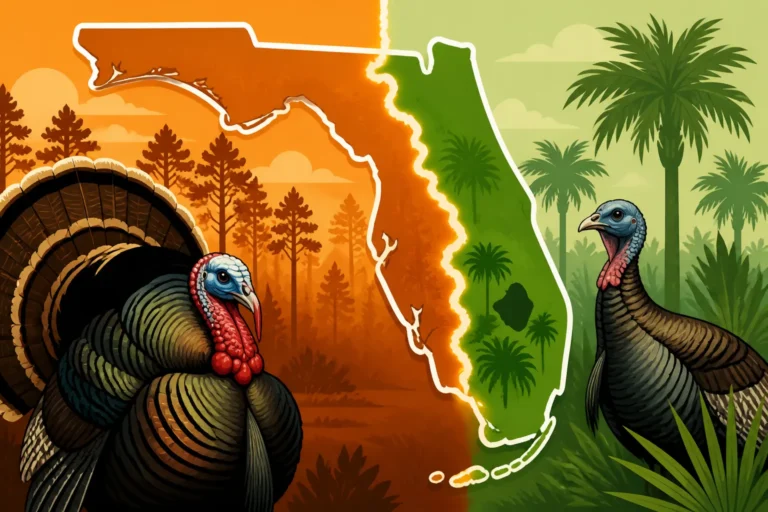
For the turkey hunters among us, Zone C falls within the Osceola turkey range. The spring turkey season for the Osceola zone typically opens in early March (around March 2nd) and runs through mid-April (around April 7th). This is a highly anticipated time, as hunters from all over the world come to Florida to pursue the elusive Osceola gobbler, one of the most challenging subspecies to tag for the Grand Slam.
The timing of the spring turkey season in Zone C is designed to coincide with the peak breeding and gobbling activity of these magnificent birds. However, like with deer, always check the specific regulations, as some WMAs might have different season structures or quota hunt requirements for turkeys. Bag limits are usually two gobblers or bearded turkeys per season. If you're planning a spring turkey hunt, our guide on Florida Osceola Spring Season Dates is an essential read for detailed information on this iconic bird. The thrill of an Osceola gobbler sounding off in the Florida scrub is something truly special.
Small Game and Hog Hunting
Beyond big game, Zone C offers fantastic opportunities for small game and, of course, feral hogs. Small game seasons, like for squirrel and rabbit, typically run from November through early March, often overlapping with late deer seasons. These provide a fun, active hunt for younger hunters or those looking for a more relaxed outing. Check the FWC regulations for specific dates, as they can vary slightly.
And then there are the hogs. Ah, Florida's feral hogs! These pervasive animals are available for hunting year-round in Florida, with no closed season and no bag limit on private lands, and very generous rules on public lands and WMAs. This means that even if you've filled your deer tags or are waiting for another season to open, you can almost always find an opportunity to hunt hogs in Zone C. They offer a challenging hunt and delicious table fare. Whether you're chasing deer or not, Year-Round Hog Hunting in Florida is a fantastic option, and many hunters will combine a deer hunt with a hog hunt to maximize their time in the field. Don't forget that on most private lands, you're permitted to hunt Hunting Hogs Without a Bag Limit and often at night with lights, providing even more flexibility.
Essential Florida Zone C Deer Season Dates Summary
To help you keep track of all these important dates, here's a handy table summarizing the typical deer season schedule for Zone C. Remember, these are general guidelines, and it's always critical to consult the official FWC regulations for the most up-to-date information, especially for specific WMAs which can have varying dates.
| Season Type | Typical Opening Date | Typical Closing Date | Notes |
|---|---|---|---|
| Archery Season | Mid-September | Mid-October | Bows and Crossbows permitted. Hot and humid conditions are common. |
| Muzzleloader Season | Mid-October | Late October | Single-shot muzzleloaders. Follows archery, precedes general gun. |
| General Gun Season | Late October | Early December | Primary deer hunting season. Often overlaps with peak rut activity in parts of Zone C. |
| Youth Deer Hunt | Mid-October | Mid-October | Special two-day weekend for hunters 15 and younger, supervised by an adult. |
This table provides a quick reference, but each season type comes with its own detailed regulations, weapon restrictions, and bag limits that you must be aware of. Using resources like the FWC website or a robust hunting app like GoHunt will provide you with the most current and localized information to ensure a safe and legal hunt.
Planning Your Zone C Hunt with Confidence
Planning a hunt in Florida's Zone C requires diligence, but with the right information, it's entirely manageable. Understanding these season dates, familiarizing yourself with the specific regulations for each weapon type, and knowing your zone's boundaries are your first steps toward a successful outing. Don't hesitate to spend time scouting, whether physically or virtually with mapping tools, to understand deer patterns and locate potential hunting spots.
Florida offers incredible hunting opportunities, and Zone C, with its diverse habitats and varied season structure, is no exception. From the challenge of early archery to the excitement of general gun season, there's something for every hunter. Just remember to respect the wildlife, adhere to all regulations, and prioritize safety above all else. Happy hunting!
Disclaimer
The information provided in this guide is for general informational purposes only and is subject to change. Hunting regulations, season dates, and permit requirements are established by the Florida Fish and Wildlife Conservation Commission (FWC) and can be modified annually. It is the hunter's sole responsibility to consult the most current and official FWC regulations and local WMA specific rules before engaging in any hunting activity. Failure to do so may result in legal penalties.