Florida Zone D Season Dates
It's incredibly frustrating when you're trying to plan your next Florida deer hunt, and you feel like you need a law degree just to decipher the season dates. Our state's unique zone system can be a real head-scratcher, making it tough to figure out exactly when you can hit the woods, especially if you're targeting Zone D. This comprehensive guide is here to break down the Florida Zone D season dates, covering archery, muzzleloader, and general gun phases, so you can confidently plan your hunts without the guesswork and get back to what truly matters: scouting and chasing whitetails.
Understanding Florida's Deer Management Zones
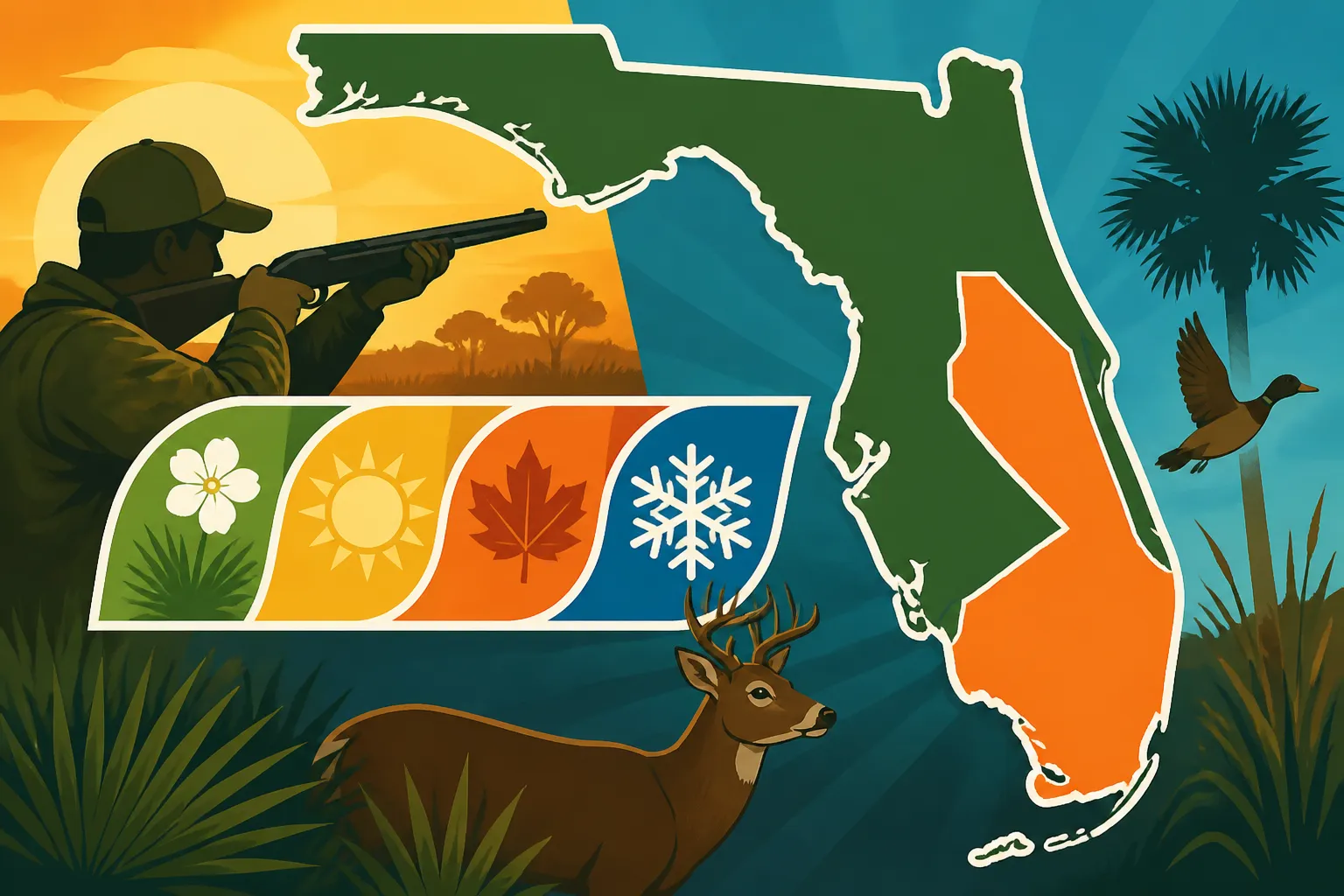
Florida's diverse landscape means deer behavior, habitat, and even rut timing can vary significantly from the Panhandle down to the Everglades. To better manage these regional differences and provide tailored hunting opportunities, the Florida Fish and Wildlife Conservation Commission (FWC) has divided the state into four distinct deer management zones: Zone A, Zone B, Zone C, and Zone D. Each zone has its own set of season dates for archery, muzzleloader, and general gun, designed to align with local deer biology and hunting pressure.
Why Florida Uses a Zoned System
The primary reason for dividing Florida into these specific zones is to optimize deer management strategies across the state. Deer herds in North Florida, for instance, often experience cooler weather, different food sources, and a rut that generally peaks much earlier than their counterparts in the southern parts of the state. If you want to dive deeper into this, you might find our article on Why Florida's Deer Seasons Vary So Much by Zone helpful. Without this zonal approach, a statewide season would either open too early for some areas, missing the peak of the rut and risking unhealthy harvests, or too late for others, leading to inefficient management.
Where is Florida's Zone D Located?
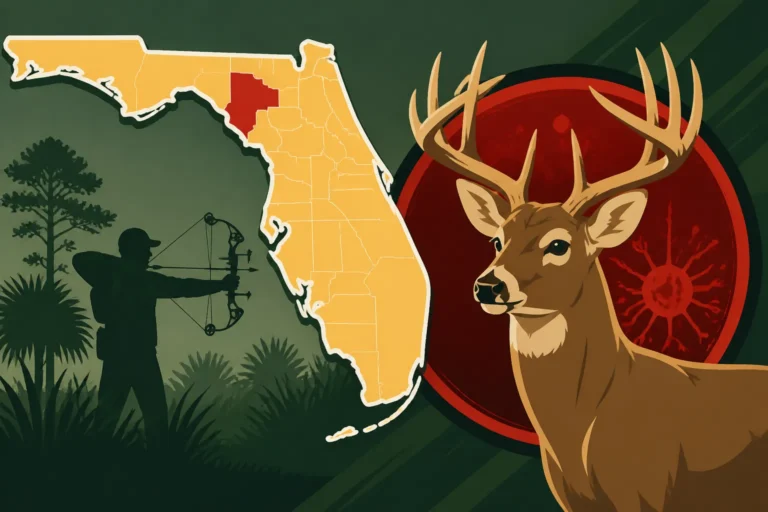
Zone D encompasses the northwestern part of Florida, primarily covering a significant portion of the Panhandle region. This area includes counties such as Escambia, Santa Rosa, Okaloosa, Walton, Holmes, Washington, Bay, Gulf, Calhoun, Jackson, and Liberty, among others. Hunters in these counties fall under the Zone D regulations. It's crucial to confirm Which Zone Covers Your Florida County before planning any hunt, as county lines are the definitive boundaries for these zones. The habitat here often features pine plantations, hardwood hammocks, and cypress swamps, presenting unique challenges and opportunities for hunters.
Florida Zone D Archery Season
The archery season in Zone D typically marks the earliest opportunity for hunters to pursue deer with a bow. This season offers a challenging yet rewarding experience, as deer are often still on summer patterns, and the weather can be quite warm and humid. Many hunters relish this chance to get out before the general gun pressure begins.
Zone D Archery Opening and Closing Dates
For Zone D, the archery season generally opens in late October and runs through late November. This timeframe allows hunters to target bucks before the main rut activity truly kicks in, or catch the very early stages of pre-rut behavior. Make sure to check the official FWC regulations each year for the precise dates, as they can sometimes shift by a few days. For instance, the Florida Zone D Late Fall Archery Opener is a key date many bowhunters mark on their calendars.
During this period, deer are still mostly focused on food sources and can be found frequenting agricultural fields, acorn flats, and natural browse. Setting up near bedding areas or established travel corridors between bedding and feeding sites is often a productive strategy. Early mornings and late evenings tend to be the most active times, especially as the temperatures start to dip slightly.
Archery Tactics for Zone D
Hunting Florida's Zone D during archery season often means contending with warm temperatures and active insects. Hydration is paramount, and insect repellent is your best friend. Many experienced archers in this zone focus on scouting water sources and lush green-up areas after summer rains, as these can be magnets for deer. Using trail cameras can be incredibly helpful for identifying specific deer movement patterns and preferred feeding times.
Consider using lightweight, breathable clothing and be mindful of thermals, which can be tricky in Florida's relatively flat terrain, even in the slightly rolling Panhandle. Techniques like still-hunting, particularly along swamp edges or through dense palmetto, can be effective, especially if you're adept at moving slowly and quietly. While the rut isn't in full swing, some bucks may start sparring, and a little light rattling or grunting might pique their interest, though it's less consistently effective than later in the season.
Muzzleloader Season in Zone D
The muzzleloader season provides a bridge between the quiet challenge of archery and the widespread participation of general gun season. It's a fantastic opportunity for hunters who enjoy the historical aspect of black powder hunting or prefer a single-shot challenge with a longer range than a bow, but without the full pressure of modern firearms.
Dates for Zone D Muzzleloader Hunting
Following the archery season, Zone D's muzzleloader season typically opens in late November or early December, running for about a week to ten days. This timing is often perfect to catch the peak of the rut in many parts of the Panhandle. This can be an incredibly exciting time to be in the woods, as bucks are actively seeking does, often letting their guard down more than at any other point in the season. To prepare, reviewing our comprehensive guide on Muzzleloader Deer Hunting in Florida can give you a significant advantage.
The crisp, cooler air that often accompanies late November and early December in Zone D also makes for a more comfortable hunt than early archery. Deer are moving more freely during daylight hours, and the signs of rut – scrapes, rubs, and active trails – become much more apparent. This makes stand placement around known travel corridors, funnel points, and doe bedding areas particularly effective.
Strategic Approaches for Muzzleloaders
During muzzleloader season in Zone D, focusing on rut-centric tactics is key. Scrapes and rub lines along sand roads or property boundaries become prime locations. Aggressive calling, including rattling and grunting, can be highly effective, as bucks are often eager to challenge rivals or find receptive does. Don't be afraid to try "run-and-gun" tactics, moving from spot to spot, calling, and listening for responses, particularly in more open pine woods or along forest edges.
Remember that muzzleloaders require careful loading and cleaning. Practice is essential to ensure accuracy and familiarity with your firearm. The single-shot nature of these weapons also means making that first shot count is even more critical. Carrying a speed loader or pre-measured charges can help with quicker follow-up shots if needed, though ideally, you'll only need one. Tools like the GoHunt app can assist in identifying potential stand locations and understanding land features that might funnel deer during the rut.
General Gun Season in Zone D
The general gun season is the most anticipated and participated-in deer hunting period in Florida. It offers the longest window of opportunity and allows for the use of modern firearms, making it accessible to a wide range of hunters. In Zone D, this season is particularly exciting due to its alignment with the main rut in many areas.
Zone D General Gun Opening and Closing Dates
In Florida's Zone D, the general gun season usually kicks off in mid-December and extends all the way into February. This generous timeframe provides ample opportunity to hunt during various stages of the rut and post-rut. The long season means you can adapt your tactics as deer behavior changes. For many, the Florida Zone D Gun Season Closing Date is a bittersweet end to months of pursuit.
The late opening compared to other zones means that hunters often hit the woods when the weather is at its coolest and most pleasant for hunting. This also means that by the time general gun opens, many bucks are in full rut or transitioning into the post-rut recovery phase, offering different but equally exciting challenges.
Hunting Techniques for General Gun
The general gun season in Zone D offers flexibility in hunting methods. Early in the season, during the peak of the rut, calling strategies such as rattling and grunting are still highly effective. Setting up near established doe groups and waiting for cruising bucks can pay off handsomely. As the season progresses into January and February, deer behavior shifts. Bucks become more focused on recovering from the rut, seeking out nutrient-rich food sources. Our guide on Late-Season Food Sources for Florida Whitetails will be invaluable during this period.
Deer drives, especially with three or four hunters, can also be a productive tactic in the dense palmetto thickets or pine plantations common in the Panhandle. When considering public lands within Zone D, like parts of Apalachicola National Forest, knowing how to interpret aerial photos for Florida deer becomes a huge advantage for identifying potential funnels or bedding areas. Always remember to wear the required blaze orange during general gun season for safety.
Youth Hunts and Other Special Opportunities in Zone D
Beyond the core archery, muzzleloader, and general gun seasons, Florida also offers special opportunities, particularly for youth hunters, providing invaluable experiences for the next generation of sportsmen and women.
Florida Zone D Youth Deer Hunt Dates
The FWC often designates specific weekends for youth deer hunts, typically preceding the general gun season opener. These hunts allow licensed youth hunters (usually under 16 years old) to hunt under the supervision of a licensed adult. These dates are often communicated well in advance, and it's essential to consult the most current FWC regulations for precise timings. These dedicated youth hunts are a fantastic way to introduce new hunters to the sport in a less pressured environment. If you're planning a hunt with a young one, be sure to review the Florida Youth Deer Hunt Rules in detail.
These opportunities are designed to foster ethical hunting practices and provide a memorable experience. It's often during these hunts that young hunters learn the ropes, from scouting to tracking, and develop a lifelong passion for conservation. Making the experience fun and educational is always the top priority.
Special Opportunities on Wildlife Management Areas
Many Wildlife Management Areas (WMAs) within Zone D also offer unique hunting opportunities, including quota hunts or specific dates for certain weapons. These can include additional archery, muzzleloader, or even general gun periods that might differ slightly from the statewide Zone D dates. Always check the individual WMA regulations carefully, as access often requires a WMA Management Area Permit and sometimes a quota permit. For a deeper dive, consider reviewing Hunting Florida's Four Deer Zones.
Some WMAs might have later antlerless harvest periods or specific primitive weapons opportunities. These areas are managed intensely to provide quality hunting experiences, but they also come with more stringent rules and often require advance planning and application. Using mapping tools, such as those offered by GoHunt, can help you navigate specific WMA boundaries and regulations, ensuring you're compliant with all local rules.
Planning Your Zone D Hunt: Key Considerations
Successfully hunting Florida's Zone D, like any other region, requires careful planning that goes beyond just knowing the season dates. Understanding the local nuances, your gear, and the regulations is paramount for a safe and successful trip.
Gear and Equipment for Florida Zone D
Given Zone D's varied terrain – from thick cypress swamps to open pine plantations – your gear choices can significantly impact your comfort and success. Breathable, moisture-wicking clothing is crucial, especially during the warmer early parts of the season. Good quality snake boots or gaiters are highly recommended, as venomous snakes are prevalent in many areas. A reliable GPS device or a smartphone app with offline mapping capabilities is a must for navigating large tracts of public land.
For general gun season, consider a rifle chambered in a common caliber like .308, .270, or .30-06, which are versatile for Florida whitetails. Shotguns with slugs are also popular, especially in areas with dense cover. Always confirm legal weapons during Florida archery season to ensure compliance. Don't forget essentials like a good headlamp, a reliable knife, and plenty of water.
Scouting and Pre-Season Preparation
Effective scouting is the bedrock of any successful hunt, especially on public land. Even with the best maps or satellite imagery, boots-on-the-ground scouting can reveal fresh sign, active travel corridors, and preferred food sources that aren't visible from above. Start well before the season opens, looking for rubs, scrapes, and tracks. Our guide on Scouting Florida Public Land Before Season offers excellent tips.
Pay attention to changing food sources, particularly acorn drops in oak hammocks, and how they influence deer movement. As the season progresses, deer patterns can change dramatically, so stay adaptable. Utilize game cameras to monitor specific areas and learn when deer are most active. Regularly checking weather forecasts will help you anticipate cold fronts or temperature drops, which can often trigger increased deer activity.
Licensing and Reporting Requirements
Before you even step foot in the woods, ensure all your licenses and permits are in order. You'll need a valid Florida hunting license and a deer permit. For those hunting on WMAs, a management area permit is also required. Non-residents have specific license options, and understanding Florida Hunting Licenses and What They Cost is critical.
After a successful harvest, remember that Florida requires deer to be reported. This can often be done through the FWC website or a mobile app. Familiarize yourself with the Florida Deer Reporting Requirements to ensure you remain compliant with all regulations. Proper tagging and transportation of your harvested deer are also crucial steps.
Zone D Season Dates Summary Table
To help keep all those dates straight, here's a general overview of the typical season dates for Florida's Zone D. Remember, these are general timeframes, and you should always check the official FWC regulations for the exact dates each year, as they can vary slightly.
| Season Phase | Typical Start Date (Approx.) | Typical End Date (Approx.) | Key Characteristics |
|---|---|---|---|
| Archery | Late October | Late November | Warm weather, early season patterns, pre-rut activity, quiet hunting experience. |
| Muzzleloader | Late November | Early December | Often coincides with peak rut, cooler weather, single-shot challenge. |
| General Gun | Mid-December | Mid-February | Longest season, allows modern firearms, covers rut and post-rut, coldest weather. |
| Youth Deer Hunt | Early December | Early December | Designated weekend before general gun, supervised hunting for junior hunters. |
This table provides a quick reference, but each season phase deserves your full attention and preparation to truly maximize your time in the field.
Conclusion
Navigating Florida's deer hunting season dates, especially in Zone D, doesn't have to be a confusing ordeal. By understanding the unique timing for archery, muzzleloader, and general gun seasons, and taking into account the specific characteristics of the Panhandle region, you can better plan your hunts. Zone D offers fantastic opportunities, especially during its late rut, making it a prime destination for many Florida hunters. Always remember to prioritize safety, respect wildlife, and double-check those annual FWC regulations. Now, get out there and enjoy the hunt!
Disclaimer
The information provided in this guide is for general informational purposes only and is subject to change. Hunting regulations, season dates, and license requirements are set by the Florida Fish and Wildlife Conservation Commission (FWC) and can be updated annually. It is the hunter's responsibility to consult the most current and official FWC regulations before participating in any hunting activity. Failure to do so may result in legal penalties.