Which Florida Zone Kills the Most Deer
Hunters across Florida often share a common goal: to find that sweet spot, the deer management zone where their chances of success are maximized. We’re all looking for those areas where deer are plentiful, and the opportunities to put venison in the freezer are highest. This guide is designed to cut through the chatter, diving deep into Florida's unique deer management zones, analyzing historical harvest data, and exploring the real-world factors that truly influence deer populations and hunter success across our diverse state.
Navigating Florida's Deer Management Zones
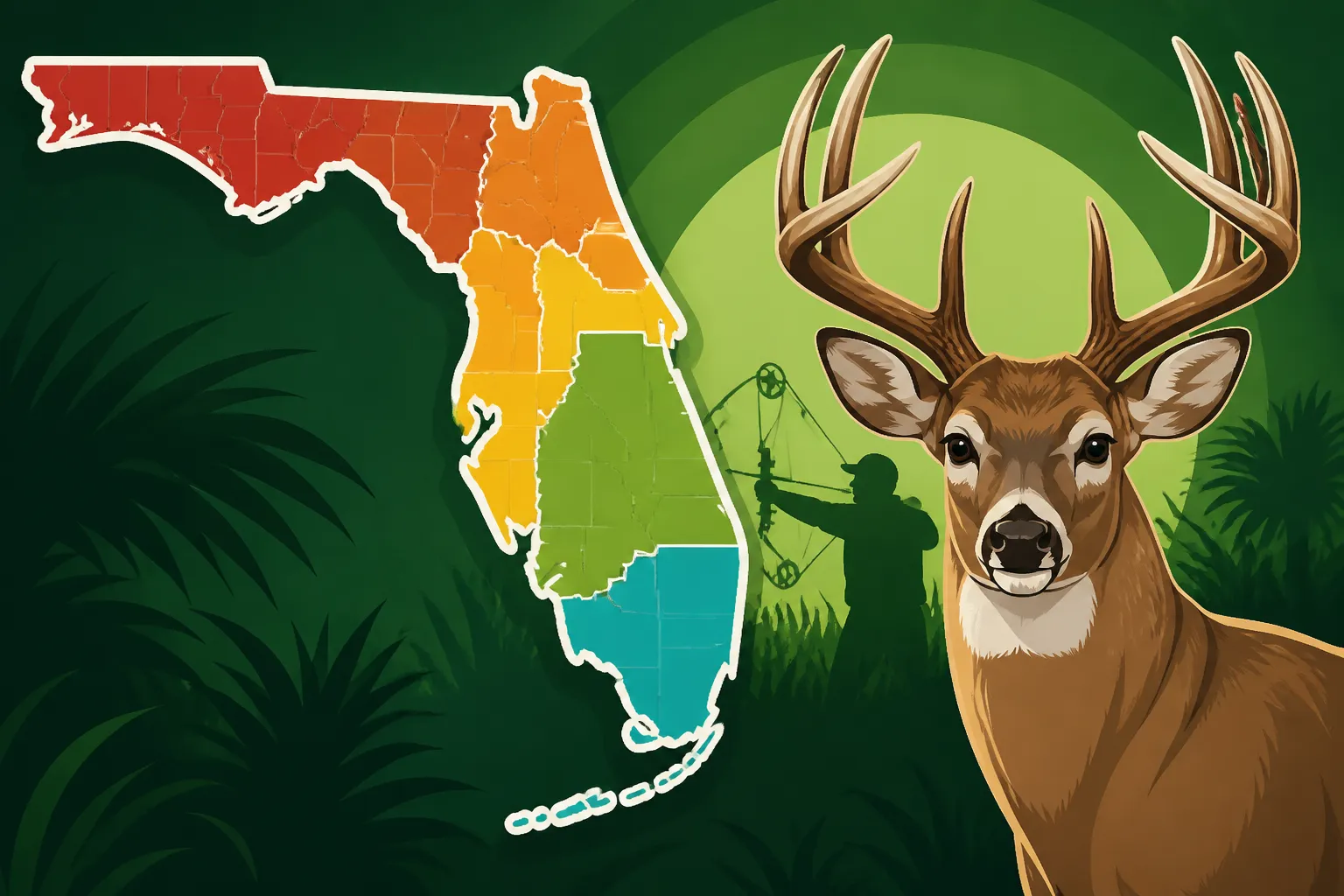
Florida isn’t one vast, uniform hunting ground. Our state is meticulously divided into distinct Deer Management Zones, primarily A, B, C, and D. These aren't just arbitrary lines on a map; they represent areas with unique ecological characteristics, varying deer population dynamics, and, critically, different hunting season dates and regulations. It’s a sophisticated system designed by the Florida Fish and Wildlife Conservation Commission (FWC) to manage deer populations effectively, tailored to the specific regional conditions you’ll encounter, which means what works for a hunter in the Panhandle might not apply down in the Everglades.
Understanding the Zone System
Each of Florida's deer management zones comes with its own specific set of opening and closing dates for archery, muzzleloader, and general gun seasons. This staggered approach is intentional. It helps to manage hunter pressure, spreads out the harvest, and, most importantly, aligns hunting opportunities with the local rut timing and unique habitat conditions of that particular region. For instance, the rut in North Florida's Zone A can be dramatically different from the rut experienced in South Florida's Zone D, and the season dates reflect these biological realities. Knowing Which Zone Covers Your Florida County is always the crucial first step before you even start dreaming about your next hunt.
Consider the stark contrast: Zone A, encompassing much of the Florida Panhandle, boasts a cooler, more temperate climate, characterized by extensive hardwood bottoms, pine forests, and agricultural fields. This environment is vastly different from Zone C in Central Florida, which might be dominated by vast expanses of palmetto flatwoods, pine scrub, and scattered oak hammocks. These significant environmental differences naturally influence everything from deer movement patterns and dietary habits to overall population health and density. The specific regulations for each zone are crafted to reflect this diversity, aiming to optimize the harvest while ensuring the long-term health and sustainability of our deer herds across the entire state.
How Zones Impact Hunter Opportunity
The distinct season dates across these zones directly translate into varying opportunities for hunters. Imagine a scenario where one zone offers an early archery opener, allowing you to chase deer before the full intensity of Florida’s late summer heat truly sets in, while another zone might extend its general gun season well into the cooler months. This staggered schedule means that an adventurous hunter, willing to travel and adapt, could potentially extend their hunting season significantly by moving between zones, provided they have a thorough understanding and strict adherence to the specific rules and regulations governing each area.
Furthermore, the predominant habitat types within each zone often dictate the most effective hunting methods. Take Zone D, for example, with its immense tracts of Big Cypress and Everglades wilderness. Hunting here frequently demands specialized approaches, such as navigating by airboat or undertaking extensive, multi-day scouting trips on foot, quite a contrast to the more traditional stand hunting that can be highly productive in the managed pine plantations of Zone A. Understanding these subtle yet critical nuances is absolutely essential for adapting your strategy and maximizing your chances of success, no matter which corner of Florida you choose to hunt. This adaptability is what separates consistently successful hunters from those who struggle.
Deconstructing Florida's Deer Harvest Data
When we delve into the question of which Florida zone "kills the most deer," we are, at its core, examining the comprehensive harvest data meticulously collected and published by the Florida Fish and Wildlife Conservation Commission (FWC). These invaluable numbers offer us the clearest and most objective snapshot of hunter success rates and deer population densities across the entire state. It’s a complex dataset, incorporating reported harvests from both vast public lands and privately managed properties, and it consistently reveals a fascinating and often predictable trend: the northern regions of Florida typically lead the state in total deer taken.
Where the Numbers Tell the Story
Historically, Zone A, which encompasses a significant portion of the Florida Panhandle, has consistently reported the highest total deer harvest numbers year after year. This isn't just anecdotal evidence or old hunter tales; it’s a verifiable fact, clearly reflected in the FWC’s official Florida Deer Harvest Records. The sheer scale of huntable land in this zone, characterized by a rich tapestry of private timberlands, expansive national forests like Apalachicola and Osceola, and a multitude of Wildlife Management Areas (WMAs), contributes profoundly to this elevated harvest volume. Moreover, the diverse and generally robust habitat found in these northern zones is inherently capable of supporting denser deer populations compared to the more environmentally challenging and often less productive landscapes found further south in the peninsula.
It's crucial, however, to differentiate between the sheer total harvest volume and metrics like harvest per hunter or per acre. A zone that covers an enormous geographical area will, by its very nature, accumulate higher total harvest numbers, even if the individual success rate for each hunter isn't dramatically higher. Nevertheless, when you step back and look at the broader picture of where the most venison consistently finds its way into Florida freezers, the Panhandle zones, particularly Zone A, have historically stood out as the state's undisputed powerhouse for deer.
Interpreting Zone-Specific Trends
The harvest data, while revealing, isn't always a straightforward, linear race; there are intricate nuances within the reported numbers that warrant closer examination. For instance, while Zone A frequently leads in terms of sheer overall volume, Zone B (which covers much of North Central Florida) and Zone C (encompassing a significant portion of Central Florida) also make very substantial contributions to the statewide harvest. This is particularly true in localized areas within these zones that boast exceptional habitat quality and experience slightly less intense hunter pressure compared to some of the Panhandle's more popular public lands. These regions, especially those characterized by a strong and healthy blend of agricultural fields and extensive natural cover, can produce remarkably impressive harvests, particularly on well-managed private properties.
Conversely, South Florida's Zone D typically exhibits the lowest total deer harvest numbers. This trend is largely attributable to the unique and often challenging environmental conditions found there – vast, interconnected wetlands, extensive cypress swamps, and a general scarcity of hard mast production, which collectively lead to a naturally lower deer density compared to the more fertile northern regions of the state. Hunting in Zone D often evolves into a highly specialized endeavor, demanding distinct tactics and a profound understanding of the intricate, often difficult, terrain. Furthermore, the deer in Zone D tend to run smaller on average, a biological adaptation to their environment, which can also influence hunter expectations and reported success rates. Experienced hunters often rely on advanced mapping tools and satellite imagery, much like what you'd find on GoHunt, to pinpoint the subtle changes in elevation and vegetation that signal potential deer habitat in these challenging areas.
The data itself isn't static; it can fluctuate significantly year to year, influenced by a myriad of factors such as the abundance of mast crops (like acorns), prevailing weather patterns, and even subtle shifts in hunting regulations. A banner year for acorns, for example, might result in deer being widely dispersed and less predictable, potentially leading to a lower harvest. Conversely, a lean mast year could concentrate deer around alternative, scarcer food sources, which might, counterintuitively, lead to an increase in reported harvest numbers as hunters key in on these limited resources. Savvy hunters who track these year-to-year trends through resources like GoHunt can gain invaluable insights, helping them adjust their strategies for the upcoming season.
| Deer Management Zone | Typical Geographical Area | Historical Deer Harvest Ranking (Total) | Primary Habitat Types | Average Deer Density (Relative) | Key Hunting Challenges |
|---|---|---|---|---|---|
| Zone A | Florida Panhandle | Consistently Highest | Pine Plantations, Hardwood Bottoms, Agricultural Fields | High | High hunter pressure on public land, early rut |
| Zone B | North Central Florida | High | Mixed Forests, Agriculture, Ocala NF | Moderate to High | Fragmented habitat, varying rut timing |
| Zone C | Central Florida | Moderate | Palmetto/Pine Scrub, Flatwoods, Hammocks | Moderate | Dense cover, localized deer movement |
| Zone D | South Florida | Lowest | Everglades, Cypress Swamps, Pine Flatwoods | Low | Challenging terrain, lower density, late rut |
Factors Contributing to Higher Deer Harvest
Understanding where the most deer are harvested is one thing, but knowing why is another entirely. Several interconnected factors play a crucial role in determining deer harvest numbers across Florida’s zones. These factors range from the fundamental ecological underpinnings of the land to the specific management decisions made by both state agencies and private landowners.
Habitat Quality and Deer Density
The single most fundamental reason certain zones consistently yield higher deer harvests is directly linked to the quality of the habitat and, as a direct consequence, the density of the deer population it can sustain. North Florida, particularly the Panhandle (Zone A), generally offers a more diverse, nutrient-rich, and consistently abundant food supply. This includes vast expanses of mature hardwood forests that reliably produce acorns, alongside extensive timber plantations that provide a critical mix of palatable forage and dense bedding cover. This rich and varied environment is perfectly suited to support a larger, healthier, and more robust Florida Deer Herd Size.
Areas that present a diverse mosaic of habitat – think mixed stands of pines and hardwoods, interspersed with active agricultural fields and natural clearings – create truly optimal conditions for deer. The consistent availability of high-quality nutrition throughout the year directly translates to higher productivity among does, significantly improved fawn survival rates, and, critically, ensures that bucks have the necessary resources to achieve larger body sizes and antler growth. Ultimately, this leads to more deer thriving on the landscape, which, in turn, directly increases the potential for a higher hunter harvest.
In stark contrast, large portions of South Florida's Zone D, while geographically immense, are often characterized by vast, seasonally flooded wetlands, limited hard mast production, and unique vegetative communities that simply cannot support the same high deer densities found further north. Hunting in these areas becomes an entirely different challenge, often involving covering immense amounts of ground to locate isolated pockets of higher, drier land with better forage – a true test of a hunter's endurance and woodsmanship.
Land Access and Hunter Pressure
Another profoundly significant factor influencing reported deer harvest numbers is the critical element of access to huntable land and the associated level of hunter pressure it experiences. Zones that encompass a high percentage of privately owned timberlands and vast ranches, especially those properties that are actively and scientifically managed for deer, tend to contribute disproportionately to the overall statewide harvest. Private landowners often implement sophisticated management strategies, which can include carefully planned food plots, selective timber harvests to enhance browse, and adherence to quality deer management (QDM) practices. These efforts collectively lead to healthier, more abundant, and often larger deer populations on their property.
Public land, however, also plays an absolutely crucial role in the overall harvest picture. Expansive National Forests, such as the Apalachicola and Ocala, along with the numerous state-managed Wildlife Management Areas (WMAs), collectively offer immense hunting opportunities across Florida. While it’s generally true that public lands experience higher hunter pressure compared to meticulously managed private properties, their sheer size and relative accessibility mean that a substantial number of deer are harvested from these areas annually. It’s often a delicate balance: greater accessibility on public land translates to more hunters, which can spread the harvest across many individuals, but it also means a higher total number of dedicated hunters actively pursuing deer.
When utilizing modern tools like GoHunt, you can layer public and private land boundaries onto detailed maps. This capability is incredibly valuable for understanding potential pressure points and identifying less-traveled areas where deer might feel safer. This kind of nuanced insight, combined with a solid understanding of Public Hunting Land in Florida, can genuinely make a significant difference in how you plan your scouting and execute your hunting strategy, especially if you're targeting areas with less competition.
Season Length and Regulations
The length and specific structure of hunting seasons within each zone also exert a direct and powerful influence on overall harvest numbers. It stands to reason that zones offering longer general gun seasons, or those with more liberal bag limits (always within the bounds of ethical and sustainable management), naturally provide more opportunities for hunters to successfully fill their tags. The Florida FWC meticulously crafts these season frameworks, basing their decisions on extensive scientific data and biological assessments, with the overarching goal of achieving sustainable harvests that ensure the long-term health and vitality of Florida's deer populations.
For instance, the question of Why Florida's Deer Seasons Vary So Much by Zone is deeply rooted in these localized ecological factors. A zone that consistently experiences a later rut might have its general gun season strategically pushed back to coincide with peak buck movement, which theoretically maximizes the chances of harvesting a mature buck. Conversely, areas that consistently exhibit very high deer densities might have earlier or even slightly longer seasons, specifically designed to help manage and balance the population more effectively.
Moreover, a thorough understanding of the specific regulations for your chosen zone, including any antler point restrictions (APRs) or the availability of bonus antlerless tags, is absolutely paramount. These rules are not arbitrary; they are carefully designed to shape the harvest composition, often protecting younger bucks to allow them to mature, or encouraging the harvest of does to maintain healthy herd demographics. A zone without strict APRs, for example, might show a higher reported harvest of younger bucks, influencing the total deer numbers, even if it doesn't necessarily indicate a healthier overall age structure within the herd. Always check the current regulations before you head afield.
Strategies for Hunting High-Producing Zones
Successfully hunting deer in Florida’s most productive zones isn't just about showing up; it’s about employing smart strategies that combine modern technology, traditional woodsmanship, and a deep understanding of deer behavior. To consistently put deer on the ground, you need to be prepared, adaptable, and informed.
Leveraging Technology and Local Knowledge
To truly unlock the full potential of Florida's high-producing deer zones, you need to master the art of combining cutting-edge modern tools with invaluable old-fashioned woodsmanship and a healthy dose of local intelligence. Essential applications like the Florida FWC App and advanced mapping software, such as those offered by GoHunt, have become indispensable for effective scouting. These powerful digital tools empower you to meticulously study aerial photos, accurately identify various habitat types, precisely mark potential stand locations, and even monitor critical weather patterns and forecasts. Mastering Scouting With the Florida FWC App can undeniably provide you with a significant advantage in the field.
Never, ever underestimate the profound power of simply talking to the locals. Whether it’s striking up a conversation with the seasoned folks at the local feed store, sharing stories with long-time members of a hunting camp, or even respectfully engaging with game wardens (who can often provide general, non-specific advice on deer movement patterns and habitat conditions), their insights can be an absolute treasure trove of information. These individuals have often witnessed the nuances of mast crops, fluctuating water levels, and the subtle, seasonal shifts in deer behavior over decades. This rich tapestry of local knowledge, when intelligently combined with your thorough digital scouting, forms an incredibly powerful and highly effective hunting strategy.
Another exceptionally smart move is to pay very close attention to any official FWC reports or wildlife surveys that pertain specifically to the zone you intend to hunt. These valuable publications frequently detail crucial information such as fawn recruitment rates, prevailing habitat conditions, and even anecdotal observations from wildlife biologists, all of which can significantly inform your decisions regarding where and, more importantly, when to concentrate your hunting efforts. Tools like GoHunt can help you consolidate and visualize this data, making complex information more digestible for strategic planning.
Adaptable Hunting Methods
Hunting with consistent success in Florida's remarkably varied terrain, especially within the more productive zones, almost always demands a diverse and adaptable set of tactics. For instance, the quiet art of still-hunting through dense palmetto thickets or carefully walking along the edges of cypress swamps can prove incredibly effective, particularly in zones characterized by extensive, thick cover. Conversely, for areas dominated by more open pine plantations or adjacent to active agricultural fields, the classic approach of setting up well-camouflaged ground blinds or strategically placed tree stands along known travel corridors or key food sources remains a perennially productive strategy.
It's also crucial to meticulously consider the specific time of year and the unique timing of the rut within your chosen zone. For example, effectively Hunting Florida's Zone B Late Rut demands a great deal of patience and a nuanced understanding of how bucks behave during that particular, often intense, breeding period. In contrast, during the early part of the season in the Panhandle’s Zone A, focusing your efforts on abundant acorns found in productive hardwood bottoms can be an exceptionally rewarding strategy. The bottom line here is clear: adaptability is, without a doubt, your single greatest ally in the dynamic world of Florida deer hunting.
Never hesitate to fundamentally change your strategy based on prevailing conditions. A sudden, significant cold front, for instance, can dramatically increase deer movement and activity, making them more visible. Conversely, prolonged periods of warm, stagnant weather might push them deeper into the most impenetrable, thick cover, requiring you to alter your approach entirely. Being fully prepared to relocate your stand, still-hunt a completely different area, or even fundamentally shift your primary hunting method will substantially increase your chances of being precisely in the right place at the opportune time, which is often the difference between success and going home empty-handed.
Post-Harvest Responsibilities and Data Contribution
Successfully harvesting a deer in one of Florida's high-producing zones is by no means the end of your responsibilities as an ethical hunter; rather, it marks the crucial beginning of your invaluable contribution to the broader wildlife management picture. Every single deer harvested in Florida is required to be reported to the FWC. This seemingly simple, yet profoundly important, step furnishes the agency with indispensable, real-world data that they meticulously use to monitor population trends, critically assess the effectiveness of current management strategies, and ultimately inform their decisions regarding future season structures and bag limits.
The process of reporting your deer is designed to be straightforward and convenient, typically accomplished through the FWC’s official website or their incredibly handy mobile app. This direct reporting mechanism feeds vital information into the Florida Deer Reporting Requirements and directly contributes to the very harvest statistics we’ve been meticulously discussing throughout this guide. Without accurate and timely reporting from hunters, the FWC would effectively be operating in the dark, making it significantly more challenging to ensure sustainable and equitable hunting opportunities for every Floridian, both now and in the future.
Beyond the formal reporting, ethical field dressing and meticulous meat care are absolutely essential, particularly given Florida’s often warm and humid climate. Learning how to properly Field Dressing a Deer in Hot Weather can make an enormous difference in the overall quality and preservation of your hard-earned venison. By conscientiously taking these crucial steps, you not only demonstrate profound respect for the animal you’ve harvested and the resources you’ve utilized, but you also actively contribute to fostering a positive and responsible public perception of hunting as a vital conservation tool.
Disclaimer
This article is for general informational purposes only and does not constitute professional advice. Laws, prices and regulations vary by location and change over time. Consult a qualified professional for guidance on your specific situation.