Which Counties Are Open to Florida Bear Hunting
When you think about hunting in Florida, images of wild hogs, elusive Osceola turkeys, or maybe even gators might immediately come to mind. But the idea of hunting black bears in the Sunshine State often brings a lot of questions, especially regarding where it's even allowed. The confusion is understandable, given the history of bear management here. This comprehensive guide is designed to cut through that uncertainty, clarifying which counties have historically been designated for bear hunting in Florida and the important factors that determine those zones, helping you understand the specifics of this unique opportunity.
The Dynamic Landscape of Florida Bear Management
Florida's relationship with its black bear population has been a long and winding road, marked by significant conservation efforts and evolving management strategies. It’s a story of recovery, and with that recovery comes careful consideration of how humans and bears coexist.
A Brief History of Florida's Bear Population and Management
Decades ago, Florida black bears were facing a grim future, listed as a state-threatened species due to habitat loss and unregulated hunting. However, thanks to concerted conservation efforts, including habitat protection, public education, and strict management, the bear population rebounded remarkably. From a low of just a few hundred bears in the 1970s, the Florida Bear Population Estimate now stands at over 4,000 individuals across the state. This incredible success story led to the Florida Fish and Wildlife Conservation Commission (FWC) reinstating a limited bear hunting season in 2015, a decision that generated considerable public discussion but was rooted in science-based wildlife management principles. The goal was to stabilize populations in certain areas and address growing human-bear conflicts. While the 2015 season was brief and remains the only one in recent memory, understanding its context is crucial for anticipating future possibilities of Florida's Reinstated Bear Hunting Season.
Understanding Bear Management Units (BMUs)
Unlike deer or turkey hunting, which might occur across wide swathes of the state, bear hunting is typically highly localized, even in states where it's a regular occurrence. In Florida, the FWC manages bears through a system of "Bear Management Units" (BMUs). These units are essentially geographical zones defined by bear population densities, habitat characteristics, and historical data on human-bear interactions. The idea is to manage bear populations at a regional level, rather than a blanket statewide approach.
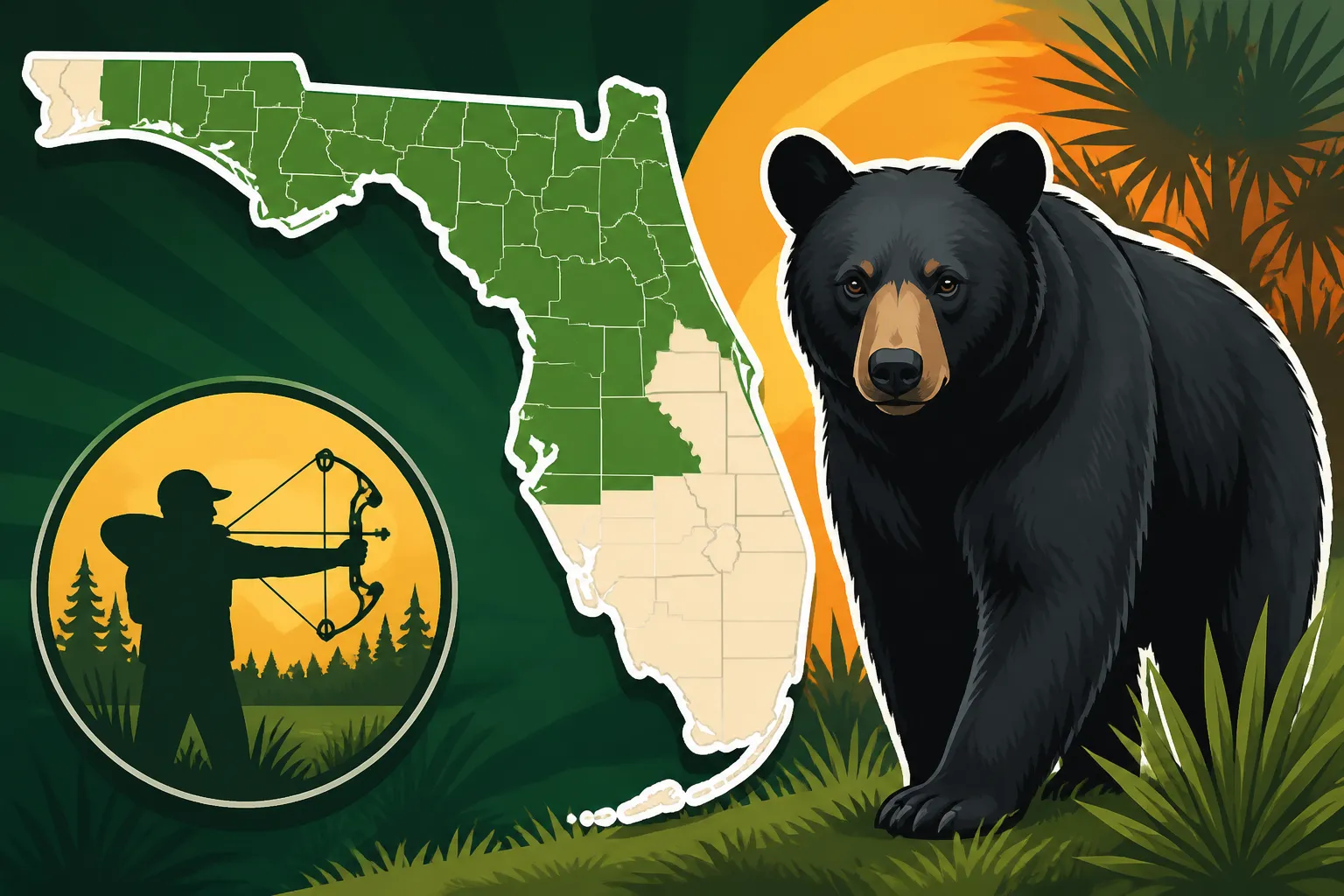
During the 2015 hunt, four specific BMUs were open: the East Panhandle, North, Central, and South BMUs. These were identified as the areas with the highest bear densities and the most significant potential for human-bear conflicts. It's vital to remember that not every county with a bear presence is automatically part of a huntable BMU. For instance, while bears might occasionally wander into a county on the edge of a BMU, that doesn't mean it's an open hunting area. The FWC makes these decisions based on extensive research, scientific data, and careful consideration of local conditions.
Pinpointing the Huntable Counties for Black Bear
So, with that context, which specific counties actually opened up for bear hunting when it was last permitted? This is where the rubber meets the road for hunters hoping to pursue a Florida black bear.
The Counties Included in Past Bear Hunts
When the 2015 bear hunt occurred, it was meticulously planned and restricted to specific counties within the designated Bear Management Units (BMUs). While many counties across Florida have a resident bear population, the FWC’s managed hunt focused only on those areas where population numbers and potential human-bear conflict warranted it. This careful approach ensured that the hunt was sustainable and targeted.
To give you a clearer picture, here’s a breakdown of the counties that were open within each of the four BMUs during the 2015 season. It’s important to understand that this list reflects historical data and future decisions on open counties would be made by the FWC based on current bear population dynamics and management goals.
| Bear Management Unit (BMU) | Historically Open Counties (2015 Season) | Notes |
|---|---|---|
| East Panhandle | Bay, Calhoun, Franklin, Gadsden, Gulf, Jackson, Liberty, Okaloosa, Santa Rosa, Walton, Washington | This BMU covers a significant portion of the western Florida Panhandle, an area known for its extensive forests and prime bear habitat. |
| North | Baker, Bradford, Clay, Columbia, Dixie, Duval, Flagler, Gilchrist, Hamilton, Lafayette, Levy, Madison, Marion, Nassau, Putnam, St. Johns, Suwannee, Taylor, Union, Volusia | This large BMU spans across north-central Florida, encompassing vast timberlands, swamps, and agricultural areas where bears thrive. Volusia County, in particular, has seen significant bear activity and human-bear interactions. |
| Central | Lake, Seminole, Sumter | Located in the heart of Florida, these counties within the Central BMU are often characterized by a mix of suburban growth and wild lands, leading to increased interface between bears and people. |
| South | Collier, Hendry, Lee, Miami-Dade, Monroe, Palm Beach | This BMU extends into the vast wilderness of the Everglades and Big Cypress ecosystems, home to a robust bear population in the southwestern and southeastern parts of the state. |
As you can see, this encompasses a wide array of Florida's diverse landscapes, from the longleaf pine forests of the Panhandle to the cypress swamps of the Everglades. While there are a total of Florida's Thirty-One Bear Hunting Counties that might have a bear presence, the actual huntable areas are meticulously defined within these BMUs. Always check the FWC's latest regulations, as these designations can change based on current scientific data and management needs.
Factors Determining Open Counties and Quotas
The decision-making process for opening specific counties to bear hunting is far from arbitrary. The FWC relies on a robust framework of scientific data and management objectives. It’s a complex balancing act, weighing conservation goals, public safety, and the role of hunting in wildlife management.
One primary factor is bear population modeling. Wildlife biologists conduct extensive surveys, often using hair snares, trail cameras, and radio telemetry, to estimate bear numbers within each BMU. They look at population trends, reproductive rates, and survival to determine if a population can sustain a harvest without jeopardizing its long-term health. The goal isn't to reduce overall bear numbers across the state dramatically but to manage local populations.
Another critical consideration is human-bear conflict data. As Florida's population grows and development expands, bears are increasingly encountering people, often leading to conflicts over food sources like garbage or pet food. Counties with a high incidence of bear complaints, vehicle collisions involving bears, or instances of bears becoming habituated to human presence are often prioritized for management strategies, including hunting. The intent is often to reduce localized populations where these conflicts are most prevalent, improving both human safety and the bears' welfare by minimizing their reliance on human food sources.
Furthermore, habitat availability and connectivity play a role. The FWC considers the quality and extent of suitable bear habitat within each county and BMU. They also look at How Florida's Bear Quota Is Split by Zone, ensuring that harvest levels are appropriate for the specific conditions of each area. This ensures that the hunt is not only biologically sound but also contributes to healthy ecosystems. Ultimately, the FWC's approach is adaptive, meaning that if a season were to open again, the specific counties and quotas could shift based on the most current data and identified needs.
Navigating the Permit Process and Preparing for a Hunt
If a bear season does open up in the future, knowing how to get a permit and what kind of preparation is involved will be key. Florida's bear hunt is not a walk-in, over-the-counter opportunity; it's a managed, limited entry affair.
Applying for the Limited Entry Bear Permits
Should Florida reinstate a bear hunting season, it’s virtually guaranteed to operate under a limited entry permit system. This means hunters won't just buy a license and go; they'll need to apply for a specific permit, often through a lottery system, for a particular Bear Management Unit. The number of permits issued for each BMU would be carefully capped based on the FWC's scientific assessment of that unit's bear population and desired harvest objectives. For example, during the 2015 season, quotas were extremely conservative, and the hunt actually closed early because harvest objectives were met quickly.
The Florida Bear Permit Application Process would likely involve specific application windows, usually well in advance of the actual season. Hunters would apply online through the FWC's licensing system. It’s crucial to pay close attention to deadlines and requirements, as these permits are highly sought after. Non-resident hunters often face higher fees and potentially fewer opportunities, so understanding the nuances of Florida Nonresident License Options versus resident options would be critical. Getting a permit is half the battle; the other half is being prepared when the opportunity arises.
Essential Gear and Scouting in Florida Bear Country
Hunting black bears in Florida presents unique challenges, distinct from hunting deer in cooler climates. The state's hot, humid environment demands specific gear choices and an understanding of bear behavior in subtropical ecosystems. When a season opens, especially if it's the Hunting the December Bear Season or another period of warmer weather, scent control becomes paramount. Bears have an incredible sense of smell, and the dense Florida vegetation can hold scent for a long time. Lightweight, breathable clothing that wicks moisture away is a must.
Scouting is another critical component. Florida bear country often consists of thick palmetto scrub, dense pine forests, and vast cypress swamps. Bears are opportunistic omnivores, so looking for food sources is key. This could mean finding oak hammocks dropping acorns, palmetto berries, or even areas with wild fruit. Tracks, scat, and rub trees (where bears scratch and rub) are excellent indicators of bear presence. Tools like GoHunt can be invaluable for overlaying public land boundaries, scouting satellite imagery for potential travel corridors or dense bedding areas, and marking your spots. E-scouting can save you countless hours of busting through thick brush in the Florida heat. Understanding the local terrain and how bears move through it, often along cypress strands or sand roads, will greatly increase your chances.
Staying Informed and Hunting Responsibly
As with all hunting in Florida, staying up-to-date with regulations and practicing ethical hunting is not just recommended, it's absolutely required. This is especially true for bear hunting, which often carries significant public scrutiny.
Utilizing Official FWC Resources
The Florida Fish and Wildlife Conservation Commission (FWC) is your absolute best source for information regarding any potential bear hunting season. Their website is comprehensive, offering detailed regulations, management plans, and official announcements. It's imperative to check the FWC website regularly for updates on specific open counties, application periods, quotas, and any changes to rules. Relying on outdated information from social media or unofficial sources can lead to serious legal issues.
Beyond the FWC's own excellent resources, digital mapping platforms like GoHunt offer dynamic map layers that can include WMA boundaries and regulations, making it easier to visualize where you can hunt and what rules apply on specific tracts of public land. This can be especially helpful when considering public hunting land in Florida that might be part of an open BMU. Always cross-reference any information, whether from a guide, another hunter, or even advanced mapping software like GoHunt, with the official FWC regulations, which are the final authority. Remember, knowledge is your most powerful tool in the woods.
The Role of Ethical Hunting in Bear Conservation
Hunting is a privilege, not a right, and nowhere is this more evident than with bear hunting in Florida. The species' recovery is a conservation success story, and any future hunting opportunities will depend heavily on hunters demonstrating the highest ethical standards. This means understanding and adhering to all regulations, including Florida Bear Hunting Hours and weapon restrictions.
Ethical hunting practices include ensuring a clean, humane harvest, knowing your target, and respecting the animal. Proper shot placement is paramount. Furthermore, it involves understanding the biology of the animal you're pursuing and the rationale behind management decisions. Responsible hunters contribute to conservation by purchasing licenses and permits, which fund vital wildlife research and habitat management. They also act as ambassadors for the sport, demonstrating that hunting is a legitimate and valuable tool for wildlife management, especially in a state where human-wildlife interactions are constantly increasing. The future of bear hunting in Florida rests on the shoulders of those who choose to participate responsibly and ethically.
Disclaimer
Please remember that hunting regulations, including season dates, bag limits, and open counties, are subject to change by the Florida Fish and Wildlife Conservation Commission (FWC). Always consult the most current FWC regulations prior to engaging in any hunting activities. This guide is for informational purposes only and should not be considered legal advice.