Hunting Florida’s Zone A Split Gun Season
The split gun season in Florida's Zone A can feel like a real head-scratcher for many hunters, throwing off expectations with its stop-and-start schedule. It’s tough when you finally get a few days off, only to find the season slams shut right after opening. This guide is here to break down the nuances of hunting deer during Zone A’s distinctive split gun season, offering practical advice to help you adapt and succeed through its unique phases.
Understanding Florida's Zone A Deer Hunting Calendar
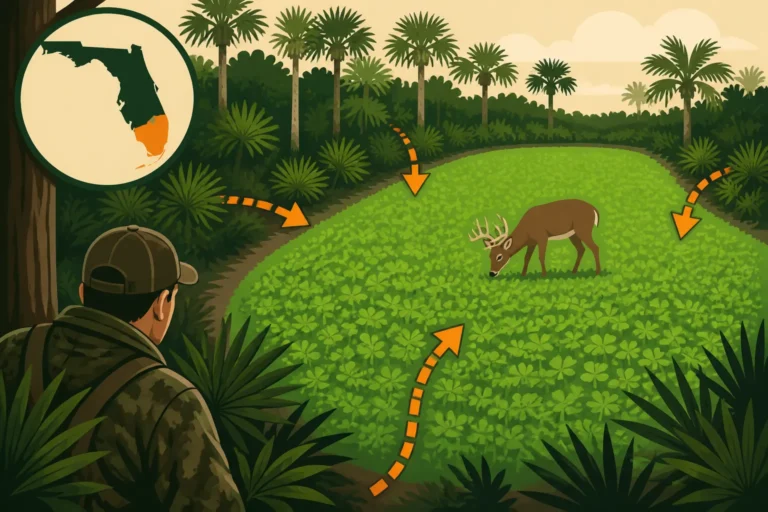
Zone A, encompassing much of the southwestern and central parts of the state, including the vast Big Cypress and Everglades regions, operates on a hunting calendar that’s quite different from the rest of Florida. The split gun season is a prime example of this, designed to balance hunting pressure with biological factors unique to this hot, humid environment. It’s not just a matter of checking dates; it's about understanding why the dates are set the way they are and how that influences deer behavior.
Why Zone A Has a Split Gun Season
The split gun season in Zone A isn't arbitrary. It's largely a response to the prolonged, less synchronized rut observed in Florida's southern deer populations. Unlike the more defined breeding seasons in northern states or even the Panhandle, deer in Zone A can breed over several months, with peaks varying locally. The split season, with its early opener and a later, extended period, attempts to give hunters opportunities around these varied breeding cycles while also managing overall harvest. It's a challenging system, often meaning you might catch the tail end of pre-rut activity in the first split and then a full-blown rut later on, making scouting and adaptability absolutely crucial. When considering your hunting plans, it's essential to understand Florida's Four Deer Management Zones Explained to see how these ecological differences drive regulatory decisions across the state.
Key Dates for Zone A Gun Hunters
Knowing the exact dates for Zone A’s split gun season is non-negotiable. Typically, Zone A kicks off its general gun season in early to mid-November, runs for about a week, and then closes for a short period before reopening in late November or early December for a much longer stretch, often extending into late January or early February. These dates can shift slightly each year, so always check the latest FWC regulations. For instance, the first split might run from a Saturday to the following Friday, giving you one full week, while the second split could pick up a week or two later and run for two months. This means hunters need to be prepared for both intense, short-burst hunting and a prolonged grind. Make sure you’re up-to-date on Florida Zone A Season Dates well in advance of the season, as missing a single day can feel like a missed opportunity in this compressed first split.
Strategic Approaches for the First Split
The first gun split in Zone A is a whirlwind. It’s usually a short window, often just a week or so, and it falls at a time when deer activity can be highly variable depending on local rutting conditions. This short, intense period requires a different mindset and strategy than the longer, more relaxed second split. You've got to hit the ground running, and your pre-season prep really pays off here.
Capitalizing on Pre-Rut and Early Rut Activity
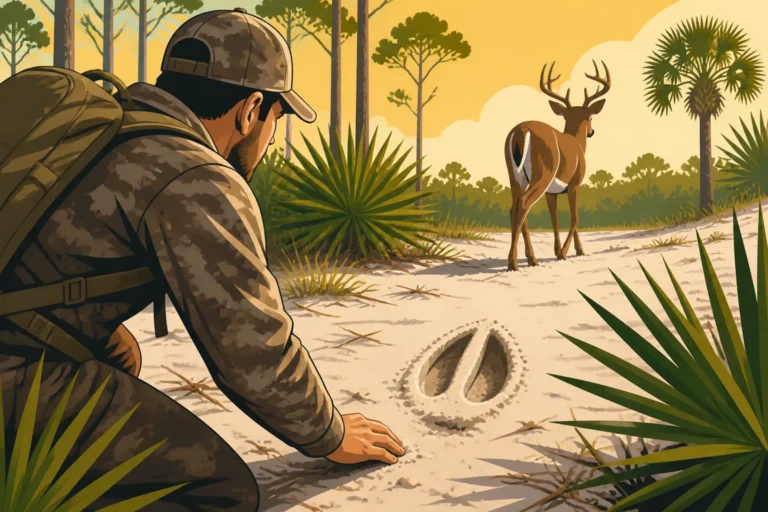
For many hunters, the first split in Zone A might coincide with the very beginning of the rut, or what we often call the "pre-rut." This is when bucks are starting to move more, laying down scrapes, rubbing trees, and generally looking for does. They're not completely locked down yet, but they're getting active. Focus your scouting on areas with fresh sign: new rubs on palmetto fronds or pine trees, and fresh scrapes along travel corridors. During this time, deer might still be fairly patternable around food sources like oak hammocks dropping acorns, but their minds are also starting to wander towards breeding.
It's also a period where deer are highly sensitive to hunting pressure. Being among the first hunters in the woods means you have a slight advantage before deer become completely nocturnal. Consider calling tactics; light grunting or a subtle doe bleat can sometimes pique the interest of a searching buck. Early morning sits near bedding areas or evening stands close to transition zones between cover and food can be highly effective. Remember, the goal is to intercept a buck that’s just starting to get on his feet and roam.
Adapting to Increased Hunter Pressure
Let's be real: public land during any opening week of gun season is going to see pressure. Zone A's first split is no exception. While some private lands might offer a reprieve, even those areas will see more activity. Deer become incredibly wary, and their patterns shift almost immediately. They'll quickly learn to avoid open areas during daylight and stick to the thickest cover they can find. This is where truly deep scouting and knowing your terrain pays off. Using an app like GoHunt can be invaluable here, helping you identify remote pockets of public land that might see less pressure.
Instead of fighting the crowds near popular access points, think about where deer will retreat. Look for islands of thick palmetto, cypress heads, or dense creek bottoms that offer security. These areas, often less accessible, become deer sanctuaries. Be prepared to hike further, use a boat or kayak for access if applicable, or even consider a silent approach like Still-Hunting Florida Palmetto Flatwoods to slip into these overlooked spots. The deer will be there, you just have to work harder and smarter to find them, and be willing to endure the discomfort of dense cover.
Navigating the Mid-Season Gap
After the initial burst of the first split, Zone A closes its general gun season for a period, typically a week or two. This mid-season gap can be frustrating if you haven’t filled your tag, but it’s also an opportunity. Instead of putting your hunting gear away, think of this as an extended scouting and recalibration phase.
Re-Evaluating Deer Movement and Patterns
The temporary cessation of hunting pressure during the gap allows deer to settle back down. Their daytime activity might increase again, and they might even return to some of their pre-season patterns if the pressure wasn't overwhelming. This is a golden opportunity to get back into the woods, but without a rifle. Utilize trail cameras to monitor travel corridors, food sources, and bedding areas. What you learn during this break can be crucial for planning your approach for the second, longer split.
Pay close attention to any changes in food availability. Are the acorns gone? Are new browse opportunities emerging? This information is critical, especially when combining it with sign like fresh rubs or scrapes. Sometimes, a week or two without hunters is all it takes for a mature buck to become visible again, especially if the rut is truly kicking into gear. Use the quiet time to your advantage, getting a fresh read on the herd. When you’re trying to pinpoint where deer might be hiding, especially during these transitions, understanding Where Florida Bucks Bed in Thick Palmetto can give you a significant advantage.
Preparing for the Second Gun Split
This downtime isn't just for scouting; it's also for equipment maintenance, strategizing, and even physical preparation. Did your boots hold up in the swamp? Is your treestand comfortable for long sits? Did you forget to pack enough water for the hot Florida days? Use this break to address any shortcomings from the first split. It's also a great time to clean your rifle, sharpen your knife, and ensure all your gear is in top working order.
Consider changing up your stand locations based on your fresh scouting. If you saw deer reacting negatively to pressure in a certain area, mark it for later. If you found new, promising sign in a secluded spot, plan your access for the second split. This is also a good time to re-evaluate your hunting strategy entirely. If still-hunting wasn't producing, perhaps a ground blind is needed. If you’re hunting on public lands, using mapping tools in apps like GoHunt can help you plan new, less-traveled routes and identify potential bedding sanctuaries that might have been overlooked during the initial rush.
Strategies for the Second Split
The second split of Zone A’s gun season is typically much longer, often spanning late November/early December through January. This extended period presents a different set of challenges and opportunities. The deer have been pressured, the rut might be peaking or tapering off, and the weather can fluctuate wildly from warm to surprisingly cold.
Hunting the Peak Rut and Post-Rut
For many areas within Zone A, the second split is when the rut really heats up, or when you catch it in full swing. Bucks will be actively chasing does, often disregarding some of their usual caution. This is an exciting time to be in the woods, as a big buck might appear out of nowhere, focused on a doe. Focus on travel corridors between known bedding areas and feeding grounds, especially those that offer good visibility into thick cover where does might be hiding.
Calling can be very effective during the rut. Rattling antlers, grunting, and doe bleats can provoke an aggressive response from a buck looking for a fight or another doe. Don't be afraid to be more assertive with your calling if you're not getting a response; sometimes, a louder, more insistent call is needed to cut through the thick Florida scrub. However, as the rut winds down into the post-rut, bucks will become more focused on recovery and food. Shift your focus back to nutritional sources and thick bedding cover. Understanding Rattling and Grunting Florida Bucks can significantly improve your chances during this critical time.
Addressing Late-Season Challenges and Food Sources
As the season progresses into December and January, Florida’s weather can get tricky. While we rarely see deep snow, cold fronts can bring overnight temperatures into the 30s or 40s, significantly impacting deer behavior. After a cold snap, deer will often move more during the day to feed and soak up any sun. This is a fantastic time to be in the woods. Additionally, late-season food sources become critical. Acorns may be long gone, but green browse, winter food plots (if on private land), and certain native plants can draw deer.
This is also when deer have been pressured for months, making them incredibly smart. You'll need to employ every trick in the book. Consider longer sits, often from dawn until dusk, as rutting bucks or hungry does might move at any time. Focus on pinch points, funnels, and natural barriers that concentrate deer movement. Using mapping tools to identify these features is key. For hunters targeting these later periods, looking into Late-Season Food Sources for Florida Whitetails is a must, as these resources will dictate where deer are spending their time.
Here's a quick overview of Zone A's typical season progression:
| Season Phase | Typical Timing (Approx.) | Key Deer Behavior | Hunting Strategy Focus |
|---|---|---|---|
| Archery/Muzzleloader | Aug – Oct | Early breeding, pre-rut, feeding patterns | Scouting, quiet approaches, food source ambush |
| First Gun Split | Early/Mid-Nov (1 week) | Pre-rut/early rut, high hunter pressure | Aggressive scouting, remote access, calling, quick strike |
| Mid-Season Gap | Mid/Late-Nov (1-2 weeks) | Deer recovering from pressure, settling back down | Trail camera recon, gear maintenance, re-evaluating patterns |
| Second Gun Split | Late Nov/Early Dec – Jan | Peak rut, post-rut, focus on recovery/food, varying pressure | Rut calling, long sits, targeting specific food sources, cold front hunting |
Gear and Logistics for Zone A Hunting
Florida hunting, especially in Zone A, demands specific gear and logistical planning due to the challenging environment. From thick brush to fluctuating temperatures and abundant biting insects, being prepared makes all the difference between a miserable trip and a successful one.
Essential Clothing and Footwear
Forget the heavy wool layers you see northern hunters wear; Florida is a different beast. Even in November and December, mornings can be chilly, but midday temperatures often soar into the 70s or 80s. Layering is absolutely crucial. Start with a moisture-wicking base layer, add a light fleece or softshell, and have a quiet, breathable outer layer in camouflage. Always pack a lightweight rain jacket – afternoon showers are common year-round.
Footwear is arguably the most critical clothing choice. You'll be slogging through swamps, marshes, and palmetto flats. Waterproof boots are non-negotiable. Look for boots that are durable, comfortable for long walks, and provide good ankle support. Muck Boots or similar rubber boots (like those from LaCrosse or Irish Setter, though any quality brand will do) are popular choices for their waterproof capabilities and ease of cleaning. If you're planning on Hunting a Cypress Head at Last Light, reliable waterproof footwear is paramount for safe and comfortable access. Don't forget gaiters to keep palmetto thorns and burrs out of your socks and off your shins.
Navigation and Communication Tools
Florida's public lands, particularly the vast expanses of Zone A, can be incredibly disorienting. Palmetto flats and cypress swamps often look identical for miles. A reliable GPS unit or a smartphone with a robust hunting app is not just recommended, it’s essential for safety and success. Apps like GoHunt, onX Hunt, or BaseMap provide detailed aerial imagery, topo maps, and property boundaries, allowing you to mark your stand locations, track your movement, and navigate back to your vehicle or camp. Make sure you download offline maps, as cell service can be spotty or nonexistent in many remote areas.
Beyond navigation, consider how you’ll communicate. A fully charged phone is good, but a personal locator beacon (PLB) or satellite messenger (like a Garmin inReach) can be a lifesaver if you get lost or injured in an area without cell service. Always let someone know where you’re going and when you expect to return. This is especially important if you're venturing deep into areas like Big Cypress, where help might be hours away.
Packing Your Day Pack for Florida Conditions
Your day pack needs to be tailored for Florida. Hydration is paramount. Carry at least 2-3 liters of water, more if you’re planning an all-day sit in warm weather. Electrolyte packets can also be a game-changer. Beyond water, include a first-aid kit (especially with snake bite kit and insect repellent), headlamp, extra batteries, knife, rope, small saw or pruners for clearing shooting lanes, and a lightweight game bag if you’re successful. Don’t forget snacks that won't melt in the heat.
For successful hunting, you'll also want your calls, rangefinder, binoculars, and perhaps a small seat cushion. Sunscreen and a wide-brimmed hat are also critical for sun protection. A portable charger for your phone/GPS is a wise addition. If you plan on long hikes to reach your spot, understanding Dragging a Deer Out of a Palmetto Head highlights the physical demands and the necessity of lightweight, essential gear.
Common Challenges and Solutions in Zone A
Hunting Zone A is not for the faint of heart. It presents a unique blend of environmental, logistical, and deer-behavioral challenges. Anticipating these and having a plan to overcome them is key to a successful hunt.
Dealing with Heat, Humidity, and Insects
One of the biggest hurdles in Zone A, even during "cooler" months, is the omnipresent heat, humidity, and relentless insects. Early morning starts often mean dealing with dew-soaked vegetation, and midday sun can quickly drain your energy. Mosquitos, gnats, and ticks are a year-round menace.
The solution lies in preparedness and mindset. Hydrate constantly, long before you even feel thirsty. Wear lightweight, breathable clothing that covers as much skin as possible. Thermacell units are almost mandatory for keeping mosquitoes at bay while on stand. Treat your hunting clothes with permethrin before the season to deter ticks and chiggers. It’s also wise to carry a strong DEET-based repellent for exposed skin. Always consider the potential for rapid spoilage when Field Dressing a Deer in Hot Weather and have a plan for quick cooling.
Navigating Thick Cover and Wetlands
Zone A is characterized by some of the densest cover imaginable: vast palmetto flats, cypress swamps, and impenetrable stands of scrub oak. Walking through this can be exhausting, loud, and disorienting. Deer thrive in these areas precisely because they offer such great escape routes and security.
To counter this, invest in tough clothing and good boots as mentioned earlier. Learn to identify natural travel corridors within this thick cover, such as old logging roads, game trails, or the edges of different habitat types. These funnels will concentrate deer movement. Use aerial maps from GoHunt or onX Hunt to identify these subtle features before you ever set foot in the woods. Sometimes, accessing these areas requires a boat, kayak, or even an airboat, making remote spots accessible. Knowing how to use Hunting a Funnel Between Two Palmetto Heads to your advantage is a fundamental skill for this region.
Overcoming High Hunter Pressure on Public Lands
Public lands in Florida, especially during gun season, can become crowded. Deer quickly learn to avoid areas with heavy human activity, moving into more remote, thicker, or harder-to-reach pockets. This can be frustrating when you feel like you're constantly bumping into other hunters or finding empty woods.
The key here is to go where others won't. Be willing to walk further than most, push into areas that seem too thick, or find alternative access points that aren't obvious. Utilizing an app to analyze topography and satellite imagery can help identify hidden pockets that may hold deer. Consider hunting weekdays if your schedule allows, as pressure often drops significantly compared to weekends. Also, don't be afraid to try different tactics; if traditional stand hunting isn't working, a slow, methodical Still-Hunting Florida Palmetto Flatwoods approach might yield results, allowing you to slip past pressured deer. Persistence and adaptability are your greatest allies.
Final Thoughts for Zone A Deer Hunters
Hunting Florida's Zone A split gun season is a uniquely Floridian challenge, blending elements of patience, grit, and strategic adaptation. It's rarely easy, but the rewards of connecting with a deer in this wild, beautiful landscape are truly special. Whether you're navigating the intense early split or grinding through the long second stretch, remembering that deer are creatures of habit and reaction will serve you well. Stay safe, stay persistent, and enjoy every moment in the Florida woods.
Recommended Further Reading
- Hunting Florida's Zone A August Opener
- Hunting Florida's Zone A Split Gun Season Gap
- Florida Hunting Licenses and What They Cost
- Public Hunting Land in Florida
- Scouting Florida Public Land Before Season
- Using a Ground Blind on Florida Public Land
Disclaimer
Please remember that hunting regulations, dates, and requirements can change. Always consult the latest official Florida Fish and Wildlife Conservation Commission (FWC) regulations before planning any hunting trip. This guide is for informational purposes only and should not be considered a substitute for official FWC documentation.