Florida Zone A Season Dates
Navigating Florida's diverse hunting regulations can feel like trying to solve a complex puzzle, especially when you're just trying to figure out when you can actually get out in the woods. The state's system of deer management zones means that season dates aren't uniform, leading to plenty of head-scratching moments. This comprehensive guide is here to untangle the specifics of Florida's Zone A, giving you a crystal-clear understanding of its deer season dates so you can plan your hunts with confidence.
Understanding Florida's Deer Management Zones
Before we dive into the nitty-gritty of dates, it’s really helpful to grasp why Florida has these different zones in the first place. It's not just to make things confusing for us hunters, I promise! The Florida Fish and Wildlife Conservation Commission (FWC) manages deer populations based on the unique characteristics of each region, recognizing that a deer herd in the Panhandle behaves differently than one in the Everglades. This nuanced approach helps ensure sustainable hunting opportunities and healthy deer populations across the entire state.
Why Zones Matter for Florida Hunters
Florida is a long state, stretching from temperate pine forests in the north to subtropical wetlands in the south. This vast geographic range means significant differences in habitat, climate, and even the deer's biological cycles, like breeding. For example, the rut, or breeding season, can occur at vastly different times across Florida, from late summer in some southern areas to winter in the Panhandle. Managing hunting seasons by zone allows the FWC to align harvest pressure with these biological realities, making sure hunters have the best chance at a mature deer while also protecting the herd. It’s all about finding that sweet spot where conservation and recreation meet. This localized management helps account for things like forage availability, soil quality, and genetic variations, which all impact deer size, health, and antler development.
Pinpointing Zone A on the Map
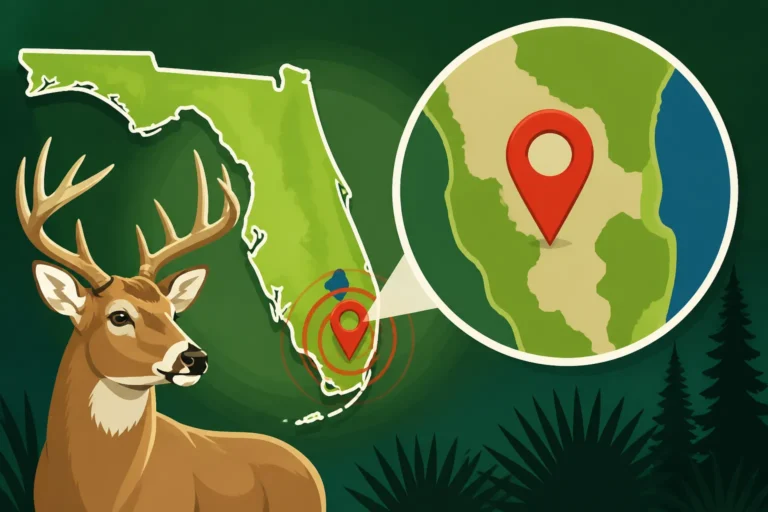
Zone A is often referred to as Florida's "Panhandle" zone, encompassing the northwestern part of the state. Think of it stretching from the Alabama and Georgia borders down towards the coast, generally west of the Apalachicola River. Counties like Escambia, Santa Rosa, Okaloosa, Walton, Holmes, Washington, Bay, Jackson, Calhoun, Gulf, and Liberty largely fall within this zone. If you're hunting anywhere in this region, whether it's the vast expanse of the Apalachicola National Forest or a private timber lease near Marianna, you'll be operating under Zone A regulations. Knowing Which Zone Covers Your Florida County is the first crucial step for any hunt planning. It's a land of rolling pine hills, hardwood bottomlands, and agricultural fields, offering a different hunting experience than the palmetto flatwoods or cypress swamps further south.
Archery Season in Florida's Zone A
Ah, archery season! For many of us, this is the true opening of the deer hunting calendar. There's something truly special about being in the woods with a bow, testing your skills against a deer's keen senses at close range. Florida's Zone A offers a solid archery window, providing ample opportunity before the general gun hunters hit the woods.
Key Dates for Bowhunters
For Florida's Zone A, the archery season typically kicks off in mid-October. Historically, it opens on the third Saturday of October and runs for about four weeks, usually closing in mid-November. For instance, if you were planning your hunt for the current season, you'd be looking at an opening around October 19th and a closing around November 17th. These dates are crucial for planning your vacation time or scouting trips. It's a fantastic time to be in the woods; the air starts to cool a slightly, and deer are still in their early-season patterns, often hitting food sources consistently. Remember, these dates can shift slightly year to year, so always check the latest FWC regulations guide, which can often be found through tools like GoHunt. Knowing When Florida's Zone A Archery Season Opens allows you to dial in your bow and get those early morning stands set.
During this period, deer are often transitioning from summer patterns to fall feeding. Acorns, if available, become a primary draw, as do green food plots that might have been planted earlier in the season. The weather can still be quite warm in Zone A during October, making hydration and scent control paramount. But for those dedicated enough to brave the humidity, the rewards of an early-season buck can be significant. It’s a challenge, but a deeply satisfying one when you pull it off.
Weaponry and Regulations During Archery
During Zone A's archery season, you're limited to specific equipment. Obviously, traditional bows and compound bows are in. But Florida is also progressive in allowing crossbows during the regular archery season. This is a huge bonus for hunters who might have physical limitations, or who simply prefer the accuracy and extended range a crossbow can offer. Broadheads must meet specific criteria, typically at least 7/8 inch wide, and expand to that width upon impact. Practice with your hunting broadheads before the season to ensure your setup is dialed in. Mechanical broadheads are popular for their flight characteristics, but fixed blades are also highly effective. Understanding Crossbow Hunting During Florida's Archery Season is key if you plan to use one.
Arrows used must be at least 20 inches in overall length, not including the broadhead. The regulations are in place to ensure ethical and humane harvests, promoting clean kills. It's vital to remember that during archery season, muzzleloaders and general firearms are not allowed, regardless of whether you hold a hunting license for those weapons. This dedicated period provides a quieter, less pressured hunting experience for archers, allowing them to focus on stealth and precision. Always double-check your draw weight and arrow weight specifications to ensure they meet FWC guidelines for legal hunting.
Crossbow and Muzzleloader Seasons in Zone A
Beyond the traditional archery window, Zone A offers dedicated seasons for crossbows and muzzleloaders. These seasons bridge the gap between archery and general gun, providing unique opportunities with specific weapon types. This staggered approach extends hunting opportunities while still managing pressure on the deer herd.
When Crossbows and Muzzleloaders Take the Field
After the initial archery-only period, Zone A typically has a crossbow-only season. This usually starts immediately after the archery season concludes, around mid-November, and runs for a week. This gives crossbow hunters a dedicated window without the added pressure of general firearms. Following that, the muzzleloader season generally opens. This period, often about a week long in late November, allows hunters to use black powder rifles, which carry a distinct historical charm and a different kind of hunting challenge. These seasons are shorter but offer a unique chance to hunt with specific equipment before the woods fill up with general gun hunters. It's also a time when the weather is often cooler, and deer might be more active during daylight hours as the rut starts to ramp up in some parts of the zone.
For hunters who might not have had success during the archery period, or those who simply enjoy the challenge of a muzzleloader, these short seasons are incredibly valuable. They provide a different pace of hunting, often demanding a bit more patience and precision due to the single-shot nature of many muzzleloaders. Many hunters view these seasons as an excellent way to extend their time in the field, honing their skills with different weapons. Always ensure your muzzleloader is of a legal caliber and uses approved projectiles; most often, .40 caliber or larger is required.
Unique Opportunities and Challenges
Hunting with a crossbow or muzzleloader presents its own set of opportunities and challenges. Crossbows offer excellent accuracy and can be less physically demanding than a compound bow, making them accessible to a wider range of hunters. However, they are often bulkier and slower to reload, meaning follow-up shots are less common. Muzzleloaders, on the other hand, bring a whole different experience. The smoke, the single shot, and the need for meticulous loading and cleaning hark back to earlier hunting traditions. They are less forgiving of mistakes but deeply rewarding when a hunt comes together. The effective range of a muzzleloader is also generally less than a modern rifle, requiring hunters to focus on stalking and close-range shot placement.
A significant advantage of these seasons is that deer have likely experienced less hunting pressure than they will during general gun season. This can mean more natural movement patterns and potentially more visible deer activity. However, the deer are also becoming warier. Successful hunting during these windows often comes down to impeccable scouting, understanding deer movement patterns in response to food sources, and executing a clean, ethical shot with your chosen weapon. For those considering Muzzleloader Deer Hunting in Florida, mastering your rifle and understanding its limitations is paramount for success. Many hunters use this time to target specific areas they've scouted, perhaps a funnel between two palmetto heads or a promising scrape line along a sand road, knowing that once general gun starts, the landscape of deer movement might change dramatically.
General Gun Season in Florida's Zone A
The general gun season is, for most hunters, the heart of the Florida deer hunting calendar. It's when the widest array of legal firearms can be used, and it often sees the highest participation. In Zone A, this season is particularly important due to its duration and timing relative to the rut.
The Main Event Dates
Florida's Zone A general gun season has a bit of a unique structure: it's typically a split season. The first phase usually opens in late November, often the Saturday before Thanksgiving, and runs for a week or two. Then, there's a break – a "gap" where no general gun hunting is permitted. This gap might coincide with the muzzleloader season or simply serve as a brief respite for the deer. The main portion of the general gun season then reopens in early December, often running all the way through the end of February. This extended season provides significant opportunities, especially as the deer rut in the Panhandle typically peaks in January and February.
This split season requires careful planning. You might be targeting early-season deer hitting specific food sources in the first segment, then adjusting your strategy for rutting bucks in the later, longer segment. Being aware of Hunting the Zone A Split Gun Season Gap is critical so you don't inadvertently find yourself in the woods during a closed period. This long season, especially the later dates, is fantastic for catching bucks when they are most vulnerable, cruising for does. It also allows for cooler weather hunting, which is always a welcome change in Florida!
Firearms Allowed and Bag Limits
During the general gun season, the range of legal firearms expands significantly. This includes modern centerfire rifles of various calibers (generally .22-caliber or larger, using expanding bullets), shotguns firing single slugs (buckshot is usually restricted to small game or specific WMA regulations), and even pistols with appropriate caliber and ammunition. Minimum bullet diameter for rifles is usually a concern for new hunters, and Florida specifies appropriate calibers for deer. It’s important to familiarize yourself with these regulations to ensure you're hunting legally and ethically. For instance, while you might use a .223 for coyote calling Florida ranch land, it's generally recommended to use a larger caliber for deer to ensure a humane kill.
The bag limit for Zone A, consistent with other zones, is two antlered deer per day, but no more than five antlered deer during the entire deer season. In Zone A, there are generally no antler point restrictions (APRs) on private lands, meaning a legal buck is any deer with at least one antler of 5 inches or more. However, on some Wildlife Management Areas (WMAs) within Zone A, specific APRs might apply, or you might be limited to one antlered deer per WMA hunt. Antlerless deer can typically be harvested during specific periods, often late in the season, or if a hunter holds a bonus antlerless tag. Always check the specific WMA regulations if you plan to hunt public land, as they can differ significantly from statewide rules. Remember to register your deer after harvest; the FWC app makes this process easy and quick.
Youth and Antlerless Deer Hunting Opportunities
Florida is committed to fostering the next generation of hunters and managing its deer population responsibly. Zone A provides specific windows for youth hunters and opportunities for harvesting antlerless deer, both of which are crucial aspects of sustainable wildlife management.
Youth Deer Hunt Dates
To encourage youth participation and give young hunters a dedicated opportunity, Florida hosts special youth deer hunt weekends. In Zone A, this typically occurs in late November, sometimes coinciding with the first segment of the general gun season or immediately preceding it. These weekends are usually open for hunters 15 years of age or younger, who must be supervised by an adult, 18 years of age or older. The supervising adult cannot possess a firearm unless they are also participating in a legal hunt for which they are licensed. It’s a fantastic way to introduce kids to the outdoors, teaching them about ethical hunting, wildlife biology, and the satisfaction of harvesting their own game without the added pressure of a crowded hunting ground.
These youth hunts provide a calmer environment, making it easier for mentors to focus on guiding and educating. Many parents and mentors cherish these weekends, seeing them as foundational experiences for young outdoors enthusiasts. It's a chance to build skills, create memories, and pass down the tradition of hunting. During these hunts, the youth hunter typically follows the same bag limits as the regular season, including any antlerless opportunities that might be open at that time. Always verify the exact dates and rules for the Florida Special Youth Hunt Windows each year, as they are a treasured time for many families.
Late Antlerless Season in Zone A
Effective deer management often includes the harvest of antlerless deer (does) to help balance herd numbers with available habitat and food sources. While some antlerless deer can be taken during general gun season on private lands in Zone A, there's often a dedicated late antlerless season. This season typically occurs in late February, sometimes extending into early March, following the close of the general gun season for bucks. During this period, hunters might be able to use a specific antlerless deer tag, sometimes referred to as a "bonus tag," or hunt under specific property management guidelines.
The opportunity to harvest antlerless deer is vital for maintaining a healthy deer herd, especially in areas with robust populations. It helps prevent overpopulation, which can lead to habitat degradation and increased risk of disease. Hunters often target does for meat, and this late season provides a great chance to fill the freezer after the primary buck seasons have concluded. For this season, hunters will need the correct licenses and often specific antlerless tags, which may be purchased separately. Always refer to the FWC regulations regarding Florida Late-Season Antlerless Rules and how many tags are permitted per hunter in Zone A. Planning for these later hunts can often involve scouting for late-season food sources for Florida whitetails, as deer patterns will have shifted considerably from the early fall.
Other Game Species Seasons in Zone A
While deer hunting often takes center stage, Zone A offers a wealth of opportunities for other game species. Understanding how these seasons overlap or differ from deer seasons is crucial for hunters looking to maximize their time in the woods or pursue diverse game.
Turkey Season Considerations
Zone A, being in the Florida Panhandle, falls squarely within the range of the Eastern Wild Turkey. Unlike the Osceola turkey, found exclusively in peninsular Florida, Easterns range across much of the southeastern United States. The spring turkey season in Zone A usually kicks off in mid-March and runs for a little over a month, closing in late April. This is a prime time for chasing gobblers, often when the spring weather is beautiful, and the woods are coming alive. Hunters will need a Florida hunting license and a turkey permit to hunt Easterns.
There's also a fall turkey season in Zone A, which typically coincides with or overlaps parts of the deer general gun season. This offers a unique chance to harvest a turkey outside of the traditional spring gobbling season, often focusing on breaking up flocks or calling birds in. The bag limits for turkey are usually two gobblers or bearded turkeys during the spring season and one per day, maximum of two per season, during the fall. If you're passionate about Hunting Florida's Eastern Panhandle Turkey, understanding these season dates is just as important as knowing your deer dates. GoHunt's mapping features can be incredibly useful for scouting good turkey habitat, looking for roosting areas or open fields where birds might congregate.
Hog Hunting and Small Game
One of the great joys of hunting in Florida, particularly in Zone A, is the year-round opportunity for feral hogs. Unlike regulated game species with strict seasons and bag limits, feral hogs are considered an invasive species in Florida. This means there's no closed season, no bag limit, and no size restrictions on hogs on private lands. On many public lands and WMAs in Zone A, hog hunting is often permitted during any established hunting season for other species, and sometimes even outside of those seasons, though specific WMA rules apply.
This "year-round" status means that if you're out deer hunting during any of Zone A's deer seasons and a hog walks by, you can ethically harvest it (assuming you're on land where hog hunting is permitted). This makes for exciting mixed-bag opportunities. Beyond hogs, Zone A offers excellent small game hunting. Squirrel season typically opens in October and runs into March, overlapping with much of the deer season. Quail season usually starts in November and also runs into March. These small game seasons provide fantastic opportunities for younger hunters, or for a change of pace when deer aren't moving. Using tools like GoHunt to scout for squirrel hunting Florida hardwood hammocks or quail habitat can definitely increase your chances of success. It's a testament to the diverse wildlife that Florida's Panhandle holds.
Planning Your Zone A Hunt: Licenses, Permits, and Scouting
Now that you've got a handle on the specific season dates for Florida's Zone A, it's time to talk practicalities. No matter how well you know the dates, a successful hunt hinges on preparation, proper licensing, and smart scouting. This zone offers a vast array of hunting landscapes, from dense bottomlands to open pine forests, each requiring a slightly different approach.
Essential Licenses and Permits
Before you even think about setting foot in the woods, you need to ensure all your paperwork is in order. For deer hunting in Zone A, you'll need a Florida hunting license. Residents and non-residents have different pricing structures, but both require a valid license. Beyond the base license, you'll also need a deer permit. This permit, typically included with the license purchase for residents, is what legally allows you to harvest deer. If you plan to hunt on public lands, such as Wildlife Management Areas (WMAs) like Apalachicola WMA or Blackwater River State Forest, you will also need a Florida WMA Management Area Permit.
Additionally, for many WMAs, especially during prime general gun or turkey seasons, quota permits are required. These are drawn through an application system and limit the number of hunters in a specific area to reduce pressure and enhance hunt quality. It's a good idea to research the quota hunt application process well in advance, as application periods are usually months before the season. For non-residents, understanding Florida Nonresident License Options is key to ensuring you're fully compliant. Don't forget your Florida Hunter Education Requirements if you were born after May 31, 1971; this is a mandatory step for most hunters.
Scouting Strategies for Zone A Success
Zone A's diverse habitat means your scouting strategy needs to be adaptable. Early season archery hunts might focus on understanding deer patterns around early mast crops like acorns or established food plots. As the general gun season progresses, especially into the later parts, shifting your focus to rut-related sign becomes paramount. Look for rubs, scrapes, and funnel points where bucks will be traveling as they search for does. Using aerial imagery from apps like GoHunt or onX Hunt can be incredibly helpful for identifying potential pinch points, travel corridors, and bedding areas in thick palmetto.
If you're planning a general gun hunt in the late season, remember that the rut in Zone A peaks later than in most of the state, often in January and February. This is when bucks are most active and often less cautious. Focus your scouting on areas where does congregate and look for fresh sign of buck activity. Wind and thermals in flat Florida terrain are always a factor, so understanding how scent travels in your hunting area is crucial, especially when still-hunting Florida palmetto flatwoods. Don't overlook the importance of finding ground others walk past; often the best spots are just a little further off the beaten path than most hunters are willing to go.
| Season Type | Typical Opening Date | Typical Closing Date | Primary Weapon(s) Allowed | Notes |
|---|---|---|---|---|
| Archery | Mid-October (3rd Saturday) | Mid-November | Compound, Recurve, Longbow | Dedicated bowhunting period, good for early-season food sources. |
| Crossbow | Mid-November | Late November (1 week) | Crossbow | Immediately follows Archery, still relatively low pressure. |
| Muzzleloader | Late November | Early December (1 week) | Muzzleloader (min .40 cal) | Traditional hunting, requires patience, single shot focus. |
| General Gun (Split 1) | Late November (pre-Thanksgiving) | Early December (1-2 weeks) | Rifles, Shotguns (slugs), Pistols | First segment of main gun season. |
| General Gun (Split 2) | Early December | End of February | Rifles, Shotguns (slugs), Pistols | Main, extended season. Catches the peak of the rut in January/February. |
| Youth Deer | Late November (specific weekend) | Late November (specific weekend) | Varies, typically general gun legal weapons for youth | Dedicated weekend for hunters 15 and under, adult supervision required. |
| Late Antlerless | Late February | Early March (specific dates) | Varies, typically general gun legal weapons | Opportunity to harvest does to help manage herd health, requires specific tags. |
Note: All dates are typical and subject to annual FWC regulation changes. Always verify current season dates and specific WMA regulations before hunting.
The Unique Experience of Hunting Zone A
Hunting in Florida's Zone A isn't just about the dates; it's about the entire experience. This region, often overlooked by those focusing on the more "glamorous" south Florida hunts, offers a rich tradition, diverse landscapes, and genuinely exciting hunting opportunities. Whether you're chasing an early season buck with a bow or braving the late winter chill for a rutting monster, Zone A has something special to offer.
Embracing the Panhandle Landscape
The landscape of Zone A sets it apart from much of peninsular Florida. Here, you'll find extensive tracts of pine plantations, often managed for timber, interspersed with mature hardwood hammocks along creeks and river bottoms. These varied habitats create fantastic edge cover and provide diverse food sources for deer, turkeys, and hogs. The elevation changes, while not dramatic, are more pronounced than in the flatlands further south, which can influence how you scout and set up your stands, particularly regarding wind and thermals. This is not the Florida of palm trees and alligators (though we have those too!); it's a slice of the Deep South with its own unique charm.
Hunting a clear-cut regrowth edge can be incredibly productive, as deer often browse on the new growth and seek cover in the dense vegetation. Similarly, working a creek bottom for late-season deer can pay dividends, as these areas often hold consistent moisture and diverse forage, drawing deer in. The sheer amount of public land, particularly the Apalachicola and Blackwater River State Forests, offers boundless opportunities for those willing to put in the legwork. This also means you need to be prepared for differing terrain, from sandy uplands to mucky bottoms, depending on where you choose to pursue game.
Adjusting to Seasonal Nuances
Successful hunting in Zone A means understanding and adapting to its seasonal nuances. Early archery season can be hot and humid, requiring diligent scent control and hydration. As you move into general gun season, especially the later portions, the weather cools considerably, sometimes even dipping below freezing overnight. This cooler weather can increase deer movement during daylight hours, but also means you need to layer up and be prepared for changing conditions.
The late rut in Zone A, peaking in January and February, is a major draw. Unlike the early ruts in South Florida, hunting into a Zone B February close or similar later ruts requires different tactics. Bucks are often exhausted from breeding, making them more vulnerable to calling and decoying tactics. Understanding scrape lines along a sand road or grunt calls in a Florida oak hammock becomes even more critical during this period. Hunters often remark on the sheer excitement of seeing bucks actively chasing does, a stark contrast to the often stealthy, methodical hunts required in earlier seasons. This extended season provides ample opportunity to pursue deer when they are most active, but it also means being prepared for whatever Mother Nature throws at you, from warm, sunny days to chilly, damp fronts.
Disclaimer
Please remember that hunting regulations, season dates, and permit requirements can change. Always consult the official Florida Fish and Wildlife Conservation Commission (FWC) regulations handbook or their website before planning any hunting trip to ensure you have the most current and accurate information. This guide is for informational purposes only and should not be considered a substitute for official FWC regulations.